
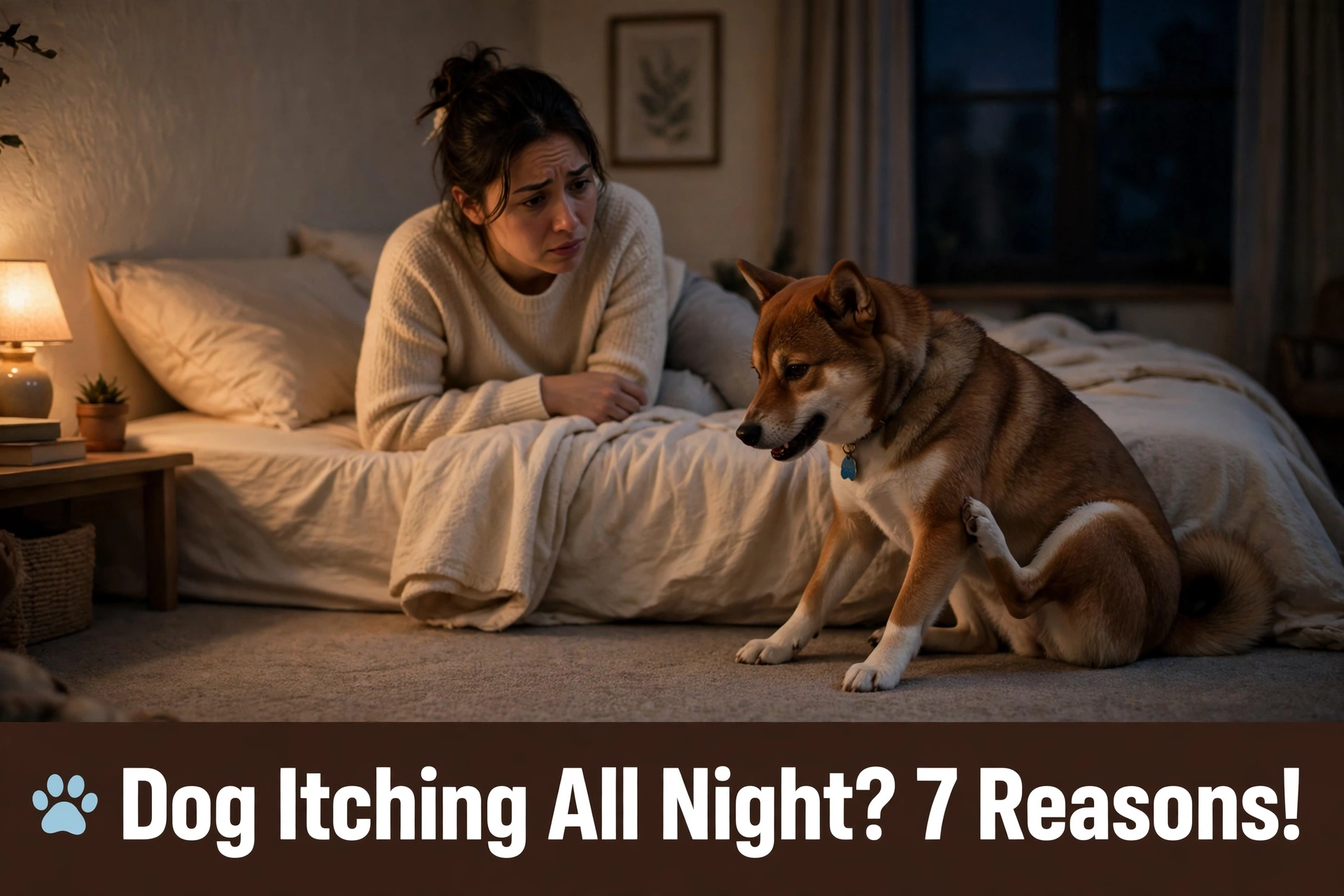
For three weeks, my dog was fine all day and restless all night. He would settle on his bed, sigh, and then start scratching. First his ears, then his belly, then his paws. The sound of his nails on the floor kept waking me up, and by morning we were both tired and grumpy. I kept asking myself why is my dog itching at night? and I wanted a real answer, not a guess. So I started watching him closely, changing one small thing at a time, and writing down what happened.
This article is my honest story of those nights. I will walk you through the seven reasons I looked into, one by one, and tell you what I noticed with my own dog, what helped, and what made no difference at all. I am not a vet, and this is not a diagnosis. Think of it as a careful owner sharing notes, so you can spot patterns sooner and know when a vet visit is the right next step. If you are asking why is my dog itching at night? this is the story that finally gave me answers.

How I First Noticed My Dog Itching at Night
It started so quietly that I almost missed it. My dog would go to bed like normal, circle twice, and lie down. Then, about twenty minutes later, I would hear a soft thump, thump, thump as his back leg worked at his ear. He was not crying or whining. He just could not seem to settle, and every time he drifted off, the itch pulled him back awake again.
At first I told myself it was nothing. Dogs scratch, after all. But the pattern kept repeating. The scratching was worst between midnight and three in the morning, and it was always worse on some nights than others. On the bad nights he would move from his bed to the cool floor, then back again, and I would lie awake listening, feeling useless and a little worried.
So I did what any tired dog owner does: I started keeping notes. I wrote down when he scratched, where he scratched, and what had happened that day. Had we walked somewhere new? Had I washed his bedding? Was the house warmer than usual? Within a week, the notes started to tell a story, and that story pointed me toward seven possible reasons. The notes were the turning point, because guessing in the dark was getting us nowhere.
Tip: Keep a simple night diary for a week. Note the time, the spot your dog scratches, and anything different about that day. Patterns show up fast, and your vet will find those notes genuinely useful.
The 7 Reasons at a Glance
Before we go into detail, here is the short version. These are the seven reasons I looked into, and most dogs who itch more at night are dealing with one of them, or a mix of two or three. I worked through them slowly, one at a time, instead of changing everything at once. That way, when something helped, I actually knew what had helped. If you are asking why is my dog itching at night? start with this list and work down it one reason at a time.
- Dry skin — dry air and cooler nights can leave skin tight and flaky.
- Fleas — tiny pests that are easier to notice when the house is quiet.
- Allergies — reactions to food, pollen, or things in the home.
- Bedding and dust — the very bed your dog sleeps on can hold dust and old washing powder.
- Anxiety and restlessness — worry and boredom can turn into licking and scratching.
- Skin irritation — a sore patch, or skin that is already red and tender.
- The night-time routine — too little play, a late meal, or a bedtime that does not suit your dog.
Reason 1: Dry Skin — A Common Answer to Why Is My Dog Itching at Night?
Dry skin was the first thing I checked, because it was the easiest to see. When I parted my dog’s fur along his back, I could see tiny white flakes, a bit like dandruff. His coat looked dull that winter, and his skin felt dry under my fingers. The house was warm and dry inside, and the air felt different from the fresh air outside. It made sense that his skin felt tight and itchy.
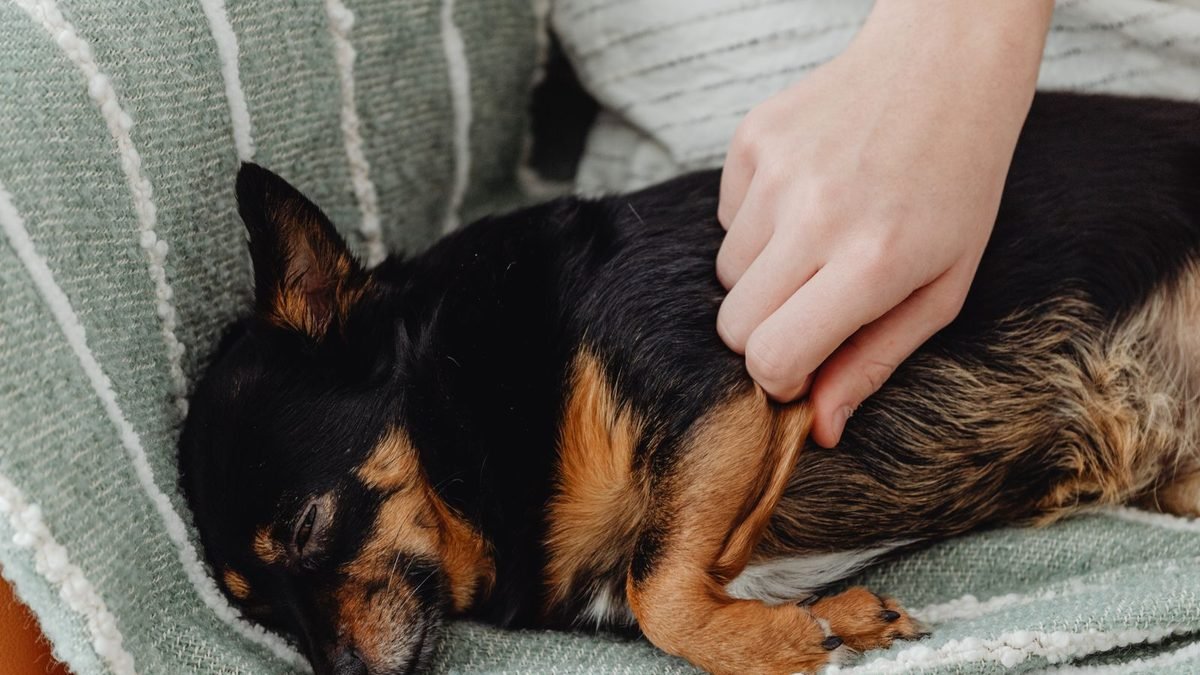
What surprised me was how much worse it felt at night. During the day, my dog was busy, walking, sniffing, and playing, so a mild itch was easy to ignore. At night, with nothing to distract him, that same mild itch became the loudest thing in the room. I noticed he scratched his sides and his back the most, and he would stop for a while after a good brush, as if the brushing had soothed the surface of his skin. That pattern is why I kept asking why is my dog itching at night? instead of treating it as a daytime problem.
I started brushing him gently every evening, just for a few minutes, and I paid attention to the air in the house. I opened a window when I could, and I made sure his water bowl was always full and fresh. Those small, boring habits did not fix everything, but his coat slowly looked less dull, and the flaky patches became less obvious. Dry skin is not always the whole answer, but in our house, it was definitely part of it.
Tip: Look for flakes, a dull coat, and scratching along the back and sides. A short, gentle brush in the evening can help you spot dry patches early, before they turn into a rough night.
Reason 2: Fleas — The Night-Time Suspect I Hoped It Was Not
I will be honest: fleas were the reason I least wanted to find. The word alone made me feel itchy. But my dog was scratching his belly and the base of his tail, and those are the places I had read about, so I knew I had to check properly. I sat with him in good light and looked through his fur slowly, section by section, the way you would search for a lost earring in long grass.

Here is the thing about fleas and night-time. During the day, a dog is moving, and a small bite is easy to shake off. At night, when your dog lies still for hours, the bites can feel worse, and the scratching wakes everyone up. That is why so many owners ask why is my dog itching at night? when they suspect fleas. The quiet house makes every scratch sound louder, and the itch feels harder to ignore.
In our case, I did not find a big flea problem, and I was relieved. But the check itself was worth doing, because it ruled something out. I also started washing his bedding more often and vacuuming the places where he likes to sleep. Those are simple housekeeping habits, and they made his sleeping area feel fresher. If you suspect fleas, do not guess. Check carefully, keep notes, and talk to your vet about what you find.
Reason 3: Allergies
Allergies were the hardest reason to pin down, because they do not always look the same. Some days my dog was fine, and other days his ears looked pink and he rubbed his face along the carpet. His paws were the biggest clue. He licked them more after walks, especially after we had been through long grass, and the licking was always worse in the evening. I began to wonder if something outside, or something in his food, was bothering him.

What I learned is that allergies can build up through the day. A dog might pick up pollen on a walk, dust at home, or a new food, and the itch grows slowly until bedtime, when there is nothing left to distract him. That slow build-up is one reason why is my dog itching at night? can feel so confusing. The trigger may have happened hours earlier, in the afternoon, and you only see the result at midnight.
I kept my notes going and started to see a pattern after grassy walks. A quick wipe of his paws and belly after coming home became part of our routine, and I kept his sleeping area clean and free of strong smells. I did not change his food on my own, because that felt like a big step to take without advice. Instead, I wrote down the patterns and took them to the vet, so we could talk through them together. The diary was the reason I could finally stop asking why is my dog itching at night? and start seeing the pattern instead.
Tip: Wipe paws and belly after walks, and note whether grassy walks, new foods, or new cleaning products line up with worse nights. Patterns matter more than one bad night. If you keep asking why is my dog itching at night? after grassy walks, the paws are the first place I would check.
Reason 4: Bedding and Dust
This one embarrassed me a little, because the answer was right under my dog’s nose, or rather, under his whole body. His bed was comfortable, but I had not washed the cover in a while, and the cushion inside was old. When I lifted it, I could see dust in the corners of the bed frame, and the blanket smelled faintly of the laundry powder I had used. My dog spends eight hours a night pressed against that bed, so of course it matters what is in it.
Dust and old washing powder can irritate skin that is already sensitive, and the effect is strongest at night, when your dog is lying in one place for hours. I started washing his bed cover and blanket every week, in plain hot water, and I let them dry fully in fresh air. I also shook out his bed outside and vacuumed under it. The first night after a full wash, he settled faster and scratched less. It was not magic, but it was a clear change, and it gave me one more honest answer to why is my dog itching at night?
I also moved his bed away from a dusty corner and into a spot with better air flow. If your dog sleeps on a rug or a sofa, the same idea applies. The place where your dog sleeps for hours every night should be the cleanest spot in the house, not the forgotten one. Fresh bedding is a small job, and it is one of the first things I now check when a bad night comes back.

Reason 5: Anxiety and Restlessness
This reason took me longest to see, because it does not leave flakes or red patches behind. On the nights when my dog scratched the most, something had usually changed during the day. A loud storm, visitors staying late, or a day when I was out longer than usual. He would pace before bed, sigh loudly, and then lick his paws over and over. The licking was not about an itch on his skin, I think. It was about not being able to settle.
Anxious dogs often lick and scratch as a way to soothe themselves, a bit like a person biting their nails. At night, when the house goes quiet and dark, that worry can grow. I noticed the scratching was worse on nights when his evening had been rushed or noisy. When the evening was calm and predictable, with the same walk, the same supper time, and the same quiet hour before bed, he settled much faster. That pattern was hard to argue with, and it changed how I thought about why is my dog itching at night?
What helped most was making our evenings boring in a good way. I kept the last hour before bed slow and gentle, with no rough play and no new visitors. I gave him a quiet chew to settle with, and I sat near him while he relaxed. I also made sure he had enough play and sniffing time during the day, so he was properly tired by bedtime. A tired, calm dog sleeps better than a wired one, and that showed in fewer scratchy nights.
Tip: Keep the last hour before bed calm and predictable. A quiet evening, a familiar routine, and enough daytime play can help a restless dog settle without the midnight licking and scratching.
Reason 6: Skin Irritation
Sometimes the itch is not a mystery at all. It is a sore spot that your dog keeps going back to. I found a small red patch on my dog’s belly one evening, where he had been scratching the most. The skin looked tender, and he flinched a little when I touched near it. Once skin is sore, even a light touch can set off another round of scratching, and the cycle keeps going all night.
That sore patch had probably started small, from a scratch or a bit of rubbing, and then the scratching itself made it worse. I know how that feels, because I have done the same thing with a mosquito bite. The more you scratch, the more it itches. At night, with no distractions, my dog kept returning to that one spot, and I could hear him licking it in the dark. That is a pattern worth paying attention to, because a single sore spot can explain a whole night of scratching. That pattern is often the first thing I check when I wonder why is my dog itching at night?
I did not try to fix the patch myself. I kept the area clean and dry, I kept his nails short and smooth, and I stopped him gently when I caught him going at it. Most of all, I watched it. Was it getting bigger? Was it weeping or smelling different? Was he in pain? Those are the questions I wrote in my notes, and they are the questions that helped the vet later. If you are asking why is my dog itching at night? and one spot gets all the attention, look closely at that spot first.
Reason 7: The Night-Time Routine
The last reason surprised me the most, because it was about me, not my dog. Our evenings had become messy. Supper was sometimes early and sometimes late. Some nights we played a wild game of tug just before bed, and other nights we did nothing at all. My dog had no idea when bedtime was coming, and his body did not know when to wind down. A dog who is not tired enough, or who is wound up at the wrong time, will find something to do at midnight. For my dog, that something was scratching.

I also noticed that late meals seemed to make things worse. On nights when supper was late, he was restless and uncomfortable, and he scratched more. On nights when we had a good walk in the late afternoon, a calm supper, and a short toilet break before bed, he settled like a stone. The routine itself was doing half the work. A dog who knows what comes next can relax, and a relaxed dog scratches less.
That is the honest truth of our story: the itch was real, but the routine was making it louder. Fixing the routine did not erase the other reasons, but it gave everything else a chance to work. When the evenings became steady, the scratching nights became fewer, and I finally started to believe we were getting somewhere. If your dog itches more after a chaotic evening, your routine may be part of the answer to why is my dog itching at night?
What I Tried, What Worked, and What Did Not
By the third week, I had asked why is my dog itching at night? so many times that I was tired of my own question. So I made a simple rule: change one thing at a time, give it a few nights, and write down what happened. That rule saved me from wasting money and from blaming the wrong thing. Here is the honest scorecard from our house.
What worked for us was a mix of small things, not one big fix. Fresh bedding every week helped. A gentle evening brush helped. Wiping paws after grassy walks helped. A calm, predictable evening helped the most of all. None of these was dramatic on its own, but together they turned our worst nights into occasional scratchy nights, and then into mostly peaceful ones.
What did not work was changing everything at once, or expecting a result after one night. I once washed the bedding, moved the bed, and changed our walk time all on the same day, and when he slept better, I had no idea which change had done it. I also learned that staying up to watch him only made us both more tired. The diary worked better than worry, and patience worked better than panic.
Tip: Change one thing at a time and give it three or four nights. If you change five things at once, you will never know which one helped, and you cannot repeat what worked.
My Simple Night-Time Routine Now
Our evenings now run like a quiet little ritual, and my dog knows every step. We have a good walk in the late afternoon, with time to sniff and explore. Supper comes at the same time each evening. After supper, we have a calm hour: a gentle brush, a wipe of his paws if we walked through grass, and a short toilet break before bed. Then it is lights low, bed ready, and a quiet word of goodnight.
I keep his bed fresh, his water bowl full, and the room at a comfortable temperature. I do not start new games or invite excitement in that last hour. If he does scratch, I stay calm, check him gently, and note it in the morning instead of making a fuss at midnight. That routine has not made him perfect, and he still has the odd itchy night. But those nights are rare now, and we both sleep better. A steady routine was the missing piece in our answer to why is my dog itching at night?

When to See a Vet
I am glad I talked to our vet, and I wish I had done it sooner. A vet can look at the skin, check for things you cannot see at home, and help you work out what is going on. Take your notes with you. The diary of bad nights, the spots he scratches, and the patterns you have seen are genuinely useful, and they save time in the appointment. When I asked my vet why is my dog itching at night? the diary was the first thing I took with me.
See a vet sooner if the scratching is constant, if the skin is broken, bleeding, or smelling different, if your dog has bald patches or sores that are not healing, or if he seems in pain, is losing sleep most nights, or has stopped eating or playing. Those are the signs that home notes and fresh bedding are not enough on their own. Do not wait for it to get worse, and do not try to treat a sore or an infection by yourself. While I waited for our vet appointment, I read the American Kennel Club’s general dog health pages and browsed more dog care guides here on Happy Pet Cure.
It also helps to ask your vet about anything you are unsure of, from food changes to flea checks to skin care. Your vet knows your dog’s history, and that matters more than any article, including this one. If you are still wondering why is my dog itching at night? after a few weeks of notes and small changes, that is a good reason to book a visit, not a reason to keep guessing.
Questions I Asked Myself
Why is my dog itching at night but not during the day?
During the day, your dog is busy, and a mild itch is easy to ignore. At night, the house is quiet, the distractions are gone, and the itch feels louder. Fleas, dry skin, dust in bedding, and sore spots can all feel worse when your dog lies still for hours. That is why the same itch that is barely noticed at noon can keep everyone awake at midnight. That quiet is often what makes owners ask why is my dog itching at night? in the first place.
Is it normal for a dog to scratch at night?
An occasional scratch is normal, and every dog has an itchy moment now and then. It becomes a concern when the scratching is every night, when it stops your dog from sleeping, or when you see red skin, sores, hair loss, or constant licking. If you keep asking why is my dog itching at night? because it happens every night, trust what you see over time. You know your dog’s normal better than anyone, and a change that lasts for weeks is worth a vet visit.
Can bedding really make my dog itch?
Yes, it can. Your dog spends hours pressed against the same bed every night, so dust, old washing powder, and a worn-out cushion can irritate sensitive skin. Wash the cover and blanket often, let them dry fully, and keep the bed in a clean spot with good air flow. In our house, fresh bedding was one of the first changes that made a visible difference.
What should I do first if my dog starts itching at night?
Start with notes, not panic. Write down when and where your dog scratches, check the coat and skin in good light, and look at the bed, the evening routine, and the day’s walks. Change one small thing at a time, and give it a few nights. If the scratching is severe, the skin is broken, or it goes on for weeks, book a vet visit and take your notes with you.
My Final Takeaway
Three weeks of scratchy nights taught me more about my dog than a year of easy days ever did. I learned to watch, to write things down, and to fix the small things first: fresh bedding, a gentle brush, a wipe after walks, and a calm evening. I learned that why is my dog itching at night? rarely has one simple answer, and that is all right. Most of the time, it is a mix of reasons, and small, steady changes add up.
If your dog is scratching tonight, start tomorrow with a notebook and a kind eye. Look at his skin, smell his bed, and think about his evening. Change one thing, watch for a few nights, and talk to your vet if you are worried or if things do not improve. Your dog cannot tell you what is wrong, but his nights will tell you, if you listen. Ours did, and we both sleep better for it.

This article is for general information only and is not veterinary advice. Always consult a licensed veterinarian for your dog’s health.