

One cold morning in late November, I ran my hand down my dog Max’s back and felt something I had never felt before: a light dusting of white flakes under my palm, like someone had shaken powdered sugar over his dark coat. That was the moment I started searching for answers about dog dandruff suddenly appearing, and honestly, I did not sleep well that night. His coat had looked fine the week before, and now every brush stroke sent a small cloud of flakes onto my black sweater. I kept telling myself it was nothing, but the flakes were back the next morning, and the morning after that.
I am not a vet, and this is not a medical guide. I am an ordinary dog owner who panicked a little, checked everything I could think of, tried a few things that did not work, and slowly figured out what was actually going on with my dog’s skin. This article is the story of that month, and the seven causes I worked through one by one. If your dog’s coat has suddenly turned flaky, I hope my notes save you some of the worry I went through, and help you spot why dog dandruff suddenly appeared a little faster than I did.
Table of Contents

How I First Noticed the Flakes
It started on a Sunday, during our usual slow morning. Max was lying on the rug after breakfast, and I was brushing him while the kettle boiled. The first few strokes were normal. Then I looked at the brush and saw it: a fine white dust caught in the bristles, and more flakes sitting on the dark fur along his back. I brushed again, slower this time, and a few flakes drifted down onto the rug. My first thought was that he had rolled in something outside, but there was nothing on the ground to explain it, and his coat felt dry and rough under my fingers.
That same day I did what most of us do: I checked everything in a rush. I parted his fur around his neck and tail to look for fleas, I sniffed his bedding, I looked at the food bag to see if I had bought a different flavour, and I turned the shampoo bottle around to read the label properly for the first time. Nothing looked obviously wrong, which somehow made me worry more. His skin was not red or sore yet, and he was still eating, playing, and begging for his evening walk, so I decided to watch him closely for a few days and write down everything I noticed.
My first mistake came the very next day. I thought a good wash would fix it, so I bathed him twice in one week with the same shampoo I had always used. The flakes looked better for a few hours, and then they came back worse, and his coat felt even drier. That was the first real lesson of this whole story: when flakes appear out of nowhere, scrubbing harder is not the answer. I needed to understand why his skin was shedding like that before I tried to fix it, and that meant slowing down and checking the causes one at a time.
Why Dog Dandruff Suddenly Appears
For the first few days I kept asking myself the same question: how can a coat look fine on Monday and flaky by Friday? The answer I slowly pieced together is that dandruff is rarely sudden at all. Skin changes build up quietly, and then one day the flakes are big enough, or white enough, or spread widely enough for us to notice them. A dog’s skin sheds tiny cells all the time, just like ours does. When something disturbs that normal shedding, the cells clump together into the white flakes we can see, and dog dandruff suddenly seems to appear overnight because the coat was hiding it.
Key takeaway: Sudden flakes usually mean a recent change, or several small changes adding up. Look back over the last two to four weeks before you change anything else.
Dog Dandruff Suddenly: What to Check First
Before I tried a single new product, I gave Max a slow, calm check from nose to tail, and I wish I had done it on the first day, not the third. I sat him on his blanket in daylight, parted his fur in several places, and looked at the skin under the flakes. I looked for four things: redness, sore or broken skin, tiny black specks or moving pests, and whether the flakes were only on his back or everywhere. The dog dandruff suddenly showing was worst along his back and near his tail. His skin looked dry but not sore, and I found no fleas, which told me I was probably dealing with dry skin.
Then I made a simple list of everything that had changed in the last month, and this list turned out to be the most useful thing I did. New shampoo, a different food flavour, a new blanket, the heating coming on, more baths because of muddy walks, and a new treat his aunt had brought over. I wrote it on the fridge so I would not forget, and I changed only one thing at a time after that. If you change the shampoo, the food, and the bedding all in the same week, you will never know which one helped, and you might blame the wrong thing entirely.
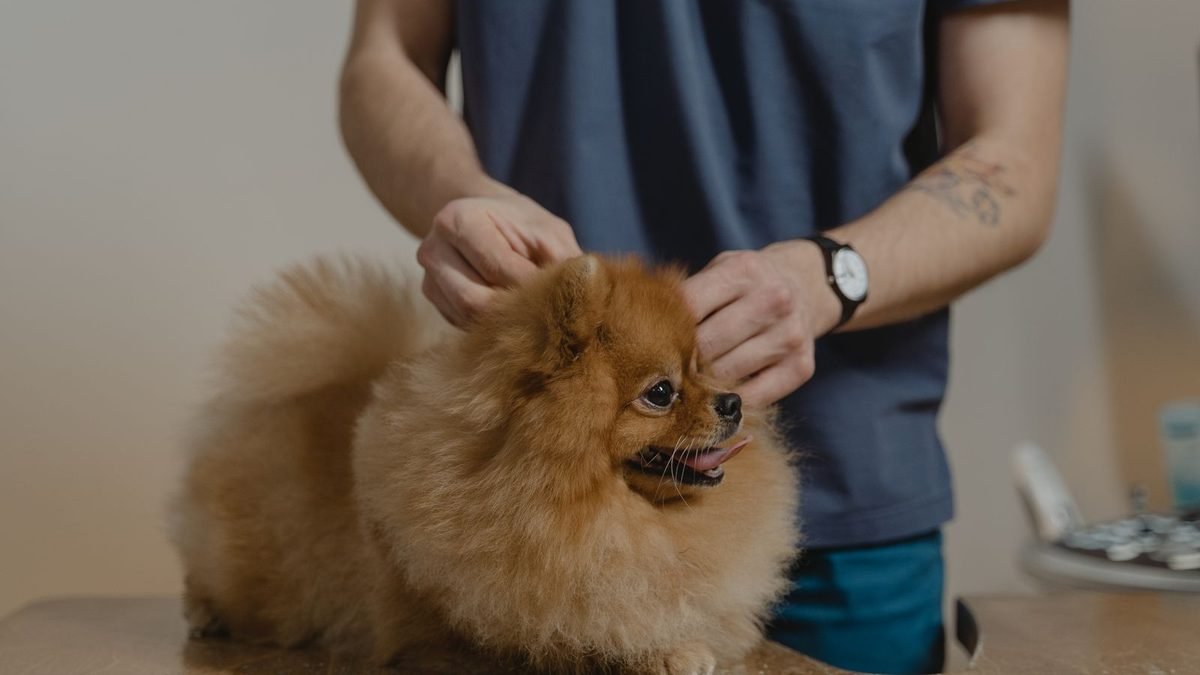
Tip: Do the skin check in daylight, on a dark towel or blanket, so the flakes and any specks show up clearly. Take a photo of the worst patch so you can compare it fairly in a week.
The 7 Causes, One by One
1. Dry Winter Air and Low Humidity
This was the biggest cause for Max, and also the easiest to miss, because it was not on his body at all: it was in the air of our home. When the cold weather arrived, our heating came on and stayed on, and the air inside turned dry. I could feel it on my own hands, which were cracking at the knuckles, but I did not connect it to my dog until a friend asked whether the flakes had started when the heating did. They had, almost to the week. Dry air pulls moisture from the skin, the skin sheds faster, and that is how dog dandruff suddenly piles up, especially along the back where the coat is thickest.

2. Bathing Too Often, or With the Wrong Shampoo
This one was my own fault, and I say that plainly because it might be yours too. Max loves muddy puddles, and in that wet month I was bathing him every few days to keep the house clean. I thought I was helping his skin, but every bath was washing away the natural oils that keep his coat and skin from drying out. Then, when the flakes appeared, I bathed him even more, which only made the dryness worse. It was a loop, and I was the one keeping it going with the best of intentions.
The shampoo mattered too. The bottle I had been using was strongly scented, and I had never thought to check whether it suited his skin. I switched to a plain, gentle, fragrance-free shampoo made for dogs, used lukewarm water instead of hot, and cut his baths back to when he was truly dirty rather than on a fixed schedule. The change was not instant, but after two weeks his coat stopped feeling like straw, and the flakes after brushing were far fewer. A bath should leave a dog’s coat clean and soft, not tight and dry, and that became my test for keeping dog dandruff suddenly in check.
3. Fleas and Other Tiny Skin Pests
Fleas were the first thing I checked, and the first thing our vet checked too, because fleas can make a dog’s skin flaky and itchy very fast. I parted Max’s fur around his tail, belly, and ears, looking for the tiny black specks flea dirt leaves behind. I also ran a fine comb through his coat over a white towel, a trick a groomer once showed me: real flea dirt turns reddish on a damp white cloth, while ordinary dust does not. I found nothing, and Max was not scratching the way a flea-bitten dog does, so I could cross this one off, but I was glad I had checked it properly instead of guessing.
If you do find fleas, do not panic, and do not reach for the strongest thing on the shelf. The steps that matter are simple ones I learned from that same groomer: wash the bedding, vacuum the places your dog sleeps, and talk to your vet about a suitable flea routine for your dog’s age and size. What I would not do is what I nearly did, which was to treat him for fleas on a guess when there were no fleas there at all. A treatment you do not need is one more thing on already unhappy skin, and it can hide the real reason dog dandruff suddenly appeared for another two weeks.
4. Food and Treats That Do Not Suit Him
Food was the hardest cause to think about, because it is slow and confusing, and I did not want to blame his dinner. But I had changed the flavour of his usual food about three weeks before the flakes appeared, and his aunt had started bringing a new kind of biscuit every Sunday. I am not saying a biscuit caused the flakes, and I never found proof that it did, but the timing made me stop and think. A dog’s skin reflects what he eats over weeks, not hours, so a food change and a skin change a few weeks apart are worth writing down, even if they turn out to be unrelated.
5. Seasonal Allergies, Dust, and Pollen
Max’s itching was worst after walks through long grass and on warm, windy days, and that pattern pointed me toward the world outside our front door. Pollen, dust, and grass can irritate a dog’s skin, and the irritation often shows up as flakes, scratching, and restless nights. I started to notice that dog dandruff suddenly looked worse the day after a long walk in the park, and better after a quiet day at home, which was the first time I had a clue that followed a pattern instead of just getting worse.
The habit that helped most was a damp cloth wipe-down after every walk. I kept a clean, soft cloth by the door, wiped his paws, belly, and legs when we came in, and brushed the loose dust out of his coat before it could sit against his skin overnight. It took two minutes, and it was the kind of small, repeatable step that actually stuck. If your dog’s flakes follow the same pattern as ours did, you will find a useful companion piece in my earlier article on home remedies for dog skin allergies, which covers gentle, at-home ways to calm itchy, irritated skin while you work out the cause.

6. Stress, Boredom, and Too Much Licking
The sixth cause was the hardest to see, because it was not on his skin at all. Max had started licking one spot on his front leg in the evenings, and I had written it off as a habit, but the skin under that spot was getting dry and flaky too. Dogs lick when they are bored, unsettled, or left alone for long stretches, and the constant licking dries the skin and breaks the coat. Our evenings had changed: I was working later, our walks were shorter, and Max was spending more time alone in the flat. His skin was telling the story of his days, and dog dandruff suddenly showing up was part of that story.
Fixing this one cost nothing and helped more than I expected. I moved his evening walk earlier so he was tired before dark, gave him a chew and a puzzle feeder when I left, and kept our bedtime routine the same every night. The licking faded within a couple of weeks, and the flaky patch on his leg faded with it. If your dog’s flakes sit in one licked or chewed spot, look at his day before you look at his skin: boredom and worry show up in a coat more often than we think.
7. A Health Change Underneath It All
The last cause is the one I could not check at home, and the reason this article is not a substitute for a vet visit. Sometimes dog dandruff suddenly appears because something has changed inside the dog, not around him: a skin infection settling in, a change in his general health, or a condition that only a vet can identify with a proper examination. I am not going to guess at names or treatments here, because that would be irresponsible, but I want to be honest that this cause belongs on the list, and it is the one to rule out when the other six do not explain what you are seeing.
What Helped My Dog (and What Did Not)
After a month of one change at a time, the things that genuinely helped Max were almost embarrassingly simple. Fewer, gentler baths with lukewarm water and a plain, fragrance-free shampoo. A damp cloth wipe-down after walks. Clean, dry bedding washed often. Gentle brushing with a soft brush, which lifted the loose flakes and dust without scraping his skin. A bowl of water near the radiator and a steadier evening routine helped too. None of these were dramatic, and none of them worked overnight, but together they turned his coat from dry and dusty back to soft and smooth, and the dog dandruff suddenly faded with it over about five weeks.
What did not help is just as worth writing down. Bathing him twice a week made the dryness worse. A strongly scented shampoo left his coat feeling tight. Scrubbing the flaky patches with a rough brush only irritated the skin underneath. And changing three things in the same week left me with no idea what had worked, which meant I wasted a fortnight repeating steps that did nothing. The lesson I keep coming back to is this: change one thing, watch for a week, write it down, and only then change the next thing. Slow and steady is not exciting, but it is how I finally found the answer.
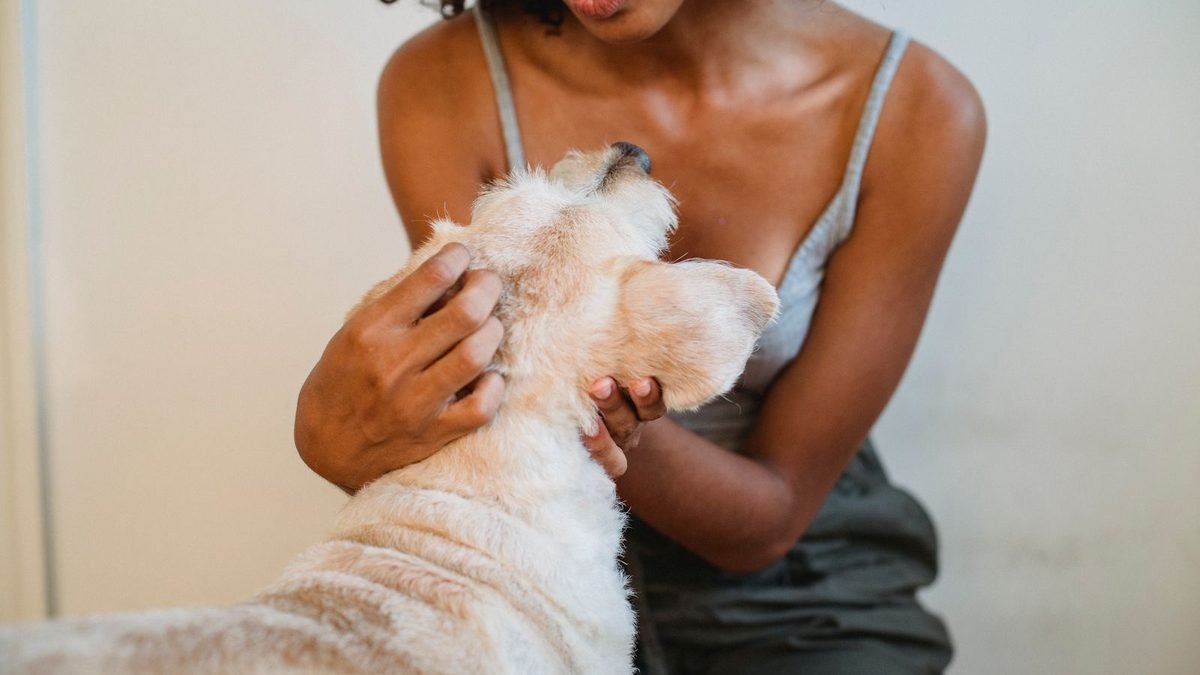
Tip: Keep one soft brush by the door and one towel by his bed. A short, gentle brush before the evening walk lifts loose flakes and dust, and takes less than two minutes.
What to Avoid When Your Dog Has Dandruff
- Hot water, which dries the skin and makes flaking worse.
- Bathing every day, which strips the coat of the oils that protect it.
- Scented shampoos, sprays, and strong detergents near his bed and skin.
- Scrubbing flaky patches hard with a rough brush or cloth.
- Changing his food, shampoo, and bedding all in the same week.
- Letting him lick one spot for hours without a break or a distraction.
When to See a Vet
Home care has a clear limit, and I learned to respect it. I called our vet when the flakes kept spreading after two weeks of gentle care, and I was glad I did, because the visit ruled out the deeper causes I could not check at home. Go sooner if the skin looks broken, sore, or smelly, if your dog is scratching until he bleeds, losing patches of fur, or seems unwell in himself. Tell the vet when the flakes started, what changed before they appeared, and what you have already tried, and bring the photo of the worst patch. For background reading, the AKC guide to dry skin in dogs explains the signs vets look for.
Please remember: This article is for general information only and is not veterinary advice. Always consult a licensed veterinarian for your dog’s health.
A Simple Weekly Routine That Kept the Flakes Away
Once the worst of the flakes had eased, I kept a small weekly routine so they would not creep back. A gentle brush twice a week, a wipe-down after muddy walks, clean bedding washed every weekend, and a two-minute skin check every Sunday while Max dozed after breakfast. A bath came out only when he was truly dirty. That steady rhythm is what kept his coat soft long after the dog dandruff suddenly first flared up, and it takes less time in a week than one panicked evening of searching the internet ever did.
Dog Dandruff Suddenly: Frequently Asked Questions
Why did my dog get dandruff all of a sudden?
In our case, dog dandruff suddenly came from several small changes adding up: dry heated air, extra baths, and a new shampoo. Look back over the last two to four weeks for changes in weather, food, shampoo, bedding, or routine, and check the skin itself for fleas, redness, or sore patches before you change anything else.
How long does dog dandruff take to clear up?
Max’s coat took about five weeks of gentle, steady care to feel soft again, with the flakes thinning after roughly two weeks. Skin takes time to recover, so give one change at least a week before you judge it, and see a vet if the flakes keep spreading instead of easing.
Should I bathe my dog more often to wash the flakes away?
I would not. Extra baths made Max’s flakes worse, because they stripped the oils from his coat. Bathe him only when he is truly dirty, use lukewarm water and a gentle, fragrance-free shampoo, and dry him properly in a warm room afterwards.
What I Would Do Differently Now
If I could start again, I would check his skin properly on the first day, write down every change on the fridge, and book the vet visit in the first week instead of the third. I would also stop bathing him so often, because the kindest thing I did for his coat was to leave it alone and let it recover. If your dog’s coat has suddenly turned flaky, start with the gentlest step tonight, and you can find more of our care stories on the blog.
Start tonight: part his fur in daylight, take a photo of the worst patch, and write down everything that changed in the last month. Small, steady steps beat quick fixes every time.