
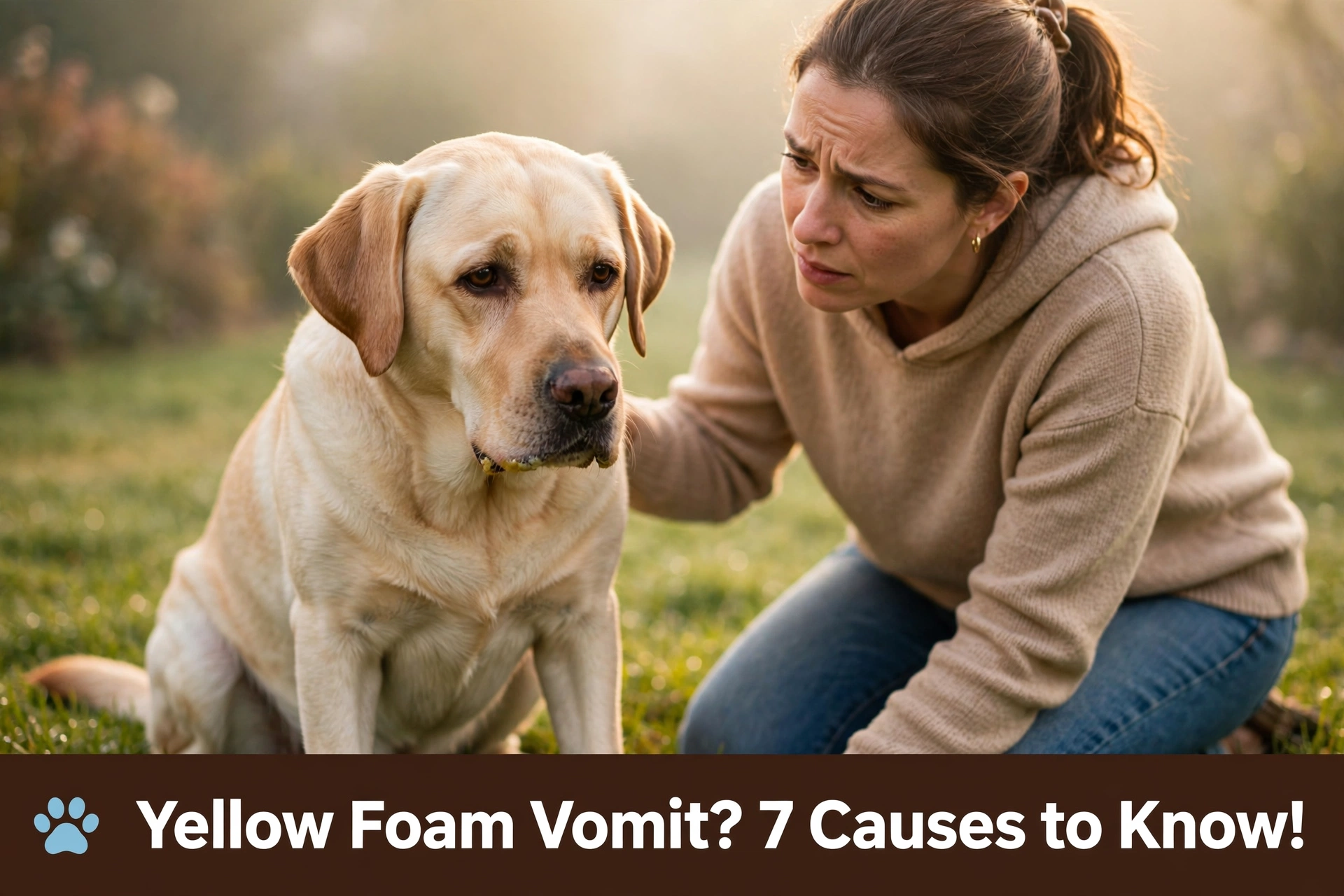
It was just after five in the morning when I heard the retching from the hallway. My dog was standing by the back door, and on the floor was a small puddle of bright yellow foam. I had never seen anything quite like it, and my first thought was that something was badly wrong. That morning sent me searching for answers, and the question I kept typing was why does my dog throw up yellow foam — the same question you are probably asking right now. This is the story of what I found, what I watched for, and what finally helped.
Table of Contents
What Yellow Foam Actually Is
The first thing I did was look closely at what was on the floor, because I wanted to describe it properly to my veterinarian. It was not food. It was a thin, yellow, bubbly liquid, almost like dish soap foam, with no lumps in it at all. The yellow colour comes from bile, a fluid made in the liver that helps the body digest fat. When a dog’s stomach is empty, there is nothing to bring up except bile and stomach fluid, and the retching whips air into it. That is why it looks foamy instead of looking like ordinary vomit.
Foam is not the same as yellow vomit with food in it, and that difference helped me stay calm. Food in the vomit usually points to something eaten too fast, a rich meal, or an upset stomach after eating. Foam on an empty stomach points more often to bile sitting in an empty stomach overnight. I had never asked why does my dog throw up yellow foam before, because I had never seen foam like this. My dog’s foam appeared before breakfast, when his stomach had been empty for ten or eleven hours. Once I understood that, the morning pattern started to make sense.
Why Does My Dog Throw Up Yellow Foam in the Morning?
This was the question that mattered most to me, because the pattern was so regular. I kept asking myself why does my dog throw up yellow foam only in the morning, never after lunch or dinner. Almost every episode happened between five and six in the morning. I started keeping a small notebook by the kettle and wrote down the time, what he had eaten the night before, and how he seemed afterwards. The pattern was clear within a week. He ate dinner at six in the evening, slept through the night, and then brought up yellow foam just before his morning meal. His stomach had simply been empty for too long.
A veterinarian I spoke with later explained the idea in plain words. Bile flows into the small intestine all the time, and a little of it can wash back into an empty stomach overnight. There, it can irritate the stomach lining, and the dog’s body answers by vomiting. This is often called bilious vomiting syndrome, and it is one of the most common reasons for early morning yellow foam. The AKC explains bilious vomiting syndrome in dogs in more detail, and reading it helped me understand why the timing was so regular.
The idea changed how I fed him. Instead of one early dinner and a long overnight fast, I split his food into smaller meals and added a small late-evening snack. I did not change his food or add anything new, because I wanted to see what one change would do. Within four mornings, the foam stopped. It came back once, on a night when we had skipped the snack because we were out late. That was the answer to why does my dog throw up yellow foam for my dog, and it was simpler than I had feared.
Key takeaway: If the foam appears mainly before breakfast and your dog is bright and hungry afterwards, an empty stomach overnight is the first pattern to check. Keep a simple note of the time and the last meal for a week before you change anything else.
Why Does My Dog Throw Up Yellow Foam? The 7 Causes
The question of why does my dog throw up yellow foam has more than one answer, and I did not want to assume my dog’s cause was the only one. I read widely, talked with my veterinarian, and kept notes on what fitted my dog and what did not. These are the seven causes that kept coming up, in the order I checked them. Read them one by one, and see which pattern looks most like your dog’s.
1. An Empty Stomach Overnight (Bilious Vomiting Syndrome)
This is the cause that fitted my dog best, and it is the one most owners meet first. A dog that eats dinner early and then waits twelve hours or more for breakfast has a long stretch with nothing in the stomach. Bile can collect there overnight and irritate the lining, and the dog vomits yellow foam in the early hours. My dog was always fine afterwards, ate his breakfast with enthusiasm, and played as usual. That quick recovery was the clue that pointed to an empty stomach rather than something more serious.
What helped us most was shortening the overnight fast. I moved dinner a little later and gave a small snack, about a tenth of his daily food, just before bed. I kept the snack plain and familiar, the same food he already ate, so nothing new could upset him. I also kept his morning meal at the same time every day, so his stomach could settle into a routine. If you are wondering why does my dog throw up yellow foam every morning and he is otherwise well, this is the first cause to test, with your veterinarian’s guidance.
2. Eating Too Fast or Too Much at Once
Some dogs swallow their food as if it is a race, and the stomach answers by sending some of it back up. When that happens on an empty stomach in the morning, the vomit can be yellow foam rather than food. I watched my dog eat for a few days and noticed he finished his bowl in under a minute. He also gulped water straight after eating. Fast eating fills the stomach with air as well as food, and that air can turn bile into foam when the dog retches.
The fix I tried was simple and cheap. I spread his food across a flat tray instead of a deep bowl, and I split his morning meal into two smaller portions given ten minutes apart. It slowed him down without any special equipment. Within a few days, he was eating more calmly, and the hurried gulping stopped. If your dog inhales food and the foam comes after meals as well as before them, eating speed is worth a closer look.
3. A Rich Meal, a New Food, or Something Scavenged
A rich meal can upset a dog’s stomach for hours, and the trouble often shows up the next morning. I remembered a weekend when a relative had slipped my dog a piece of fatty roast, and he brought up yellow foam the next day at dawn. A new food, a sudden change of brand, or something found on a walk can do the same. Sometimes the answer to why does my dog throw up yellow foam is very ordinary: a rich treat the day before. I learned to ask guests not to feed him from the table, however much he begged.
4. An Upset Stomach or Mild Gastritis
Gastritis is a word for an irritated stomach lining, and it can make a dog vomit yellow foam even when nothing else seems wrong. My dog had a spell like this after a stressful weekend with builders in the house. He was restless, he licked his lips more than usual, and he turned away from his breakfast. The foam appeared for three mornings in a row, then faded as the house went quiet again. Stress, a change of routine, or a mild stomach upset can all irritate the lining in the same way.
5. Something Stuck or Blocking the Gut
This is the cause I worried about most, because it can turn serious quickly. Dogs swallow socks, stones, bits of toy, and corn cobs, and a blockage can stop food moving through as it should. The dog may vomit yellow foam because nothing else can pass, and the retching can become repeated and unproductive. My dog once swallowed a piece of a rubber toy, and for a day he kept trying to vomit with almost nothing coming up. That is very different from the single morning episode I described earlier, and it frightened me enough to call the veterinarian at once.
Watch for repeated retching, a swollen or painful belly, straining without producing anything, and a dog that will not eat or drink. If your dog has chewed something up recently and the foam keeps coming, do not wait to see if it passes. This is not a cause to manage at home. It needs a veterinarian, and the sooner the better. I keep a note of what my dog has chewed or swallowed, and I check his toys for missing pieces every week now.
6. Parasites or an Infection
Worms and other parasites can irritate a dog’s gut and cause vomiting, and infections can do the same. A dog with parasites may also have loose stools, a dull coat, a swollen belly, or weight loss even though it eats well. My neighbour’s dog had roundworms, and the first sign was yellow vomit in the morning, followed by a very round belly. My own dog is on a regular worming routine, and his veterinarian checks a stool sample when anything changes. If your dog has not been wormed recently, or has been around other dogs a lot, this cause deserves a place on your list.
Infections can arrive with a fever, tiredness, or diarrhoea alongside the vomiting. A dog that makes you ask why does my dog throw up yellow foam and also has diarrhoea is losing fluid from both ends, and that can dehydrate a small dog quickly. Keep fresh water available, note how often the vomiting happens, and call your veterinarian if it carries on. Do not try to guess which parasite or infection it might be; that is a job for tests, not for guesswork.
7. A Deeper Health Problem, Such as Pancreatitis or Liver Trouble
Sometimes yellow foam is a sign of a deeper problem, such as inflammation of the pancreas or trouble with the liver or kidneys. These are less common answers to why does my dog throw up yellow foam, but they matter, because they do not get better with a late-night snack. A dog with one of these problems may vomit often, lose weight, drink more water than usual, or seem tired for days rather than bouncing back after breakfast. My veterinarian explained that blood tests are usually the way these problems are found, and that early checks make a real difference.
I do not list this cause to frighten you, but to help you know when to stop watching and start acting. If the foam keeps coming for more than a few days, if your dog is losing weight, or if vomiting comes with other changes such as drinking a lot more or seeming dull, book a veterinary visit. A short check can rule out the serious causes and give you peace of mind. That peace of mind was worth every penny when I finally took my dog in.
Key takeaway: Most dogs I read about had cause 1, an empty stomach, but causes 5 and 7 need a veterinarian, not a home experiment. Match the pattern to your dog, and act on the pattern, not on fear.
What to Check First When Your Dog Throws Up Yellow Foam
When my dog brought up yellow foam, I learned to pause before I panicked. The first thing I checked was my dog himself, not the puddle. Was he bright or dull? Did he want his breakfast? Was he drinking water? A dog that is bright, hungry, and drinking after vomiting is in a very different place from a dog that is flat, refusing food, and hiding away. This quick check became my habit, and it still is.
- Time: note when the foam appears and how often it happens.
- Food: note the last meal, any treats, and anything scavenged.
- Water: check that your dog is drinking and passing urine as usual.
- Energy: note whether your dog is bright, tired, or restless afterwards.
- Other signs: look for diarrhoea, blood, a swollen belly, or pain.
What Helped My Dog: Simple Care Steps That Made a Difference
I am not a veterinarian, and nothing here is a prescription. These are the simple care steps that helped my dog once I understood the answer to why does my dog throw up yellow foam in his case. The biggest change was the feeding routine. I gave dinner a little later, added a small plain snack before bed, and kept breakfast at the same early time every morning. I also split his food into three smaller meals during the day, which kept his stomach from sitting empty for long stretches.
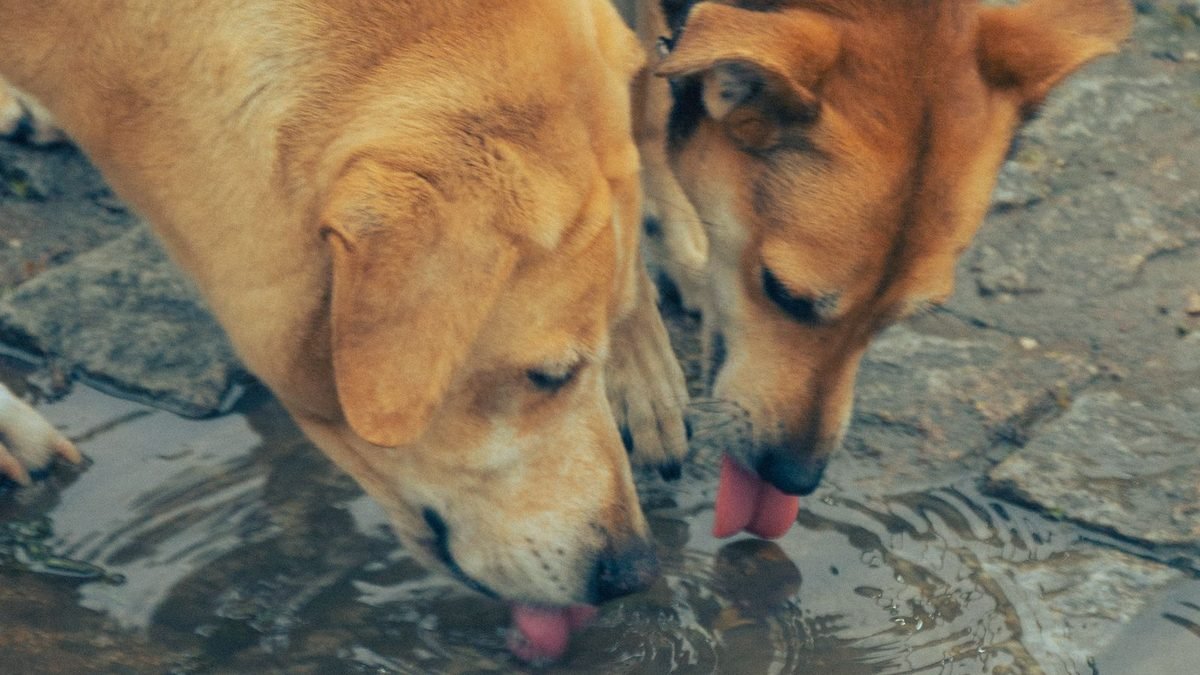
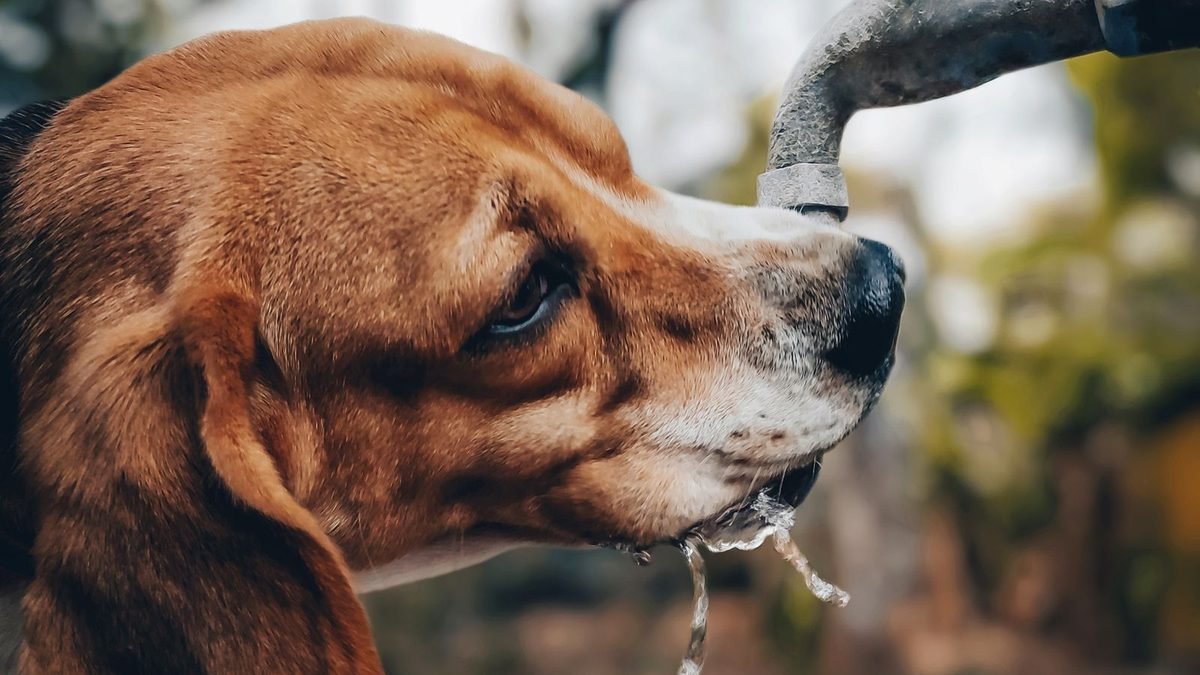
The second change was water. I put a fresh bowl down every morning and another by the back door, and I cleaned both bowls daily. A dog that has vomited needs water nearby, because vomiting loses fluid. I also kept his routine calm in the evenings, with a gentle walk and a quiet hour before bed. Stress had made his stomach worse before, and a calm evening seemed to help his mornings. Small, steady changes beat big, sudden ones every time. I kept notes the whole time, and I would do the same again, because notes turn worry into information that helps a veterinarian help your dog.
What to Avoid When Your Dog Vomits Yellow Foam
I made a few mistakes in my first week of asking why does my dog throw up yellow foam, and they are worth sharing so you can skip them. The first was skipping his breakfast to rest his stomach after the foam appeared. He only vomited again the next morning, because his stomach stayed empty even longer. The second was offering rich, tempting food to cheer him up, which upset his stomach further. The third was searching the internet at midnight and convincing myself of the worst.
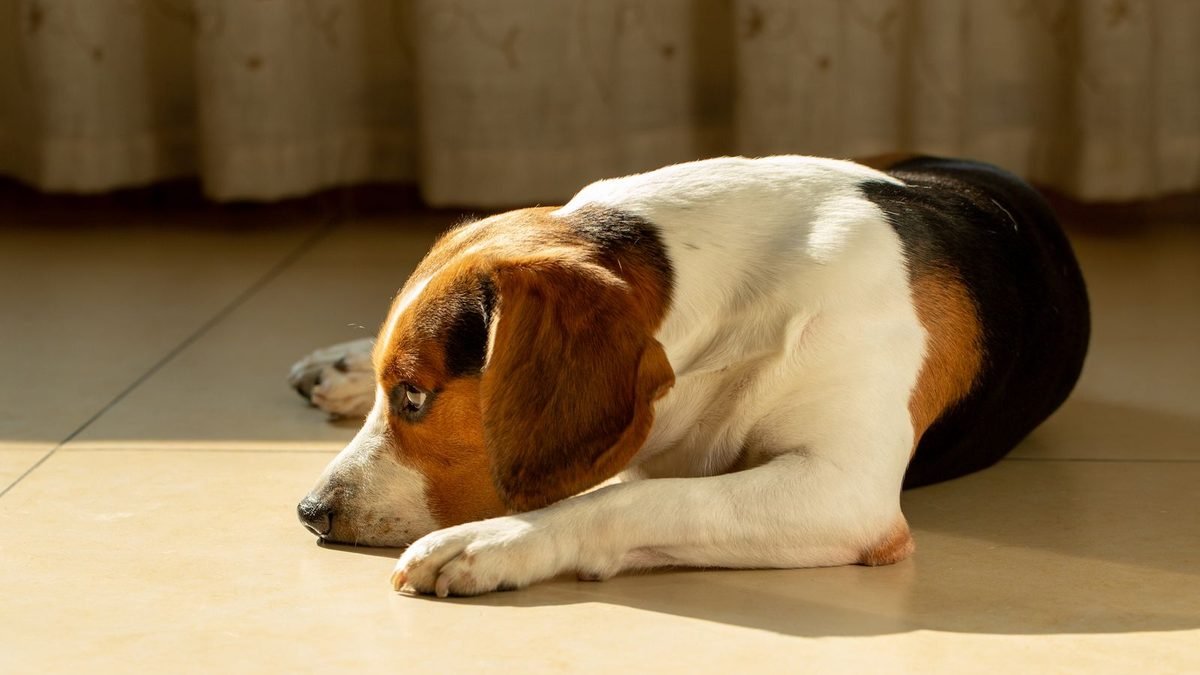
Avoid changing his food suddenly, offering table scraps, or giving any medicine or remedy meant for people. Human medicines can be harmful to dogs, and the wrong one can turn a small problem into a serious one. Avoid fasting him for a whole day unless your veterinarian tells you to, and avoid ignoring repeated vomiting because he seems fine. If you are unsure, a phone call to your veterinarian is always better than a guess.
Red Flags: Call Your Veterinarian Now
The question of why does my dog throw up yellow foam is best answered by watching the whole dog, not just the puddle. Most dogs that bring up yellow foam once in the morning and then eat happily are dealing with an empty stomach. But some signs mean you should not wait. If you see any of the signs below, call your veterinarian straight away, even in the middle of the night.
- Vomiting again and again, or retching without bringing anything up.
- Blood in the vomit, or vomit that looks like coffee grounds.
- A swollen, hard, or painful belly.
- Your dog will not drink, or cannot keep water down.
- Diarrhoea alongside the vomiting, or signs of dehydration such as dry gums.
- Lethargy, collapse, weakness, or trouble breathing.
- Vomiting that carries on for more than a day or two, or keeps coming back.
- Your dog is a puppy, an older dog, or already has a health condition.
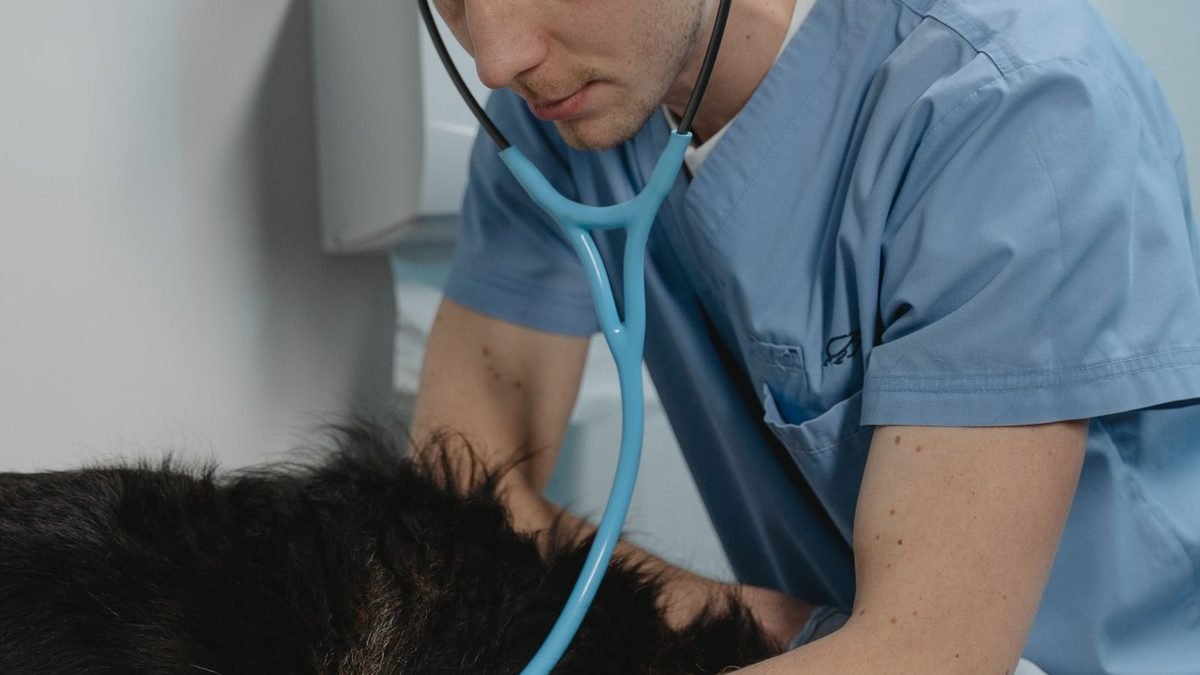
Frequently Asked Questions About Yellow Foam Vomit
Why does my dog throw up yellow foam every morning?
In my dog’s case, the answer to why does my dog throw up yellow foam was an empty stomach overnight. Bile collected in his stomach during the long gap between dinner and breakfast, irritated the lining, and he brought up yellow foam just before his morning meal. A small late-evening snack and a slightly later dinner broke the pattern for us.
Is yellow foam vomit an emergency?
A single episode in the morning, after which your dog is bright and hungry, is usually not an emergency. It becomes urgent if the vomiting repeats, if there is blood, if your dog will not drink, or if the belly is swollen or painful. Puppies, older dogs, and dogs with other health conditions need quicker attention.
Should I feed my dog after it vomits yellow foam?
My dog always wanted his breakfast after vomiting, and I gave him a small, plain meal once he had settled and was asking for food. I kept the portion smaller than usual and watched how he did with it. If he had vomited several times or would not drink, I would have called the veterinarian instead of feeding him.
How is yellow foam different from yellow bile vomit?
The two are closely related, and the words are often used for the same thing. Bile is the yellow fluid itself, and foam is what you see when bile mixes with stomach fluid and air during retching. My earlier reading on yellow bile helped me see the difference between foam on an empty stomach and vomit with food in it. If you want to compare the two, read our guide Dog Throwing Up Yellow Bile: 7 Causes and Emergency Signs.
My Final Thoughts
The morning I found yellow foam on my floor, I felt helpless, and I would not wish that feeling on any dog owner. I had typed why does my dog throw up yellow foam into my phone before I had even cleaned the floor. A few weeks of watching, noting, and making small changes taught me that my dog’s problem had a simple cause and a simple answer. Not every dog will be the same, and that is why I have written this as a story rather than a list of instructions. Use what fits your dog, watch him closely, and let your veterinarian guide the rest.
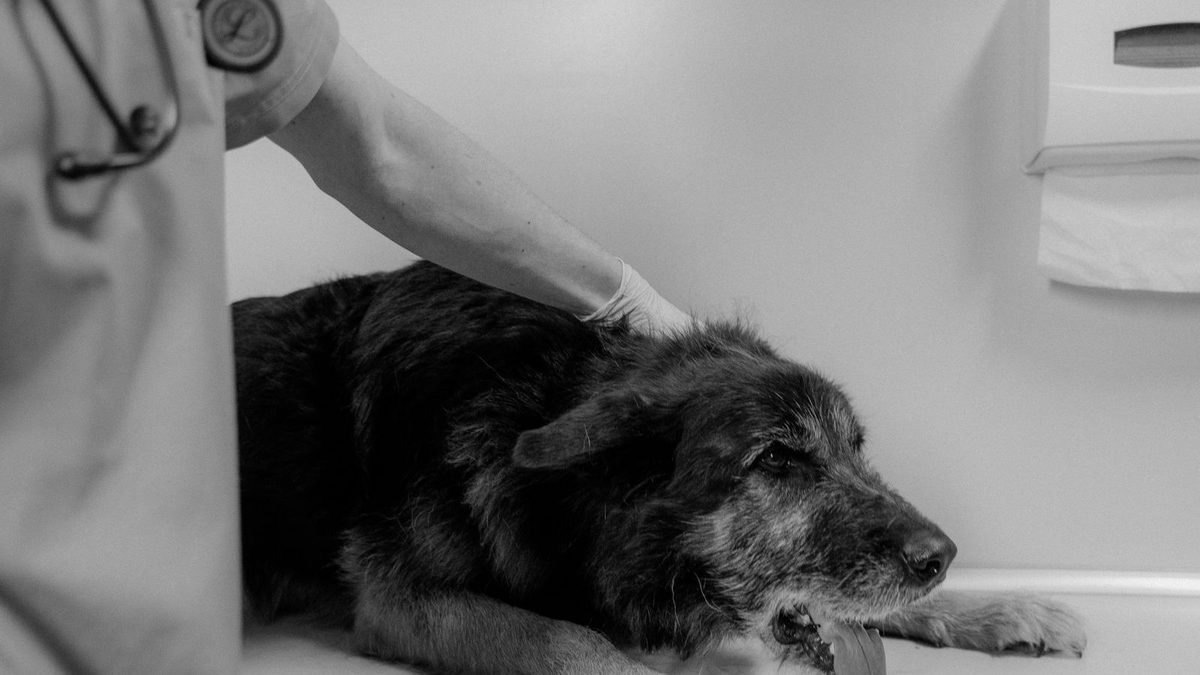
If this article helped you, you may also like to browse our blog for more stories and guides about looking after dogs at home. Give your dog a gentle pat from me, keep that notebook by the kettle, and I hope tomorrow morning brings a clean floor and a hungry, happy dog.
This article is for general information only and is not veterinary advice. Always consult a licensed veterinarian for your dog’s health.