
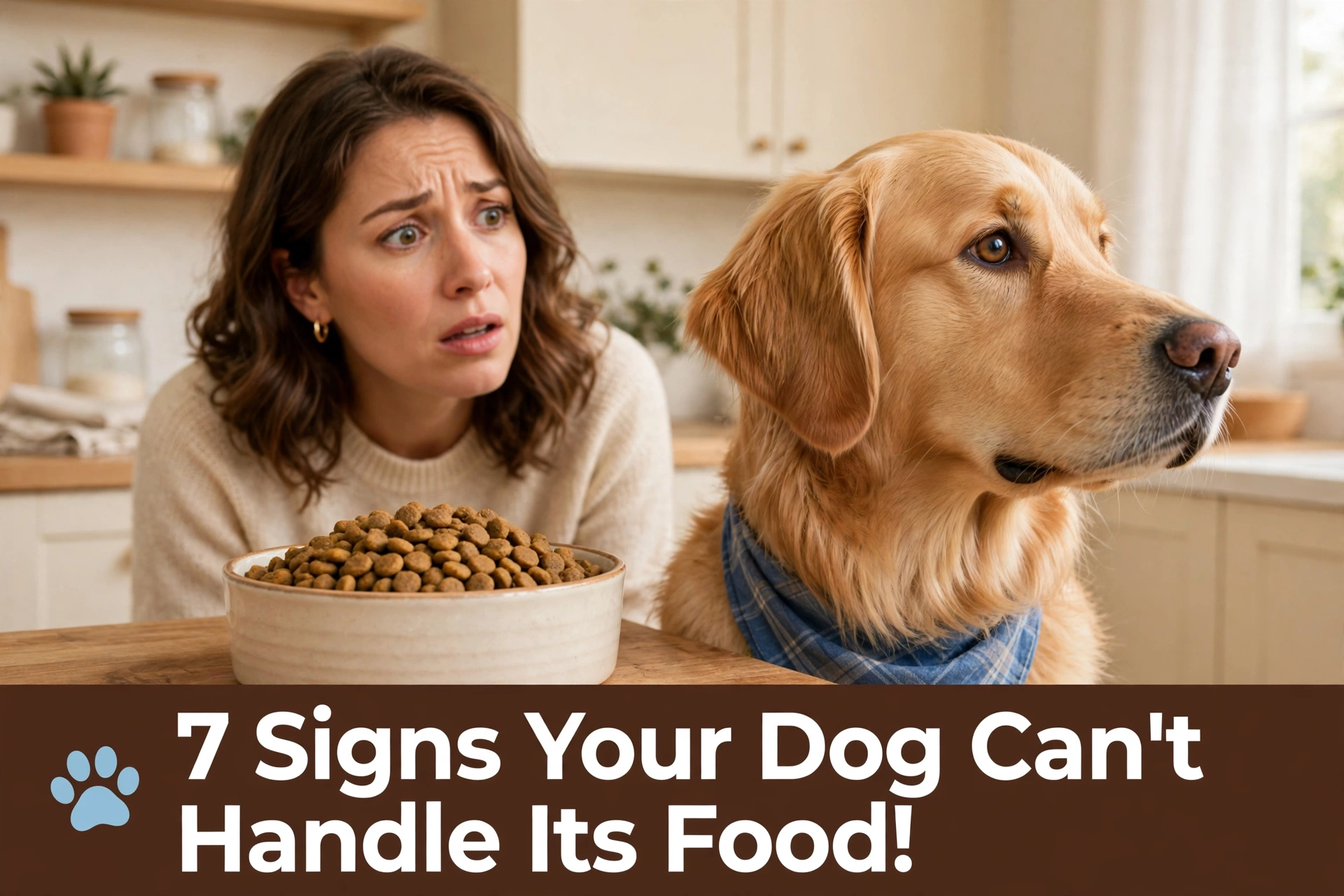
For weeks, I watched my dog finish his dinner, then spend the evening with an upset stomach and itchy skin, and I had no idea why. I changed his treats, I changed his feeding times, and I even blamed the weather, but the pattern kept coming back after meals. That is when I started learning about food intolerance signs in dogs, and once I knew what to look for, everything finally made sense. In this article, I will share the seven signs I saw in my own dog, my simple food diary, and the gentle diet changes that helped him feel like himself again.
Table of Contents
How I First Noticed Something Was Wrong With My Dog
It started quietly. My dog would eat his dinner with his usual excitement, tail wagging and bowl empty in minutes, and then, about an hour later, he would start licking his paws and scratching behind his ears. At first I thought he was just being a dog. Dogs scratch, I told myself, and every dog has an off day now and then. But the scratching kept coming back, always after meals, and his belly made soft gurgling sounds that I could hear from across the room.
Then came the mornings I dreaded. Some days his stools were loose, some days they were fine, and I could never predict which one I would find in the garden. His energy dipped too. The dog who used to race me to the gate started walking slowly behind me, and he left a little food in his bowl, which he had never done before. I took him to our vet, who checked him over and said he looked healthy, but suggested I watch what happened around food. That one suggestion changed everything, because it turned my guessing into a plan.
Looking back, the clues had been there for weeks, and I simply had not connected them. A little scratching here, a gurgly belly there, a skipped meal now and then. On their own, each one seemed small, but together they told a clear story. That is why I want to walk you through the food intolerance signs in dogs one by one, so you can spot them early in your own dog. If even two or three of these sound familiar, keep reading, because the fix may be simpler than you think.
Food Intolerance vs. Food Allergy: The Simple Difference
Before I explain the signs, it helps to know the difference between an intolerance and an allergy, because the two get mixed up. In my own words, a food intolerance means my dog’s digestion struggles with something in his food, so the trouble shows up slowly, hours after a meal. A food allergy, on the other hand, involves the immune system and can come on fast, sometimes with swelling or breathing trouble. Both deserve a vet’s attention, but food intolerance signs in dogs tend to build up quietly over days and weeks, which is why they are so easy to miss.
My vet explained it to me like this: an intolerance is more like a stomach that says no, while an allergy is more like a body alarm going off. Neither one is something to guess about on your own, and if your dog ever struggles to breathe or swells up after eating, that is an emergency, not a wait-and-see moment. If you want a deeper explanation of how allergies work, the American Kennel Club’s guide to food allergies in dogs is a helpful read. For the rest of us, the day-to-day signs below are the ones that matter most.
Key takeaway: intolerance usually builds slowly after meals, while an allergy can come on fast. If your dog swells up or struggles to breathe after eating, call your vet right away.
The 7 Food Intolerance Signs in Dogs I Saw in My Own Dog
Here are the seven signs, in the order I noticed them. I have written them the way I saw them, not the way a textbook lists them, because real life is messier than a checklist. Some days my dog showed two signs at once, and some days he showed none at all. That on-and-off pattern is normal with food trouble, and it is also what makes it so confusing. If you read this list and start nodding along, trust that feeling and start keeping notes.
Sign 1: Itchy Skin That Never Seemed to Settle
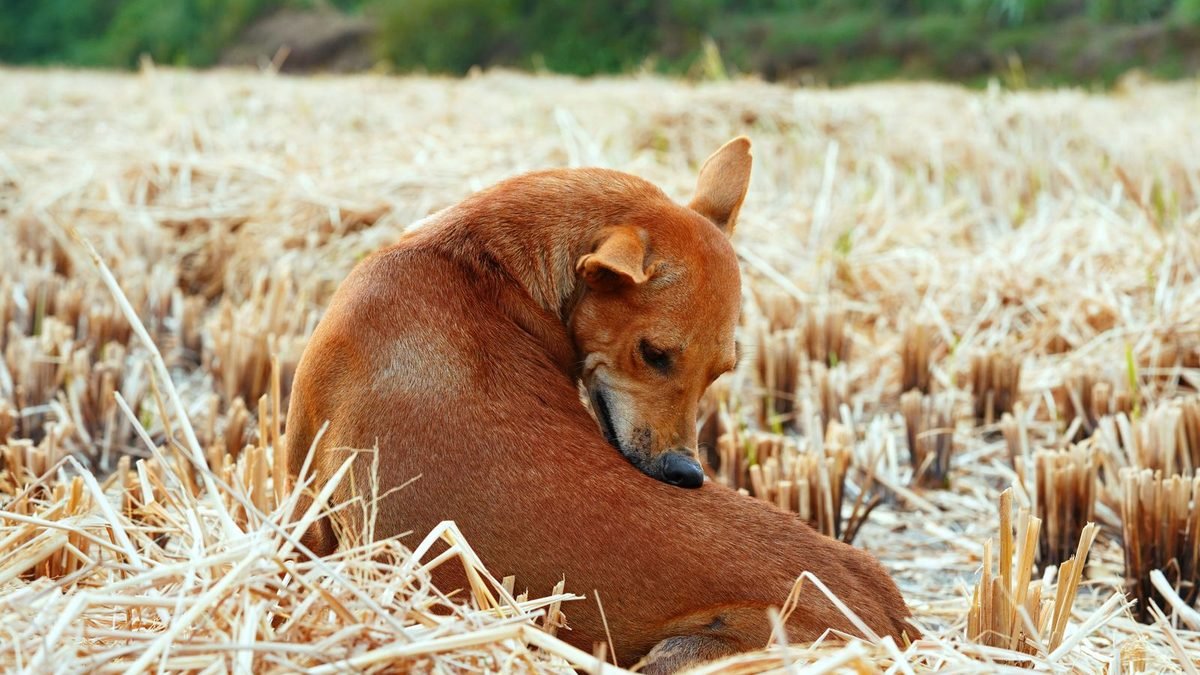
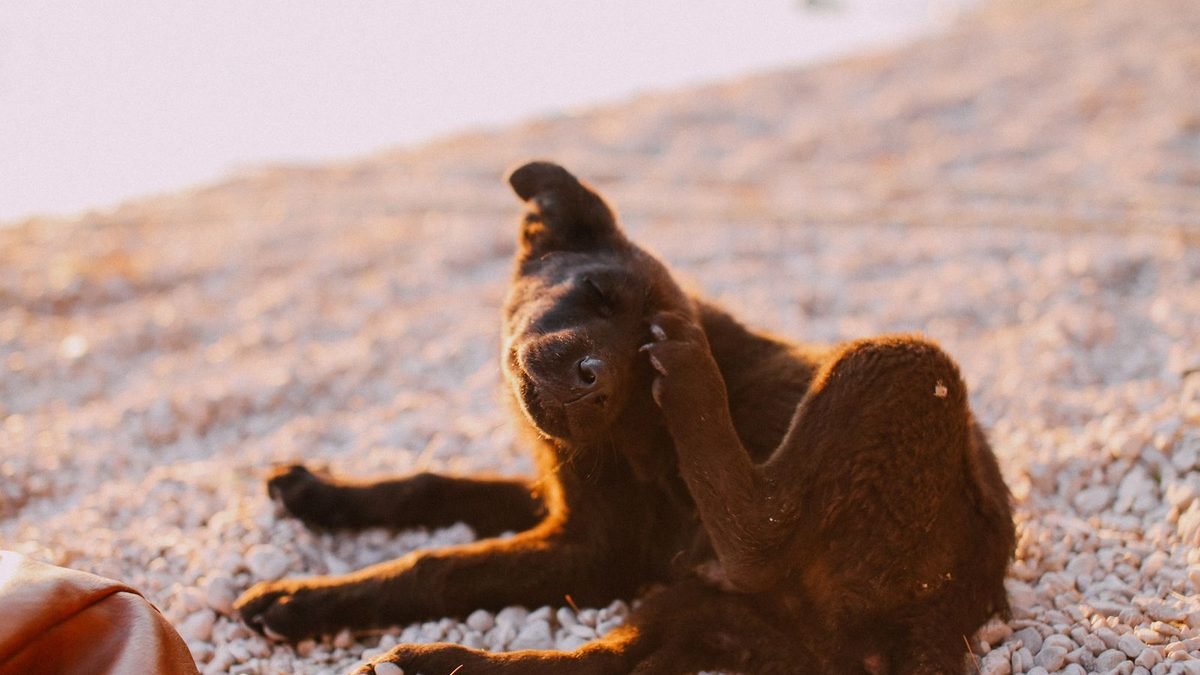
The first sign was also the most obvious, and the one I ignored the longest. My dog started scratching his belly and sides more than usual, then licking his paws after every meal, as if something under his skin was bothering him. I checked him for fleas and changed his shampoo, but the itching always came back. Looking back now, I know that itchy skin is one of the most common food intolerance signs in dogs, and it was my dog’s way of telling me that something in his bowl did not agree with him.
What finally made me connect the dots was the timing. The scratching always started an hour or two after dinner, never first thing in the morning. His skin looked a little pink on his belly, and he would rub his face along the sofa cushions, trying to scratch an itch he could not reach. If your dog scratches more after meals than at any other time, write it down. That pattern is worth more than any single scratch.
Sign 2: An Upset Stomach After Meals
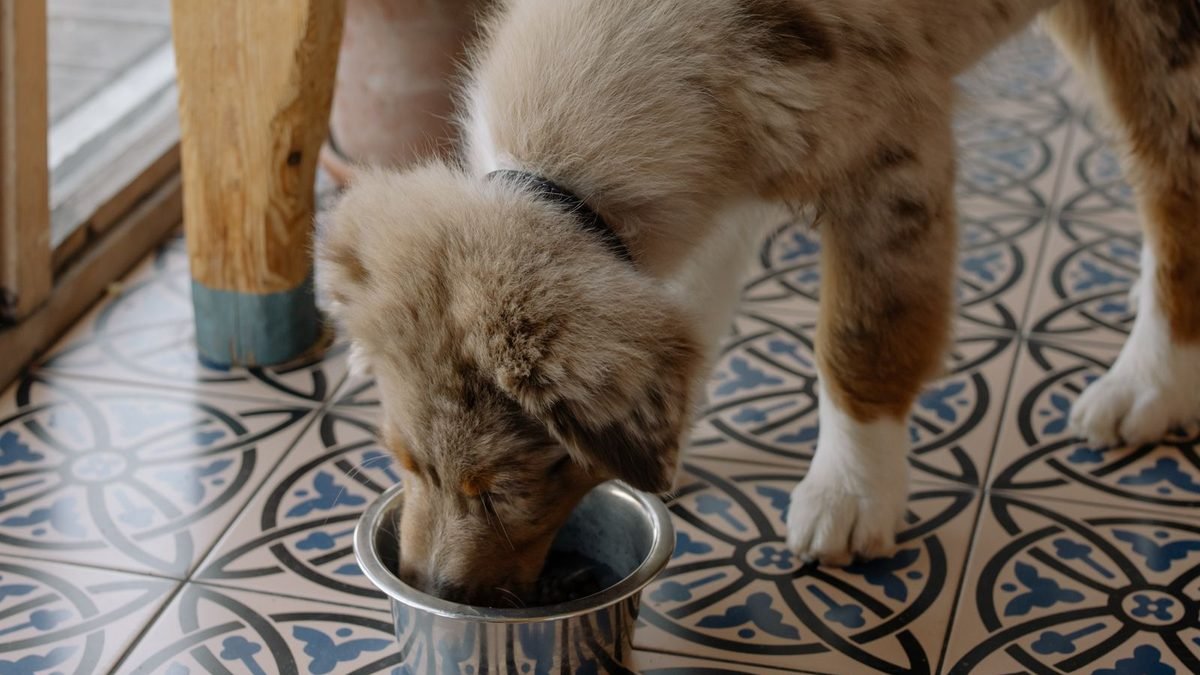
The second sign was the one that worried me most. About an hour after eating, my dog would get restless, pace around the kitchen, and sometimes ask to go outside at strange times. His stomach made loud gurgling sounds, and once or twice he brought his food back up. I felt guilty every time, but I had only fed him his normal food. An upset stomach that keeps following meals is a classic sign that the food itself is the problem, not the dog.
What helped me was noticing the gap between the meal and the trouble. If the upset stomach always started in the same window after eating, that was my clue. A one-off upset stomach can happen to any dog, after stolen food or a stressful day, but a pattern that repeats after the same meals points to the food. Among the food intolerance signs in dogs, this one is the easiest to track, because the clock does half the work for you.
Sign 3: Loose Stools That Came and Went
Loose stools were the sign I found hardest to talk about, but they were impossible to ignore. Some mornings everything looked normal, and other mornings it was soft and messy. I kept wondering if he had eaten something in the garden, but the pattern followed his meals too closely for that. His stools would firm up for a few days, then go soft again, each soft spell following a particular meal. That up-and-down pattern is typical when a dog’s digestion is struggling with something in the food.
If you notice this, do not panic, but do take it seriously. Keep a simple note of which days are loose and what your dog ate the day before. One soft stool means very little on its own. A week of alternating firm and loose stools, always after the same kind of meal, is one of the food intolerance signs in dogs that owners most often overlook. That note became the first page of my food diary, and it turned out to be the most useful thing I did.
Loose stools that come and go are worth tracking, and our guide to Dog Diarrhea but Acting Normal explains what to watch for when your dog still seems like himself.
Sign 4: Gas and a Noisy, Gurgly Belly
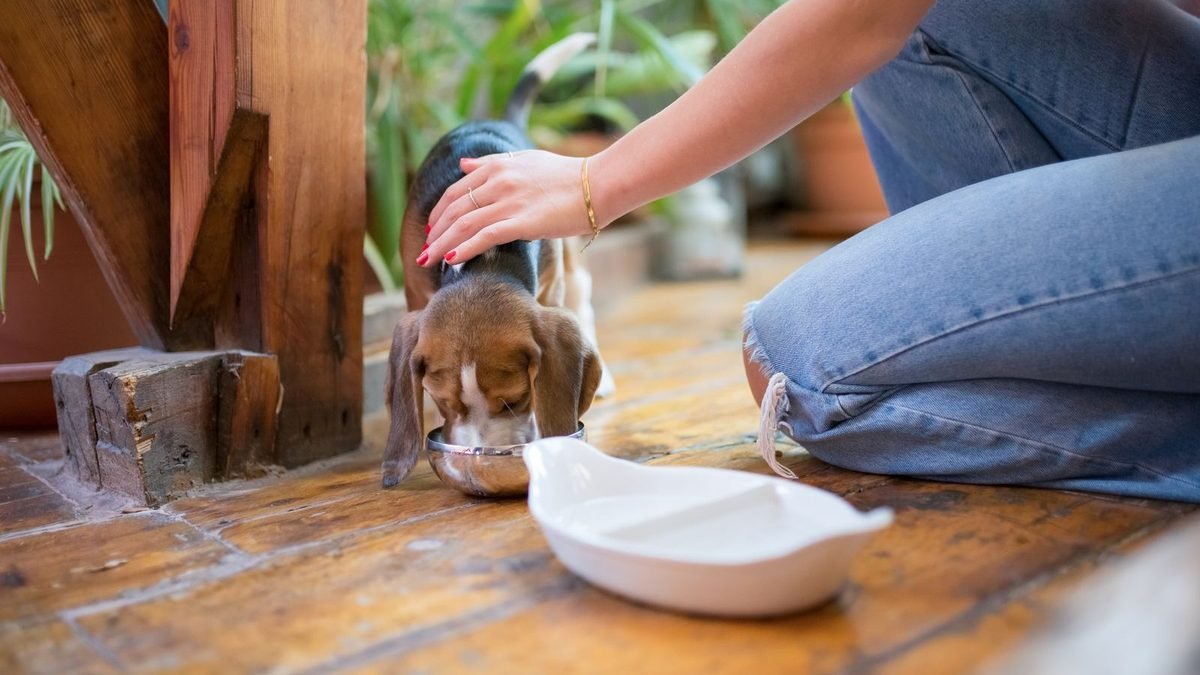
This one made me laugh at first, and then it made me pay attention. My dog’s belly started rumbling so loudly after dinner that I could hear it from the sofa, and the gas that followed was, well, impossible to miss. A little gas is normal, but this was different: it happened every single evening, and it came with a swollen-looking belly that felt tight when I touched it. That combination of noise, gas and a tight belly told me his digestion was working much harder than it should.
Gas on its own can have several causes, and our guide to Dog Gas and Bloating explains the common ones and how to prevent them.
Sign 5: Red, Irritated Ears and Constant Paw Licking
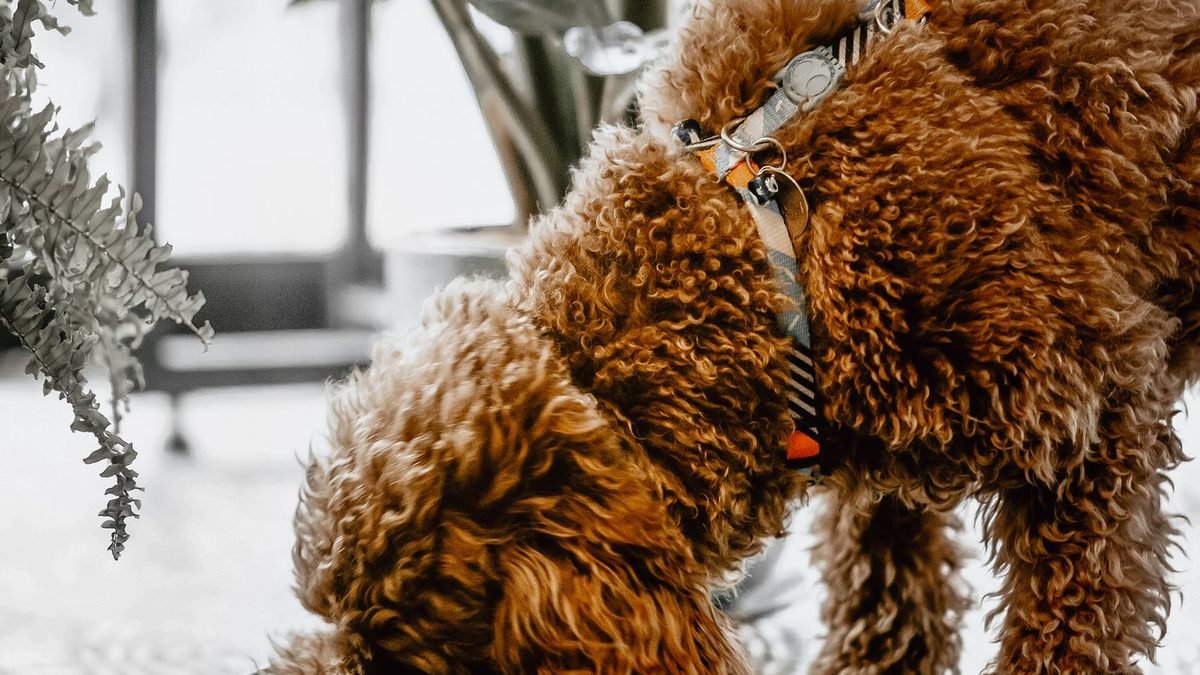
The ears were the sign that surprised me most, because I never connected ears with food. My dog started shaking his head after meals and scratching at his ears, and when I looked inside, the skin was pink and a little warm. He also licked his front paws until the fur between his toes looked damp. I thought it was an ear problem on its own, but my vet pointed out that ears and paws often flare up together when food is the trigger, and in my dog, they always flared up on the same days as the itching.
Watch for the pair: head shaking or ear scratching plus paw licking, especially in the hours after a meal. One on its own can mean many things, but the two together, repeating after food, are one of the clearest food intolerance signs in dogs. If your dog’s ears smell bad or look very sore, skip the guessing and call your vet, because sore ears can turn painful fast.
Sign 6: A Dull Coat and Patchy Fur
Slowly, almost too slowly to notice, my dog’s coat lost its shine. The fur on his back looked dull and a little dry, and I started finding more hair on the sofa and on my clothes than I used to. In one small patch on his side, the fur even looked thinner, where he had been scratching the same spot for weeks. I had blamed the season, but his coat did not improve until his food changed. A coat is often the last thing to show trouble, and the last thing to recover, so be patient with it.
If your dog’s coat looks dull even though you brush him and feed him well, look at the whole picture, not just the fur. A dull coat plus itching plus a gurgly belly is a much stronger clue than any one of them alone, and together they are classic food intolerance signs in dogs. I took a photo of his coat once a week, and those photos showed the change far better than my memory did.
Sign 7: Low Energy and a Smaller Appetite
The last sign was the quietest, and the one that hurt me most. My dog stopped greeting me at the door, and he left food in his bowl, something he had never done. He still went for walks, but he walked behind me instead of ahead, and he slept more in the afternoons. When a dog feels unwell after eating, day after day, it makes sense that food stops being exciting. Of all the food intolerance signs in dogs, low energy is the one that tells you your dog is not just uncomfortable, he is tired of feeling unwell.
If your dog suddenly eats less and plays less, do not assume he is just getting older or being fussy. Ask what changed around his meals, and talk to your vet. In my dog’s case, his appetite came back within days of the diet change, and his energy followed soon after. Food should give a dog energy, not take it away.
How I Tracked It All With a Simple Food Diary
The food diary was the turning point for me, and it was far simpler than it sounds. I used a small notebook on the kitchen counter, and every evening I wrote four things: what my dog ate, what treats he had, how his stomach and skin behaved, and his energy. That was it. No apps, no spreadsheets, just honest notes. Within two weeks, the patterns in my notes lined up so clearly with certain meals that I could see the connection without anyone else explaining it to me.
Here is what I wrote down each day. The main food and the protein in it, because the protein is often the part that matters. Any treats, table scraps or chews, because these are the things we forget most easily. The timing of any itching, loose stools or gurgly belly, written next to the meal that came before it. And one line about energy and appetite, even just the word good or low. After a week or two of these notes, the food intolerance signs in dogs stop being a mystery and start being a map.
My diary also saved me from my own memory, which is not as reliable as I thought. I was sure his worst days were random, but the notebook showed they were not. The worst itching always followed the same kind of meal, and the calmest days always followed the simplest ones. Bring your diary to the vet, too, so your vet can see the food intolerance signs in dogs the way you saw them at home. My vet read two weeks of my notes in a minute and knew more about my dog’s problem than I had learned in a month of worrying.
The Simple Diet Change That Finally Helped
Once I could see the pattern, my vet and I agreed on a simple plan: make my dog’s meals as plain and as steady as possible for a while, so we could see what his body did without all the extras. I switched him to simple, single-protein meals with plain ingredients, and I stopped all treats, chews and table scraps for a few weeks. Nothing fancy, nothing complicated. The goal was not to find a perfect food, it was to give his digestion a quiet break and watch what happened next.
The change was slow, and I had to be patient, which is not my strong point. In the first week, the gurgly belly quieted down a little. In the second week, the scratching eased, and his stools started looking normal more often than not. By the third week, he was greeting me at the door again, and his bowl was empty at every meal. I kept writing in the diary the whole time, because I wanted proof, not hope. As those signs faded one by one, I finally felt like I was helping him instead of just worrying about him.
One thing I learned is that changing food takes time, and switching foods every few days only makes the picture messier. Give any change at least a couple of weeks, keep the diary going, and talk to your vet before you add anything new back in. Your vet knows your dog’s history and can guide the next step safely. I am only sharing what worked for my dog, and every dog is different, so please treat my story as a starting point, not a prescription.
If you are watching for food intolerance signs in dogs in your own home, remember that patience is part of the plan. A diet change is not a race, and the diary is what turns waiting into learning.
Remember: give any diet change at least a couple of weeks before you judge it, and keep the food diary going the whole time.
What to Avoid While You Figure It Out
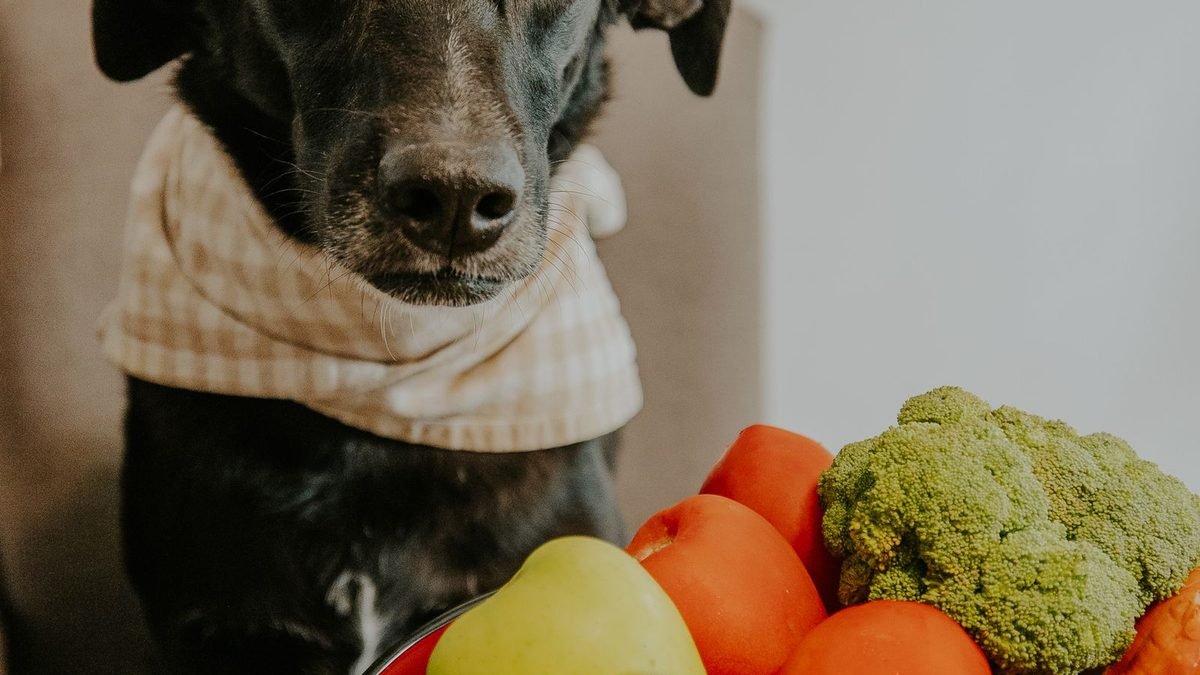
While you are working out what bothers your dog, the kindest thing you can do is keep life simple. I stopped giving table scraps, even the small pieces from the counter, because I could not track what I could not see. I put away the mixed treats and new chews, and I asked everyone in the house to stick to the same plan, because one snack from a visitor can undo a week of careful notes. I also stopped switching foods every few days, which had only made everything harder to read.
I also avoided guessing with supplements and home remedies I found online. I read plenty of confident advice, but none of it knew my dog, and some of it could have made things worse. If a sign points to food, the answer is in the food and in your vet’s guidance, not in a bottle from the internet. Keep the routine steady, keep the diary honest, and let the pattern do the talking. That is how the food intolerance signs in dogs finally became clear in my house.
Red Flags That Mean Call the Vet Now
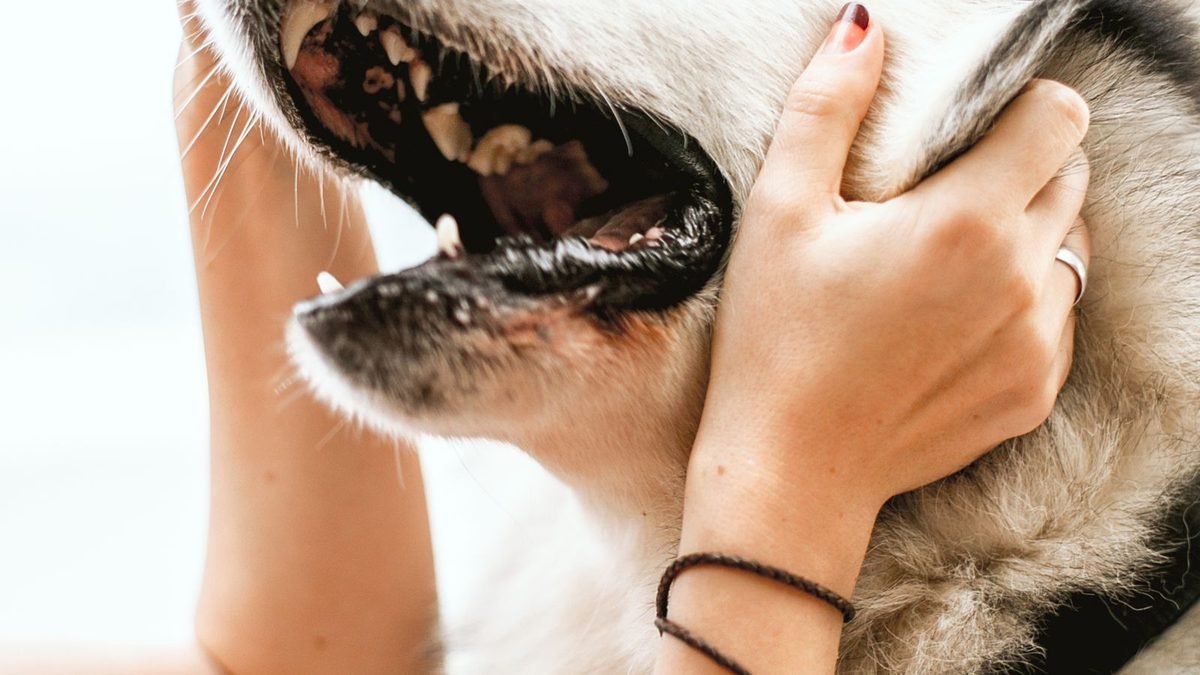
Most food intolerance signs in dogs build slowly, and most of them can wait for a calm conversation with your vet. Some things cannot wait, though, and I want to be very clear about them. If your dog swells up around the face or muzzle, struggles to breathe, or collapses after eating, that is an emergency, and you should get help right away. The same goes for vomiting that will not stop, bloody stools, a swollen, hard belly, or a dog who cannot keep water down. Do not wait for the diary to fill up when you see these.
Quick weight loss, a dog who refuses food and water for a full day, or a puppy or older dog who suddenly goes flat and quiet also belong on the call-the-vet list. I learned to trust my gut on this: if something feels wrong in a way the slow, everyday signs never did, I call. It is always better to ask your vet a question that turns out to be nothing than to wait on a warning sign that needed help the same day.
Key takeaway: slow signs can wait for a vet visit, but swelling, breathing trouble, nonstop vomiting or bloody stools need help right away.
What to Do If You Spot Food Intolerance Signs in Dogs
If two or three of these signs sound familiar, here is the simple plan I wish someone had given me on day one. First, start the food diary tonight, and write down everything your dog eats. Second, book a vet visit and bring the diary, because it gives your vet something real to work with. Third, keep meals simple and steady while you wait, with one protein and a short list of plain ingredients, and hold off on new treats until your vet guides the next step.
Because itchy skin was the biggest problem for my dog, I spent time learning about foods that are gentler on sensitive skin, and I wrote about what I found in Best Food for Dogs with Itchy Skin. If scratching is your dog’s main sign, that article is a good next read. For more everyday care guides like this one, you can browse the Happy Pet Cure blog, where I share the things that have actually worked in my own home. The most important step is the one only you can take: watch your dog closely, write it down, and let your vet make the final call.
Spotting food intolerance signs in dogs early is what turns a month of guessing into a week of answers, and that is a gift you can give your dog starting tonight.
My Dog Today
Today, my dog is himself again. He greets me at the door, he finishes his bowl, and he sleeps soundly after dinner instead of pacing with a gurgly belly. His coat has its shine back, the scratching has faded, and his ears are calm. I still keep the diary, and I still check every new treat before it goes near his bowl. The weeks of guessing taught me something simple: my dog was talking to me the whole time, and once I learned the language of food intolerance signs in dogs, I could finally answer him.
If your dog is showing even one or two of these signs, start your diary tonight. You do not need to fix everything at once. You only need to notice, to write it down, and to ask your vet. Your dog is counting on you to hear what he cannot say, and now you know what to listen for.
This article is for general information only and is not veterinary advice. Always consult a licensed veterinarian for your dog’s health.