

The first time I heard my dog scratching at three in the morning, I thought it was a one-off. By the third night, the sound had become part of our house, and the red patches on his belly told me this was not going away on its own. Finding the best food for dogs with itchy skin became my mission, not because I wanted a perfect diet, but because I wanted my dog to sleep through the night again. This is the story of what I tried, what failed, and the seven foods that finally helped.
I am not a vet, and this is not a prescription. It is one dog owner’s honest account, plus the practical things I learned along the way. If your dog is scratching, read this with an open mind, keep notes, and talk to your vet before you change anything about their diet. Every dog is different, and the wrong change can make things worse. That honest, step-by-step approach is how I found the best food for dogs with itchy skin for Milo.
The Night the Scratching Kept Us Both Awake
His name is Milo, a golden-brown mixed-breed dog with floppy ears and a habit of leaning his whole weight against my leg when he wants attention. For two years he was the easiest dog I had ever known. Then one spring, the scratching started. At first it was a quick scratch behind one ear after dinner, the kind of thing you barely notice. Within a week he was scratching his ears, his belly and his paws, and he was doing it at all hours.
The worst of it came at night. Milo would settle on his bed, sigh, and then start again, thump, thump, thump, his back leg working away at his side. I would lie awake listening, half asleep and half worried, wondering whether I was missing something obvious. His belly looked pink and irritated where he had been licking it, and the fur on one of his back legs was starting to look thin. He was still eating well and still happy to go for walks, but he was not comfortable in his own skin.
I took him to our vet, who checked him over carefully and ruled out fleas and other common causes that could be spotted in the clinic. The vet talked to me about the many things that can make a dog itchy, from the changing seasons to the dust in the house, and said food was one of the things worth looking at over time. Nobody promised me a quick fix. What I got instead was something better: a plan to watch, to write things down, and to change one thing at a time so we could see what actually helped.
How I Realised Food Was Part of the Problem
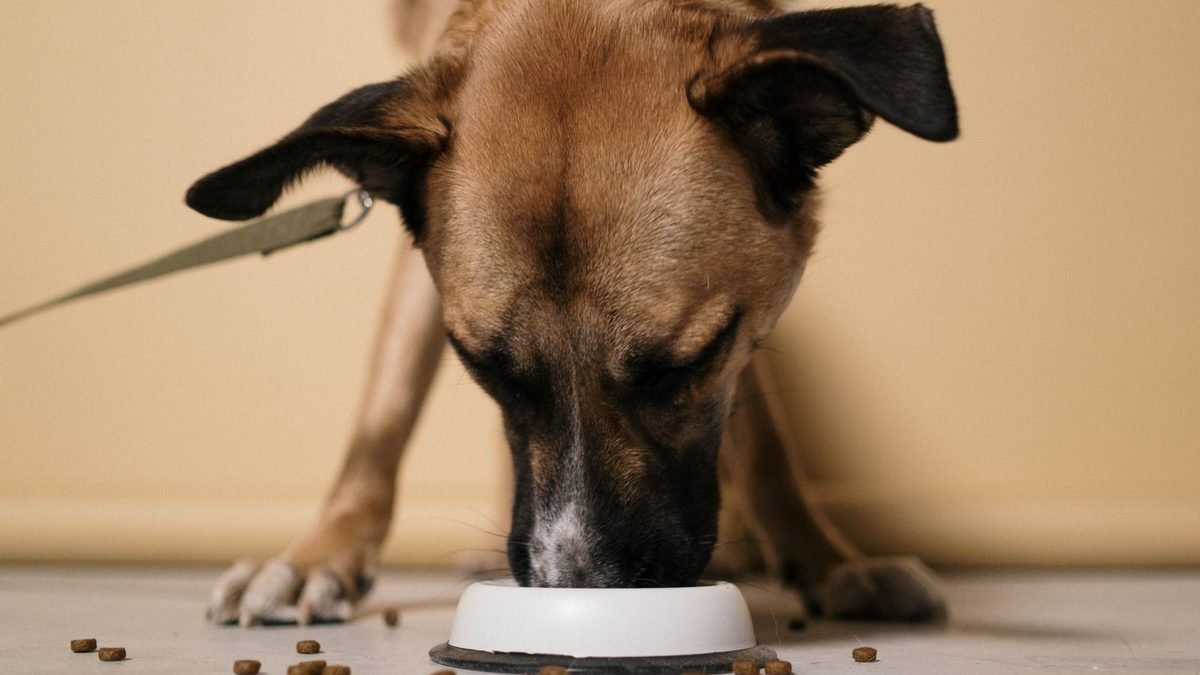
For a while I blamed everything except the food bowl. I washed his bedding more often, I vacuumed twice a week, I changed his shampoo to a gentler one, and I kept him off the lawn after it had been cut. Some days were better and some were worse, and I could not see a pattern in any of it. The itching came and went like weather, and I was chasing it with a mop and a bottle of shampoo while the answer was sitting in his bowl twice a day.
The clue came from a notebook, not from a sudden flash of insight. I had started writing down what Milo ate, when he scratched, and how bad the night had been. After three weeks the pattern was hard to ignore. The worst nights often followed days when he had eaten a certain biscuit treat and a bag of kibble I had bought because it was on offer. On the days when his meals were simple, with one clear protein and a plain carbohydrate, he scratched less and slept better.
That did not prove that food was the whole story, and I want to be honest about that. It only told me that food was part of the story, and that part was in my hands. I could not control the pollen in the air or the dust in the house, but I could control what went into his bowl. That was the moment I stopped buying food on price alone and started reading labels, asking questions, and choosing foods that were kind to a sensitive dog’s skin.
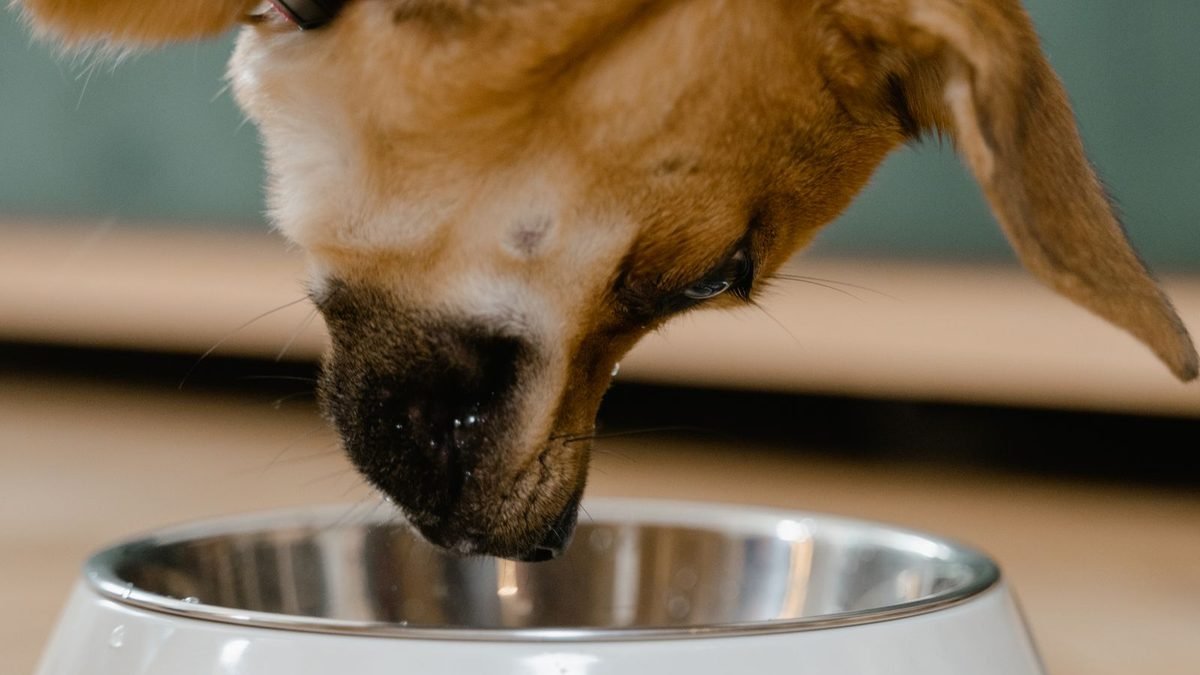
Key takeaway: Before you change anything, keep a simple food and scratching diary for two or three weeks. Write down meals, treats and table scraps, plus a nightly scratching score. Patterns are hard to see from memory, but they jump out of a notebook. Share the diary with your vet, because it helps them far more than a vague memory of a bad week.
What the Best Food for Dogs with Itchy Skin Has to Do
Once I knew food mattered, I had to learn what actually makes a food good for an itchy dog. I had no interest in marketing words, so I ignored the pictures of happy dogs on the bag and read the ingredient list instead. The first thing I looked for was simplicity. A short list of ingredients I recognised felt safer than a long list full of things I could not pronounce. If a food had one main protein and one main carbohydrate, I could at least work out what Milo was eating.
The second thing I looked for was gentleness. Milo’s skin was already irritated, so I did not want foods packed with artificial colours, strong flavourings, or long lists of extras he did not need. I also judged a food after a week, not after a single meal. A food that suited him left his stools normal, his energy steady, and his scratching no worse than before. A food that did not suit him usually showed itself within a few days.
The third thing was patience with myself. I made mistakes, and I will tell you about them, because the mistakes taught me as much as the successes. I changed foods too quickly once, and I let a well-meaning relative feed Milo scraps once, and both times the scratching flared up and I lost weeks of careful notes. The lesson was simple: with an itchy dog, slow and boring beats fast and exciting every single time.
- One main protein I could name, such as salmon or turkey
- One main carbohydrate, such as sweet potato or oats
- A short ingredient list with no artificial colours
- No long list of extras my dog did not need
Key takeaway: Judge a food by its ingredient list and by your dog’s skin over two or three weeks, not by the picture on the bag. A short, simple list is easier to understand, and it makes it much easier to spot what agrees with your dog and what does not. When in doubt, ask your vet what to look for.
The 7 Foods That Helped: The Best Food for Dogs with Itchy Skin in My Kitchen
Here are the seven foods that earned a place in Milo’s bowl — our best food for dogs with itchy skin. I am describing food types in general terms, not brands, and not a prescription for your dog. Each one was introduced on its own, in a small amount, and only after I had talked to our vet about changing Milo’s diet. If you try any of these, do the same: ask your vet first, start small, and watch your dog for a week or two before you decide whether it helps.
1. Salmon
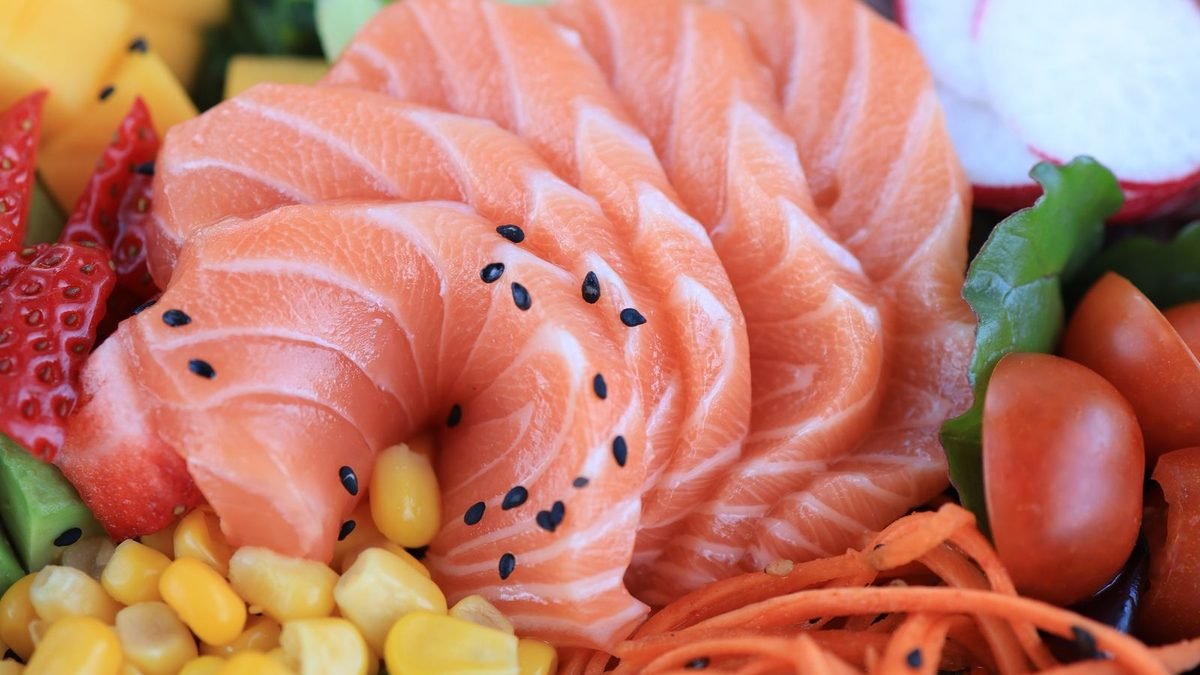
Salmon was the first change that made a real difference, and it is still the centre of Milo’s diet. I serve it cooked and plain, with no seasoning, no sauce and no bones, mixed into his regular food. Within a couple of weeks his coat looked softer and shinier, and the frantic scratching after dinner began to ease. Salmon is rich in the kind of natural oils that support healthy skin, and for Milo that seemed to be the missing piece. It is now the food I think of first when someone asks me about the best food for dogs with itchy skin.
The mistake I made with salmon was buying it in a sauce the first time, because it looked like a treat and Milo loved the smell. The sauce had ingredients I had not checked, and the scratching flared up again for two days. Plain is the whole point. I cook a small piece, let it cool, flake it into his bowl, and keep the portion modest. If your dog has never had fish before, ask your vet first and try a very small amount.
2. Sweet Potato
Sweet potato became Milo’s steady carbohydrate, replacing the mixed grains in his old food. I boil it until it is soft, mash it plain, and mix a spoonful or two into his bowl. It is gentle on his stomach, which matters, because when his stomach was upset his skin always seemed worse too. Milo likes the slightly sweet taste, and it fills him up without the long list of ingredients that came with some of the foods we tried before.
I learned to keep the sweet potato plain. No butter, no salt, no marshmallows, no sugar. Once, I gave him a piece from our own dinner that had been cooked with seasoning, and he spent the evening licking his paws. That was my fault, not his, and not the sweet potato’s. Plain sweet potato, cooked at home and cooled before serving, is the version that worked for us, and it is cheap enough to keep in the kitchen every week.
3. Oats
Oats surprised me. I had always thought of oats as a breakfast food for people, not dogs, but a friend whose dog had similar skin trouble suggested I try a little plain cooked oatmeal. I cook it in water, never milk, let it cool completely, and stir a spoonful into Milo’s food a few times a week. It is bland, soft and easy to digest, and on the weeks when oats were in his bowl, his scratching stayed calmer and his stomach stayed settled.
The rule with oats is the same as with everything else in this list: plain, plain, plain. No sugar, no honey, no flavoured sachets, no milk. Instant flavoured oatmeal is a different food altogether, and it is not what I mean here. I buy plain rolled oats, cook a small pot, and keep it in the fridge for a few days. Milo eats it without complaint.
4. Pumpkin
Pumpkin came into Milo’s diet by accident. I had bought a can of plain pumpkin for a recipe, used half of it, and wondered what to do with the rest. After a quick check with our vet, I started mixing a spoonful into Milo’s dinner. It is soft, gentle and full of fibre, and it helped keep his digestion regular. When his digestion was steady, the night-time licking of his paws eased off.
Only plain pumpkin counts here. The pie filling sold next to it in the shop is full of sugar and spices, and it would do far more harm than good. I use plain canned pumpkin with one ingredient on the label, or fresh pumpkin that I have cooked and mashed myself. A spoonful is enough for Milo, and I never give it every day without a break. Ask your vet how much suits a dog of your size before you start.
5. Blueberries
Blueberries are Milo’s treat food, and they earn their place because he loves them and they agree with him. I give him a small handful of fresh blueberries a few times a week, either on their own or scattered over his dinner. They are small, soft and easy to eat, and they add colour and variety to a bowl that could otherwise get boring. For a dog who had started to turn away from his food, that little bit of excitement at dinner time mattered more than I expected.
I only use fresh or plain frozen blueberries, never the dried ones from a snack packet and never anything with added sugar. Dried fruit often has extra sugar or coatings that an itchy dog does not need. I wash the fresh ones, check them over, and count out a small handful. Milo now waits by the fridge when he hears the blueberry box open.

6. Plain Yogurt
Plain yogurt was the food I was most nervous about trying, because dairy and dogs do not always mix. Our vet talked it through with me first, and we agreed to try a very small spoonful of plain, unsweetened yogurt with no added flavours. Milo handled it well, and it became a regular addition to his breakfast. I use it plain, straight from the tub, with nothing stirred in. It gives his breakfast a creamy texture he enjoys.
The important part is the word plain. Flavoured yogurts, sweetened yogurts and yogurts with fruit pieces are not the same food, and some of them contain sweeteners that are not safe for dogs. I check the label every single time, even when I buy the same tub, because recipes change. If your dog has never had dairy, ask your vet first and start with less than you think you need.
7. Flaxseed
Flaxseed was the last food on my list, and it is the one I use in the smallest amount. I buy ground flaxseed, because whole seeds can pass through a dog without being digested, and I sprinkle a small spoonful over Milo’s dinner a few times a week. It has a mild, nutty taste that Milo does not notice, and it adds the kind of natural oils that support skin and coat health. Of all the foods here, this is the one where a little goes a long way, so I measure it rather than guessing.
I keep the ground flaxseed in a sealed jar in the fridge, because it goes stale faster than I expected when I first bought it. If it smells sharp or bitter, I throw it out and open a fresh bag. I also never add flaxseed on the same day as another new food, because then I would not know which change made the difference. It is a quiet, steady addition to his bowl.
How I Switched Foods Without Making Things Worse
The first time I changed Milo’s food, I did it all at once, and it was a mistake. He ate the new food happily on day one, but by day three his stomach was upset and his scratching was worse, and I had no idea whether the new food disagreed with him or whether the sudden change itself was the problem. I went back to his old food, waited until he was settled, and started again properly. That false start cost me two weeks, but it taught me the most useful lesson about finding the best food for dogs with itchy skin.
The second time, I mixed a small amount of the new food into his old food and increased it a little each day, over about a week. I kept the diary going, and I changed nothing else at the same time: no new treats, no new shampoo, no scraps from the table. When his scratching stayed steady or improved, I kept going. When it flared up, I paused, went back a step, and gave him a few calm days before trying again. Slow was boring, but slow worked, and it is how I would choose the best food for dogs with itchy skin all over again.
Key takeaway: Change one thing at a time and give each change at least a week. Mix the new food in gradually, keep your diary going, and ask your vet before you start. If the scratching flares up, step back to the last food that worked and wait until your dog is settled before you try again.
What to Avoid When Your Dog’s Skin Itches
Choosing the right foods mattered, but avoiding the wrong ones mattered just as much. The biggest trap in our house was table scraps. Milo has the kind of eyes that make a piece of seasoned chicken seem like a small kindness, and more than once I gave in. Every time I did, the scratching came back within a day or two. A food does not have to be bad in general to be wrong for an itchy dog; it only has to be wrong for that dog, at that moment.
I also stopped buying treats with long ingredient lists and bright colours, and I stopped letting anyone else feed Milo without asking me first. That last part was the hardest, because people love to give dogs treats, and saying no felt rude. Now I keep a small tin of Milo’s own plain treats by the door, so visitors can give him something kind without undoing weeks of work. When you are searching for the best food for dogs with itchy skin, remember that treats count as food too.
- Seasoned food from our plates
- Treats with long lists of artificial colours and flavours
- Sugary snacks and flavoured biscuits
- Any new food added on the same day as another change
When to See a Vet About Itchy Skin
Food helped Milo, but the best food for dogs with itchy skin is not a substitute for a vet visit when something is wrong. If your dog’s scratching is getting worse, if the skin is broken, bleeding or smelling unusual, or if your dog seems unwell or in pain, do not wait for a diet change to work. The American Kennel Club explains how skin allergies in dogs can show up in different ways, and why a vet visit matters when the itching does not settle.
I also found it helpful to look after Milo’s skin gently at home while we worked on his food. I wrote about what worked for us in my guide to home remedies for dog skin allergies, which covers simple, gentle steps like keeping bedding clean and watching for things that seem to set the itching off. While you look for the best food for dogs with itchy skin, gentle home care helps too. Think of food and gentle home care as a team. Those gentle steps worked alongside the best food for dogs with itchy skin, not instead of it.
What Finally Worked for Us
After three months of notes, slow changes and plain food, and a long search for the best food for dogs with itchy skin, Milo’s nights changed. He still scratches sometimes, because he is a dog, and dogs scratch. But the frantic, middle-of-the-night sessions stopped, the pink patches on his belly faded, and the fur on his back leg grew back. He sleeps through the night now, and so do I.
The change did not come from one magic food. It came from a simple routine built around salmon, sweet potato, oats, pumpkin, blueberries, plain yogurt and a sprinkle of flaxseed, all introduced slowly and all agreed with our vet. If I had to sum it up, it would be this: keep it simple, keep it plain, and keep notes. The best food for dogs with itchy skin is not the most expensive bag on the shelf. For us it was a short list of gentle foods, served plain and changed slowly, with our vet in the loop at every step.
Frequently Asked Questions
These are the questions I get asked most about the best food for dogs with itchy skin.
Can food really make a dog’s skin itchy?
In Milo’s case, food was clearly part of the problem, and finding the best food for dogs with itchy skin made a real difference. Itchy skin has many causes, though, so keep a diary and talk to your vet before drawing conclusions about your own dog.
How long does it take to see a difference after changing food?
For Milo, the first small changes took about two weeks, and the bigger improvement took about two months. Skin changes slowly, so give each change at least a week or two, keep your notes going, and do not judge a food by a single meal. That slow pace is normal when you are finding the best food for dogs with itchy skin, so keep the changes small.
What is the best food for dogs with itchy skin to start with?
There is no single food that suits every itchy dog, which is why I shared seven rather than one. For us, plain cooked salmon with sweet potato was the best food for dogs with itchy skin to start with. Start with one gentle food and ask your vet before you change your dog’s diet.
If your dog is scratching tonight, start where I started: a notebook, a vet visit, and one small, plain change at a time. You can find more of our dog care stories on the blog, and I hope one of them helps your dog as much as these seven foods helped mine.
This article is for general information only and is not veterinary advice. Always consult a licensed veterinarian for your dog’s health.