
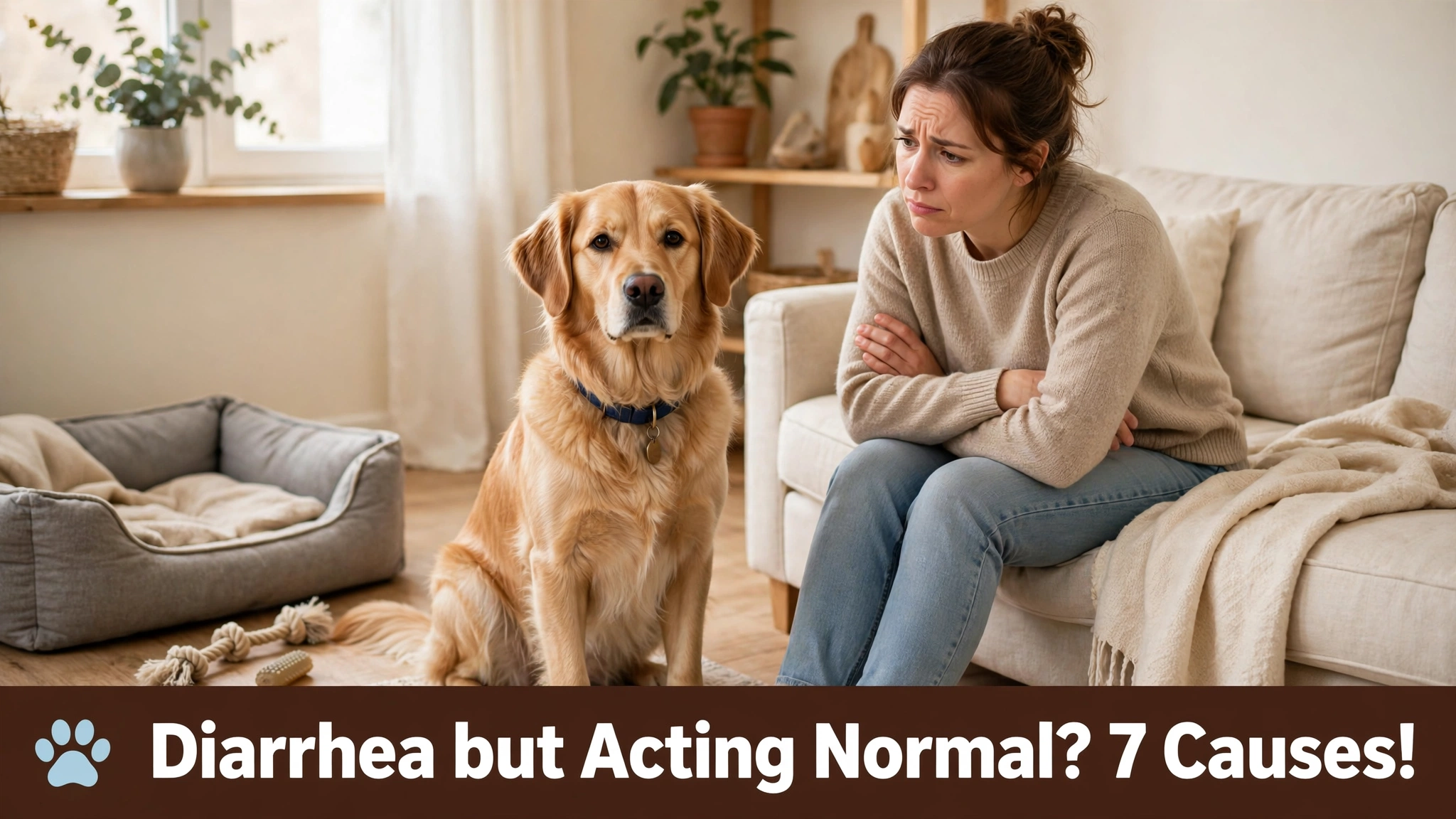
I found the loose stool on the lawn before I had even finished my first cup of tea, and my stomach dropped straight away. My dog, Milo, was standing beside me with his tail wagging, his eyes bright, and his whole body wiggling the way it always does when he thinks a walk is coming. Nothing about him looked sick. That strange mix — a worrying mess on the grass and a perfectly happy dog — is exactly what dog diarrhea but acting normal feels like, and it left me torn between panic and relief for the rest of the morning.
Table of Contents
My Morning With Loose Stools and a Very Happy Dog
It was an ordinary Tuesday, the kind of morning that usually runs itself. Milo ate his breakfast with his usual enthusiasm, finished his water, and trotted to the back door for his first trip outside. I followed him out with my tea in one hand, half asleep, and that was when I saw it. The stool was soft, shapeless, and nothing like his normal firm poop. My first thought was that something was badly wrong, and my second thought was to look at Milo, who was already sniffing a patch of grass like it was the most interesting thing in the world.
He did not look unwell at all. He nudged my hand for a scratch behind his ears, chased a falling leaf across the lawn, and then sat down beside me with that hopeful look he gets when he wants a treat. I remember standing there thinking how unfair it felt: the worry was all mine, while the dog at the centre of it was having a perfectly good morning. I did not know then whether I should rush to the vet, change his food, or simply wait and watch, so I decided to slow down and pay close attention instead of guessing.
What Does “Dog Diarrhea but Acting Normal” Actually Mean?
When I searched for answers that morning, I kept typing the same phrase over and over, and I slowly realised what it really describes. It is not a disease on its own. It is a situation: the stool is loose, soft, or watery, yet the dog is still eating, drinking, playing, and behaving like himself. His energy is normal, his appetite is normal, and nothing else seems wrong. That combination is confusing, and it is why dog diarrhea but acting normal worries owners even when the dog in front of us looks fine.
That does not mean I ignored it. I learned that dog diarrhea but acting normal still deserves attention, careful watching, and a clear plan for when to call the vet. The goal is not to panic over one loose stool, and it is not to shrug it off either. It is to watch the whole dog — his appetite, his water intake, his energy, his stools, and his comfort — and to let those clues, taken together, guide the next step.
The First Things I Checked Before I Worried
Before I did anything else, I ran through a simple check in my head, the way you might check the doors and windows before worrying about a strange noise at night. I looked at Milo first, not just at the mess on the grass. He was alert, his tail was up, and he came to me happily when I called him. His nose was cool and damp, his gums looked their usual pink, and he drank water willingly when I offered it. Those small signs mattered more than any single stool in a case of dog diarrhea but acting normal.
Then I thought back over the last day. Had he eaten anything different? Had we been anywhere new? Had anything changed at home? I remembered the neighbour had given him a biscuit the afternoon before, and that we had tried a new flavour of his usual food the week before. I also remembered that a thunderstorm had rolled through the night before, and Milo hates thunder. Writing those details down on my phone took two minutes, and it gave me something solid to work with instead of a swirl of worry.
- Appetite: Was he still interested in food and treats, or turning away from his bowl?
- Water: Was he drinking normally and passing urine as usual?
- Energy: Was he playing, walking, and greeting us the way he always does?
- Stool: How loose was it, how often was he going, and was there any blood?
- Comfort: Was he straining, whining, bloated, or showing signs of pain?
- Recent changes: Any new food, treats, outings, visitors, or stressful events?
7 Causes of Dog Diarrhea but Acting Normal
These are the seven causes I came across again and again while I was trying to understand Milo, and the ones that fit a dog who is still acting normal. They are not the only possible causes, and only a vet can work out which one applies to your dog, but they explain most mild cases I read about. I have put them in the order that made the most sense to me, starting with the everyday reasons and moving toward the ones that need a vet to check. As you read, think about which cause sounds most like your own dog’s last day or two of dog diarrhea but acting normal.
1. He Ate Something New or Rich
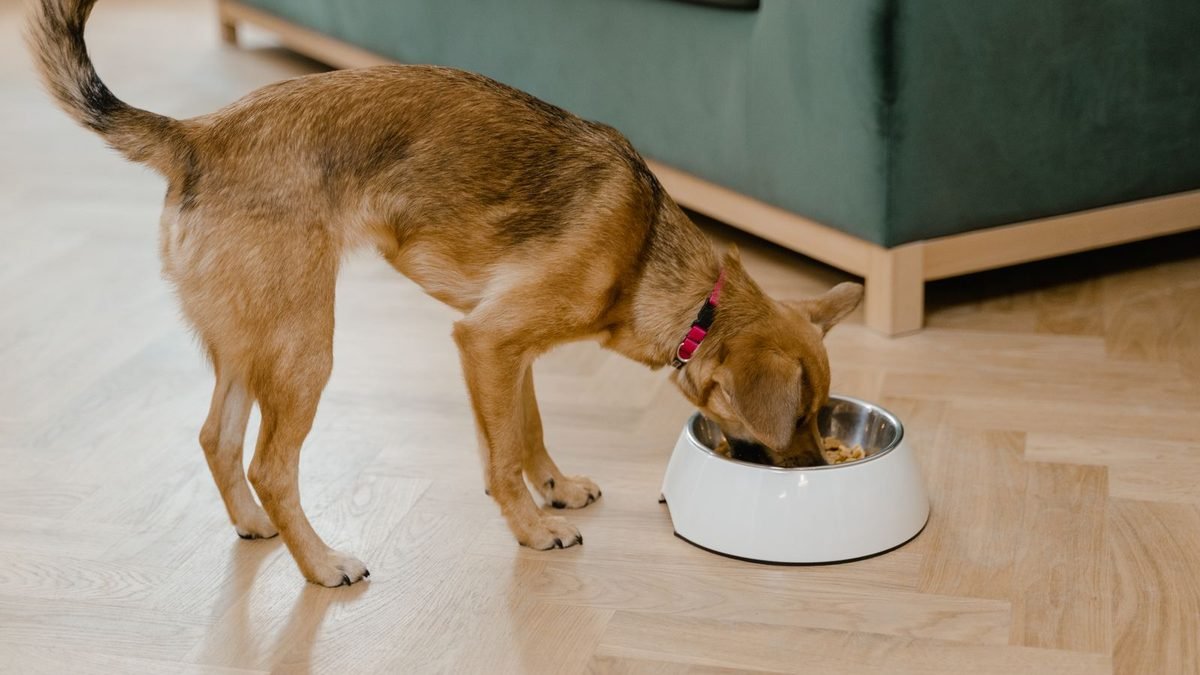
This was my first suspect, and it turned out to be the most likely one for Milo. The day before, my neighbour had pressed a large, rich biscuit into my hand for him, and I had given it to him without thinking twice. It was not a huge thing, but it was new, fatty, and very different from his usual food. A dog’s gut likes routine, and a sudden rich treat can cause dog diarrhea but acting normal for a day, even when the dog feels fine in every other way.
I have learned to think of it like this: if I eat a heavy meal I am not used to, my stomach complains even though I am not ill. Dogs are the same, only they cannot tell us what they ate or how their stomach feels. The clue is the timing. If the loose stool starts within a day of a new treat, a piece of table food, or a richer meal than usual, that food is worth suspecting first. In Milo’s case, the biscuit was the only new thing, and once it had passed through, his stools began to firm up again.
2. His Food Changed Too Quickly
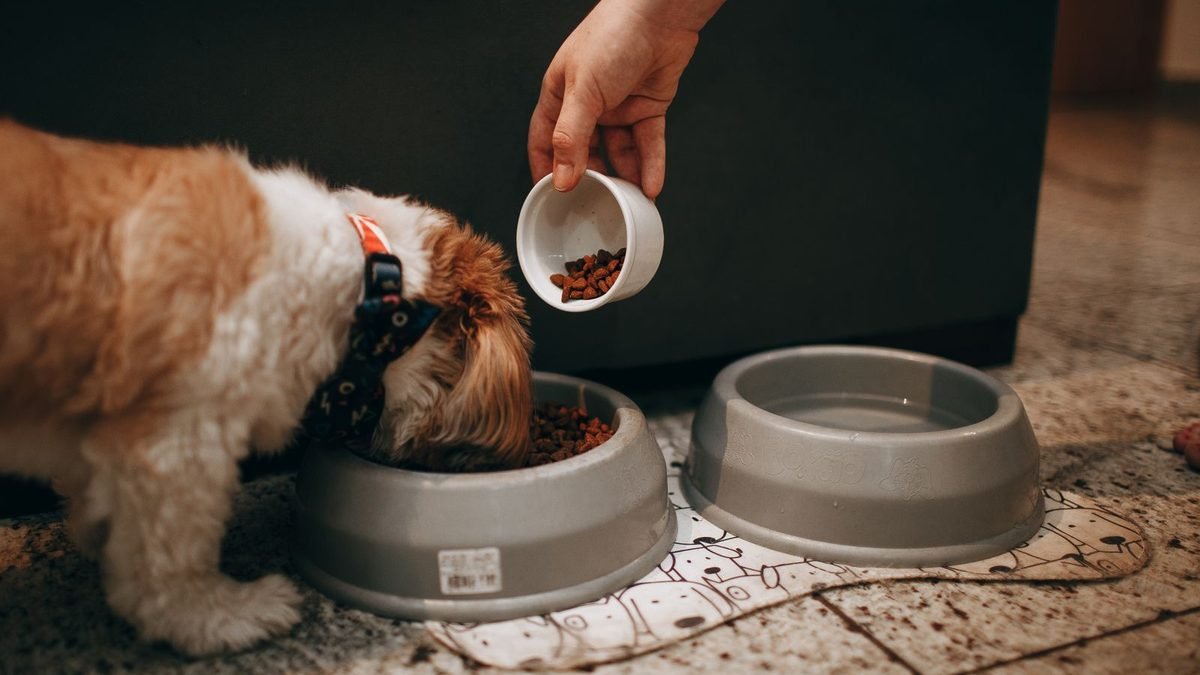
The second cause was hiding in plain sight in my kitchen cupboard. The week before, I had run out of Milo’s usual food and bought a different flavour of the same brand, thinking it would not matter. I switched him over in one go, with no gradual mixing at all. Looking back, that was a mistake. A sudden change of food is one of the most common reasons for loose stools in dogs, and it is also one of the easiest to overlook because the new food looks almost the same as the old one.
Since then, I mix new food into old food slowly over several days. It takes patience, and it is far kinder to his stomach than a sudden switch.
3. Stress or Excitement Upset His Stomach
The thunderstorm that night was the piece of the puzzle I almost missed. Milo is frightened of thunder, and he had spent half the night pacing, panting, and pressing himself against my leg. Stress affects a dog’s digestion in much the same way it affects ours. When a dog is anxious, excited, or overtired, his gut can speed up, and the result can be a loose stool the next morning, even though he seems perfectly happy by daylight. It is not only storms: a house guest, a long car journey, fireworks, or a very exciting day at the park can all do the same thing, so I now keep his days calmer after a stressful night.
4. He Snacked on Something Outside
Dogs explore the world with their mouths, and Milo is no exception. On our walks he sniffs everything, and more than once I have had to prise something from his jaws before he could swallow it. A fallen piece of fruit, a scrap of food near a bin, a bit of grass, or a mouthful of dirty water from a puddle can all upset a dog’s stomach. He may swallow it in a second and look pleased with himself, and the loose stool may not appear until hours later, when the connection is easy to miss.
I now watch him much more closely on walks, especially near bins, picnic areas, and other dogs’ leftovers. I keep treats in my pocket so I can trade him for anything suspicious he picks up, and I practise a cheerful “leave it” at home so it works outside too. It is not about stopping him from being a dog — sniffing and exploring are part of his joy — but about keeping the things he swallows to the ones I know are safe. When I see dog diarrhea but acting normal after a walk, the first question I ask myself now is: what did he find out there?

5. A Mild Stomach Upset Was Passing Through
Sometimes there is no clear trigger at all, and that was hard for me to accept. I wanted a reason I could point to, but some mild stomach upsets simply pass through on their own. A dog can pick up a minor gut irritation from something in the environment, from a change in the weather, or from a day that was just a little too much for his system. The stool turns loose for a day, the dog stays bright and hungry, and then, just as mysteriously, everything returns to normal.
When dog diarrhea but acting normal clears up quickly and the dog stays well, it is often the gut righting itself, and when it does not clear up, that is the time to stop waiting and call the vet. I kept Milo’s routine gentle, made sure he had fresh water, and watched him closely while it passed.
6. A Food Sensitivity Was Building Up
This cause is sneakier than the others, because it does not always follow one single meal. A food sensitivity builds up over time: a dog eats the same ingredient day after day, and gradually his gut becomes less happy with it. The signs can be subtle at first — a softer stool here and there, a little more gas than usual, a tummy that rumbles after meals — and then one morning the stool is clearly loose, even though the dog is still wagging and hungry. I noticed the pattern over several weeks, and a vet can help you work through it before you cut foods out on your own.
7. Parasites or a Low-Grade Infection
The seventh cause is the one I take most seriously, even when the dog looks well. Parasites and low-grade infections can cause loose stools that come and go, sometimes with no other sign at all at first. A dog can pick them up from contaminated soil, water, or other dogs’ stools, and he may seem perfectly normal for a while. That is why this cause matters in a story about dog diarrhea but acting normal: looking well does not always mean nothing is going on inside.
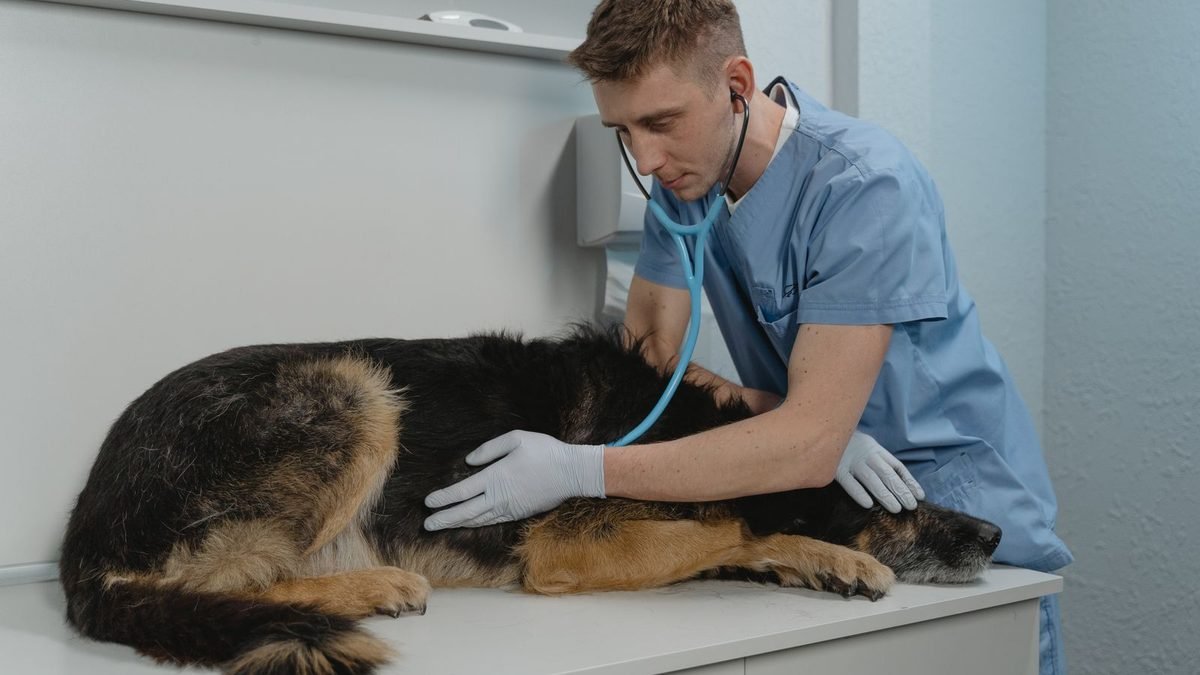
I do not try to work this one out at home, and I would not suggest anyone else does either. If the loose stools keep coming back, if they last more than a day or two, or if my dog is a puppy, an older dog, or one with another health problem, I call the vet and describe exactly what I have seen. The vet can check a stool sample and look for the things I cannot see. Keeping up with routine parasite prevention and cleaning up after my dog on walks are the two simple habits that help me lower this risk.
Key takeaway: Most mild cases trace back to food, stress, or something found outside — but a pattern that keeps returning always deserves a vet’s opinion.
Watch or Vet? How I Made the Decision
This was the hardest part of the whole experience, and it is the question every owner asks when they see dog diarrhea but acting normal in their own home. I gave myself a simple rule that morning: if Milo stayed bright, kept eating and drinking, and his stools were slowly improving, I would watch him closely at home for a day. If anything changed — if he went off his food, became quiet or tired, started vomiting, or his stools got worse instead of better — I would call the vet straight away, without waiting to see what happened next.
Tip: Write down the time of each loose stool and how your dog seems between trips outside. A short note on your phone is far more useful to a vet than trying to remember it all later.
What Helped at Home: My Gentle Care Steps
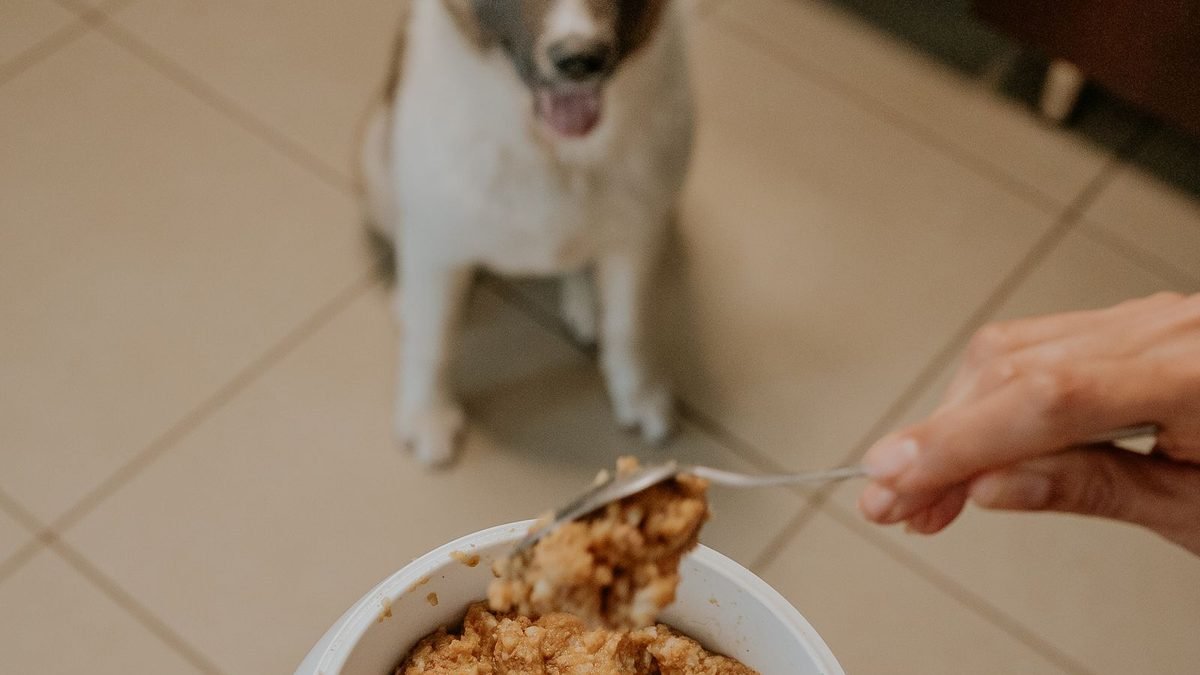
Once I had decided to watch Milo at home, I kept everything simple and gentle. I made sure fresh, clean water was always within reach, because loose stools can leave a dog needing more fluid than usual. I kept his meals small and plain, offering his usual food in a calm way and, when his stomach seemed tender, a little plain rice with boiled chicken, which is the bland food many owners reach for. I kept his diet steady while his stomach settled, which is my first rule for dog diarrhea but acting normal at home.
I also gave him rest. No long runs, no rough play, no exciting trips that day — just short, gentle walks, a comfortable bed, and a quiet house. I cleaned up his stools promptly, washed my hands well, and kept his bedding clean. And I kept watching. If you want more ideas on gentle foods for a dog with loose stools, my earlier guide on what to give dogs for diarrhea goes into that side of things in detail, while this article stays focused on the mild case, where the dog is still acting normal and the main job is careful watching.
For a wider view from a trusted source, the AKC guide to dog diarrhea explains the common causes and the warning signs that need a vet, and it is worth reading alongside this story. Between my own notes, that guide, and the simple care steps above, I felt I had a plan instead of just a worry — and Milo, for his part, seemed perfectly happy with the extra rest and the extra attention.
What I Avoided — and What I Wish I Had Known Sooner
Looking back, the things I did not do mattered as much as the things I did. I did not give Milo any medicine from my own cupboard, because human medicines can be harmful to dogs, and I had no idea what was safe for him. I did not fast him for a long time, I did not switch his food again in the middle of the upset, and I did not offer him rich treats to cheer him up, even though his hopeful eyes made that very tempting. When dog diarrhea but acting normal is the picture, adding new foods or medicines only makes the puzzle harder to solve.
Red Flags That Mean Call the Vet Now
Even with dog diarrhea but acting normal, some signs should never wait. I keep this list on my fridge now, because in a worrying moment it is hard to think clearly, and a list does the thinking for you. If you see any of these signs alongside loose stools, call your vet the same day, and do not wait to see if it passes on its own.
- Blood in the stool, or stools that look black and tarry.
- Vomiting, especially repeated vomiting or vomiting with diarrhea.
- A dog who becomes very tired, weak, wobbly, or unwilling to move.
- Refusing food and water, or drinking far less than usual.
- Signs of pain, such as whining, a swollen or hard belly, or straining without passing anything.
- Loose stools that last more than a day or two, or keep coming back.
- A very young puppy, a very old dog, or a dog with another health problem.
When I read that list now, I am glad Milo had none of these signs. He was eating, drinking, playing, and improving, which is why watching at home felt reasonable for him that day. But I also know that dog diarrhea but acting normal can change, and a dog who looks well in the morning can look unwell by the evening. The red flags are the line I promised myself I would not cross, and I keep them in mind every time a loose stool appears.
How I Helped Prevent the Next Upset
Once Milo was back to normal, I made a few small changes that have helped us since. I stopped switching his food suddenly and started mixing any new food in slowly. I became much stricter about treats, keeping them plain, familiar, and small, and I asked family and neighbours not to give him extras without checking with me first. On walks, I watch what he sniffs and picks up, and I always carry treats for a trade. I also keep his routine steady, especially after stressful days, and keep up with his routine vet visits and parasite prevention. None of these steps is dramatic, but together they have made dog diarrhea but acting normal much rarer in our house.
Questions I Kept Asking
Is it normal for a dog to have diarrhea and still act fine?
Yes, it happens often. A mild upset from food, stress, or something found outside can cause loose stools while a dog stays bright, hungry, and playful. That is the heart of dog diarrhea but acting normal. It is still worth watching closely, because a dog who seems fine can change, and loose stools that last, worsen, or come with other signs need a vet.
What should I feed a dog with loose stools?
I kept Milo’s food plain and familiar, with fresh water always available, and offered a little plain rice with boiled chicken when his stomach seemed tender. I did not add new foods, rich treats, or anything from my own medicine cupboard. If you are unsure what to offer, ask your vet for guidance that fits your dog.
My Final Takeaway
That Tuesday morning taught me more about Milo than any book could. I learned that dog diarrhea but acting normal does not always mean a sick dog, that watching the whole dog matters more than worrying over one trip outside, and that a few simple notes can turn panic into a plan. Milo was back to his usual self by the next day, chasing leaves and nudging my hand for treats, and I was calmer for having a clear way to decide what to do next.
If you are standing on your lawn right now, looking at a loose stool and a dog who is wagging his tail, I hope this story helps you feel less alone in that strange, worrying moment. Check the whole dog, think back over the last day, keep things calm and plain, and know your red flags. And when in doubt, call your vet — that call is never a waste of time. You can find more of our dog health and care stories on the Happy Pet Cure blog, and I hope Milo’s story helps your dog feel better soon.
This article is for general information only and is not veterinary advice. Always consult a licensed veterinarian for your dog’s health.