
This article is for general information only and is not veterinary advice. Always consult a licensed veterinarian for your dog’s health.
I still remember the morning I found my dog’s loose stools on the kitchen floor and felt my stomach drop. He looked up at me with sorry eyes, and I had no idea what to give dogs for diarrhea that would help without making things worse. That messy morning sent me down a long road of learning.
In this guide, I share the 15 gentle steps that helped my own dog through an upset stomach, from fresh water and rest to a simple bland diet built on plain rice, plain pumpkin, and plain boiled chicken. Nothing here replaces a vet visit — it is simply what I learned, so you can feel less lost.
Key Takeaways
Here is the short version of what to give dogs for diarrhea, based on my own experience:
- Start with fresh water and a quiet place to rest.
- Offer plain, simple foods that are easy on an upset stomach.
- Skip rich, fatty, spicy, and dairy foods while stools are loose.
- Watch for red-flag signs, and call your vet when they appear.
- Bring regular food back gradually once stools look normal again.
- When in doubt, ask your vet — this guide is general information only.
1. What to Give Dogs for Diarrhea First?
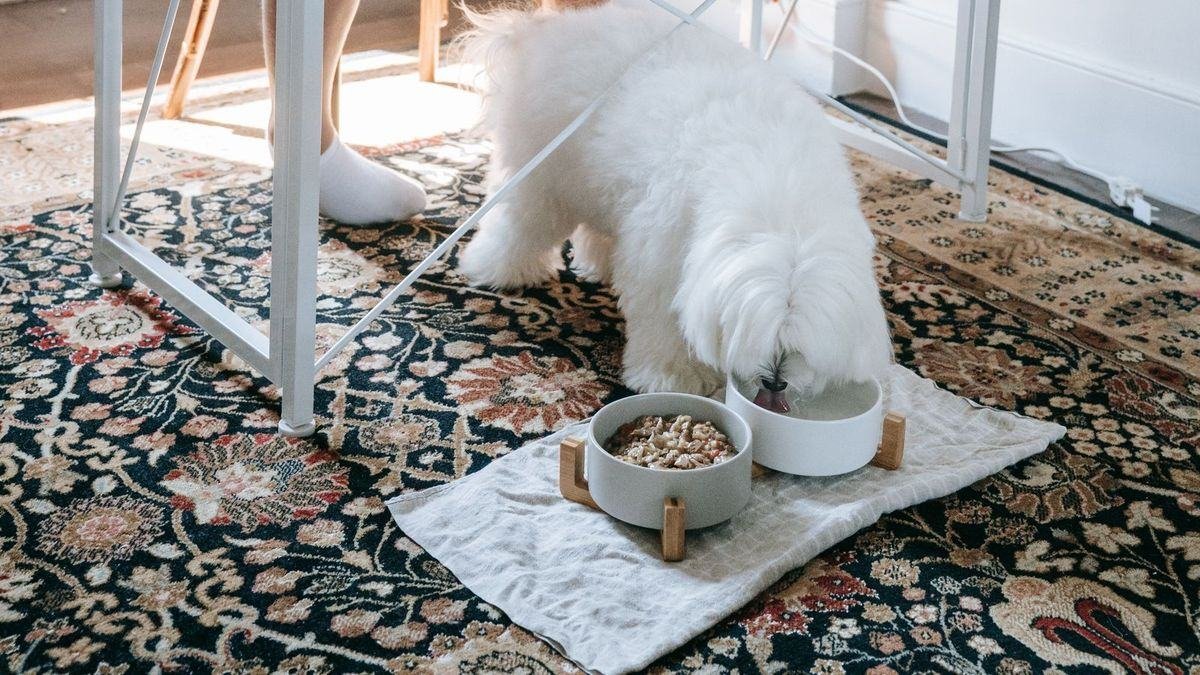
The first thing I reach for is not food at all — it is fresh water. Diarrhea takes a lot of fluid out of a dog, and a dog that keeps drinking stays more comfortable while its body settles. I keep a clean bowl of fresh water where my dog can reach it easily, and I change it often so it stays cool and inviting.
Expert Tip: Keep the water bowl clean and refill it with fresh water through the day. If your dog turns away from water, seems very tired, or cannot keep water down, do not wait and guess — call your vet. A dog that will not drink is a dog that needs professional help, and your vet can tell you what to do next.
2. Can Plain Boiled Rice Help a Dog With Diarrhea?
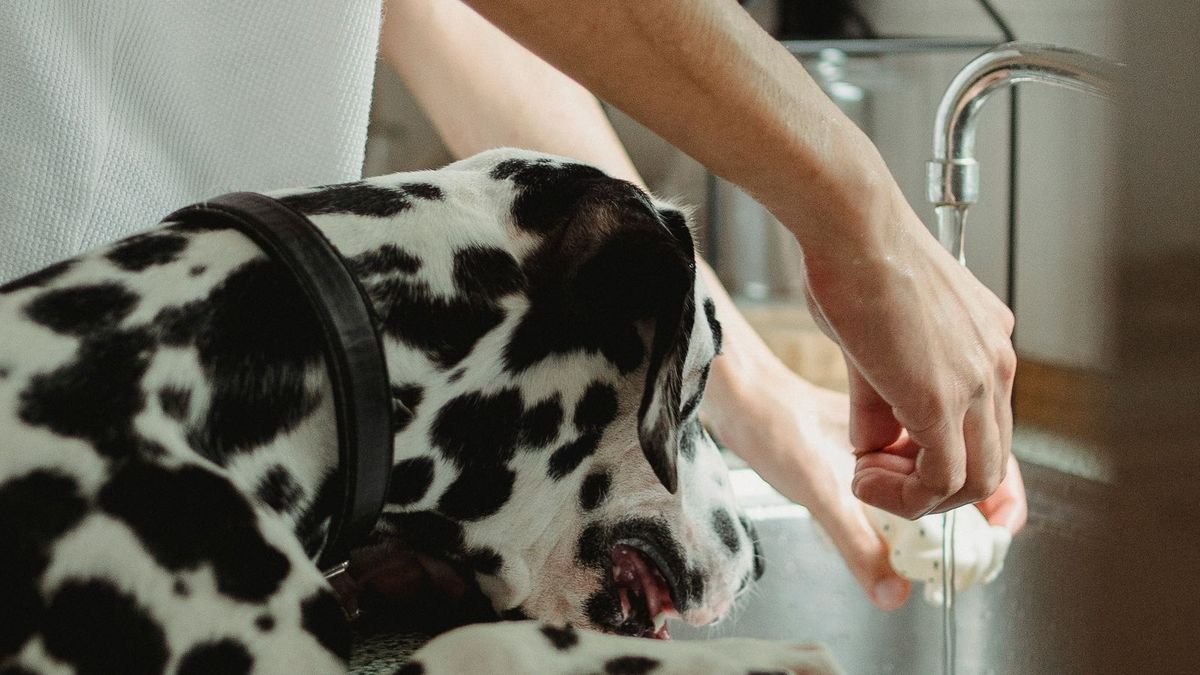
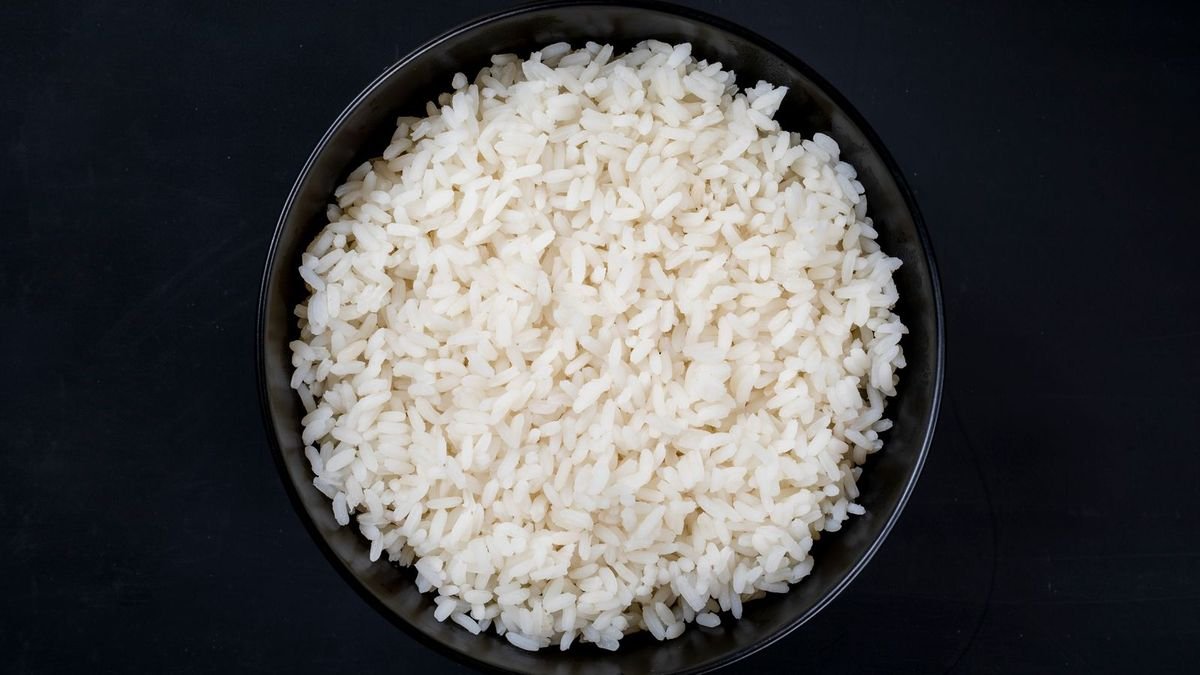
Plain boiled rice is the food I trust most when my dog’s stomach is upset. It is soft, mild, and easy to digest, and it does not ask much of a tired gut. I cook it plain — no butter, no oil, no salt, and no seasoning of any kind — and I let it cool before I offer it. Simple really is best here.
Plain rice is the food I reach for first when I think about what to give dogs for diarrhea. It gives my dog something gentle in his belly without the rich extras that can stir up more trouble. If you are not sure whether rice suits your dog, ask your vet before you offer it — a quick call can save a lot of worry.
3. Is Plain Pumpkin Good for Dogs With Diarrhea?
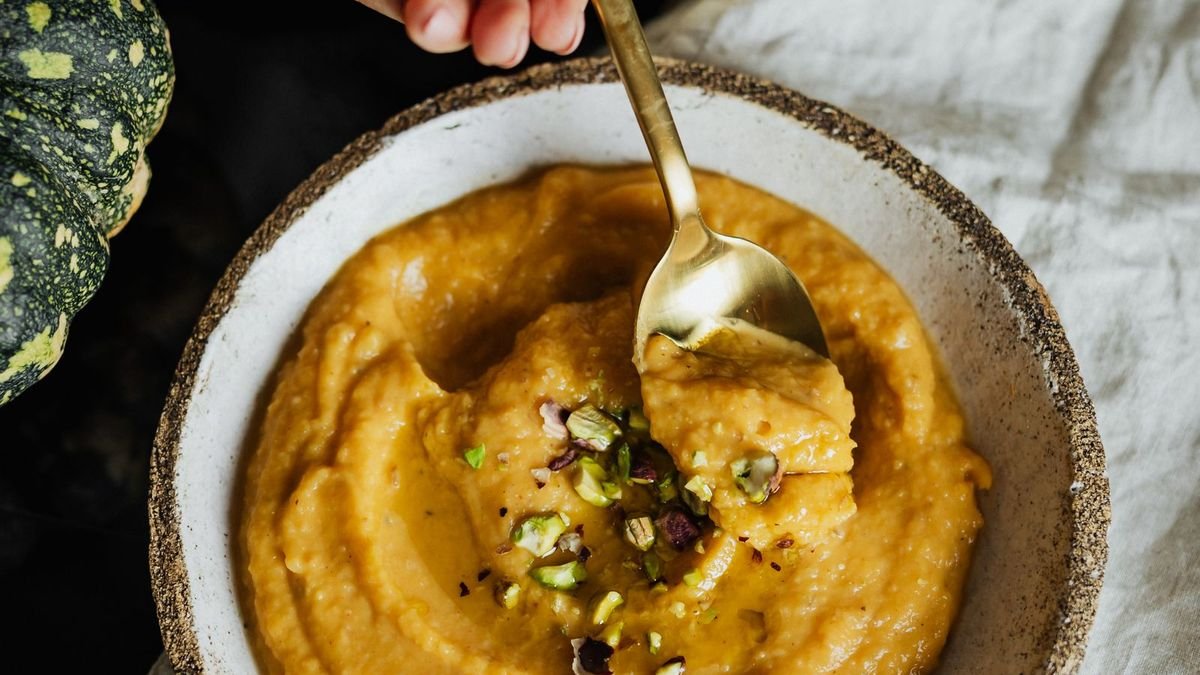
Plain pumpkin puree is another gentle food that many dog owners keep on hand. It is a soft source of fiber, and fiber helps stools hold together better as the gut calms down. I like it because it is simple, familiar, and easy to mix into a small meal. It never felt like a big change for my dog, and that mattered to me.
Expert Tip: When you are thinking about what to give dogs for diarrhea, plain pumpkin is one of the gentlest options I found. Use plain pumpkin puree only — never pumpkin pie filling, which has added sugar and spice. Mix it into a plain meal, and ask your vet if your dog has any health condition that affects what it can eat.
4. What About Plain Boiled Chicken for a Dog With Diarrhea?
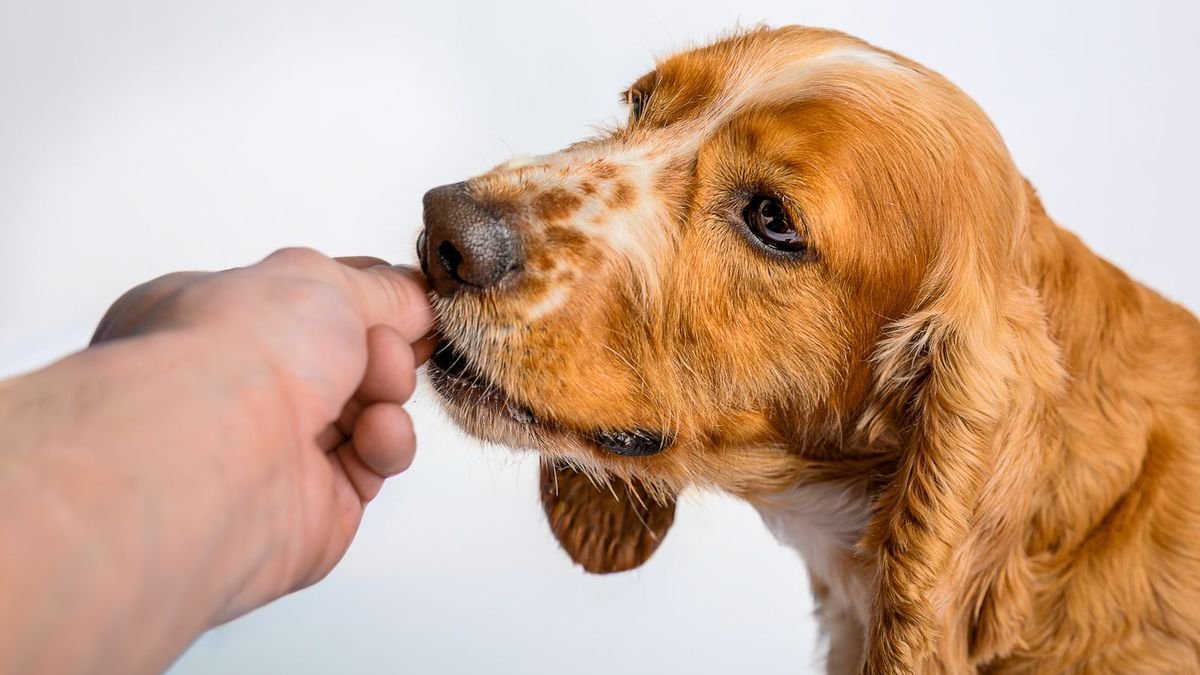
Plain boiled chicken is the lean protein I turn to when my dog needs something more than rice alone. I boil it plain, take off the skin, and make sure no bones are left in it. Seasoning stays far away from the pot. Shredded into small pieces and mixed with plain rice, it makes a simple meal that feels kind to a sore stomach.
Hand-feeding a few pieces can also calm a nervous dog. I sat on the floor with my boy once, offering him plain chicken piece by piece, and the slow pace seemed to settle us both. Food given with patience feels like care, and on a rough day, that gentle attention counts for a lot.
5. Should I Let My Dog Rest After Diarrhea?
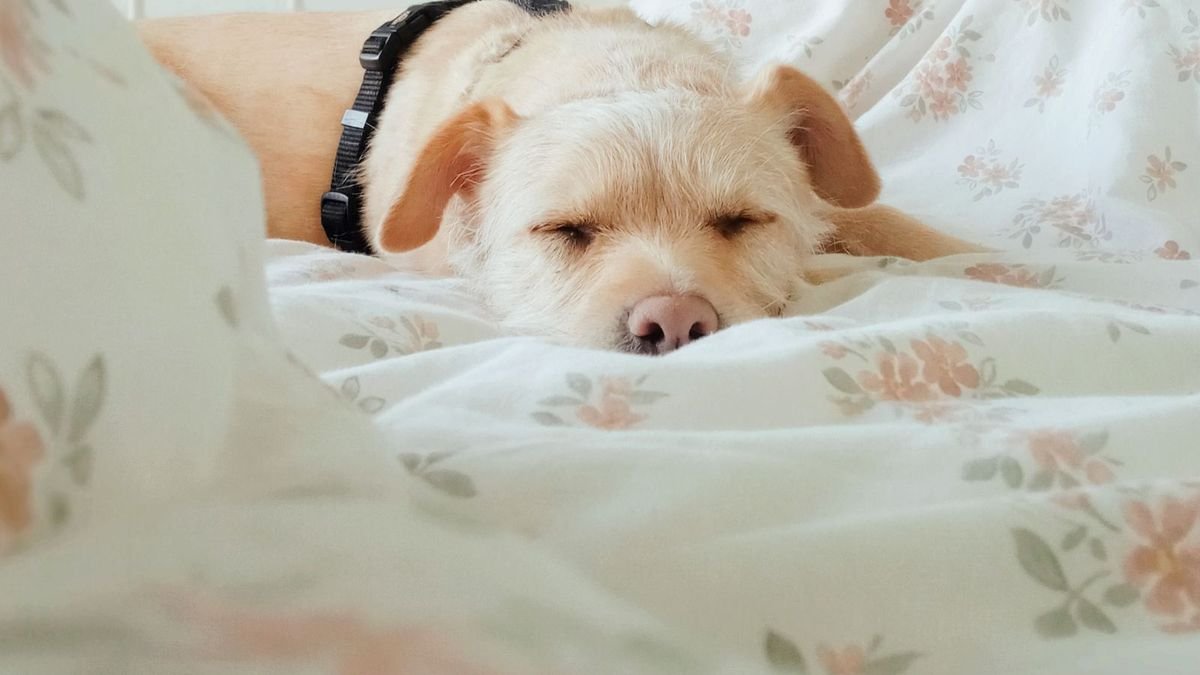
Rest is the quiet helper that most of us forget. After a bout of diarrhea, my dog wants a soft bed, a warm corner, and no fuss. I give him that. A calm body recovers better than a busy one, and a dog that can sleep undisturbed is a dog that can put its energy into feeling better.
Rest is easy to overlook when you are focused on what to give dogs for diarrhea, but it matters just as much as food. I keep the house quiet, skip the long walk, and let my dog choose his spot. Short, calm trips outside for bathroom breaks are enough until his energy comes back on its own.
6. Can I Offer Plain Potatoes or Sweet Potatoes?
Plain potatoes are another gentle choice when you are deciding what to give dogs for diarrhea. I boil them plain, mash them soft, and add nothing — no butter, no milk, no salt. Sweet potatoes work the same way, and their mild sweetness seems to tempt dogs that have gone off their food.
Potatoes and rice can take turns in a bland diet, which keeps meals from getting boring. I watch my dog’s reaction to each new plain food, and if anything seems to make things worse, I stop offering it and call my vet. A gentle food should feel gentle — that is the whole point.
7. What Foods Should I Avoid Giving My Dog?
When a dog’s stomach is upset, some foods only make the mess worse. I keep dairy, fatty leftovers, spicy food, and rich treats well away from my dog until stools are normal again. Milk and cheese are common mistakes — they feel kind, but many dogs struggle to digest them, and a sensitive gut struggles even more.
I also skip new treats, table scraps, and anything my dog found on a walk. A stomach that is already upset does not need surprises. If friends or family want to offer my dog a snack during recovery, I ask them to wait. Saying no for a few days is a small price for a calmer belly.
8. Is Plain Bone Broth Helpful for Dogs With Diarrhea?
Plain bone broth is a gentle liquid that some dog owners offer alongside fresh water. It can tempt a dog that is not keen to drink, and it feels warming on a rough day. If you try it, keep it plain — no onion, no garlic, no salt, and no seasoning. Broth is a comfort drink, not a meal, and it never replaces fresh water.
Ask your vet before offering broth, and remember that fresh water is the most important part of what to give dogs for diarrhea. If your dog will not drink at all, that is a sign to call the vet rather than to try another drink. Your vet can advise you on the safest next step for your dog.
9. Should I Ask My Vet About Probiotics?
When I looked into what to give dogs for diarrhea, probiotics came up again and again. They are the friendly gut bacteria that help digestion along, and diarrhea can throw that balance off. It sounds like a simple fix, but it is not a decision I make on my own — gut health is delicate, and every dog is different.
Talk to your vet before giving your dog any probiotic product or supplement. Your vet knows your dog’s health history and can say whether a probiotic fits or not. Never start a supplement because a friend recommended it — what helps one dog may not help another, and the wrong choice can add to the problem.
10. What to Give Dogs for Diarrhea as They Start Eating Again?
Once stools start to look normal again, I bring my dog’s regular food back slowly and gently. I mix a little of the usual food in with the plain food, so the change is gradual and the gut has time to adjust. Rushing this step can undo a lot of good work, so I let my dog’s belly set the pace.
I keep watching stools as the regular food returns. If loose stools come back, I step back to plain food for a while and call my vet for advice. A smooth return to normal meals is the goal — not a race. Patience here is the kindest thing I can offer my dog.
11. Can Plain Yogurt Help a Dog With Diarrhea?
Some dog owners offer plain, unsweetened yogurt, hoping its live cultures will help the gut. It is a kind thought, but many dogs are sensitive to dairy, and yogurt is still a dairy food. Before you decide what to give dogs for diarrhea that involves dairy, ask your vet whether it fits your dog at all.
If your vet says yogurt is fine for your dog, keep it plain — no sugar, no sweeteners, no fruit, and no flavoring. If your vet says no, trust that answer. There are plenty of other gentle options, and none of them are worth an argument with a sensitive stomach.
12. How Do I Keep My Dog’s Feeding Routine Steady?
A steady routine is one of the best gifts I can give my dog’s gut. I feed the same plain, familiar food at regular meal times, and I keep treats simple and few. Dogs do best when they know what is coming, and a gut that is not surprised is a gut that stays calm.
Sudden food changes are a common cause of upset stomachs, so I introduce any new food slowly and watch how my dog responds. The same goes for treats from friends and family — I keep them plain and rare while my dog recovers. Consistency is boring, but for a sensitive stomach, boring is wonderful.
13. Can Stress Make My Dog’s Diarrhea Worse?
Stress was the last thing I expected to matter when I was learning what to give dogs for diarrhea, but it does. A noisy house, a new visitor, fireworks, or a change in routine can unsettle a dog’s stomach just as surely as a rich meal. My dog once had loose stools after a loud party at home, and the link was clear.
I keep things calm while my dog recovers — soft voices, a familiar blanket, and gentle petting. A quiet walk around the block beats a busy dog park, and a predictable day beats a surprising one. Calm is not a cure, but it gives a worried gut one less thing to deal with.
14. What If My Dog Keeps Getting Diarrhea?
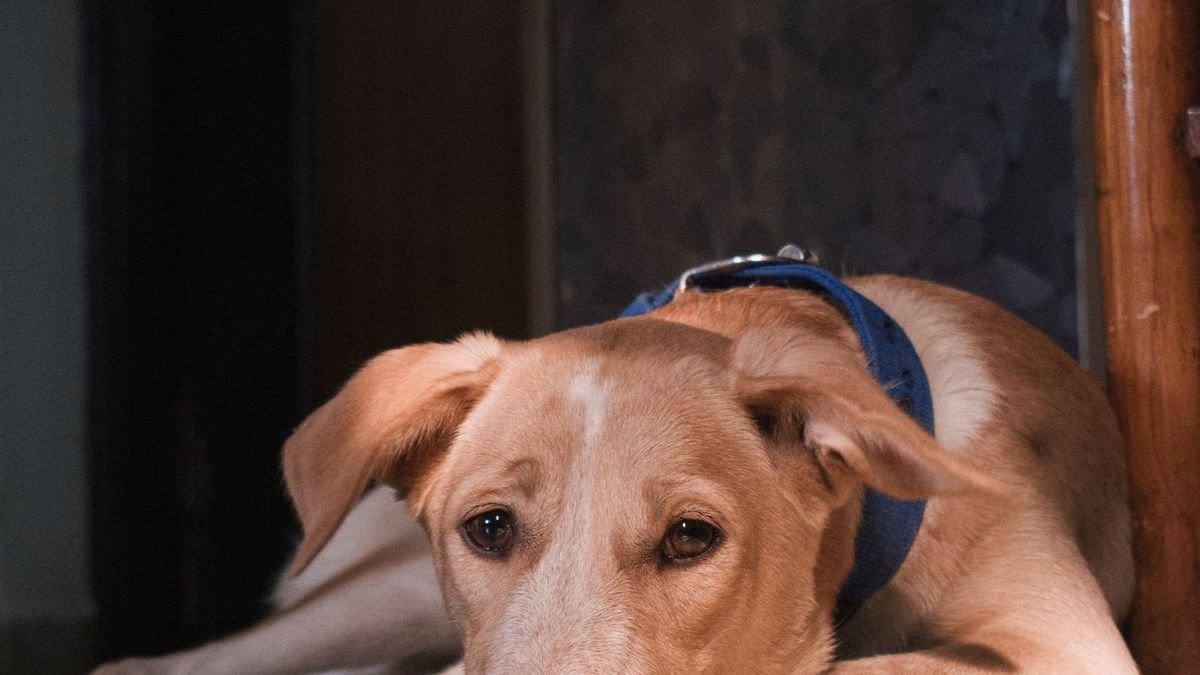
If you keep wondering what to give dogs for diarrhea because it keeps coming back, it is time to stop guessing and talk to your vet. Diarrhea that returns again and again can point to a food sensitivity, a parasite, or another health issue that plain food alone cannot sort out. My vet once told me that a pattern matters more than a single bad day.
I keep simple notes when diarrhea repeats — what my dog ate, when it started, and how he seemed. Those notes help my vet a lot more than my memory does. Do not try new foods, treats, or products on your own while the problem keeps returning; let your vet guide the next steps.
15. How Can I Help Prevent Diarrhea in the Future?
Prevention starts with the same simple habits that help during recovery. I feed a steady diet, keep fresh water available, and keep my dog away from bins, scraps, and mystery snacks on walks. Regular vet checkups and parasite prevention keep the basics covered, and a clean food bowl never hurts.
I also change foods slowly, keep treats plain, and watch my dog after any change in food or routine. Small habits add up, and a dog with a steady gut is a happier dog. None of this guarantees a problem-free life, but it gives my dog the best chance of a calm stomach.
What Should I Offer, and What Should I Avoid?
This table sums up the simple rule I follow: keep it plain while stools are loose, and skip anything rich, spicy, or new. It is a quick reminder for a stressful moment, not a medical chart — and it never replaces advice from your vet.
| Commonly offered (plain and simple) | Best avoided while stools are loose |
|---|---|
| Plain boiled rice | Rich, fatty leftovers |
| Plain pumpkin puree | Dairy foods like milk and cheese |
| Plain boiled chicken | Spicy or heavily seasoned food |
| Fresh water | Sugary drinks and treats |
| Plain boiled potatoes | Bones, rawhide, and rich chews |
When in doubt about any food, I leave it out and ask my vet. A plain meal that my dog tolerates is always better than a fancy one that upsets his stomach again. Simple food, fresh water, and rest will carry most dogs through a rough patch.
When Should I See the Vet for My Dog’s Diarrhea?
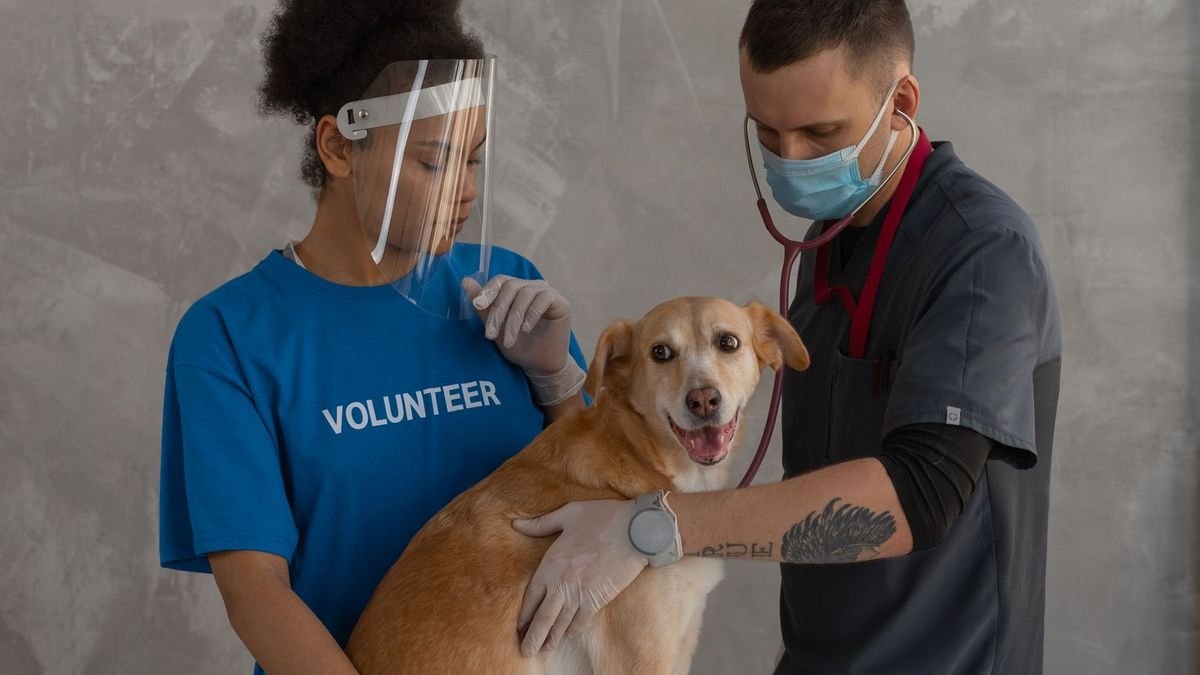
If you are unsure what to give dogs for diarrhea, the safest step is to call your vet — and some signs mean you should not wait at all. Call your vet right away if you see blood in the stool, repeated vomiting, great tiredness, weakness, signs of pain, a swollen belly, or a dog that will not drink. Puppies, older dogs, and dogs with other health conditions need prompt care too, because they can become dehydrated faster.
When you call, tell your vet what your dog ate, when the diarrhea started, and how your dog is acting. If your dog has diarrhea but is otherwise acting normal, read our guide Dog Diarrhea But Acting Normal for help deciding what to watch. A short, honest report helps your vet give you the best advice for your own dog.
Frequently Asked Questions
These are the questions I hear most from other dog owners, and the answers I wish I had on that first messy morning. They cover the everyday worries that come up when a dog has diarrhea.
If your question is not answered here, or if anything about your dog worries you, please ask your vet. No article can replace a vet who knows your dog.
What can I give my dog for diarrhea at home?
When you are deciding what to give dogs for diarrhea at home, start with fresh water, a quiet place to rest, and plain foods like boiled rice, plain pumpkin puree, and plain boiled chicken. Keep everything plain and simple, skip rich and dairy foods, and call your vet if you are unsure or if red-flag signs appear.
Can I give my dog plain rice and chicken?
Yes, plain boiled rice and plain boiled chicken are foods that many owners offer to dogs with loose stools. Cook both plain, with no butter, salt, oil, or seasoning, and let them cool first. If your dog has a food sensitivity or another health condition, ask your vet before offering them.
Is pumpkin safe for dogs with diarrhea?
Plain pumpkin puree is one of the most common answers to what to give dogs for diarrhea, and many owners find it gentle on the stomach. Use plain puree only — never pumpkin pie filling, which has added sugar and spice. If your dog has a health condition, ask your vet first.
How long does diarrhea usually last in dogs?
Mild diarrhea often settles within a day or two as the gut calms down, but every dog is different. If it lasts longer than a couple of days, keeps coming back, or comes with vomiting, blood, tiredness, or a dog that will not drink, call your vet. Do not wait for it to pass on its own.
Should I change my dog’s food after diarrhea?
Bring your dog’s regular food back gradually once stools look normal again, mixing a little usual food in with the plain food. Avoid sudden changes, and do not switch to a brand-new food during recovery. If diarrhea keeps returning, ask your vet whether a food sensitivity could be involved.
Sources and Further Reading
I checked my notes against trusted guides while writing this article. The American Kennel Club explains the signs and causes of dog diarrhea in its guide Dog Diarrhea: Signs, Symptoms, and Treatments, and VCA Animal Hospitals covers the same topic in Diarrhea in Dogs. Both are written or reviewed by veterinarians.
These sources are general information, just like this article. They can help you understand what is happening, but they cannot diagnose your dog or replace a visit to your own vet. For help with everyday dog care, you can also read our other guides on happypetcure.com.
Conclusion
Learning what to give dogs for diarrhea changed how I care for my dog on his worst days. Fresh water, rest, and plain, simple food gave us both a calmer day, and knowing when to call the vet took away the worst of my worry. My boy recovered, and I kept the lessons — simple food, a quiet house, and a quick call to the vet when something feels wrong.
If your dog is having a rough day today, take a breath. Offer fresh water, keep things calm, and watch how your dog does. Trust what you see, and trust your vet more. You know your dog best, and a gentle, watchful day is the kindest gift you can give.
This article is for general information only and is not veterinary advice. Always consult a licensed veterinarian for your dog’s health.