

I still remember the first hound I met. He was a Beagle at a friend’s farmhouse, nose glued to the ground and tail wagging like a metronome. In ten minutes he had followed a scent trail through the garden, stolen a sandwich from the picnic table, and curled up on my lap like an old friend. That is the magic of Hound Dog Breeds. They are hunters by history and clowns by nature, with long ears, soulful eyes, and a loyalty that fills a house. In this guide, I share the ten hound breeds that won my heart, what each one is like to live with, and how to pick the one that fits your home.
Key Takeaways
If you are short on time, here is the heart of this guide to Hound Dog Breeds. Read the five points below, then use the comparison table to narrow your list.
- Two kinds of hound: scent hounds follow their noses, and sighthounds hunt by sight — and both kinds appear in this guide.
- Family homes: Beagles, Basset Hounds and Harriers suit busy family homes, while Greyhounds and Whippets are the calmest couch companions.
- Space matters: Bloodhounds and Irish Wolfhounds need space and a fenced yard, while Dachshunds and Whippets adapt well to smaller homes.
- Daily needs: every hound needs daily walks, sniffing time and patient training — a bored hound will find its own fun.
- Choose with care: meet the breed in person before you decide, and match the dog to your real routine, not to a photo.
What Makes a Hound Dog Breed So Special?
Hounds were bred to hunt, and that history shapes everything about them. Scent hounds like the Beagle, Basset Hound, Bloodhound, Dachshund and Harrier were bred to follow a trail with their noses, and they still treat every walk as a detective case. Sighthounds like the Greyhound, Whippet, Afghan Hound and Irish Wolfhound were bred to spot movement and chase it, so they are built for speed and long, quiet rests. The American Kennel Club lists all ten of these Hound Dog Breeds in its Hound Group, and you can see the full family there.
What I love most is their temperament. Hounds are usually gentle, loyal and good with people, and most of them adore children — which is why several appear in our Best Family Dog Breeds guide too. They are not guard dogs and they do not enjoy being left alone for long hours. Give a hound a walk, a sniffing game and a warm spot on the sofa, and you will have a happy companion. The trade-off is a stubborn streak: once a nose or a pair of eyes locks onto something interesting, your recall cue may have to wait.
How Do the 10 Hound Dog Breeds Compare?
Use this table to compare the 10 Hound Dog Breeds side by side. Check size, temperament and energy first, then match the “Best For” column against your home and routine.
| Breed | Size | Temperament | Energy | Best For |
|---|---|---|---|---|
| Beagle | Small to Medium | Cheerful, curious | High | Active families with a fenced yard |
| Basset Hound | Medium | Easygoing, patient | Low to Medium | Quiet homes and first-time owners |
| Bloodhound | Large | Gentle, determined | Medium | Homes with space and a yard |
| Greyhound | Large | Calm, affectionate | Low to Medium | Calm homes and apartments with walks |
| Afghan Hound | Large | Dignified, playful | Medium | Owners who enjoy grooming and space |
| Dachshund | Small | Brave, lively | Medium | Small homes and playful families |
| Whippet | Medium | Gentle, quiet | Low to Medium | Apartments and calm households |
| Irish Wolfhound | Very Large | Gentle, loyal | Medium | Large homes with a big yard |
| Rhodesian Ridgeback | Large | Loyal, confident | High | Active, experienced owners |
| Harrier | Medium | Outgoing, friendly | High | Active families with a yard |
Who Are the 10 Hound Dog Breeds That Steal Hearts?
Here they are — the ten Hound Dog Breeds I kept coming back to while writing this guide. Each one has its own charm and its own idea of a perfect day. Read the ones that catch your eye, then check the table above again.
1. Beagle

The Beagle is the happiest detective you will ever meet. He is a small to medium scent hound with a merry nature, a famous nose, and a tail that rarely stops wagging. The Beagle in the photo above is sitting on the rocky shore of a lake, taking a rare break from sniffing. He is sturdy, cheerful, and wonderful with children, which is why he turns up in so many family homes.
Like all Hound Dog Breeds, a Beagle needs a fenced yard and a patient owner. He will follow an interesting smell through an open gate without a second thought, and he can be vocal when he finds something worth announcing. Daily walks, sniffing games and short training sessions keep him happy. In return, you get a loyal, funny companion who treats every member of the family as a friend.
Beagles shed lightly all year and need only a quick weekly brush. The real work is exercise and patience: a bored Beagle will bay at the window and dig in the garden. Give him a scent game or a long walk, and he will settle happily at your feet.
Best for: active families with a fenced yard and time for daily walks.
2. Basset Hound
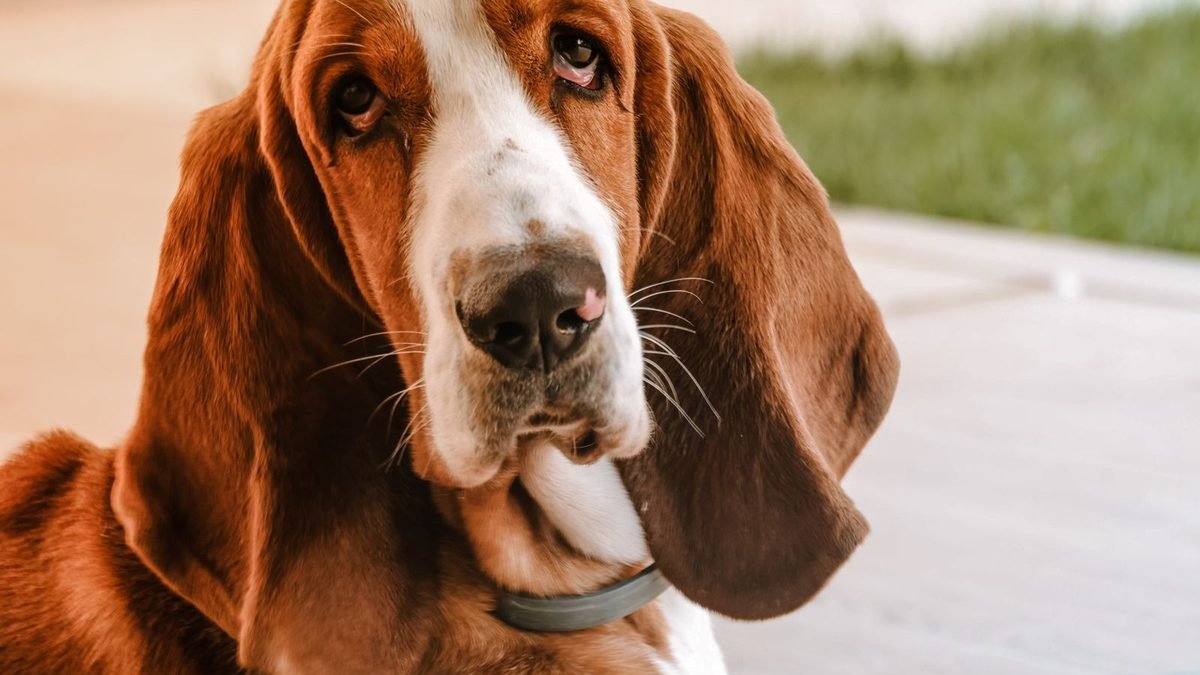
The Basset Hound is impossible to mistake: a long, heavy body on short legs, ears that sweep the floor, and eyes that could melt a stone. The close-up above shows those famous ears and that gentle, droopy face. Underneath the comedy, the Basset is a serious scent hound — second only to the Bloodhound at following a trail. He is calm, patient, and deeply fond of his people.
Bassets move at their own pace, which suits quiet homes beautifully. He enjoys short walks and long naps, and he is usually gentle with children and other dogs. His stubborn streak appears when a scent crosses his path. Kind, steady training and a fenced garden work better than rushing him.
Those long ears need a quick check and clean each week. Watch his weight, too — a heavy Basset on short legs does best with regular walks and sensible portions. Keep him lean and he will reward you with years of calm, funny company.
Best for: quiet homes and first-time owners who want a calm, loyal companion.
3. Bloodhound
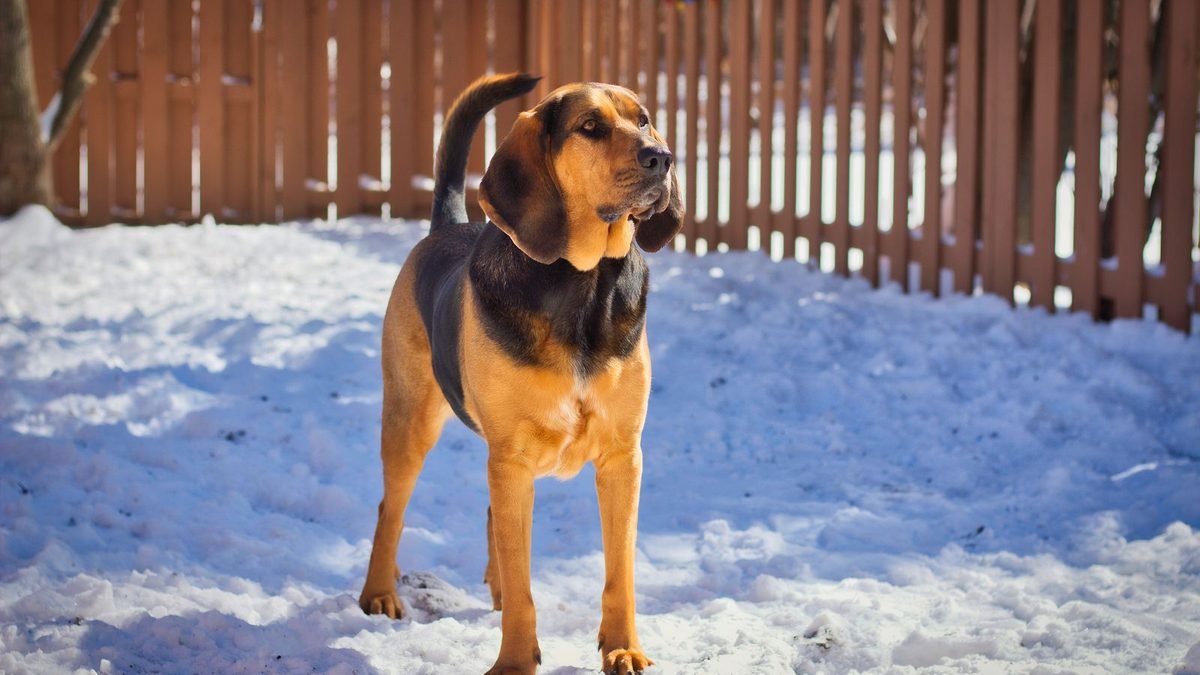
The Bloodhound is the most famous nose in the dog world. With long ears and loose wrinkled skin, he can follow a scent trail that is days old. The Bloodhound in the photo above is standing in a snowy yard, and his thick coat shows why cold weather bothers him so little. He is a gentle giant who loves his family deeply.
Bloodhounds need space and a very secure fence. Once his nose finds a trail, he will follow it with total focus, so walks are best on a lead or in a fenced area. He is patient with children and usually friendly with strangers. Training takes patience — he learns slowly and forgets nothing.
Grooming is simple: a weekly brush and regular ear checks. The trade-offs are drool and a big appetite. If you have the space and the patience, a Bloodhound will give you one of the most devoted friendships you can find.
Best for: homes with space, a yard and an owner who loves a big, gentle dog.
4. Greyhound
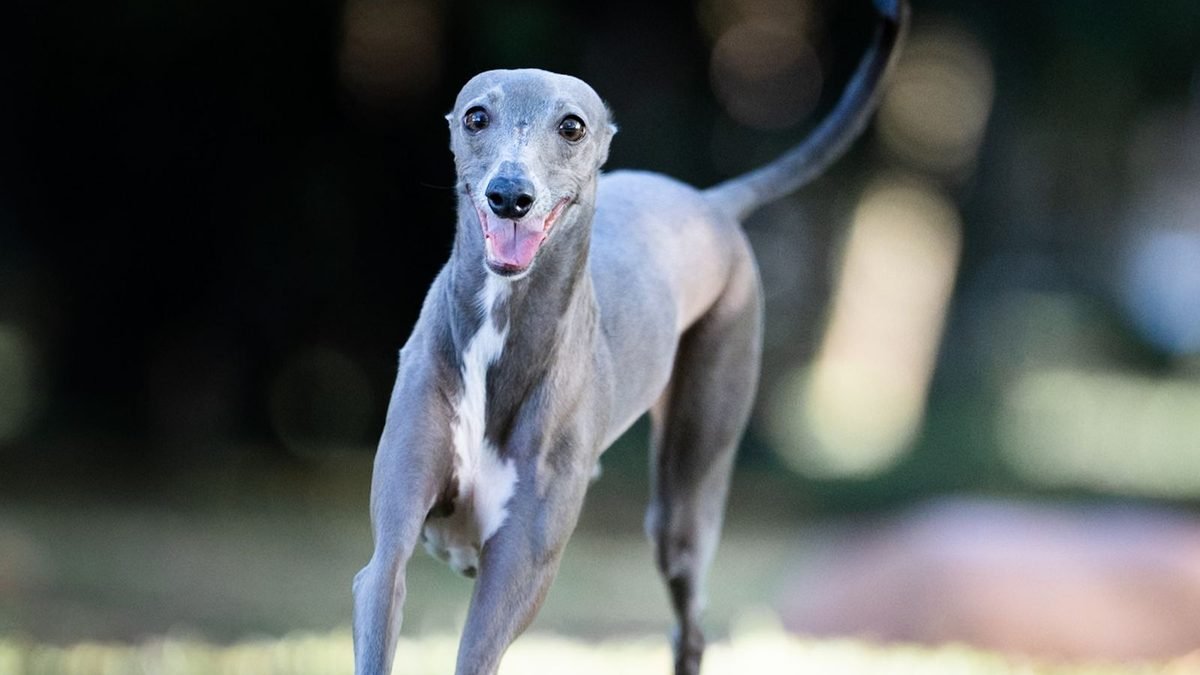
The Greyhound is the fastest dog on earth — and the laziest dog in the house. He can reach astonishing speeds on a run, then sleep for most of the day. The sighthound in the photo above is doing what sighthounds do best: running flat out across the grass, tongue out, completely joyful. At home, Greyhounds are calm and gentle.
Greyhounds suit calm homes and even apartments, as long as they get a daily walk and a chance to stretch their legs in a fenced area. They are sensitive dogs who respond best to gentle handling and a predictable routine. Many retired racing Greyhounds make wonderful pets — they love nothing more than a sofa and a person.
Their short, fine coat needs only a quick weekly brush, and they feel the cold, so a coat on winter walks helps. A Greyhound will not guard your house — but he will lean against your leg and steal your heart quietly.
Best for: calm homes and apartments with a fenced run nearby and a soft sofa.
5. Afghan Hound
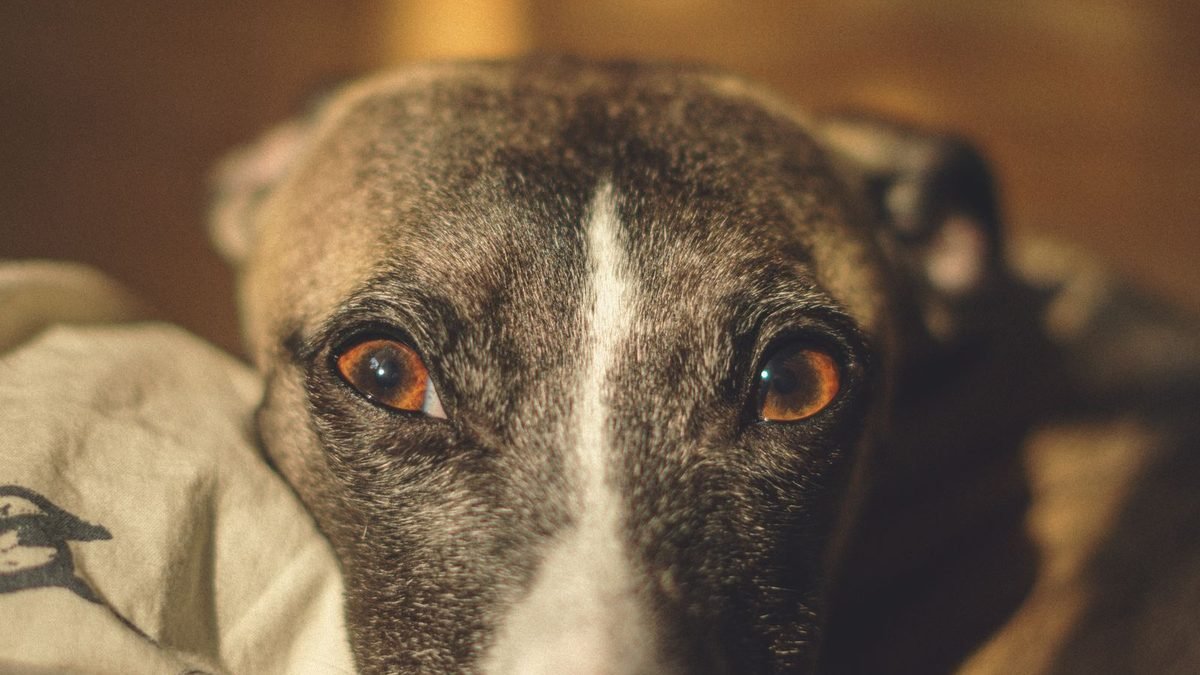
The Afghan Hound looks like a dog from a painting: tall, elegant, with a long silky coat and a proud, faraway gaze. He is a sighthound from the mountains of Afghanistan. The whippet in the photo above is a close sighthound cousin, with the same long head and gentle eyes. Afghans are dignified with strangers, but playful and loyal at home.
That beautiful coat is the Afghan’s biggest commitment. It needs regular brushing and the occasional bath to stay free of tangles, so be honest about your grooming time before you fall in love. He needs daily exercise and a fenced area to run in. Short, fun sessions with treats work far better than drilling him.
Afghans are clean dogs with little doggy smell, and they are usually quiet indoors. They bond deeply with their people. If you want a glamorous, athletic companion and you enjoy grooming, the Afghan is a show-stopper.
Best for: owners who enjoy grooming, space to run, and a dignified, elegant companion.
6. Dachshund
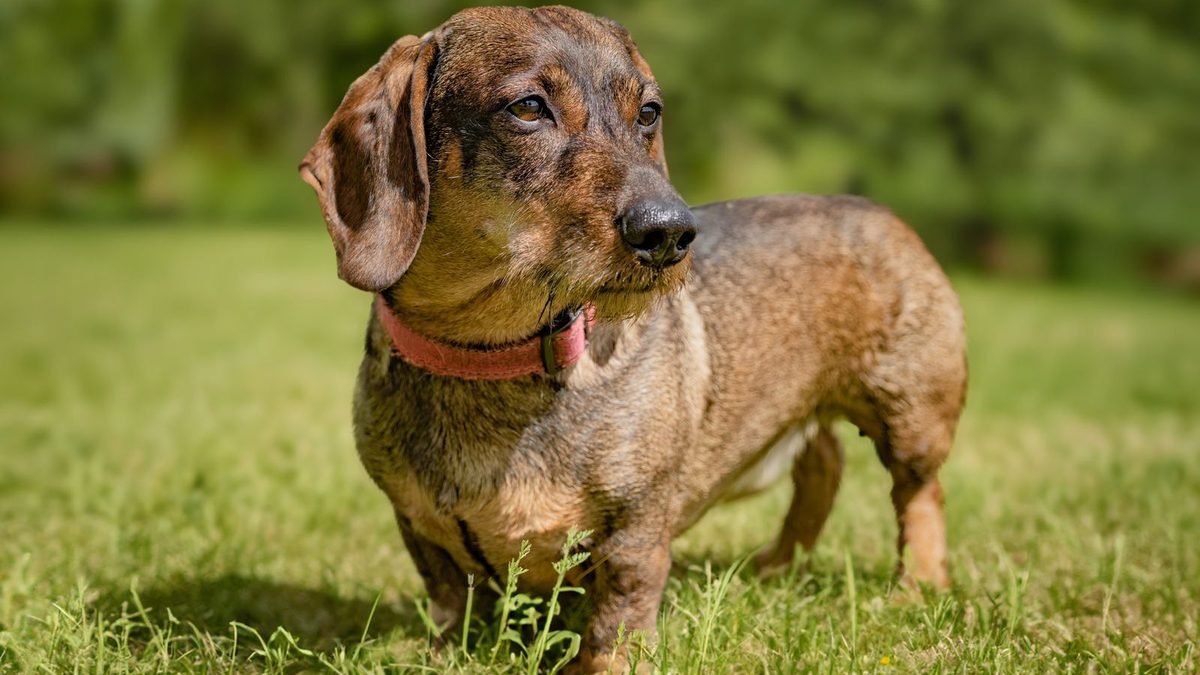
The Dachshund is a small dog with a very big personality. Bred in Germany to hunt badgers underground, he has a long body, short legs and a brave heart that does not know he is small. The dachshund in the photo above shows that famous shape: long back, short legs, and a confident stance on the grass. He is lively and devoted to his people.
Dachshunds, like all Hound Dog Breeds, love to burrow under blankets, dig in the garden and follow you from room to room. They can be stubborn and a little vocal, and they sometimes forget their manners with strangers. Early socialisation and kind, consistent training help a lot. He is a wonderful small-home dog, as long as he gets daily walks and play.
His long back deserves gentle care: use ramps or steps for the sofa and car, and keep him at a healthy weight. Grooming depends on the coat — smooth coats need a quick brush, while wire-haired and long-haired Dachshunds need more.
Best for: small homes and playful families who want a brave little shadow.
7. Whippet
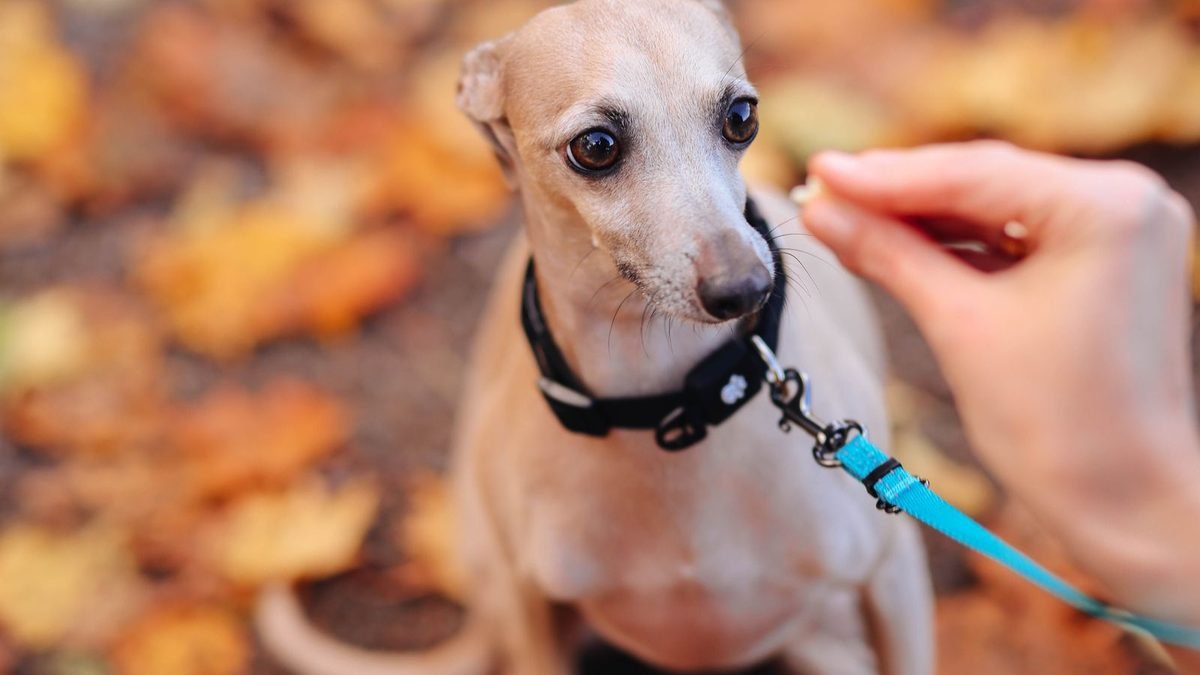
The Whippet is a smaller, gentler version of the Greyhound, and one of the sweetest dogs you can bring home. He is quiet, clean and affectionate, with a love of running that surprises first-time owners. The whippet puppy in the photo above is learning that good things come to polite puppies. Whippets learn fast when training is fun.
A Whippet needs a good run in a fenced area, then he is happy to sleep for hours. He is one of the best apartment hounds because he is quiet indoors and settles easily. His short coat needs little grooming, and he feels the cold, so a warm coat on winter walks keeps him comfortable. He adores his people and likes to be close to them.
Whippets are sensitive and do not enjoy rough handling or raised voices. They are gentle with children and usually good with other dogs. Give a Whippet a run and a lap to share, and you will wonder how you ever lived without one.
Best for: apartments and calm households that want a gentle, quiet runner.
8. Irish Wolfhound
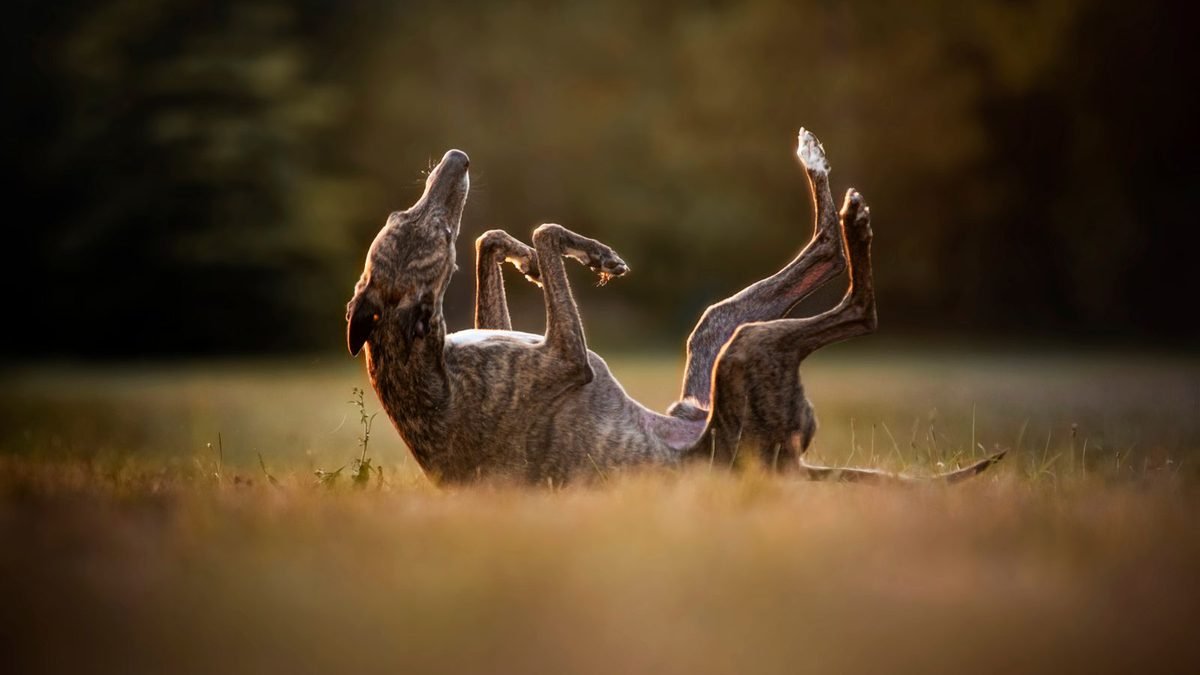
The Irish Wolfhound is the tallest of all dog breeds, and the gentlest giant you are likely to meet. He was bred in Ireland to hunt wolves, yet today he is famous for his calm, patient nature. Like the greyhound rolling in the grass in the photo above, Irish Wolfhounds have a joyful, goofy side. Despite his size, he is usually quiet indoors.
An Irish Wolfhound needs a large home and a big, fenced yard — he is simply too big for a small flat. He eats more than smaller hounds, and everything about him is large. He is wonderful with children, but his size means play should be supervised. Training is easy: he wants to please and rarely argues.
Irish Wolfhounds live shorter lives than smaller hounds, so every year with one feels precious. Their shaggy coat needs a weekly brush, and they love company. If you have the space, you will get a loyal friend who leans on you, literally and otherwise.
Best for: large homes with a big yard and owners ready for a giant, gentle friend.
9. Rhodesian Ridgeback
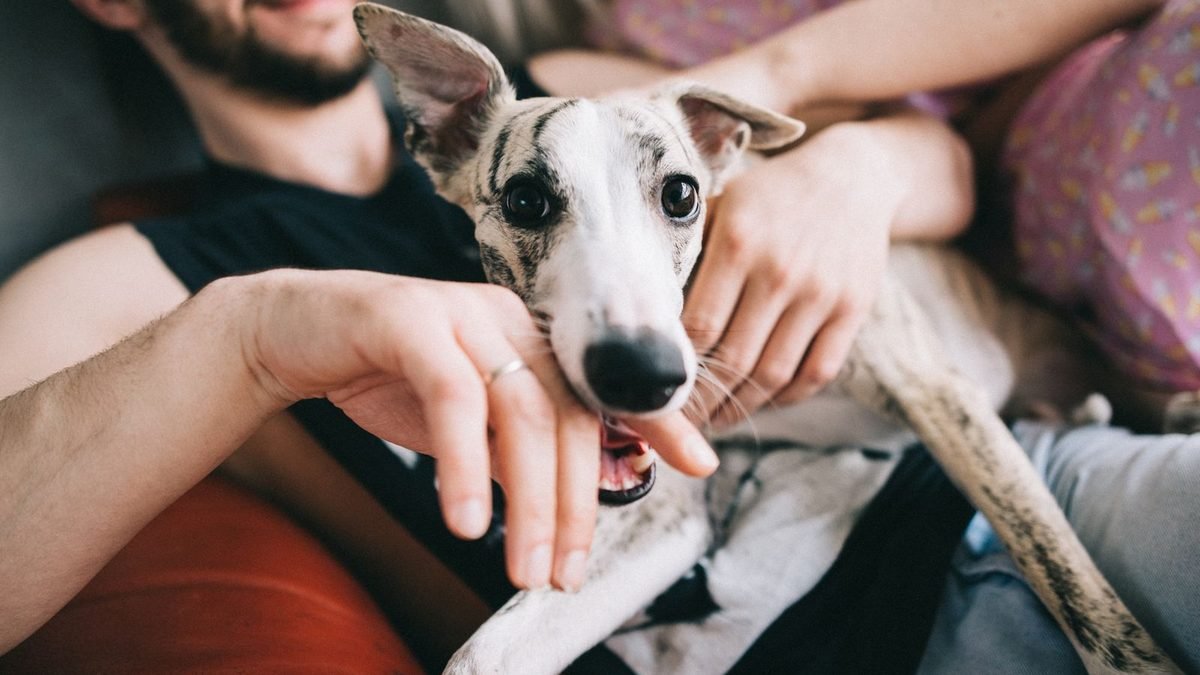
The Rhodesian Ridgeback is named for the ridge of hair that grows backwards along his back — a mark no other breed shares. He was bred in southern Africa as a strong, athletic hunting dog, and he still carries that confidence today. Like the whippet being cuddled in the photo above, Ridgebacks are deeply affectionate with their own people and love close contact.
Ridgebacks need an active, confident owner. They are strong, clever and independent, and they do best with early training and plenty of exercise. A bored Ridgeback will make his own entertainment in your garden. He is loyal and protective of his family, and usually polite with strangers.
His short coat is easy to care for, needing only a weekly brush. Ridgebacks thrive on routine, long walks and a job to do — running, hiking or training games all suit him. In the right home, he is a steady, devoted companion.
Best for: active, experienced owners with a yard and time for training.
10. Harrier
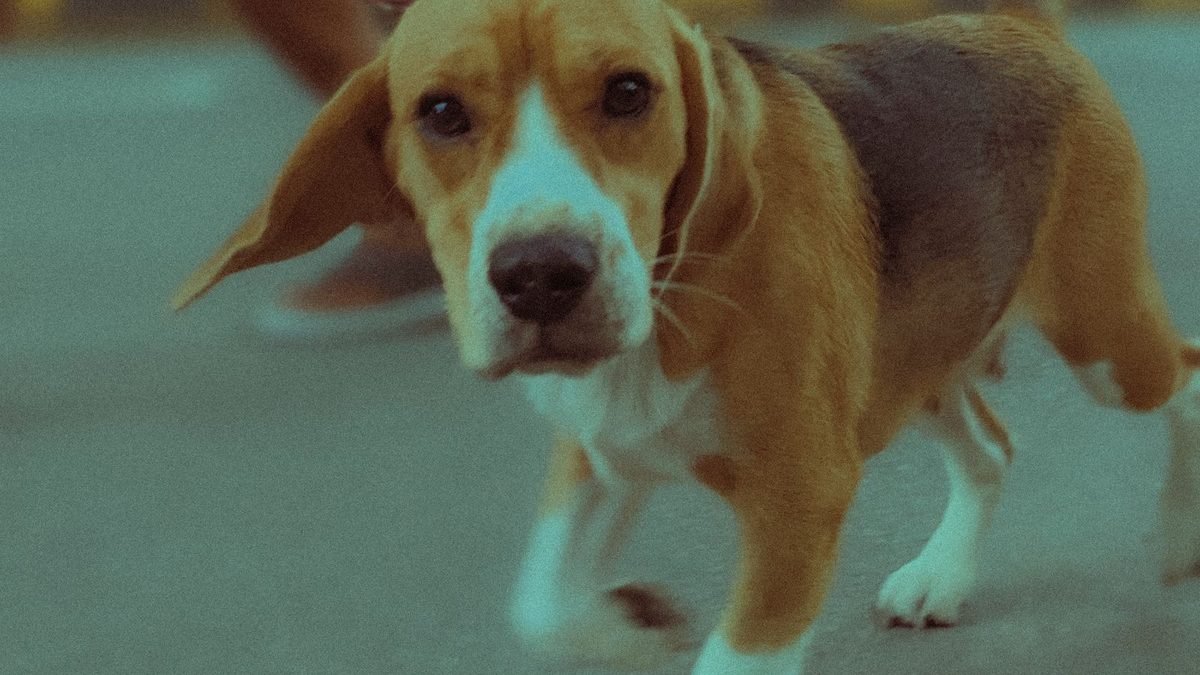
The Harrier is the hound most people mistake for a Beagle — and the resemblance is real. Harriers look much like the Beagle in the photo above, only taller, with longer legs built for a full day in the field. He is a cheerful, outgoing scent hound who loves company.
Harriers need a lot of exercise — more than most owners expect. A long walk, a run in a fenced field and playtime with other dogs will keep him content. He is friendly, tolerant and usually great with children. Like all scent hounds, he follows his nose, so a fenced yard matters.
Harriers are rare, so finding a puppy or a rescue may take patience — talk to breed clubs and rescues. Grooming is easy with his short coat. Give him exercise, company and a secure yard, and he will reward you with endless enthusiasm.
Best for: active families with a yard who want a cheerful, sociable hound.
How Do I Choose the Right Hound Dog Breed for My Home?
Start with your week, not with a photo. Write down how much time you can give to walks, how big your home and yard are, and who will train the dog. A Beagle or Harrier will want far more activity than a Greyhound or Basset Hound, so match the energy to your routine. If you live in a flat, read our guide to the best dog breeds for apartments before you shortlist, and if children are part of the picture, our Best Family Dog Breeds guide will help too.
Then think about size and grooming. If you want something between a small hound and a giant one, our medium dog breeds guide covers the middle-sized companions that suit most homes. And be honest about grooming: an Afghan Hound’s coat is a weekly commitment, while a Whippet needs almost nothing. Choose the dog you can care for happily for the next ten to fifteen years.
Finally, meet the breed before you decide. Visit a breeder, a breed club or a shelter, ask about barking, exercise and alone time, and spend time with the dog. The right choice among the Hound Dog Breeds is the one that fits your real life.
What Should I Know Before Bringing a Hound Dog Breed Home?
Daily life with a hound is simple once you understand the nose. Give your dog two walks a day, plus sniffing games — hiding treats in the garden tires him out faster than a run. Keep your yard fenced and check the gate, because a hound that catches an interesting smell will not stop to ask permission.
Training works best with patience and treats. Hounds are clever but independent, so keep sessions short and fun, and reward the behaviour you want. Socialise your puppy early with people, dogs and everyday sounds. Grooming is mostly easy: brush short coats weekly, check long ears, and give the Afghan’s coat the extra time it needs. If you love sighthounds, our Top 15 Indian Dog Breeds guide introduces the Mudhol Hound and the Rampur Greyhound too.
Hounds are social dogs and dislike long hours alone, so plan your workday around them if you can. A tired hound is a happy hound: walks, games and company are all it takes. Get those three right, and your Hound Dog Breeds companion will fill your home with warmth.
My Final Thoughts on Hound Dog Breeds
I started this guide thinking I would pick a favourite, and I finished it with ten Hound Dog Breeds on my list. Hounds are funny, loyal and endlessly interesting, and each one brings something different to a home — a Beagle’s joy, a Greyhound’s calm, a Bloodhound’s devotion. Take your time, meet the breeds, and choose the dog whose energy matches your life. If this guide helped you, share it with a friend who is thinking about a hound — and if you already share your sofa with one, you know exactly what I mean.
Frequently Asked Questions About Hound Dog Breeds
These are the questions I hear most often from readers who are choosing one of the Hound Dog Breeds. Each answer is short and honest.
What Is the Best Hound Dog Breed for a First-Time Owner?
The Beagle and the Basset Hound are my top picks for first-time owners. Both are friendly, forgiving and easy to live with, as long as you give them daily walks and a fenced yard. If you want a calmer dog, the Whippet is another gentle choice — quiet indoors and happy with a daily run.
Are Hound Dog Breeds Good with Children?
Yes, most Hound Dog Breeds are gentle and patient with children, especially Beagles, Basset Hounds and Irish Wolfhounds. Teach children to be gentle, never leave a small child alone with any dog, and give the dog a quiet place to rest. For more on family life with dogs, see our Best Family Dog Breeds guide.
Do Hound Dog Breeds Bark a Lot?
It depends on the breed. Scent hounds like Beagles and Harriers can be vocal — Beagles bay when they catch a scent, and Basset Hounds have a deep, carrying bark. Sighthounds like Greyhounds and Whippets are usually quiet. Daily exercise and training help, and boredom makes barking worse.
Can Hound Dog Breeds Live in an Apartment?
Some can, yes. Whippets and Greyhounds are the best apartment hounds — quiet, clean and happy to sleep for hours after a walk. Beagles and Dachshunds can adapt too, if they get enough exercise and play. Bloodhounds and Irish Wolfhounds need more space. Our guide to the best dog breeds for apartments covers the details.
How Much Exercise Does a Hound Dog Breed Need?
Most hounds do well with about an hour of walking and play each day, split into two outings, plus sniffing games at home. High-energy breeds like Beagles, Harriers and Ridgebacks need more, while Greyhounds and Basset Hounds are happy with less. A settled, sleepy hound in the evening is a well-exercised one.
Sources
I checked breed size, temperament and exercise guidance against the American Kennel Club’s Hound Group pages, and linked our own breed guides below for further reading.
- American Kennel Club — Hound Group
- Happy Pet Cure — Best Family Dog Breeds: Complete Guide for Families
- Happy Pet Cure — 15 Best Dog Breeds for Apartments: Complete Guide for Apartment Living
- Happy Pet Cure — Medium Dog Breeds: The Perfect Balance Between Size, Energy, and Companionship
- Happy Pet Cure — Top 15 Indian Dog Breeds That Prove Desi Dogs Are the Best Companions!
All external links were checked and loaded at the time of writing. If a breed page moves, search the American Kennel Club site.