

When I first started looking for a dog, I felt stuck between two extremes. Small dogs seemed too fragile for my family life, and large dogs felt like too much dog for our home and car. Then I discovered medium dog breeds, and everything clicked. These medium-sized dogs usually weigh 20 to 60 pounds, which makes them sturdy enough for playtime yet easy to lift, travel with, and fit on the sofa. In this guide, I share what I learned living with my Beagle, Milo, plus the energy levels, shedding, and temperament differences that matter most. If you want a family-friendly companion that fits life, you are in the right place.
Key Takeaways
Here is the short version of this guide, based on my own experience and the breed details below. Most medium dog breeds weigh 20 to 60 pounds and live 10 to 15 years. They need a mix of walks, play, and training, and they usually settle well in homes with a yard or a nearby park. The right match depends more on energy and temperament than on looks alone.
- Medium means manageable: most of these dogs weigh 20 to 60 pounds, so they are sturdy but still easy to travel with.
- Energy varies a lot: a Border Collie needs far more activity than a Bulldog, so match the breed to your daily routine.
- Shedding and grooming differ by coat: Beagles shed lightly all year, while Cocker Spaniels need regular brushing.
- Many medium dog breeds do well in apartments when they get daily walks and playtime.
- Choose for temperament first: gentle, social dogs usually fit families best, while independent breeds suit experienced owners.
Keep this list in mind as you read the breed table below. It will help you compare size, energy, shedding, and temperament at a glance, and then dig into the breeds that catch your eye.
What Is a Medium Dog Breed?
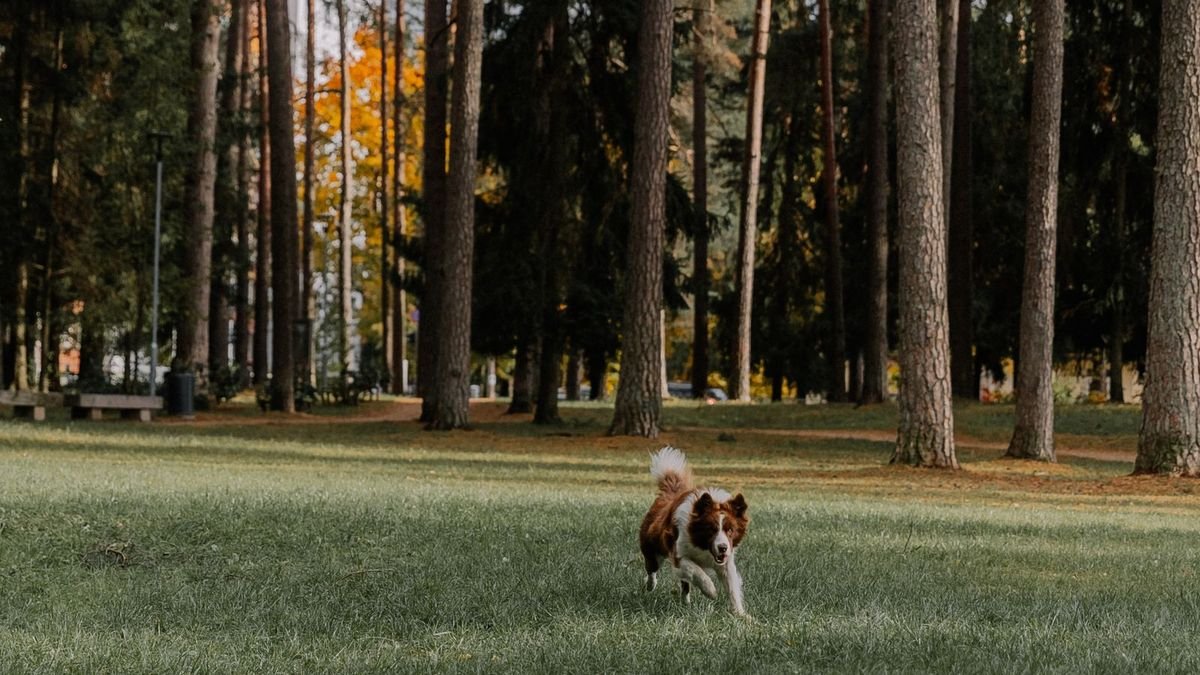
A medium dog breed is a dog that usually weighs between 20 and 60 pounds and stands about 18 to 24 inches tall at the shoulder. That middle range is what makes these dogs so practical. They are big enough to join a hike or a game of fetch, yet small enough to curl up on the sofa or ride comfortably in the back seat. When I measured Milo against that range, everything made sense: at 26 pounds, he fits through a standard dog door, eats a reasonable amount, and can still keep up with me on a three-mile walk.
Breed groups do not always agree on the exact cut-off, so treat the range as a guide rather than a rule. Some lists put the top end at 50 pounds, while others stretch it to 70. What matters is the balance: a medium dog is neither fragile nor overpowering. If a breed sits close to the line, look at its height, build, and energy as well as its weight before you decide.
Why Are Medium Dog Breeds So Popular?
Before Milo, I dog-sat for two friends, and the contrast taught me more than any article could. One had a tiny lap dog I worried about stepping on, and the other had a giant breed that pulled me down the street and took up the whole sofa. I wanted the middle ground: a dog I could walk without a wrestling match, travel with without a van, and cuddle without being squashed. That middle ground is why so many families land here.
Popularity also comes from choice. Medium dog breeds cover almost every personality, from the clever Border Collie to the easygoing Bulldog. You can find a running partner, a calm couch companion, a kid-friendly playmate, or a watchful family dog without changing size class. That variety means the search starts with lifestyle, not with size alone, which makes the decision feel much less overwhelming.
What Are the Best Medium Dog Breeds?
There is no single best breed, because the best dog for a marathon runner is a poor fit for a quiet homebody. The ten breeds below are the ones I kept coming back to while researching this guide. They are popular for good reasons: steady temperaments, manageable size, and a long record as family companions. Read the table first for a quick comparison, then look closer at the groups that match your life.
I grouped the breeds by energy and temperament rather than listing them alphabetically, so you can skip straight to the group that fits your days. High-energy dogs suit active owners, calm dogs suit relaxed homes, and the loyal family group suits households with children. Every one of these medium dog breeds can be a wonderful companion; the trick is matching the dog to the home, not the other way around. Weights and traits below are typical ranges for each breed, not promises, and individual dogs can vary.
| Breed | Size | Energy | Shedding | Temperament | Best Home |
|---|---|---|---|---|---|
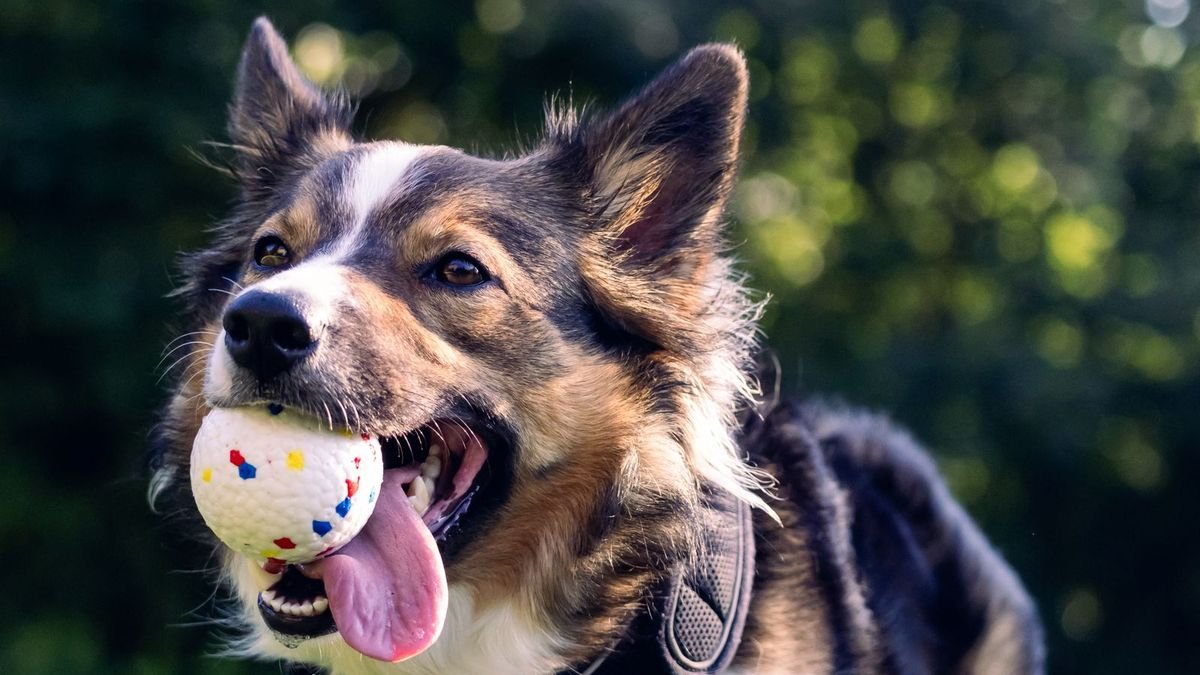
| Border Collie | 30–55 lb | Very high | Moderate | Clever, loyal | Active home with a yard |
| Australian Shepherd | 40–65 lb | Very high | Heavy | Lively, devoted | Active family, daily training |
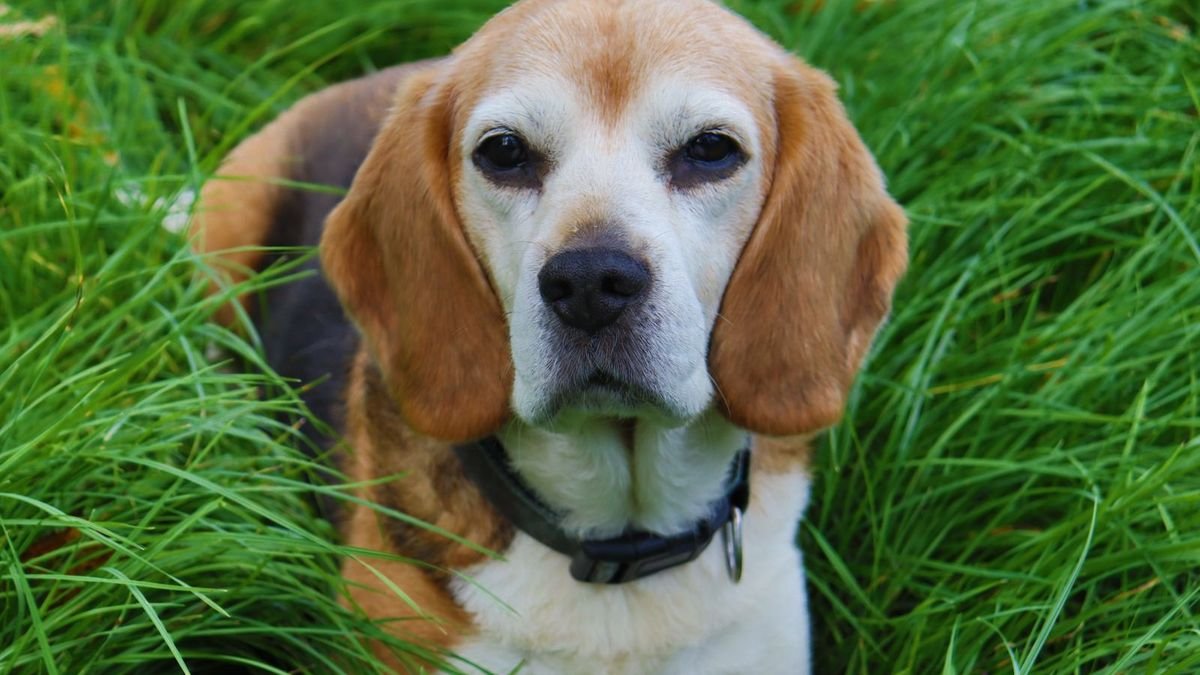
| Beagle | 20–30 lb | High | Light to moderate | Cheerful, curious | Family with a fenced yard |
| Cocker Spaniel | 20–30 lb | Moderate | Moderate | Gentle, affectionate | Calm family, daily brushing |
| Bulldog | 40–50 lb | Low | Moderate | Calm, friendly | Relaxed home or apartment |
| Boxer | 50–80 lb | High | Light | Playful, protective | Active family with children |
| Siberian Husky | 35–60 lb | Very high | Heavy | Outgoing, independent | Active home, secure yard |
| Basset Hound | 40–65 lb | Low to moderate | Moderate | Easygoing, patient | Quiet family, short walks |
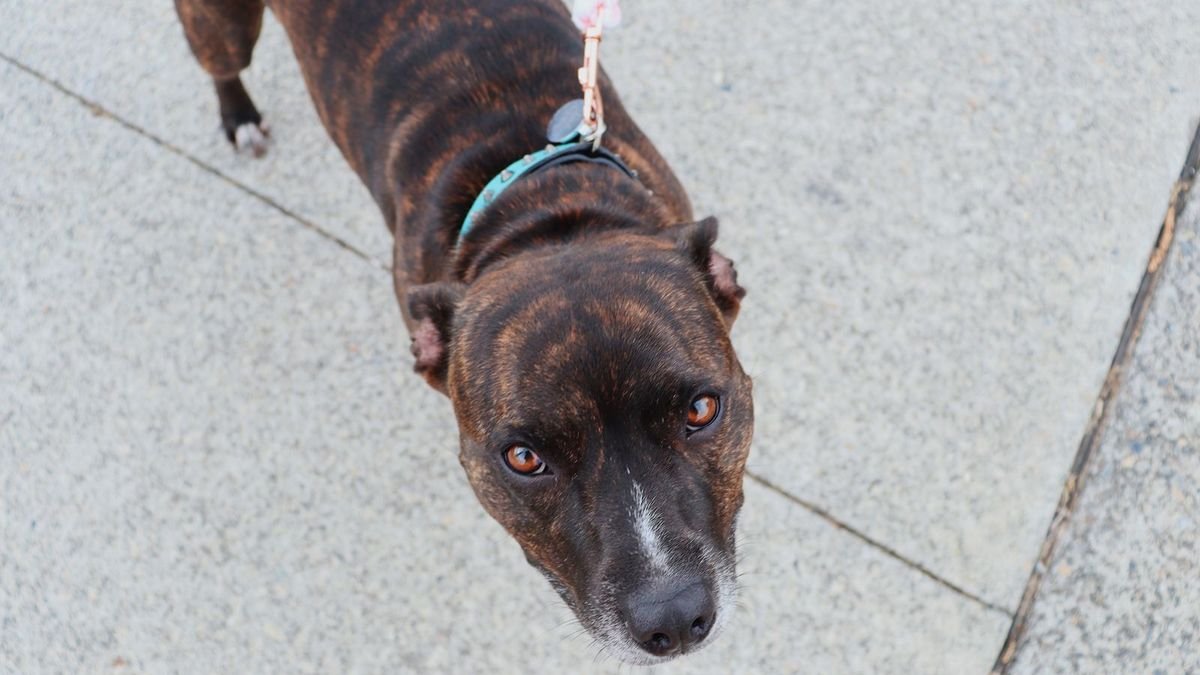
| Staffordshire Bull Terrier | 24–38 lb | High | Light | Brave, affectionate | Active family, firm routine |
| Australian Cattle Dog | 35–50 lb | Very high | Moderate | Smart, hardworking | Active home with a job to do |
High-Energy Medium Dog Breeds
If your idea of a good day includes a long run, a hike, or an hour at the park, these breeds will happily keep up. The Border Collie is the cleverest dog I have ever met: a friend’s Collie learned the names of his toys in a week, and he still invents games when he is bored. Australian Shepherds are just as bright and love having a job, whether that is agility, herding practice, or learning new tricks. Huskies bring endless enthusiasm and a love of cold weather, while Australian Cattle Dogs are tough, loyal workers that thrive on routine.
The trade-off is time. High-energy dogs that miss their daily activity often invent their own fun, and that usually means chewed shoes or a dug-up garden. I learned to plan two activity sessions a day for Milo, and that rhythm kept him calm indoors. If you work long hours away from home, these breeds are probably not your best match, unless you can arrange a walker or daycare. Choose them only when your schedule has real room for exercise and training.
Expert Tip: Teach a high-energy dog a settle cue early. A short training game before breakfast and a walk after work did more for my dog’s manners than any long weekend hike ever did.

Calm and Gentle Medium Dog Breeds
Not every medium dog wants to run a marathon, and that is good news for quieter homes. The Bulldog is the classic couch companion: short walks, long naps, and a calm, friendly manner that suits apartments and older owners. Basset Hounds are patient and easygoing, with a famous sense of smell and a slow, steady pace that makes walks relaxing. Cocker Spaniels sit in the middle: gentle and affectionate, happy with a daily walk and a brushing session, and usually wonderful with respectful children.
Calm does not mean no effort. Bulldogs need help staying cool in hot weather and keeping their skin folds clean, while Bassets need ear care and a watchful eye on their weight. Cocker Spaniels need regular grooming to keep their long ears and coats in good shape. The reward is a relaxed companion that fits easily into a calm routine, which is exactly what many first-time owners need.


Loyal Family Medium Dog Breeds
If children are part of the picture, this group deserves a close look. Beagles are cheerful, sturdy, and endlessly curious, and Milo has taught me that a Beagle will follow a good smell anywhere, so a fenced yard matters. Boxers are playful and protective, with a clownish streak that children love and an energy level that keeps up with them. Staffordshire Bull Terriers are strong, affectionate dogs that bond deeply with their families and do best with a firm, consistent routine.
Family dogs still need boundaries. I taught my children to let Milo rest, to trade toys instead of grabbing them, and to walk him on a short lead rather than chasing him. Those small rules made our home calmer for everyone. A loyal family dog gives back far more than it asks, but the adults in the house still need to set the routine, supervise play, and keep training consistent.
How Much Exercise Do Medium Dog Breeds Need?
Most medium dog breeds need 60 to 90 minutes of activity a day, split between walks and play, although the range is wide. A Bulldog may be happy with two short walks and a gentle game, while a Border Collie can need two hours or more, including training and mental games. I plan Milo’s day around a morning walk, a midday sniffy stroll, and an evening game of fetch, and that mix keeps him settled. Watch your dog rather than the clock: a calm dog that sleeps well is getting enough.
Mental exercise counts just as much as physical exercise. Puzzle feeders, sniffing games, and short training sessions tire a clever dog out faster than another lap around the block. On rainy days, I hide treats around the living room and let Milo search for them, which takes ten minutes and leaves him happily tired. Mix physical and mental activity, and most medium dog breeds will be content in a home of any size.
Expert Tip: Count training as exercise. Five minutes of teaching a new trick can tire a clever dog out as much as a twenty-minute walk.
Are Medium Dog Breeds Good for Apartments?
Yes, many of them are, as long as their daily needs are met. A medium dog that gets two good walks, playtime, and a little training can be perfectly happy in an apartment. Bulldogs, Basset Hounds, and Cocker Spaniels are often the easiest apartment dogs because they are calm indoors and do not need a huge garden. The key is not the size of your home but the quality of your routine, and that is a point I wish more guides would make.
The breeds that struggle in apartments are the ones with very high energy and a strong voice. Huskies and Beagles can be noisy when bored, and a Border Collie in a small flat without enough activity will find its own entertainment. If you live in an apartment, pick a calmer breed, plan your walks before you bring the dog home, and check your building’s pet rules first. For a deeper look at apartment living, see our guide to the best dog breeds for apartments.

How Do I Train a Medium Dog Breed?
Training a medium dog is mostly about consistency and kindness. Start with the basics — sit, stay, come, and loose-lead walking — and practise in short, happy sessions of five to ten minutes. I trained Milo with small treats and lots of praise, and he learned faster when sessions were short and fun. Medium dogs are strong enough to pull, so loose-lead walking is worth teaching early, before bad habits settle in.
Socialisation matters as much as commands. Introduce your dog to different people, sounds, and places while it is young, and keep those experiences positive. Well-socialised medium dog breeds are confident rather than fearful, which makes vet visits, walks, and guests far easier. If you hit a snag, a local trainer can help for a session or two; asking for help early is far cheaper than fixing a habit later.
What Does a Medium Dog Breed Puppy Need in the First Year?
A medium puppy grows fast, so the first year is about steady routines and gentle guidance. Set up a sleeping spot, a feeding routine, and a toilet area on day one, and keep them the same while your puppy learns. I kept Milo’s first weeks simple: short walks, plenty of naps, and a small set of rules that everyone in the house followed. Puppies sleep a lot, and that sleep is when they grow, so a quiet corner matters as much as a toy box.
Feeding, grooming, and play all need a routine too. Ask your breeder or rescue what the puppy has been eating, and change foods slowly if you switch. Brush the coat a few times a week so grooming feels normal, and rotate toys to keep play interesting. Book a first check with your veterinarian to talk through vaccinations and general care, and keep notes on your puppy’s weight and habits so you can spot changes early.

How Do I Choose the Right Medium Dog Breed for My Family?
Start with your week, not with a photo. Write down how much time you can give to walks, training, and grooming, how much space you have, and who will help. Then match those answers to the medium dog breeds in the table above. A family that hikes every weekend will love a Border Collie or an Australian Cattle Dog, while a quieter household may be happier with a Bulldog or a Basset Hound. Our guide to the best family dog breeds walks through the same decision step by step.
If allergies or shedding worry you, look at low-shedding options before you fall in love with a heavy shedder. Our guides to small hypoallergenic dogs and small dog breeds that do not shed explain what low-shedding really means in daily life. Whatever you choose, meet the dog first, ask about its parents and daily routine, and be honest about your own. The right medium dog is the one whose needs match the life you actually live.

What Grooming Do Medium Dog Breeds Need?
Grooming needs follow the coat, and medium coats vary more than most people expect. Short-coated breeds such as Beagles and Boxers need a quick brush once a week and a bath only when they get dirty. Double-coated breeds such as Australian Shepherds and Huskies shed heavily twice a year and need brushing several times a week to keep loose hair under control. Long-eared breeds such as Cocker Spaniels need their ears checked and cleaned regularly, because trapped moisture can cause problems.
I brush Milo twice a week, and the routine takes ten minutes once the habit is set. I keep the brush by the back door and make it part of our evening wind-down, which means it never feels like a chore. Trim nails every few weeks, brush teeth a few times a week, and check ears and paws after muddy walks. A dog that is used to being handled is far easier to groom, so start young and keep every session short and positive.
How Much Does a Medium Dog Breed Cost to Keep?
A medium dog costs less to keep than a large dog, mainly because it eats less, but the bills still add up. Food is the biggest regular cost, and it rises with the dog’s size: a 55-pound dog eats noticeably more than a 25-pound one. Grooming costs depend on the coat, with long-coated breeds needing more brushing time or professional grooming. Routine veterinary care, flea and worm prevention, toys, bedding, and a good lead and collar all add to the monthly total.
Before you commit, add up a realistic monthly budget and check it against your income. Ask local owners what they spend, because prices vary by area and by breeder. Rescue dogs often cost less up front than puppies from a breeder, and many rescues include initial veterinary care in the adoption fee. The cheapest part of owning a dog is usually the day you bring it home, so plan for the years, not the first week.
Final Thoughts: Is a Medium Dog Breed Right for You?
For me, the answer was yes, and Milo proved it within a month. A medium dog gave our family a walking partner, a playmate, and a calm presence on the sofa, without the worries that came with a very small or a very large dog. He fits in the car, on the sofa, and into our daily routine without fuss, and that ease is what I value most. That balance is the whole point of this guide, and it is why medium dog breeds fit the middle of real life, with its flats and houses, busy weeks and lazy Sundays.
If you are still deciding, revisit the table, talk to owners of the breeds you like, and spend time with a dog before you commit. The best choice is rarely the cutest photo; it is the dog whose energy, coat, and temperament fit your home. Choose that dog, and you will get years of companionship that feels, quite simply, just right.
Frequently Asked Questions About Medium Dog Breeds
These are the questions I hear most often from readers who are choosing a medium dog. Each answer is short and direct, so you can find what you need without reading the whole guide again.
What is the best medium dog breed for families?
The Beagle, Boxer, and Cocker Spaniel are popular family choices because they are sturdy, affectionate, and usually patient with children. The best pick still depends on your children’s ages and how much exercise your family can give each day. Meet the dog with your children before you decide.
Are medium dog breeds good for first-time owners?
Yes, many are. Bulldogs, Basset Hounds, and Cocker Spaniels are often the easiest for beginners because they are calm and forgiving of small mistakes. High-energy breeds such as Border Collies and Huskies suit first-time owners only when the owner can commit to daily training and exercise. Start with a calmer breed if you are unsure.
How much do medium dog breeds cost to keep?
Costs vary by breed, breeder, and location, but expect regular spending on food, grooming, routine veterinary care, and supplies. Larger medium breeds eat more and cost more to feed, while long-coated breeds add grooming costs. Ask local owners what they spend each month before you commit.
Do medium dog breeds shed a lot?
It depends on the coat. Beagles and Boxers shed lightly, while Australian Shepherds and Huskies shed heavily, especially in spring and autumn. Regular brushing keeps shedding manageable, and no breed is completely shed-free. A good vacuum helps too.
How long do medium dog breeds live?
Most medium dog breeds live 10 to 15 years, with smaller medium breeds often living a little longer. A healthy weight, daily exercise, and routine veterinary care help a dog live a full life.
If your question is not answered here, the breed table and the sections above cover size, energy, shedding, and temperament in more detail. Take your time, compare a few breeds, and choose the dog that fits your life.
Sources
Breed sizes, weights, and temperaments for these medium dog breeds are based on the American Kennel Club’s breed pages, which publish each breed’s standard size and character. The table above gives typical ranges, and individual dogs can sit above or below them.
- American Kennel Club — Border Collie
- American Kennel Club — Australian Shepherd
- American Kennel Club — Beagle
- American Kennel Club — Bulldog
- Happy Pet Cure — Best Family Dog Breeds: Complete Guide for Families
- Happy Pet Cure — 15 Best Dog Breeds for Apartments: Complete Guide for Apartment Living
- Happy Pet Cure — 25 Best Small Hypoallergenic Dogs That Don’t Shed Much
- Happy Pet Cure — 40 Small Dog Breeds That Don’t Shed: The Ultimate Guide for Allergy-Free Pet Lovers
All external links were checked and loaded at the time of writing. If a breed page moves, search the American Kennel Club site for the breed name to find its current page.