
Introduction –
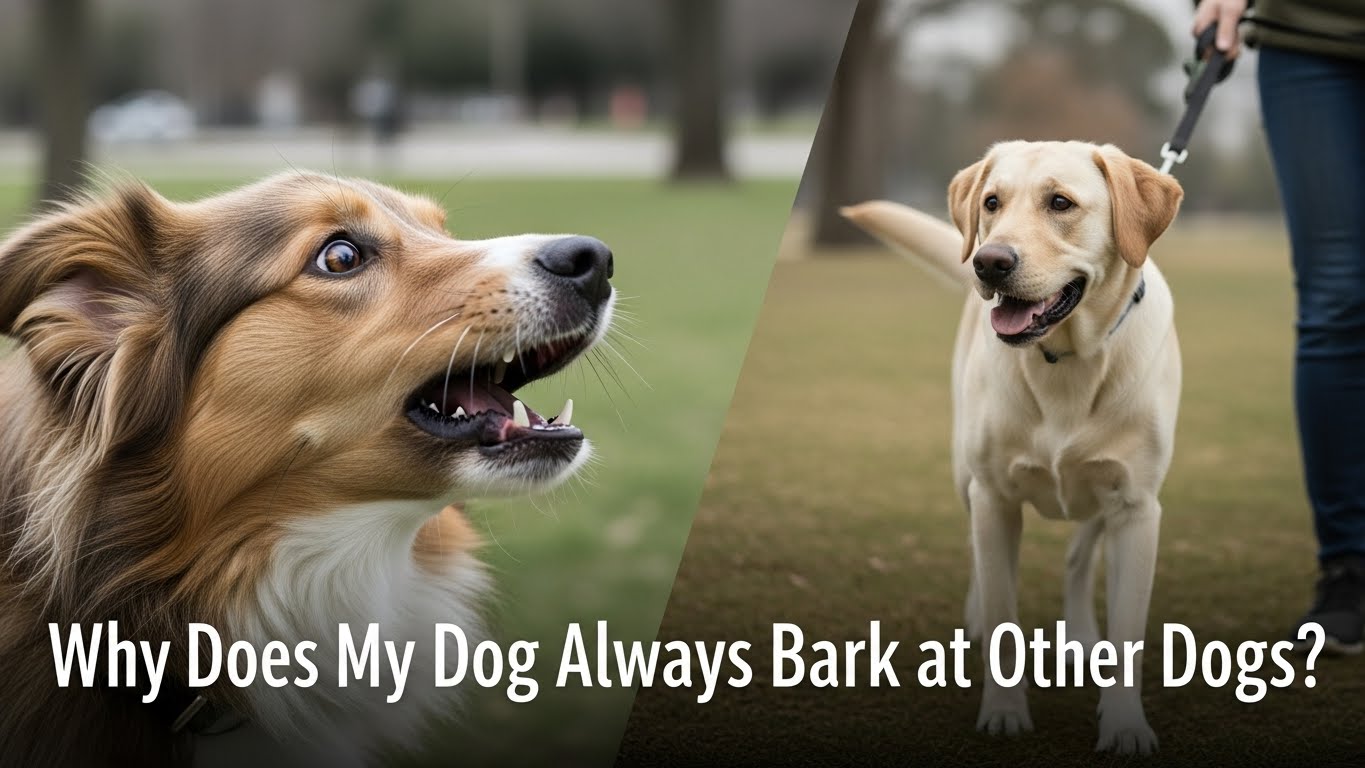
Dogs barking at other dogs is a common challenge for many owners. Why does my dog always bark at other dogs? This behaviour can stem from a mix of emotions, including fear, excitement, or anxiety barking. Understanding dog communication signals is key to addressing the issue effectively.
Some dogs display leash reactivity, while others show territorial barking or frustration barking when they cannot approach freely. Recognizing the triggers behind this behaviour helps you manage walks better and prevents the situation from escalating into aggressive dog behaviour. In this guide, we will explore the main reasons dogs bark at others, how to identify triggers, and strategies to calm your dog safely.
Table of Contents
The Main Reasons Why Dogs Bark at Other Dogs
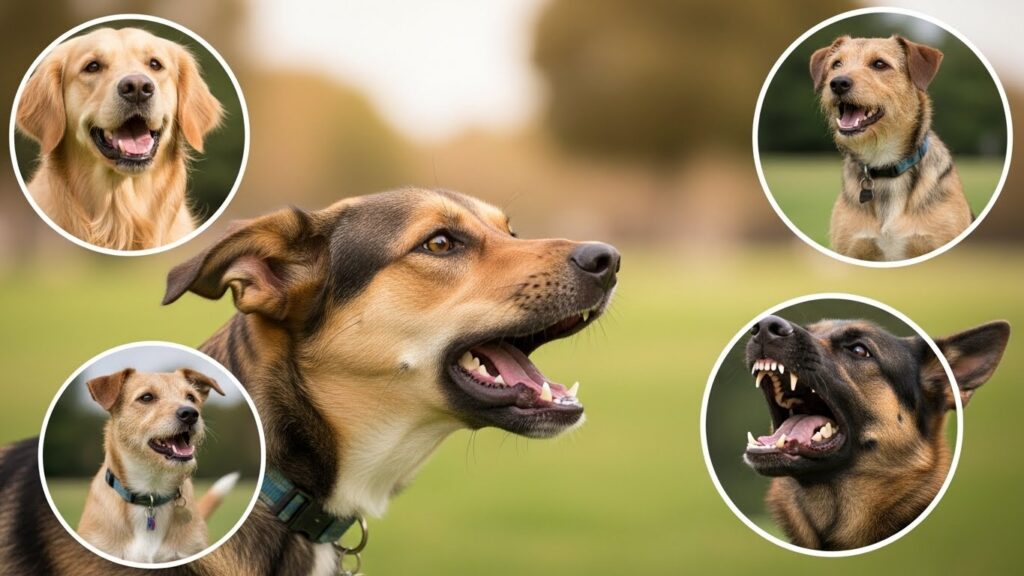
Many owners ask, “Why does my dog always bark at other dogs?”, and the answer usually rests on emotional or instinctive reactions. Dogs may bark due to fear, stress, overexcitement, frustration, defensiveness, or learned behaviors. Some dogs also bark as alert barking, where they report something unusual. Others show territorial barking to protect their space or owner. These reactions build into patterns that become hard to break without proper behaviour modification.
Dogs react differently depending on their environment, past experiences, and personality type. Some bark during walks because of leash reactivity, while others bark due to frustration barking or excitement barking. Even confident dogs may bark because barking produces results, creating a reinforcement cycle where the behavior grows stronger. This is why understanding dog behaviour problems is important if you want long-term change.
Fear, Anxiety & Past Negative Experiences

A major reason many dogs bark is fear. This reaction is called fear-based barking, and it happens when dogs feel threatened or unsafe around unfamiliar dogs. A dog with a bad memory may show fear-aggression in dogs when another dog approaches. Their barking is not aggression but a response meant to create distance. This is why owners often notice trembling, pacing, or leaning back during these moments. Those signs reveal the emotional struggle behind the bark.
Fear becomes stronger when a dog is already anxious. Many anxious dogs develop anxiety barking because every dog they see feels unpredictable. When asking, “Why does my dog always bark at other dogs?”, you must consider your dog’s past. A single fight, rough play incident, or loud dog park encounter can shape their dog fear response, causing barking to appear every time they see another dog.
Territorial Instincts and Protective Behavior Toward Owners
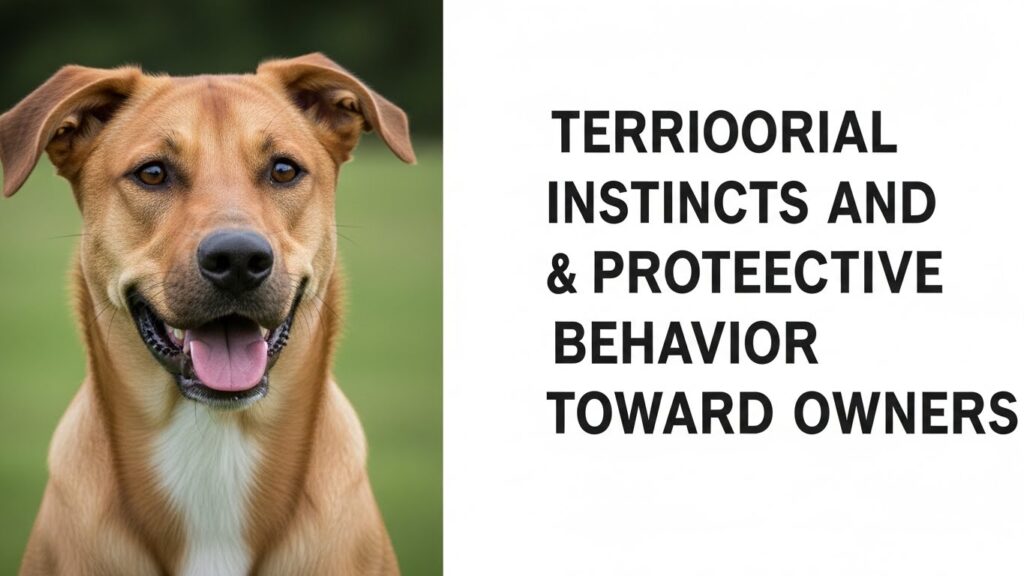
Some dogs bark because they feel the need to guard their space or family. This reaction is called territorial defence in dogs, and it often looks intense. The dog stands tall, growls, or steps forward while barking. They are not being disobedient. Instead, they believe they must protect their home, yard, or human. This creates a strong reaction, especially in breeds developed for guarding.
These dogs also show protective behaviour during walks. Even neutral situations feel threatening to them. Owners sometimes ask, “Why does my dog always bark at other dogs?”, not realizing their posture or leash tension might be communicating nervous energy. Dogs sense this and respond with louder barking. When the dog learns that barking keeps others away, the reinforcement cycle grows stronger.
Lack of Early Socialization and Its Long-Term Effects
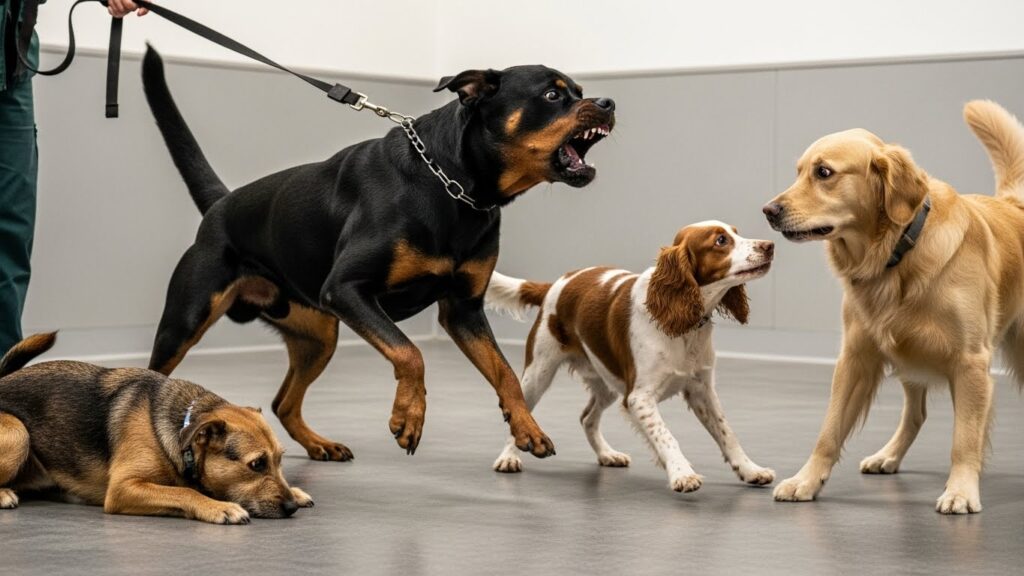
Dogs that miss proper puppy socialisation period often become reactive adults. When puppies do not meet enough dogs, people, environments, and smells, the world feels unfamiliar. These dogs bark due to uncertainty, which is called barking due to lack of socialisation. They struggle to read dog body language, leading to overreaction. Without learning how calm dogs behave, they do not know how to act politely themselves.
This lack of exposure creates long-term patterns that worsen over time. Adult dogs that never learned positive interactions show reactive dogs behaviour even toward friendly animals. They bark because they cannot predict what the other dog will do. When owners ask, “Why does my dog always bark at other dogs?”, poor early socialisation is often the hidden cause. Luckily, slow and careful dog socialisation training can help them understand the world better.
Leash Reactivity and Why It Makes Barking Worse

Leashes can make dogs feel trapped. When a dog cannot move away, they panic and begin barking. This reaction, called leash reactivity, appears mainly during walks. Dogs feel pressure on the leash and assume danger is near. When they pull and see the other dog getting closer, their barking intensifies. This is why many dogs bark more when the leash becomes tight.
This reaction also causes confusing patterns for owners. Some dogs that play well off-leash behave wildly on-leash. The leash removes freedom, and the dog switches to defensive behavior. This leads to dog barking during walks, especially in busy neighbourhoods. If the owner pulls harder when the dog barks, the tension increases. The dog feels the pressure and reacts even more intensely.
High Energy Levels, Boredom & Unreleased Drive
Dogs with high drive often bark when they have too much energy. Breeds known as high-energy dog breeds such as Huskies, Belgian Malinois, and Border Collies need regular mental and physical challenges. Without enough stimulation, they release energy through excessive barking at every trigger. Many times, owners ask, “Why does my dog always bark at other dogs?”, not realizing the dog simply needs more structured activity.
Bored dogs bark out of frustration too. This type of frustration barking happens when the dog wants to run, smell, or interact but cannot. A simple lack of enrichment can push a dog into habits that look like aggression. When guided properly with exercise, enrichment, and calm routines, these barking patterns reduce significantly.
Understanding Reinforced Barking and Accidental Rewarding
Dogs repeat behaviors that work. If barking causes the other dog to walk away, the dog believes barking was successful. This creates a powerful reinforcement cycle that strengthens the habit. Even unintentional cues like petting your dog or talking during barking can reward the behavior. Many owners reinforce barking without realizing it.
Barking also becomes reinforced when the environment changes based on the dog’s reaction. For example, if the dog barks and the owner avoids the street with dogs, the dog learns barking works. This is why attention-seeking barking also grows stronger. Dogs love patterns, and once barking becomes a tool, breaking the cycle requires intentional behaviour modification strategies.
How to Stop a Dog from Barking at Other Dogs (Complete Guide)
The best way to stop barking is by helping your dog feel safe and confident. When owners ask, “Why Does My Dog Always Bark at Other Dogs”, they need strategies that change both emotion and behavior. You must teach your dog new habits that interrupt the barking pattern. You also need calm environments where your dog can practice being relaxed.
Working at your dog’s pace is essential. This includes learning dog barking triggers, understanding barking thresholds, and staying far enough that the dog does not overreact. Slowly you move closer while rewarding calm moments. Safe and controlled repetition helps your dog learn new emotional responses and reduces barking long-term.
Core Training Principles You Must Use
Correct training starts with science-based methods. The first tool is operant conditioning, which means rewarding behavior you want and removing rewards for behavior you do not want. The second tool is classical conditioning, where you change your dog’s emotional reaction around other dogs by pairing calm moments with treats. Both tools work together to build confidence.
You must also use training cues for dogs such as “look,” “watch me,” and “leave it.” These commands help redirect attention away from triggers. Skilled trainers use these cues to shape calm behaviour training. These methods are considered positive dog training techniques, and they work especially well for anxious, fearful, or reactive dogs.
Step-by-Step Training Plan to Reduce Barking
A strong dog training plan has predictable phases. The first step is identifying dog triggers and how to identify dog threshold. You observe when your dog begins to react and when they remain calm. The next step is safe distance training for dogs, where you work far enough away that your dog notices the other dog but does not bark.
Once your dog stays calm at that distance, you slowly reduce the space. This process helps your dog learn exposure training for reactive dogs. In each step, reward quiet and calm behavior. Over time, your dog becomes confident even around close triggers. These steps to reduce dog barking create long-lasting improvements.
Desensitisation & Counter-Conditioning Explained Simply
Desensitisation training involves showing your dog what scares them in small, controlled doses. You start where your dog remains calm. Then you move closer over time. This helps reduce fear. Counter-conditioning works with it by pairing each calm moment with treats. Together, these tools change the dog’s emotional reaction.
This process, known as the counter-conditioning process, rewires your dog’s fear response. When owners ask, “Why Does My Dog Always Bark at Other Dogs”, emotional training is often the answer. With time, your dog stops reacting because they no longer feel threatened.
Remove Your Dog’s Motivation to Bark
Sometimes barking becomes strong because the environment encourages it. You must control environmental triggers by choosing calmer routes, providing more space, and blocking visual distractions. These changes help slow the reinforcement cycle, making it easier to train new behaviors. Many dogs improve quickly when the environment becomes predictable.
You must also stop rewarding the barking. When you avoid triggers or give attention during barking, you reinforce it. Instead, focus on rewarding calm behaviour. Calmness must always create rewards, and barking must never bring results. These habits help stop attention-seeking barking.
Adjusting Techniques for Different Dog Types
Every dog learns differently. Some breeds with strong instincts, such as Belgian Malinois or Huskies, need more mental tasks to manage high arousal. Others, such as rescues, show complex rescue dog behaviour due to past trauma. Dogs with fear backgrounds need very slow introductions and smaller exposures to prevent overwhelm.
Dogs in multi-dog household behaviour often learn from each other. When one barks, others join, creating a chain reaction. It helps to train each dog separately so the habits do not spread. Customising training helps you solve why dogs bark at other dogs in unique situations.
Handling Setbacks and Common Training Challenges
Every dog experiences setbacks. Sometimes the dog may regress and show dog barking regression after progress. Stress, new environments, or busy days can cause temporary changes. You must adjust training intensity and return to distances where your dog felt confident. This prevents the dog from becoming overwhelmed.
Some dogs bark when cues feel difficult. Others ignore treats when their excitement rises. Recognising identifying dog stress levels helps you manage those situations. Calm guidance, predictable routines, and returning to early steps ensure that your training remains strong.
When It’s Time to Seek Professional Trainer or Vet Help
If your dog shows intense reactions, lunging, snapping, or extreme fear, it may be time to contact a professional dog trainer or dog behaviour specialist. Experts can evaluate deeper emotional triggers, especially signs of aggressive dog behaviour or extreme stress. Their programs help dogs with strong patterns of reactivity.
A veterinarian may also help if medical conditions influence anxiety. Veterinarian insights on barking show that pain, hormonal imbalance, or neurological issues can intensify barking behavior. Professional help ensures your dog receives a complete, safe solution.
Conclusion – Helping Your Dog Stay Calm Around Others
Understanding Why Does My Dog Always Bark at Other Dogs? is the first step to improving their behaviour. By recognising dog triggers, reading dog body language, and applying consistent positive dog training techniques, you can reduce excessive barking and make walks enjoyable for both you and your dog. Training strategies such as desensitisation training, counter-conditioning, and using clear training cues for dogs help build confidence and calmness. Remember, patience and consistency are key. If your dog’s barking persists or shows signs of aggressive dog behaviour, seeking guidance from a professional dog trainer or dog behaviour specialist ensures safe and effective progress.
FAQs
Why does my dog always bark at other dogs during walks?
Why Does My Dog Always Bark at Other Dogs during walks is often caused by fear, excitement, or territorial instincts. Leash reactivity can worsen this behaviour. Identifying dog triggers and using positive reinforcement helps manage the barking.
Why does my dog always bark at other dogs even after training?
If you wonder Why Does My Dog Always Bark at Other Dogs after training, it may be due to a reinforcement cycle or incomplete dog socialisation. Consistent calm behaviour training and real-world practice help reduce barking.
Can fear or anxiety cause my dog to always bark at other dogs?
Why Does My Dog Always Bark at Other Dogs can often be linked to fear-aggression in dogs or anxiety. Using counter-conditioning and confidence-building exercises reduces dog fear response effectively.
How can I stop my dog from always barking at other dogs?
To stop Why Does My Dog Always Bark at Other Dogs, practice safe distance training, reward calm behaviour, and implement a structured dog training plan. Teaching look and watch me cues redirects attention successfully.
When should I seek professional help if my dog always barks at other dogs?
If Why Does My Dog Always Bark at Other Dogs persists despite training or shows dog aggression early signs, consult a professional dog trainer or dog behaviour specialist for safe, tailored solutions.