

My dog barked the moment another dog appeared, and I had no idea why does my dog always bark at other dogs. I tried ignoring it, then shouting over it, and nothing helped. The answer turned out to be a mix of leash reactivity, barrier frustration, and barking triggers I had never noticed. Once I learned to read those signals, our walks changed, and so did my dog.
In this guide I share the ten hidden reasons I found, the signs that gave each one away, and the calm greetings and desensitisation steps that helped us. If you have read the seven common reasons, these are the ones that get missed. If you keep wondering why does my dog always bark at other dogs, these are the patterns I learned to spot first.
Key Takeaways
- Most barking at other dogs is not aggression. It is excitement, frustration, worry, tiredness, or a habit that paid off before.
- Watch where the barking happens. A fence, a lead, a tired evening, or a new place can point to the hidden reason.
- Reward the quiet moments and add distance before the barking starts, instead of shouting once it has begun.
- If the barking changes suddenly, or your dog seems sore or unwell, ask your vet for advice before training harder.
- Small, steady practice beats one big walk. Short, calm meetings build the behaviour you want.
The 10 Hidden Reasons at a Glance
If you keep asking why does my dog always bark at other dogs, this table is the fastest way to find your answer. Every hidden reason below has a look and a fix, and most dogs show a mix of two or three at once. My dog was a barrier-frustrated, overtired teenager, so I had to work on the fence barking and his sleep at the same time. Find the row that matches your dog, then read that reason in full. You will save time if you work on the real cause instead of the noise.
| Hidden Reason | What It Looks Like | What to Do |
|---|---|---|
| Barrier frustration | Wild barking at fences, windows, and gates; calm when free | Practise at a distance; reward quiet; block the view for a while |
| Frustrated greeting | Lunging and barking at dogs they want to meet | Keep greetings short; reward calm; walk on before excitement peaks |
| Learned attention | Barking that starts the moment you look, speak, or reach out | Reward quiet first; ignore the barking; ask for a sit instead |
| Pain or discomfort | Sudden barking, grumpiness, or stiffness on walks | Note the change and ask your vet for advice |
| Breed drive | Herding, guarding, or terrier breeds reacting to movement and strangers | Give the breed a job; practise calm watching |
| Adolescence | A young dog who was fine before starts barking at 6 to 18 months | Keep training short and patient; avoid busy places for a while |
| Lack of sleep | Barking grows worse late in the day or after busy weekends | Protect rest time; keep a calm evening routine |
| Owner tension on the leash | Barking rises when you tighten the lead or hold your breath | Relax your grip; breathe out; practise loose-lead walking |
| A rude other dog | Barking only at dogs that stare, rush in, or crowd your dog | Add distance; walk on; choose calmer walking spots |
| No calm behaviour taught | Your dog barks because they have no other way to act | Teach a watch-me or sit; practise with a trainer if needed |
One more thing before we start. None of these reasons means your dog is bad, and none of them is fixed by shouting. Barking is information, and once you know what the barking is about, the fix is usually smaller than you expect. Keep a little notebook for a week and write down where, when, and at which dogs the barking happens. The pattern will point you to the right row. That notebook is often the fastest way to answer why does my dog always bark at other dogs, because the pattern is clearer than any single walk.
Why Does My Dog Always Bark at Other Dogs Behind a Fence?
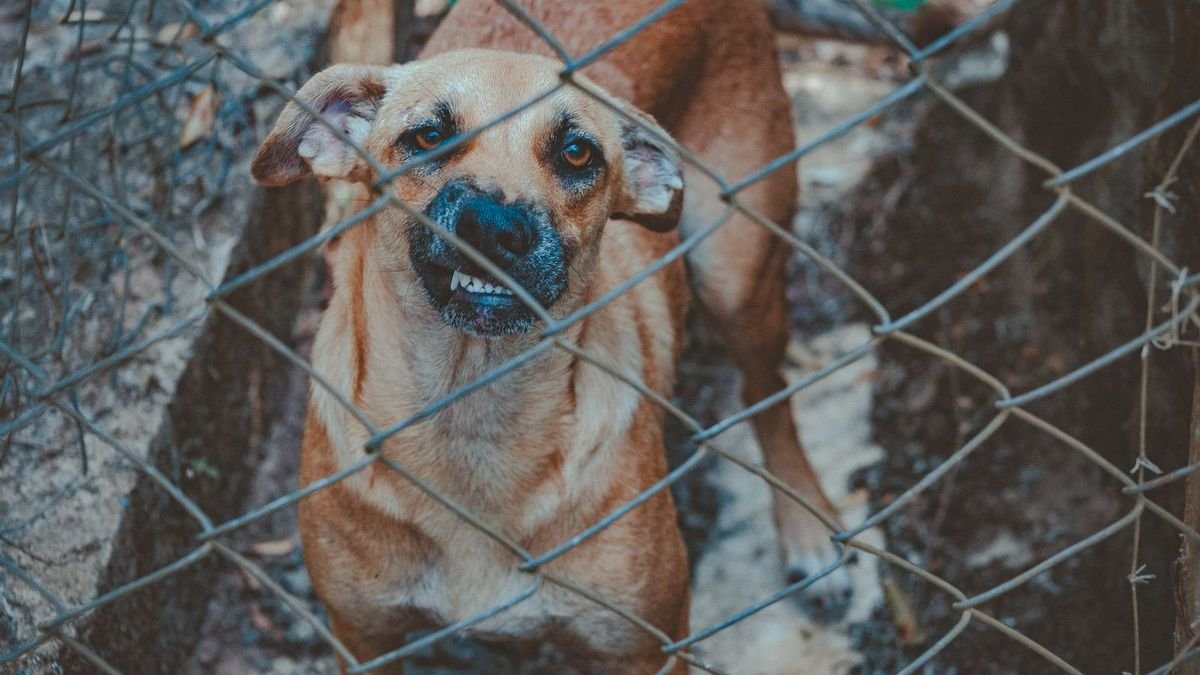
Our garden fence was where I first saw it clearly. My dog would race to the fence and bark at the neighbour’s dog until his voice went hoarse, and I kept asking myself why does my dog always bark at other dogs when a fence stood between them. The fence was the problem, not the other dog. He could see and hear the dog, but he could not reach it, so his frustration came out as barking. The same thing happened at the front window and the car window, wherever a barrier sat between him and another dog.
The proof came on a day I least expected it. We met the same neighbour dog in the park, with no fence between them, and my dog greeted him politely and walked on. The barrier had been making the barking, not the dog on the other side. If your dog is a fence barker, practise at a distance where he can still think, reward the quiet moments, and block the view for a while with a screen or a hedge. Tip: let him earn the garden in short, calm sessions instead of leaving him out there to practise barking all afternoon.
Is Your Dog Barking Because the Greeting Ends Too Soon?
My dog loves other dogs, and that was the confusing part. He was not barking because he disliked them. He barked because the greeting ended before he was ready. We would pass another dog, he would strain forward, the other owner would walk on, and his excitement had nowhere to go. The barking was his way of shouting after a friend who had already left. I used to think a friendly dog would never bark, but his barking was friendly frustration, the same feeling a child has when a playmate runs off mid-game.
The fix was to make greetings short and calm instead of long and wild. I let him say hello for three seconds, then called him away and rewarded him for coming with me. Slowly he learned that a calm hello earns a greeting and wild barking ends it. Tip: if you want to practise, ask a friend with a calm dog to help, and meet at a distance where your dog can still hear you. Short, boring greetings teach more than one long, exciting one ever will.
Has Your Dog Trained You to Answer the Barking?
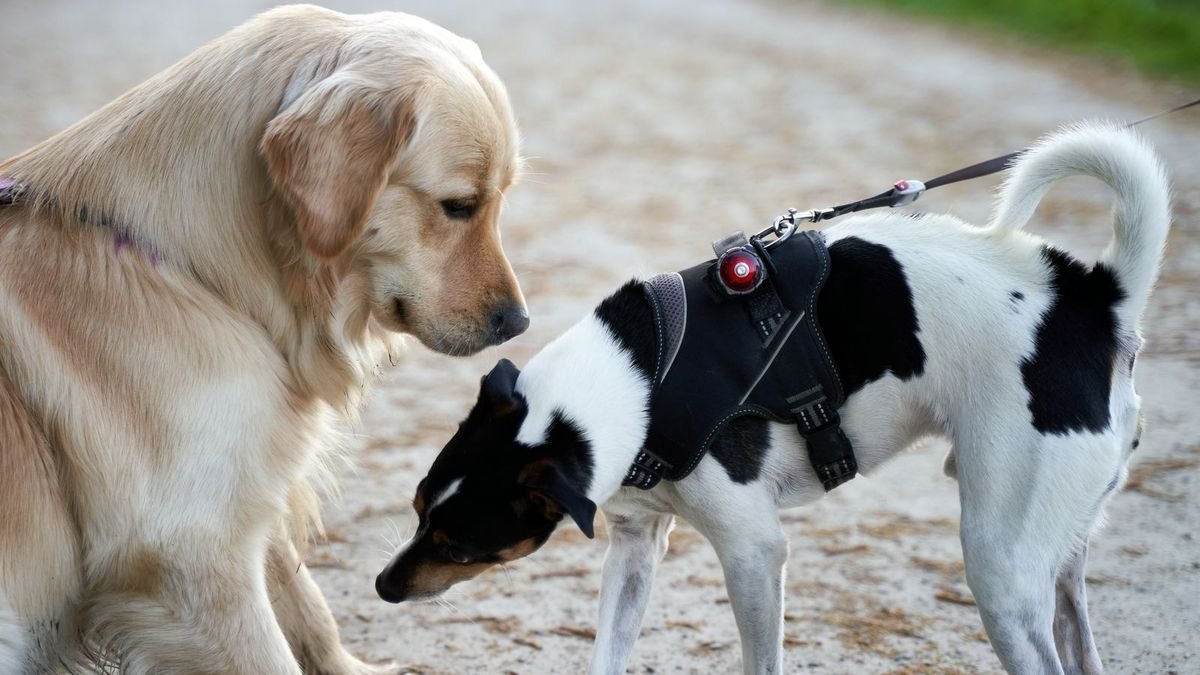
This one stung when I finally saw it. Every time my dog barked at another dog, I answered him. I turned around, I said his name, I touched his head, and I pulled the lead. I thought I was calming him down, but I was teaching him that barking makes me react, and I began to wonder why does my dog always bark at other dogs the moment I looked at him. The barking worked on other people too. Neighbours crossed the road, other owners walked away, and each time the scary or exciting thing left, his barking looked like the reason it went.
Breaking the loop meant changing my own habits first. When he barked, I stopped talking, stopped looking, and waited for one quiet second before I rewarded him. I also gave him something to do instead, like sitting and watching me. The whole house had to follow the same rule, because one person answering the barking was enough to keep it alive. Tip: reward the quiet, not the noise, and be patient. A habit that took months to build will not vanish in a weekend.
Could Pain or Discomfort Be Making Your Dog Grumpy?
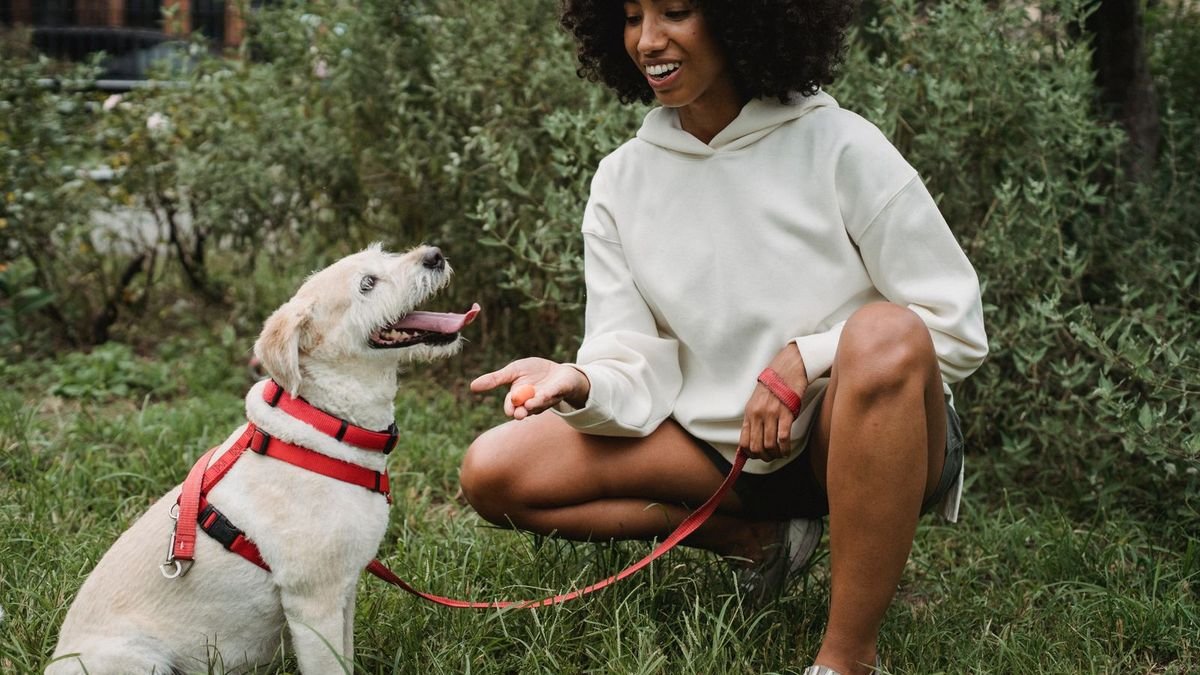
This reason hides in plain sight. A dog who is sore or uncomfortable has a much shorter fuse, and barking at other dogs can be his way of saying leave me alone. I noticed it after a long, rough walk one weekend. My dog was stiff the next morning and barked at the first dog we met, a dog he usually liked. Nothing about the other dog had changed. His body had. Sore joints, a painful ear, a bad tooth, or an upset stomach can all make a normally friendly dog sound cross, and the change often appears suddenly.
If the barking starts suddenly, or your dog seems stiff, tired, or off his food, write down what changed and when, and ask your vet for advice before you push the training harder. The RSPCA gives the same advice in its guide to barking dogs, and it is good sense. A dog who hurts cannot learn well, and a short check can save weeks of training the wrong problem. Keep walks gentle and short until you know more, and let your dog set the pace.
Is Your Dog’s Breed Doing the Barking?
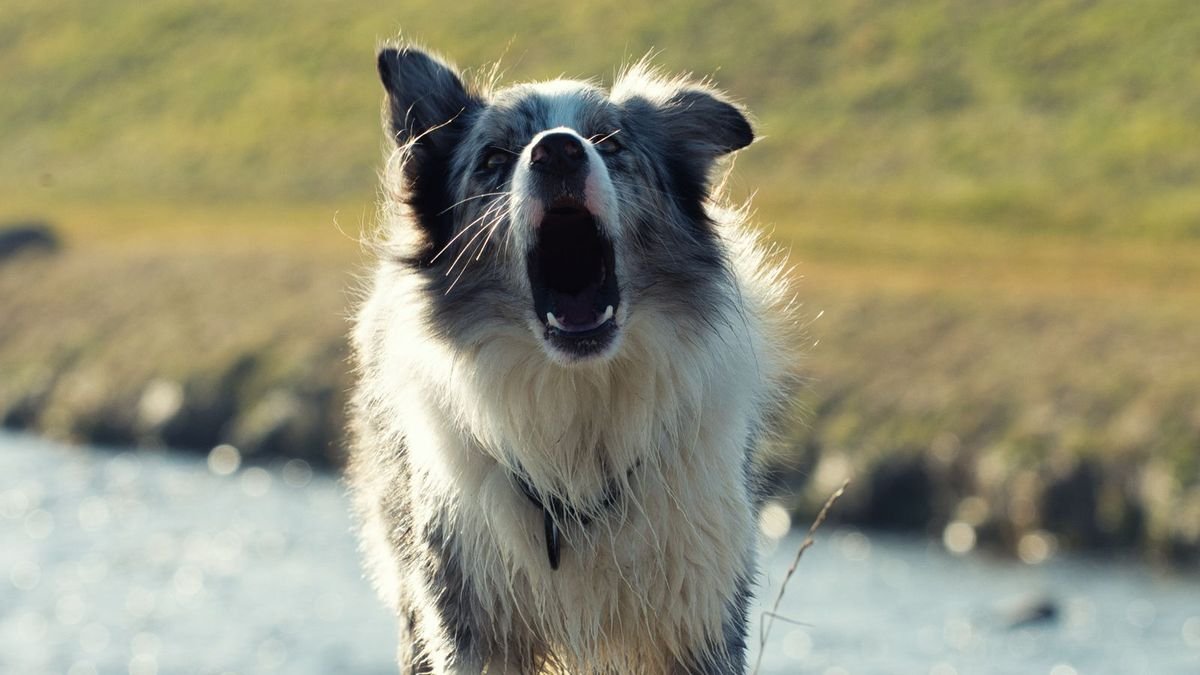
Some dogs are born to bark, and knowing that took a weight off my shoulders. Herding breeds like border collies and shepherds are wired to watch movement and react to it. Guard breeds are wired to announce strangers. Terriers are wired to chase small, fast things and tell you about it. My dog comes from a line of dogs bred to work and to speak up, so barking at another dog is not a fault in him. It is the job his breed was given, showing up in a pet dog’s life.
The answer is not to fight the breed but to give it a proper outlet. A herding dog needs games that use his eyes and brain, like finding hidden treats or learning new cues. A guard breed needs a calm job, like watching the world from a mat and being rewarded for staying quiet. Once I gave my dog work to do, the walks got easier, and I stopped asking why does my dog always bark at other dogs as if the answer were a mystery. His breed was part of the answer all along.
Is Your Dog in the Teenage Phase?
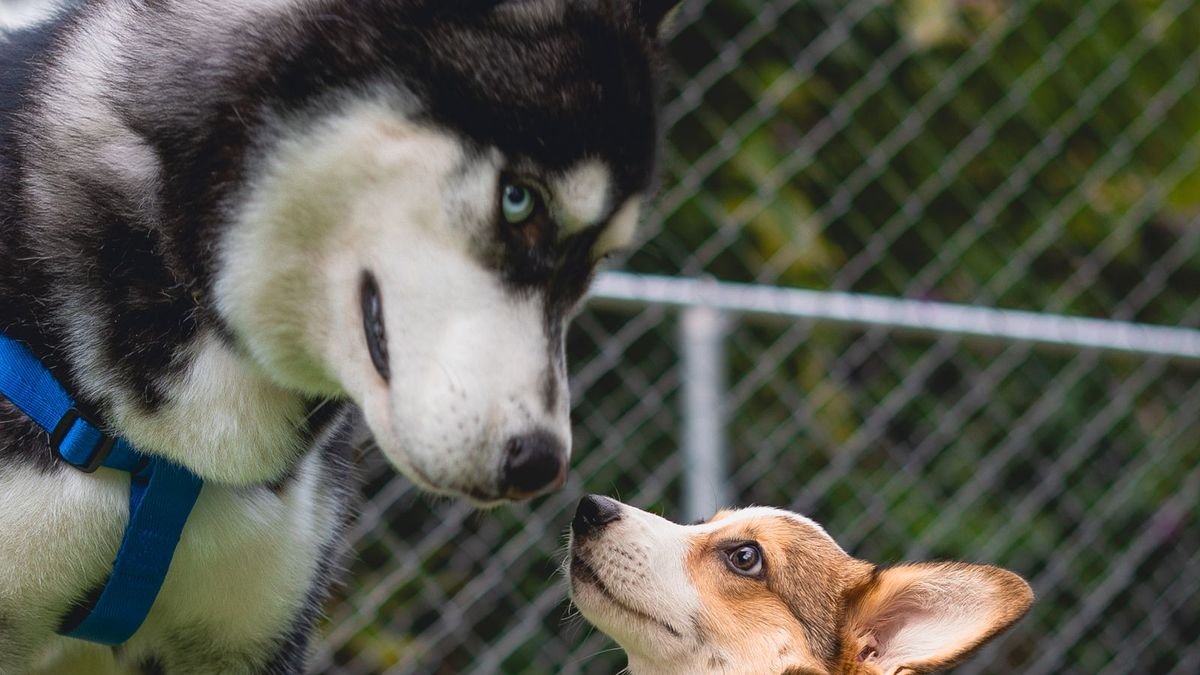
My dog was a polite puppy. He met other dogs, wagged, and moved on. Then, at about nine months, he started barking at dogs he had met happily before, and I wondered why does my dog always bark at other dogs now when he never used to. The teenage phase had arrived. Between six and eighteen months, dogs test boundaries, feel braver, and react more strongly to everything. It is a normal stage, not a sign that your training failed or that your dog has turned unfriendly overnight.
The way through is steady, patient practice, not a battle. I went back to basics, kept sessions short, and avoided the busiest walking times for a few weeks. I rewarded every calm look and every quiet pass, even when it felt like we were going backwards. Tip: keep a note of the good days. When progress feels slow, that note shows you how far your dog has already come, and most teenage barking fades as the dog grows up.
Is Your Dog Barking Because They Are Running on Empty Sleep?
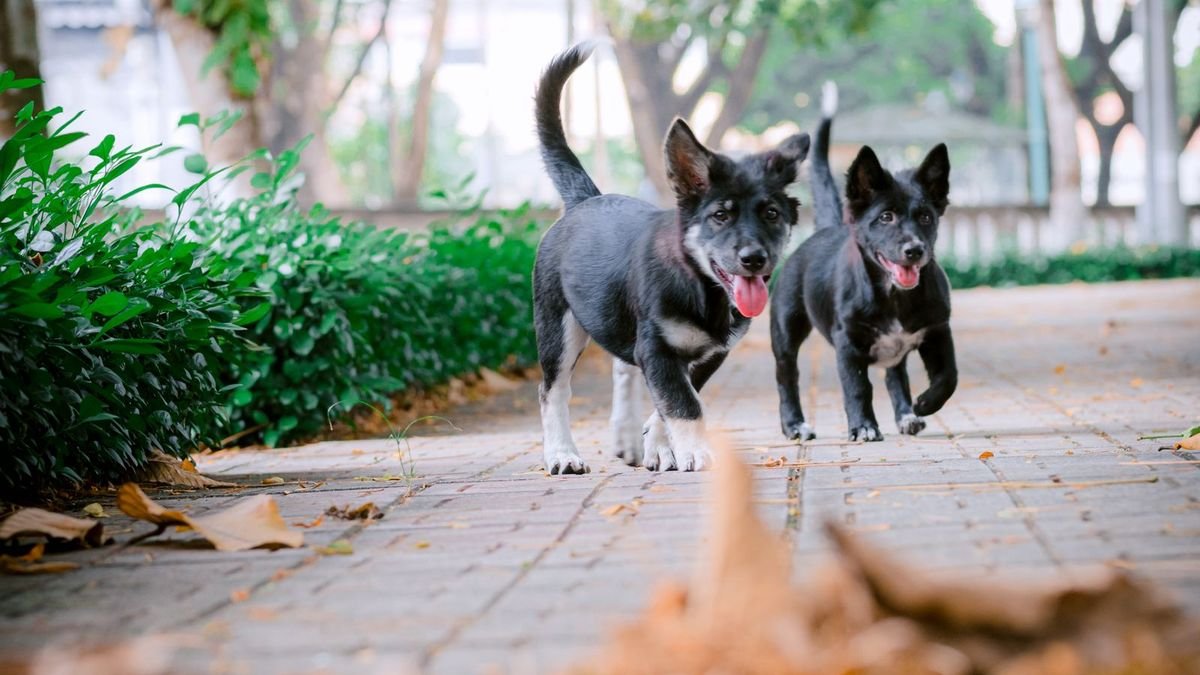
A tired dog is a barky dog, and I learned that on a busy weekend of visitors, long walks, and late nights. By Sunday evening my dog barked at every dog on the street, including his usual friends. Puppies need around eighteen to twenty hours of sleep a day, and adult dogs need twelve to fourteen, and most of them do not get it in a noisy house. Sleep is when a dog’s brain resets, and without enough of it, every small trigger feels bigger. If your dog also barks in the crate at night, my guide to stopping dog barking in a crate covers the night-time side of the same problem.
The fix costs nothing. Give your dog a quiet resting place away from the front door, keep the evenings calm, and protect nap time the way you would for a small child. I stopped planning two big outings in one day, and the evening barking dropped within a week. Tip: if your dog cannot settle, look at the day, not the dog. A full day of visitors, training, and play is often the real reason the barking starts.
Why Does My Dog Always Bark at Other Dogs When I Hold the Leash Tight?
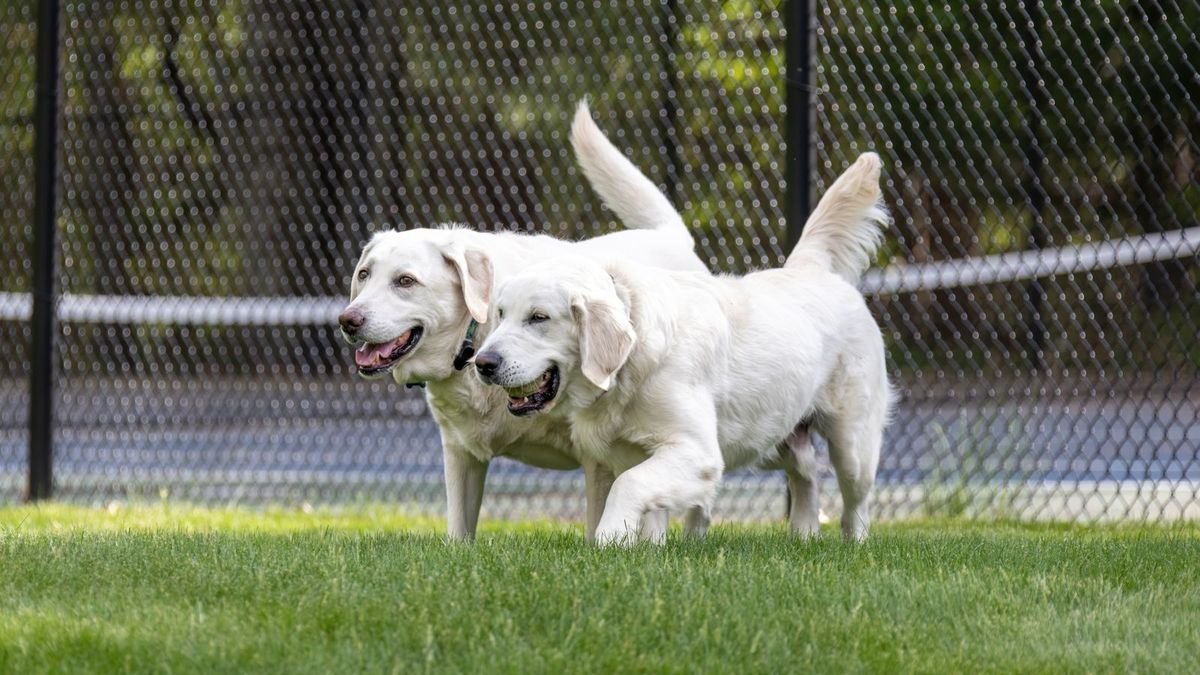
This was the hardest reason to admit, because it was about me. The moment I spotted another dog, I held my breath, shortened the lead, and wrapped it around my hand. My shoulders went up and my steps got faster, and my dog read every bit of it. To him, my tension meant danger was close, so he barked louder to warn it away. The tighter I held the lead, the more certain he became that something was wrong, and our walks turned into a circle of worry with barking in the middle.
The change started with my own hands. I let the lead stay loose, breathed out slowly, and walked at a normal pace, and I practised loose-lead walking in quiet streets before trying it near other dogs. When I relaxed, my dog relaxed, and the barking faded with it. I still catch myself tensing up sometimes, and when I do, I remember that the answer to why does my dog always bark at other dogs is often at my end of the lead, not his. Tip: cross the road early and give your dog space before you need it.
Could the Other Dog Be the Rude One?
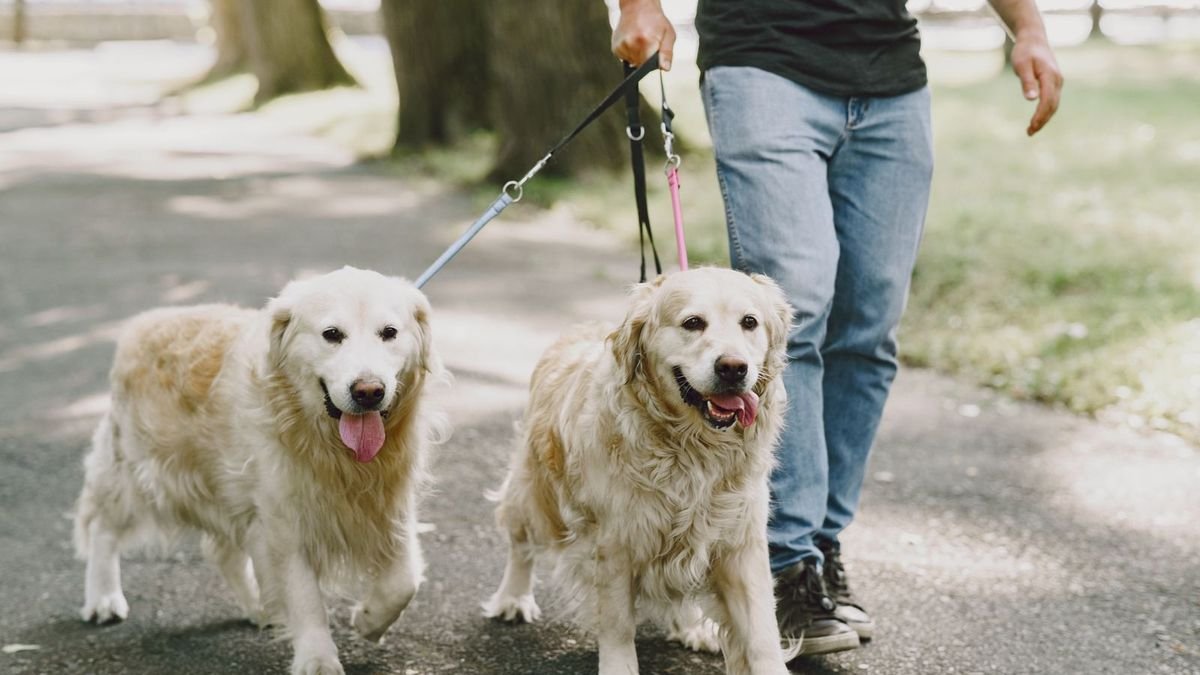
Not every dog your dog meets is polite, and this reason took me a while to see. Some dogs stare hard, rush straight in, or crowd your dog’s face, and my dog barks at those dogs while staying calm with polite ones. Off-lead dogs that run up to a dog on a lead are the worst of it, because my dog cannot move away and the other dog will not listen. His barking is not bad manners. It is a dog asking for space in the only loud way he knows, and sometimes he is right to ask.
When the other dog is the problem, distance is your best friend. I cross the road, turn around, or step behind a car, and I never force a greeting with a dog that is staring or rushing in. Calm walking spots and quieter times of day help too, and a dog park at its busiest hour is the last place to practise. Tip: remember that dogs also smell and hear things you cannot. A dog in season nearby, or barking from a garden you cannot see, can set your dog off before you spot any trigger at all.

Has Your Dog Never Been Taught What to Do Instead?
Barking was my dog’s only tool, because I had never given him another one. When another dog appeared, he had two choices in his head: bark, or bark louder. He did not know how to look at me, sit quietly, or walk past, because nobody had taught him those things in a place with other dogs around. We had practised sit in the kitchen, where it was easy, and then expected it to work on a busy street, where it was hard. That gap was the hidden reason, and it was mine to fix.
I started teaching one simple behaviour, watch me, at home first, then in the garden, then on a quiet street, and only then near other dogs. Each time he looked at me instead of barking, he earned a treat, and slowly the new habit replaced the old one. A good trainer can speed this up, and a few sessions with one taught me more than months of guessing. That is how I finally stopped asking why does my dog always bark at other dogs and started showing him what to do instead.
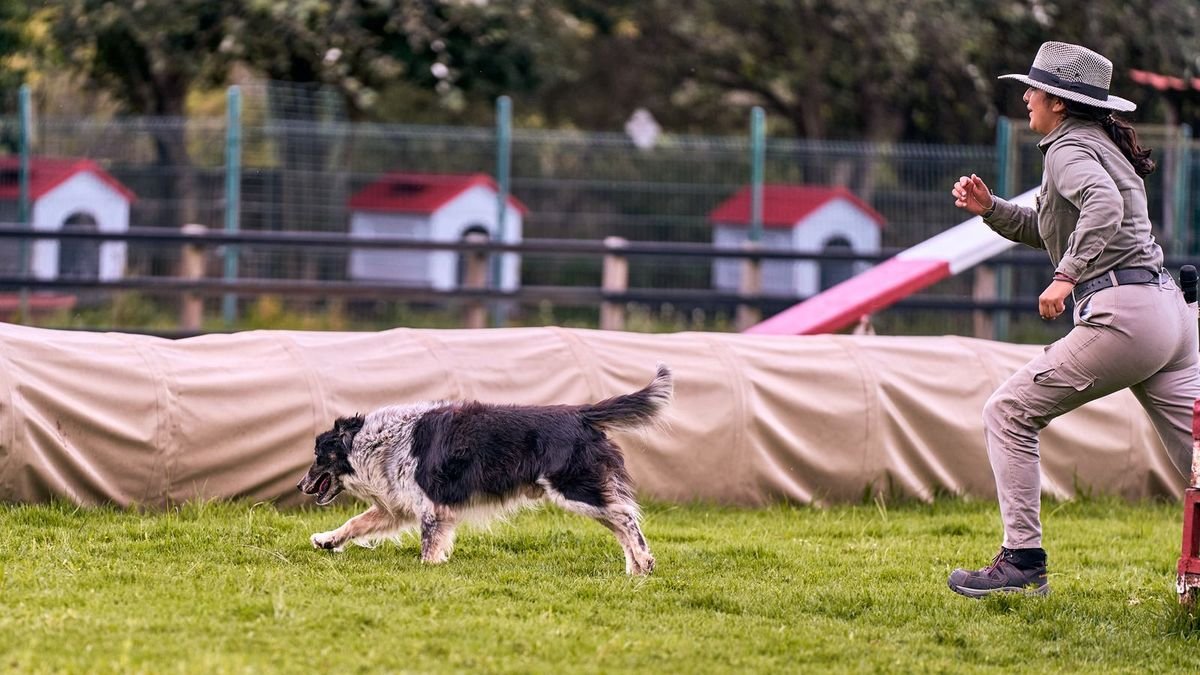
How to Help Your Dog Stay Calm Around Other Dogs
Once you know the reason, the plan is simple, and it works for almost every dog I have met. Keep distance first, so your dog can think. Reward the quiet moments, the calm looks, and the times he walks past without a sound. Keep sessions short, end on a good note, and write down what worked. If you keep wondering why does my dog always bark at other dogs, the American Kennel Club’s guide to lunging on the leash explains the same distance-and-reward approach in more detail, and it matches what worked for us.
What you should not do matters just as much. Do not shout, because your dog hears another dog barking along with him. Do not punish the barking, because a frightened dog barks more, not less. And do not flood him with close encounters, hoping he will get used to it, because flooding usually makes the barking worse. Tip: progress is not a straight line. A bad day after three good ones is normal, and it does not erase the work you have done. Go back a step, keep it calm, and try again tomorrow. That is how the slow, steady plan finally started working for us.
When to Ask a Professional for Help
Most barking improves with the steps above, but some dogs need a professional, and asking for one is not a failure. If the barking is getting worse, if your dog lunges, snaps, or cannot calm down after the other dog has gone, or if you feel nervous on every walk, get help. Look for a certified trainer or a clinical animal behaviourist who uses reward-based methods, and ask how they work before you book. The AVSAB’s position statements on humane dog training explain why reward-based methods are the standard to look for.
A sudden change in barking is also a reason to ask your vet for advice, especially if your dog seems stiff, sore, or different in himself. A vet check can rule out pain or illness before you spend weeks on training, and the RSPCA advises the same in its barking guide. Tip: take your notebook to the appointment. A short record of when the barking started, where it happens, and what your dog does is far more useful than trying to remember it all on the spot.
My Last Word on the Barking
My dog still barks sometimes, and I do not expect that to change completely. He is a dog, and barking is one of the ways dogs talk. What changed is that I understand him now. I know why does my dog always bark at other dogs on some days and not on others, and I know what to do about it. The walks are calmer, the fence is quieter, and the dog who once barked at every dog on the street now walks past most of them without a sound.
Start with one reason, not all ten. Pick the row in the table that fits your dog best, try the fix for a week, and write down what happens. Small changes add up, and a calmer walk is closer than it feels right now. If you want the bigger picture, read the seven common reasons dogs bark at other dogs alongside this guide, and if your dog barks in the crate too, the crate barking steps will help there. That is the honest answer to why does my dog always bark at other dogs: there is always a reason, and once you find it, the barking starts to make sense.
Frequently Asked Questions
Here are the five questions I get asked most about dogs barking at other dogs, with the short answers I give. If your question is not here, leave a comment below and I will do my best to answer it.
Why does my dog always bark at other dogs on walks but not at home?
Home is familiar and quiet, while walks bring close encounters, fences, leads, and excitement all at once. Most dogs who ask why does my dog always bark at other dogs on walks are reacting to the walk itself, not to other dogs in general. Practise at a distance, keep greetings short, and reward calm behaviour on every walk.
Is it normal for a puppy to bark at other dogs?
Yes, it is very common. Puppies are still learning how to meet other dogs, and barking is often excitement or worry rather than anything serious. Keep meetings short and calm, reward quiet behaviour, and let your puppy watch other dogs from a comfortable distance. If the barking grows or your puppy seems frightened, slow down and give them more space. If you keep asking why does my dog always bark at other dogs, start with short, calm meetings and build up slowly.
Should I let my dog meet every dog we pass?
No, and this is one of the kindest things you can do for your dog. Not every dog wants to say hello, and on-lead greetings often go wrong. Let your dog meet calm, friendly dogs only, keep the hello to a few seconds, and walk on while it is still going well. A dog who wonders why does my dog always bark at other dogs usually needs fewer greetings, not more.
Will my dog grow out of barking at other dogs?
Sometimes, especially if the barking started in the teenage phase, but it rarely stops on its own. Dogs keep the habits that work for them, so barking usually needs a replacement behaviour and steady practice. Work on the hidden reason that fits your dog, keep sessions short and calm, and most dogs improve a lot within a few weeks. Keep that in mind when you ask why does my dog always bark at other dogs, because a habit that paid off for months rarely stops overnight.
How long does it take to stop the barking?
It depends on the reason and on how long the habit has been building, but most owners see real progress in three to six weeks of short, daily practice. Some dogs improve in days once the hidden reason is fixed, and others need a few months. Keep going, celebrate the small wins, and remember that every quiet walk is proof that the answer to why does my dog always bark at other dogs is one you can work with.
Sources
I wrote this guide from my own experience, and I checked the training advice against the sources below. They are the pages I would send to a friend who wanted to read further.
- American Kennel Club (AKC) — Why Does My Dog Lunge on a Leash? — a guide to leash reactivity, frustrated greeters, and distance-and-reward training.
- RSPCA — Barking dogs — what can I do? — the reasons dogs bark, when to ask a vet for advice, and how to reduce excessive barking.
- American Veterinary Society of Animal Behavior (AVSAB) — Position Statements — including the position statement on humane, reward-based dog training and puppy socialization.
- Also on Happy Pet Cure: Why Is My Dog Barking at Other Dogs? 7 Reasons and What to Do and Stop Dog From Barking in Crate: 9 Calm Crate Training Steps.
If you only read one of these, read the RSPCA guide first. It covers the common reasons for barking, the health check, and the training steps in one short, clear page.