
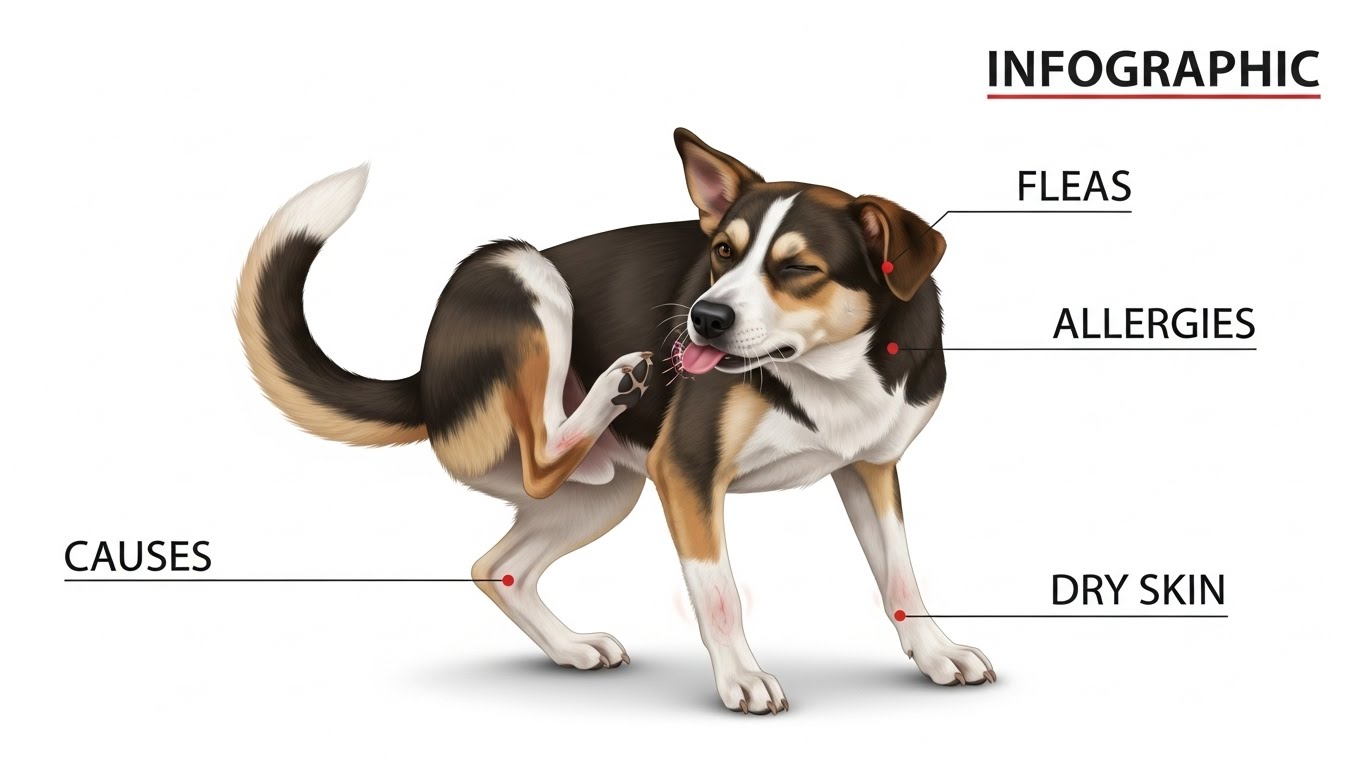
If you’ve ever wondered why my dog is constantly scratching and biting himself, you’re not alone. Many dog owners notice their pets obsessively scratching, licking, or biting, which can cause discomfort and even skin lesions. This behavior is often linked to skin irritation in dogs, dog allergies symptoms, or flea allergy dermatitis. Sometimes, underlying issues like mite infestations in dogs or dermatitis in dogs can make the problem worse.
Persistent scratching is more than just a minor annoyance; it can lead to secondary skin infections and worsen your dog’s quality of life. Understanding the causes of dog itching is the first step toward effective relief. In this guide, we’ll explore vet-approved solutions, from proper grooming and medicated shampoos to allergy management and behavioral interventions, helping you identify the triggers and take action to ensure your dog stays comfortable, healthy, and happy.
Table of Contents
Identify the Root Cause When My Dog Is Constantly Scratching and Biting Himself
Why diagnosis matters for when my dog is constantly scratching and biting himself
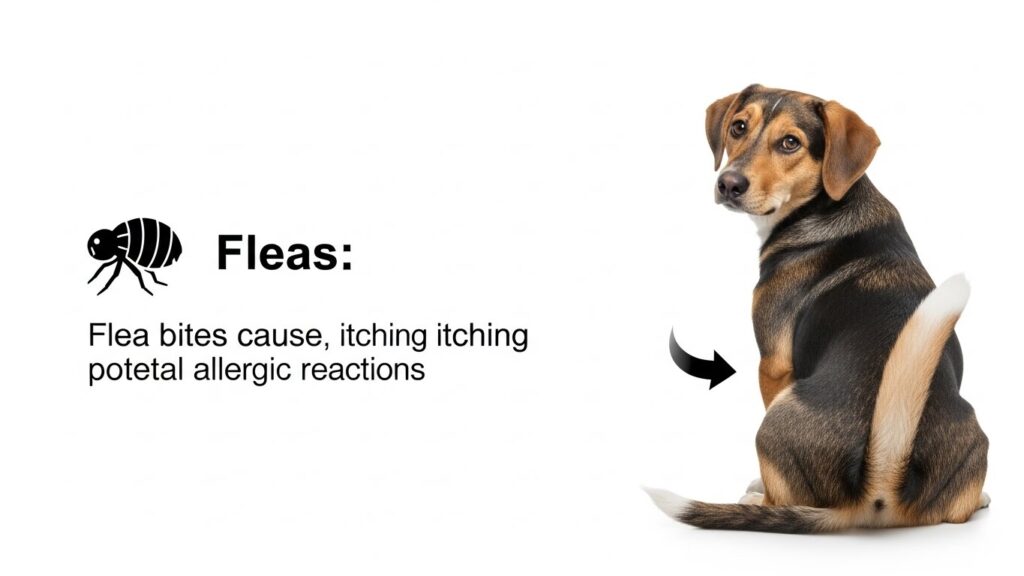
It is essential to know why is my dog scratching before trying any treatment. Without proper diagnosis, even the best shampoos or medications may fail. A veterinary examination for itching helps identify the underlying cause, whether it is dermatitis in dogs, bacterial skin infections, or fungal skin infections. Correct diagnosis ensures effective irritated dog skin treatment and prevents secondary skin infections.
Understanding the root cause also helps in creating long-term strategies. Some dogs show psychogenic scratching due to dog stress and anxiety, while others scratch from allergies or parasites. Accurate diagnosis saves time, reduces stress, and improves dog skin discomfort solutions.
Common triggers vets look for
Vets examine for environmental allergens in dogs, food allergies in dogs, and mite infestations in dogs like mange. Seasonal changes or dry air causing itchy skin can worsen chronic itching in dogs. Other triggers include poor grooming, chemical exposure, or even temperature changes affecting skin health.
Keeping a log of scratching patterns, flare-ups, and potential triggers helps your vet understand behavioral scratching in dogs and dog biting himself reasons. Early recognition leads to faster relief and prevents persistent itching in dogs from worsening.
Vet-Recommended Flea and Tick Prevention for Dogs Constantly Scratching and Biting Themselves
Monthly preventives your vet may suggest
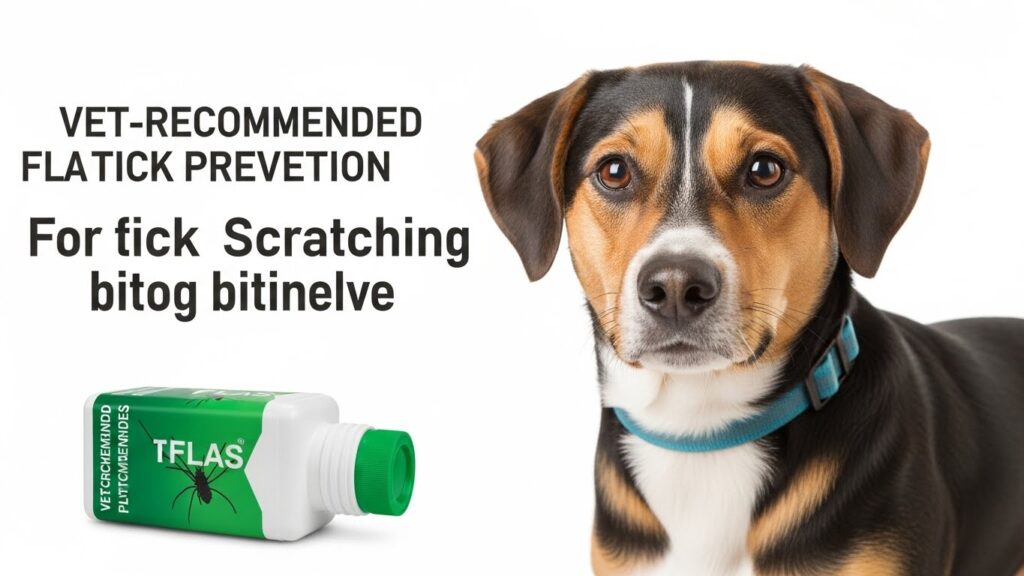
Fleas and ticks are common causes of dog scratching and biting. Vets may prescribe oral medications, topical treatments, or flea collars to prevent infestations. Preventive care stops flea allergy dermatitis, which often leads to secondary skin infections. Monthly treatment ensures your dog stays itch-free and comfortable.
Even a single flea bite can trigger intense scratching and hot spots on dogs. Using preventive products regularly is critical to controlling flea and tick problems and reducing chronic itching in dogs.
Signs your dog has fleas even if you can’t see them
Look for tiny black specks on the fur, excessive scratching, or hair loss. Sometimes fleas hide, but their bite triggers persistent itching in dogs. Checking the coat and skin regularly helps in identifying skin problems early and prevents more severe dermatitis in dogs.
Early detection allows you to start irritated dog skin treatment and avoid dog skin lesions or secondary skin infections. Fleas and ticks are often overlooked causes of behavioral scratching in dogs, so vigilance is key.
Medicated Shampoos for When My Dog Is Constantly Scratching and Biting Himself
Antifungal and antibacterial shampoos
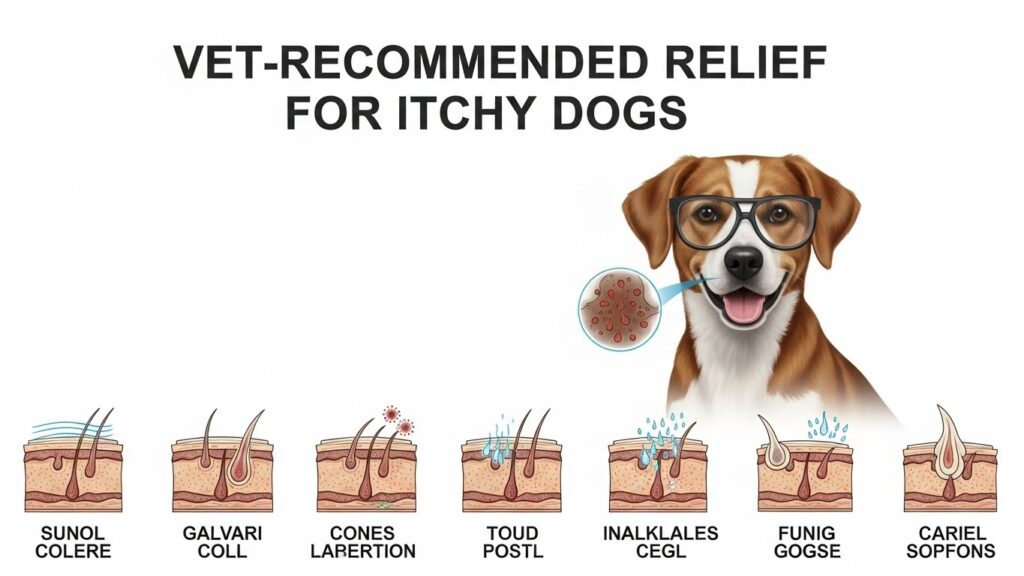
Medicated shampoos help fight bacterial skin infections and fungal skin infections, including ringworm in dogs. Vets recommend specific formulations to calm inflammation and reduce dog scratching and biting. Consistent use improves dog skin discomfort solutions and helps prevent hot spots on dogs.
These shampoos also relieve persistent itching in dogs caused by allergies or environmental triggers. Combining shampoos with proper diet and preventive measures enhances improving dog skin health and maintains comfort.
How often to bathe an itchy dog safely
Over-bathing can cause dry skin in dogs, while too little bathing allows allergens to linger. Most vets recommend bathing once or twice a week using gentle medicated shampoos. This routine reduces dog scratching and biting, keeps skin hydrated, and improves dog skin discomfort solutions.
Proper bathing, combined with dog grooming issues like brushing and combing, ensures healthy skin and coat. Regular maintenance also prevents secondary skin infections from developing.
When Your Vet May Prescribe Anti-Itch Medication
Fast-acting options like Apoquel or Cytopoint
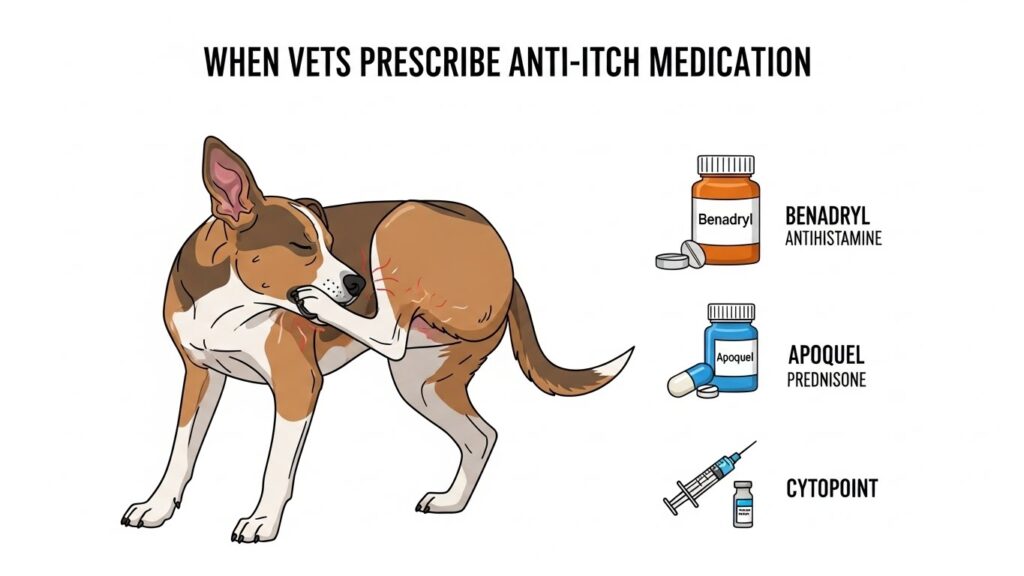
For dogs with severe persistent itching in dogs, vets may recommend Apoquel or Cytopoint. These medications work quickly to reduce inflammation and stop dog scratching and biting. They are effective for allergies, parasites, or seasonal skin problems, providing relief while long-term solutions are developed.
These medications are safe under vet supervision and improve dog skin discomfort solutions without causing harm to other organs. Early use prevents dog skin lesions and hot spots on dogs.
When steroids might be used
Steroids are sometimes necessary for short-term relief of intense itching. They reduce inflammation rapidly and can control dog scratching and biting while underlying causes are treated. Veterinarians carefully manage dosage to avoid side effects and ensure irritated dog skin treatment is safe.
Steroids are usually combined with preventive strategies, such as vet-approved treatments for itching, grooming routines, or dietary adjustments. This approach minimizes persistent itching in dogs and improves dog skin discomfort solutions.
How Vets Diagnose Food Allergies in Dogs
Elimination diet process
Food allergies are a common cause of dog scratching and biting. Vets often suggest an elimination diet to remove common allergens for several weeks. During this period, you monitor your dog’s reaction, noting improvements in dog allergies symptoms, coat health, and scratching frequency.
Tracking changes helps identifying skin problems caused by food. This method is crucial for dog skin discomfort solutions and prevents secondary skin infections triggered by constant scratching.
Ingredients commonly causing reactions
Ingredients like beef, chicken, dairy, and wheat often cause reactions. Switching to hypoallergenic diets can reduce dog scratching and biting, improve skin hydration, and prevent hot spots on dogs. Consultation with your vet ensures safe and effective dietary management.
Addressing food allergies in dogs is key to managing persistent itching in dogs, dog stress and anxiety, and dog skin lesions.
Skin Supplements Your Veterinarian Might Approve
Benefits of omega-3 fatty acids
Omega-3 fatty acids help reduce inflammation, soothe skin irritation in dogs, and improve coat shine. Vets often recommend these supplements for dogs showing dog scratching and biting or hot spots on dogs. Regular supplementation supports dog skin discomfort solutions naturally.
Fatty acids enhance improving dog skin health and prevent secondary skin infections. Dogs with allergies, dry skin, or seasonal skin problems benefit significantly from omega-3 supplements.
Supplements that support skin barrier health
Other supplements, such as vitamin E or biotin, strengthen the skin barrier. Healthy skin protects against environmental skin irritants, parasites, and infections. This reduces chronic itching in dogs, prevents dog scratching and biting, and supports long-term comfort.
Regular supplementation enhances dog skin discomfort solutions and complements vet-approved treatments for itching for lasting relief.
Proper Grooming Practices Backed by Veterinarians
Brushing routines to reduce itching
Grooming removes loose fur, debris, and allergens, reducing persistent itching in dogs. Vets recommend brushing multiple times per week to prevent dog scratching and biting caused by matting or irritation. Grooming supports dog skin discomfort solutions and improves overall coat health.
Brushing also allows early detection of dog skin lesions, hot spots on dogs, and signs of mite infestations in dogs, enabling quick intervention and better dog skin discomfort solutions.
Why over-bathing can make scratching worse
Frequent bathing removes natural oils, causing dry skin in dogs and worsening persistent itching in dogs. Vets advise careful scheduling of baths with mild shampoos. Proper grooming prevents dog scratching and biting, maintains skin health, and reduces secondary skin infections.
Environmental Allergy Treatments Used by Vets
Allergen-specific immunotherapy
Vets may prescribe allergen-specific immunotherapy for environmental allergens in dogs such as pollen, mold, or dust. This therapy retrains the immune system to tolerate triggers, reducing dog scratching and biting, dog allergies symptoms, and secondary skin infections.
The therapy is customized for each dog, ensuring persistent itching in dogs is minimized while supporting long-term dog skin discomfort solutions.
Managing dust, pollen, and mold exposure
Environmental management reduces dog scratching and biting. Using air purifiers, washing bedding, and minimizing contact with environmental skin irritants can improve dog skin discomfort solutions. Regular cleaning and monitoring prevent seasonal skin problems and support improving dog skin health.
When Your Vet May Recommend Blood or Skin Tests
What allergy testing reveals
Blood or skin tests identify specific allergens causing dog scratching and biting. Results guide vets to implement targeted vet-approved treatments for itching, reduce dog allergies symptoms, and prevent chronic itching in dogs. This ensures precise and effective care.
Testing helps avoid unnecessary treatments and provides dog skin discomfort solutions that address the exact cause of persistent itching in dogs, including environmental allergens in dogs or food triggers.
When a skin scraping might be needed
Skin scrapings detect mites, fungal skin infections, or bacterial skin infections. Accurate detection allows for fast and effective irritated dog skin treatment, preventing worsening of dog skin lesions or hot spots on dogs. Scraping is essential for dogs showing persistent itching in dogs.
Early intervention ensures chronic itching in dogs does not develop into more serious problems and supports managing dog stress-related scratching naturally.
H2: Preventive Care Tips to Reduce Future Scratching Episodes
H3: Regular checkups and monitoring
Routine vet visits help detect dog scratching and biting triggers early. Monitoring the skin and coat reduces the risk of secondary skin infections and ensures persistent itching in dogs is addressed quickly. Consistent checkups promote improving dog skin health.
Veterinary supervision allows early intervention, which is crucial for dogs prone to hot spots on dogs, dry skin in dogs, or dog stress and anxiety that leads to behavioral scratching in dogs.
Long-term home care routines
A consistent routine, including grooming, diet management, and supplement support, prevents dog scratching and biting. Maintaining proper hydration, nutrition, and environmental control reduces chronic itching in dogs and enhances dog skin discomfort solutions for years.
Home care combined with vet guidance creates a safe and comfortable environment. Dogs show improved behavior, fewer dog skin lesions, and better overall health when preventive measures are followed.
Conclusion
If your dog is constantly scratching and biting himself, addressing the issue early is essential. With a combination of vet-approved treatments for itching, dietary adjustments, grooming, and environmental management, you can provide lasting relief. Regular checkups and proactive care ensure your dog stays comfortable, healthy, and happy. Your furry friend deserves a life free from persistent itching in dogs and secondary skin infections.
How can I get my dog to stop scratching and biting himself?
When My Dog Is Constantly Scratching and Biting Himself, the first step is to identify the root cause such as allergies, parasites, or infections. A vet visit helps confirm what’s triggering the itching. Medicated shampoos, flea prevention, and anti-itch treatments can bring fast relief. Improving grooming routines also reduces irritation. Keeping your dog’s skin hydrated and healthy prevents future episodes.
Why is my dog scratching and biting but no fleas?
If My Dog Is Constantly Scratching and Biting Himself but there are no fleas, allergies are the most common reason. Your dog may react to food ingredients, pollen, dust, or mold. Skin infections or dryness can also trigger nonstop itching. Stress or anxiety sometimes causes excessive grooming behavior. A vet exam helps rule out hidden issues like mites or fungal problems.
What to do if your dog is itching constantly?
When My Dog Is Constantly Scratching and Biting Himself, start by checking the skin for redness, bumps, or hair loss. Use a gentle, vet-approved shampoo and avoid over-bathing. Keep your dog on monthly flea and tick preventives even if you don’t see pests. If itching lasts more than a few days, see a vet for medication or testing. Early treatment prevents painful skin infections.
What food can I give my dog to stop itching?
If My Dog Is Constantly Scratching and Biting Himself, switching to a limited-ingredient or hypoallergenic diet may help. Proteins like salmon, duck, or hydrolyzed foods reduce allergic reactions. Omega-3 fatty acids support skin health and reduce inflammation. Avoid common triggers like chicken, beef, or wheat if your dog reacts to them. Always introduce new foods slowly and under vet guidance.
Is there a natural remedy for dog itching?
When My Dog Is Constantly Scratching and Biting Himself, natural remedies can give mild relief. Oatmeal baths soothe irritated skin and reduce redness. Coconut oil moisturizes dry areas and supports healing. Aloe vera gel (pet-safe only) cools hot spots and itching. However, if itching continues, a vet exam is important because natural remedies won’t fix infections or allergies.