
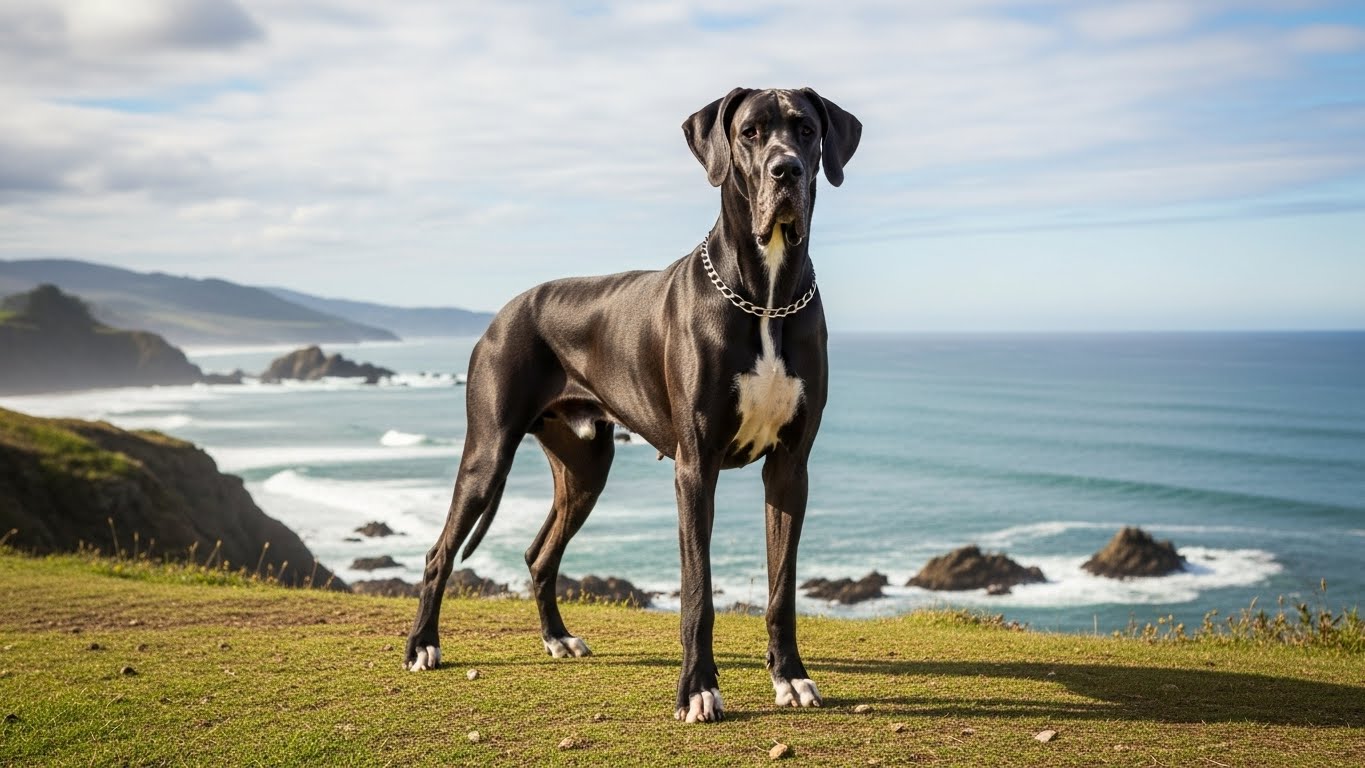
The Majestic Black Great Dane: Complete Breed Overview
The Black Great Dane is a remarkabledog breed known for its towering size, striking black coat, and gentle personality. Often called a “gentle giant,” this breed blends strength with calmness, making it an ideal companion for families seeking both loyalty and elegance.
Despite their imposing appearance, Black Great Danes are surprisingly affectionate and adaptable, thriving in homes that provide structure, attention, and moderate exercise. For owners who enjoy traveling with dogs or taking long walks, these dogs can be great companions. Understanding their history, temperament, and care requirements ensures you provide a loving environment where your Black Great Dane can truly flourish.
Table of Contents
Origin and History of the Black Great Dane
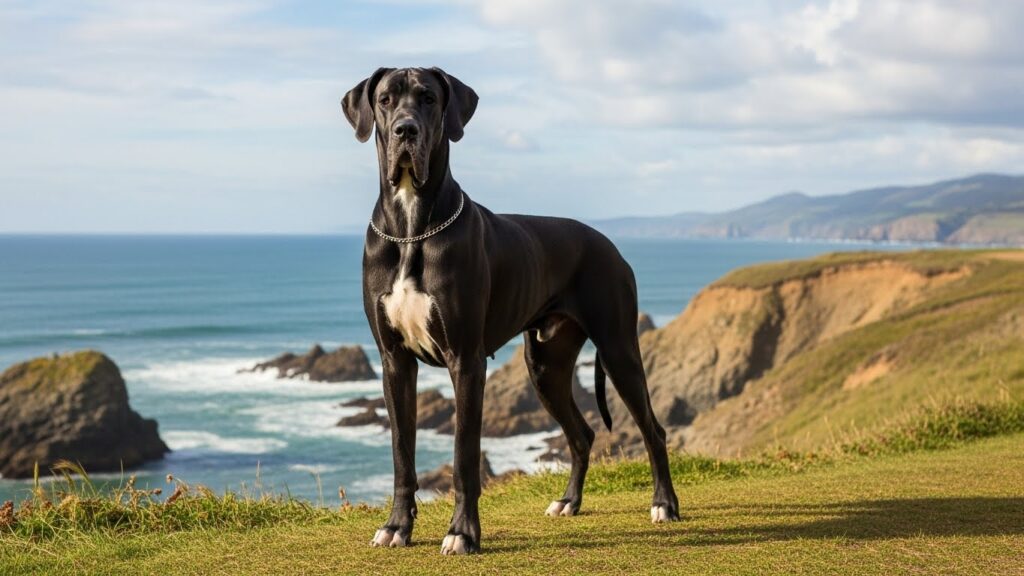
The Great Dane’s roots stretch back to old European times, where ancestors served as boar‑hunting and guard dogs. Over generations, breeders refined size, temperament, and coat color until the modern Black Great Dane emerged — a dog cherished for its blend of nobility and sociability.
The distinctive black coat coloration resulted from selective breeding and genetic lineages focused on uniform, dark fur. Although Great Danes come in many shades, the black variant remains a top choice for those attracted to a classic, bold appearance and a dignified presence.
Physical Characteristics of Black Great Danes
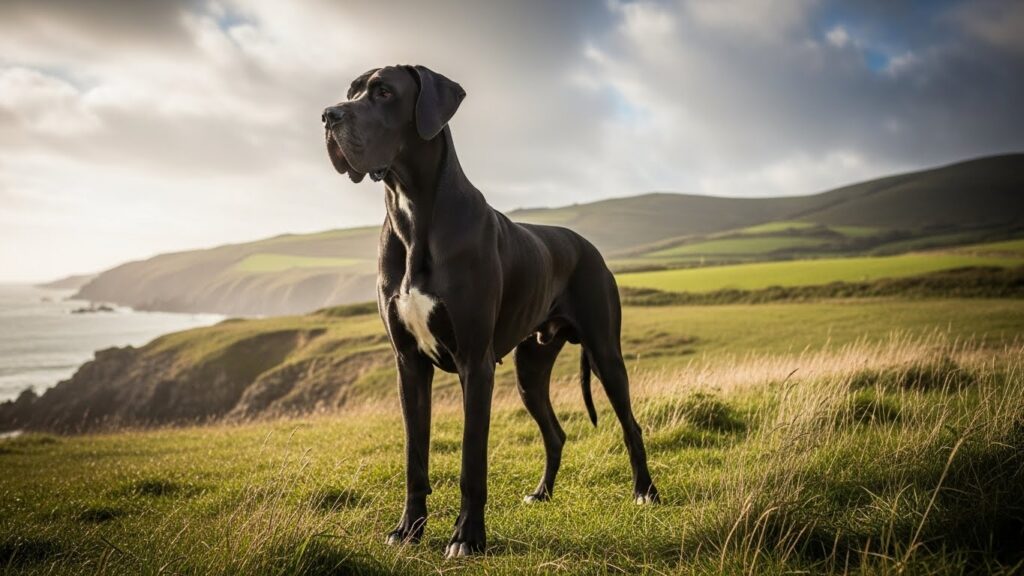
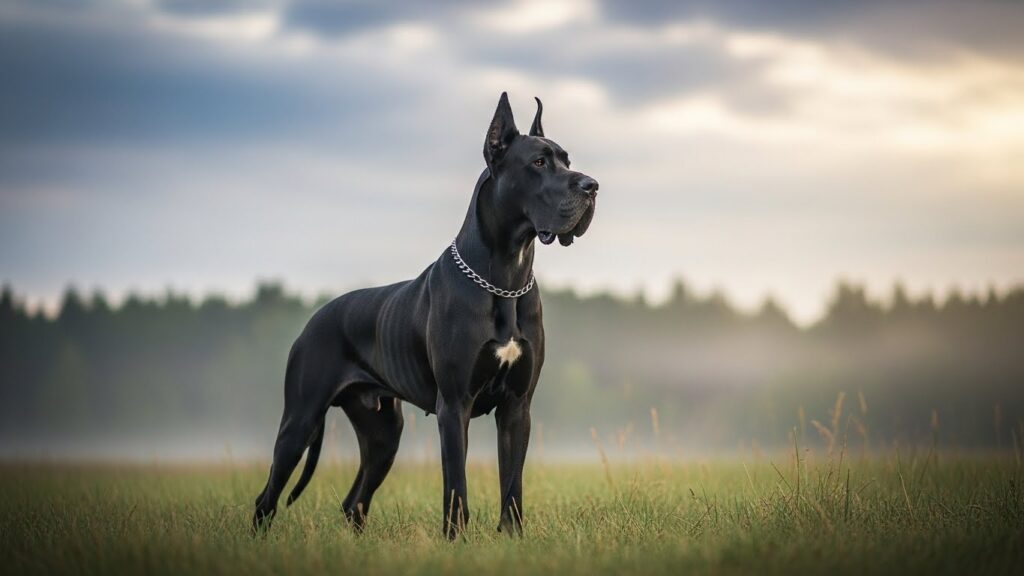
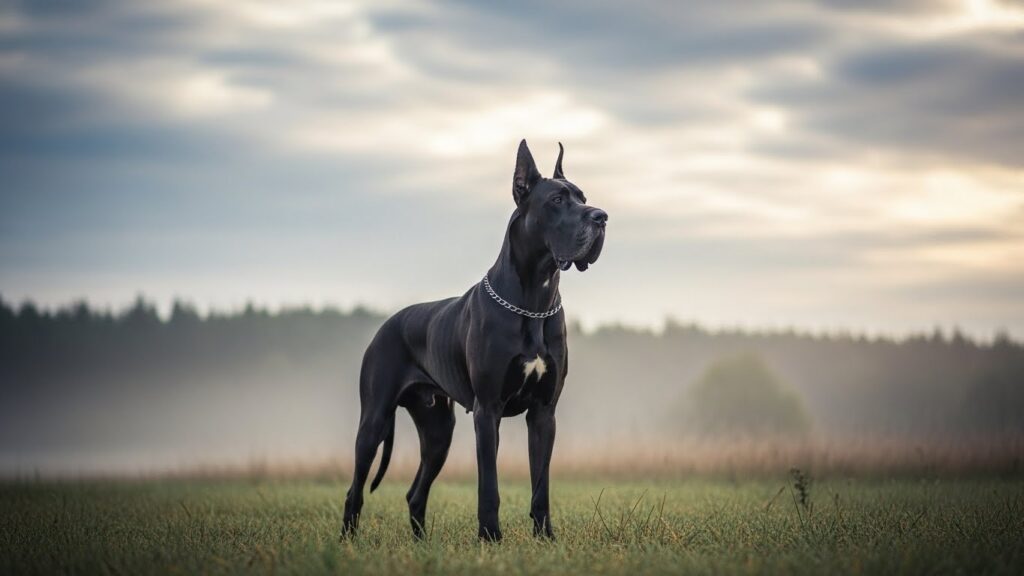
Black Great Danes combine size, strength, and refinement in a way few breeds can match. Their long legs, deep chest, and muscular build give them a majestic silhouette. That glossy black coat accentuates every muscle and contour — turning movement into poetry. Even their calm stance conveys strength without bulk.
Their facial features — a square muzzle, soulful eyes, and high-set ears — add to their regal aura. Their overall structure, with long limbs and a proud posture, creates a presence that’s both commanding and elegant. Many owners say the first impression lasts long after the dog walks away.
Size & Growth Pattern
A typical Black Great Dane puppy grows quickly during the first year, often reaching shoulder heights of 30–34 inches (76–86 cm) and adult weights between 110–175 pounds (50–79 kg). Nydane Rescue+2Pawsome Authority+2 Growth slows after 12–18 months as bones and muscles strengthen. Proper diet and controlled activity are crucial to support healthy development without stressing joints or bones.
| Age (Months) | Approx. Height | Approx. Weight |
|---|---|---|
| 3 | 18–22 in | 25–35 lbs |
| 6 | 24–28 in | 50–70 lbs |
| 12 | 30–34 in | 90–120 lbs |
| Adult | 32–36 in | 110–175 lbs |
Coat Color & Genetics
The rich black coat stems from dominant pigmentation genes. Responsible breeders trace pedigrees to ensure coat consistency and overall health. This genetic history helps maintain the signature jet-black coat, solid coloration, and breed standard that many enthusiasts admire.
Coat Type & Texture
Their coat remains short, smooth, and sleek. It lies flat against the skin and reveals the strong muscle tone beneath. This makes grooming easier than in long‑haired breeds. A quick stroke shows off the coat’s shine and emphasizes the dog’s athletic build.
Distinguishing Physical Features
Key traits such as a long neck, deep chest, long limbs, and a square head define the Great Dane’s silhouette. Combined with black fur, these features create a striking, commanding presence that often draws admiration. Their size and build alone make them unmistakable in any setting.
Black vs Other Great Dane Coat Variations
While Great Danes exist in colors like fawn, harlequin, blue, and brindle, the black variant stands out for its uniform, classic look. Many owners prefer black for the bold contrast it offers — it enhances the dog’s elegant structure and gives that timeless, regal appearance.
Temperament and Personality of the Black Great Dane
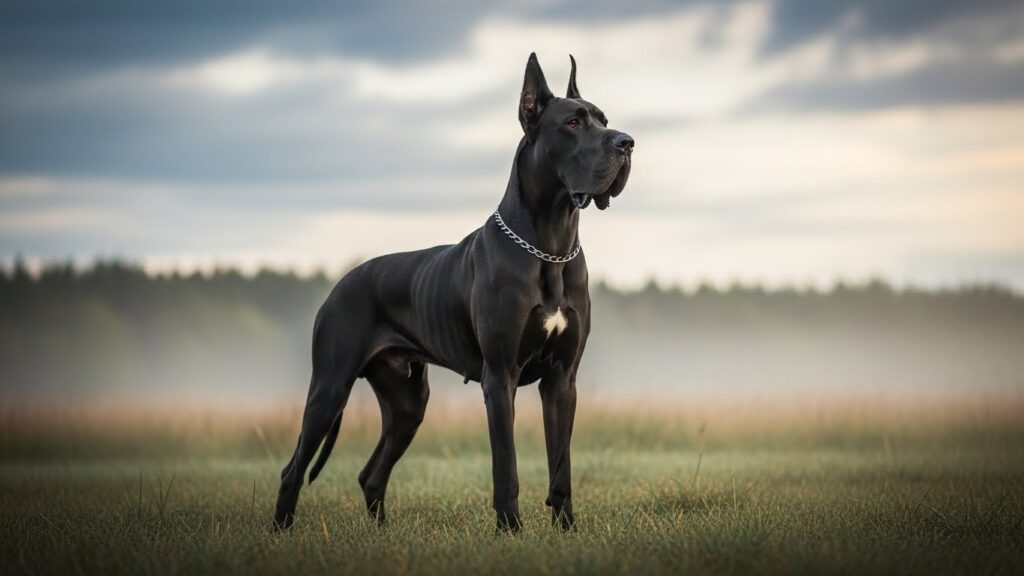
The Black Great Dane pairs size with surprising sensitivity. They form deep bonds with their family, often picking one favorite person to follow and protect. Despite their large build, these dogs remain gentle, patient, and kind — traits that make them excellent family pets and trustworthy companions.
Proper training and socialization bring out their best qualities. Calm, emotionally intelligent, and loyal to a fault, a well-reared Black Great Dane offers peaceful companionship while guarding with quiet confidence.
Temperament Chart
| Trait | Rating (1–5) |
|---|---|
| Loyalty | 5 |
| Affection | 5 |
| Trainability | 4 |
| Energy Level | 3 |
| Sociability | 4 |
Training the Black Great Dane: Methods & Key Stages
Start training early — by 8–10 weeks — when Danes are eager to learn. Use positive reinforcement: treats, praise, and gentle encouragement. Early training builds trust and sets the foundation for good behavior. Simple commands and leash work should come first, then gradually add manners and social expectations.
As they grow, structured training helps manage their size and strength. Focus on controlled walking, polite greetings, and calm behavior indoors. Consistency prevents unwanted habits like jumping or pulling. This method helps raise a well-mannered, confident adult Dane.
Socialization Guide for Black Great Dane Puppies
Expose your puppy to a variety of experiences early. Introduce different people, pets, environments, noises, and surfaces to build confidence. Gradual exposure helps prevent fear or aggression later. Positive early experiences shape a calm adult temperament.
Take them to parks, friendly events, or controlled playdates. Offer praise when they stay calm. Early socialization fosters a dog comfortable with strangers, children, and other animals. A well-socialized Black Great Dane adapts easily, whether at home or in public.
Exercise Requirements & Activity Levels
Black Great Danes need moderate exercise — not extreme activity. Daily walks and gentle play keep them healthy without risking joint stress. Avoid heavy exercise for puppies; their bones are still developing.
As adults, they enjoy steady walking, occasional running, and relaxed play. Their energy comes from movement rather than bursts of activity. Balanced exercise helps keep their weight healthy and supports overall mobility.
Nutrition Guide for Black Great Danes
Feeding a Black Great Dane requires care. Use large-breed puppy formulas for growing dogs, then transition to adult large-breed diets. Controlled calcium and phosphorus levels, quality proteins, and proper meal frequency support bone and joint health.
Split daily food into multiple smaller meals instead of one large portion — this reduces the risk of stomach twisting (bloat). Include healthy proteins and moderate healthy fats so muscles develop properly without rapid overgrowth. Supplements for joint health can help in later years, but only with vet guidance. PetMD+1
Grooming Needs of Black Great Danes
Grooming remains simple yet important. Their short, smooth coat rarely mats and doesn’t require heavy maintenance. A weekly brushing helps remove loose hair, distribute natural oils, and highlight their sleek coat.
Beyond brushing, ear checks, nail trims, and regular dental care ensure overall comfort. Occasional baths — using gentle shampoo — keep skin healthy. With minimal effort, you maintain cleanliness, reduce shedding, and keep your Dane comfortable.
Health Concerns in Black Great Danes
While majestic, this breed faces several serious health risks due to its size and genetics. Common issues include bloat (GDV), hip dysplasia, dilated cardiomyopathy (DCM), Wobbler syndrome, and joint problems. American Kennel Club+2PetMD+2 Their average lifespan remains shorter than smaller dogs, typically around 8–10 years. American Kennel Club+1
Common Health Conditions
- Bloat (Gastric Dilatation–Volvulus, GDV): Deep chest increases risk. Large meals or exercise soon after eating can trigger it — a life-threatening emergency. PetMD+1
- ip Dysplasia & Joint Issues: Large frame strains hips and joints. Without proper diet and controlled growth, arthritis and mobility problems can appear. doggies.com+1
- Dilated Cardiomyopathy (DCM): Enlarged heart muscle weakens over time, impacting circulation and stamina. Regular cardiac check-ups are essential. American Kennel Club+1
- Spinal / Neurological Issues (Wobbler Syndrome): Neck and spinal cord problems can arise due to rapid growth or poor nutrition in early months. doggies.com+1
Preventive Care & Health Screening
To reduce risks, have your Dane undergo hip X-ray (OFA or PennHIP), cardiac exam, thyroid blood test, and spinal/neck evaluation if available. Many reputable breeders provide documentation for such tests. cdn.akc.org+1 Feeding large-breed diets, managing weight, and avoiding high-risk triggers (like heavy meals + exercise) can prolong healthy years.
How to Choose a Black Great Dane Puppy
Selecting a healthy puppy matters more than anything. Look for breeders who offer clear documentation, health testing results, and evidence of ethical breeding practices. Avoid puppies from backyard breeders who breed only for coat color rather than health or temperament.
Visiting in person helps. Observe how puppies behave, how they interact with littermates, and the general health of the mother and environment. A confident, curious pup raised in clean surroundings with socialization has a much better chance at growing into a stable, well‑adjusted adult.
Living With a Black Great Dane: Family Compatibility
Black Great Danes adapt well to family life if given space, structure and plenty of love. Their calm nature makes them gentle with children and smaller pets when properly socialized. Their affectionate loyalty creates deep bonds, often turning them into beloved family members.
They thrive in environments with regular routines, gentle exercise, and consistent companionship. Suburban homes with yards or ample indoor space suit them best, though even apartment living may work with daily walks and responsible care.
Cost of Owning a Black Great Dane
Owning a Great Dane involves higher costs compared to typical dogs. Expect greater food expenses, especially with large‑breed diets, plus vet checkups, health screenings, and occasional supplements. Their size also means larger beds, bigger crates, and more expensive supplies.
Because certain health problems require prompt care, having a financial buffer or pet insurance is wise. Budgeting for emergencies like bloat, joint issues, or heart conditions ensures you can always give your Dane the care it deserves.
Black Great Dane Puppy Development Stages
From wobbly newborn to graceful adult, a Black Great Dane goes through dramatic changes. The first three months shape bone growth and early social behavior. Months 4–12 bring rapid height gain, coordination, and personality development.
During adolescence (12–18 months), growth slows but maturity begins. Training, social habits, and nutrition during this phase influence long‑term health and behavior. By adulthood (around 2 years), a properly raised Dane stands strong, behaves well, and adapts to family routines with ease.
Tips for First-Time Black Great Dane Owners
If it’s your first time with a Dane, preparation makes all the difference. Early socialization, steady training, and structured routines help you build trust and respect. Provide large-breed nutrition, gentle exercise, and joint‑supportive bedding to protect their health.
Watch eating habits closely. Feed multiple small meals, avoid vigorous play right after food, and keep up with vet visits to catch any signs of trouble early. When you commit to responsible care, a Great Dane rewards you with loyalty, affection, and many fulfilling years.
Conclusion
A Black Great Dane offers a rare blend of grandeur and devotion — its imposing size paired with a gentle, loving temperament. This guide outlines everything from history, temperament, health, and care, to puppy selection and first-time owner tips.
By giving your Dane proper nutrition, consistent training, socialization, and regular health monitoring, you’ll ensure it enjoys a full, happy life. With love and responsibility, a Black Great Dane becomes more than a pet — it becomes part of your family’s heart and home.
How rare is a black Great Dane?
The Black Great Dane is one of the less common color variations, admired for its striking, uniform black coat. While not as rare as harlequin or mantle patterns, it still stands out in any litter. Responsible breeders carefully manage genetics to maintain the deep black shade.
What dog is known as the heartbreak breed?
The Great Dane, including the Black Great Dane, is often called the heartbreak breed due to its short lifespan compared to other dogs. Their massive size contributes to health risks, making every loss especially painful. Owners cherish every moment with these gentle giants.
What dog is Scooby Doo?
Scooby Doo is a Great Dane, similar in size and personality to the Black Great Dane. While Scooby is a cartoon, he reflects the breed’s playful, loyal, and gentle traits. His iconic character has helped popularize the breed worldwide.
What is the biggest killer of the Great Danes?
The most common health threat to Great Danes, including the Black Great Dane, is bloat (gastric torsion) and heart conditions. Early detection and preventive care are essential to reduce risks. Regular vet checkups and proper diet help protect these giants.
Why is Great Dane called the heartbreak breed?
The Black Great Dane earns the heartbreak nickname due to its average lifespan of 7–10 years, shorter than most dogs. Their loving and loyal nature makes parting especially hard. Families often form deep bonds during their brief, precious time together.
1 thought on “The Complete Guide to the Black Great Dane: Dog Breed Information, Puppies & Expert Tips”