
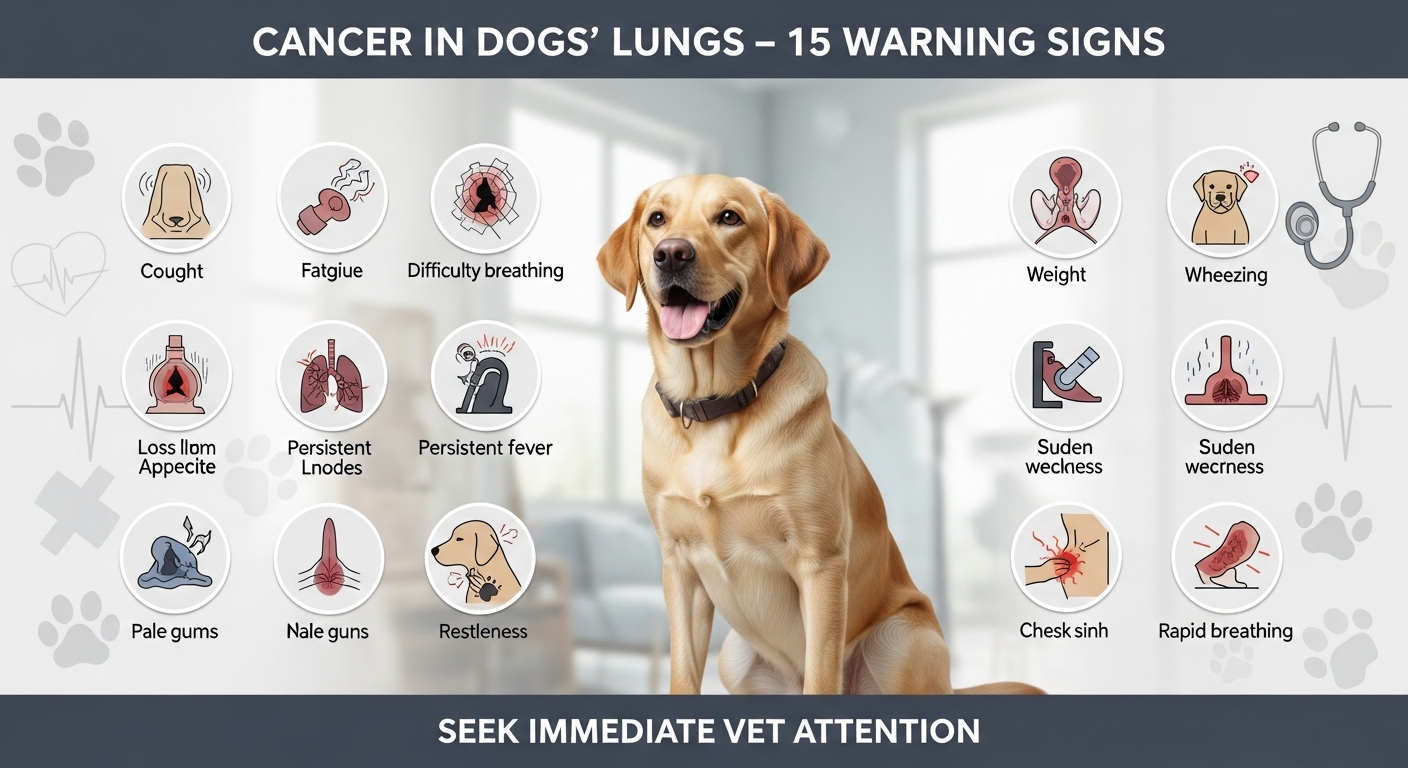
Lung cancer in dogs is becoming a serious condition and has progressed to a dangerous level. Often, dogs go unnoticed by their owners and are only discovered when the disease has entered a dangerous stage.
. Understanding cancer in dogs lungs symptoms is crucial for early detection, timely treatment, and giving your dog the best chance at survival. Dogs naturally hide their pain, which often makes it difficult for their owners to recognize their pain and they don’t realize that our dog is really in pain.
Whether your dog is coughing or having trouble breathing, you notice that he is losing weight or just not acting like himself, this article will help you understand which symptoms are important, why they occur, and when and how quickly you need to take him to the veterinary hospital.
Table of Contents
Understanding Lung Cancer in Dogs
What Is Lung Cancer in Dogs?
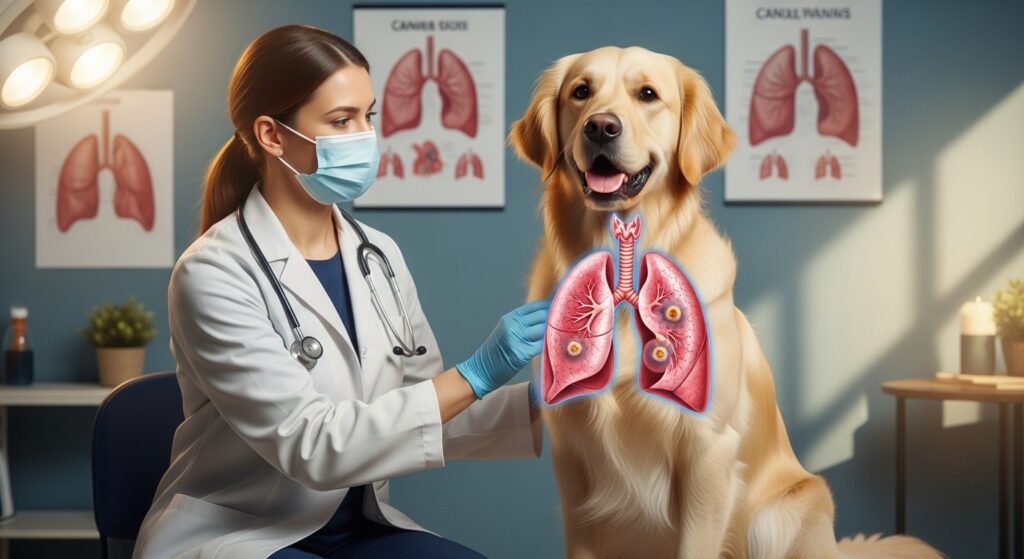
Lung cancer symptoms in dogs usually begin when abnormal cells begin to grow around the lungs. The tumor can usually start in the lungs themselves (primary lung cancer) and it can also travel to another part of the body (secondary or metastatic cancer). Recognizing cancer in dogs lungs symptoms early allows your veterinarian to diagnose and manage the disease before it spreads to vital organs.
Primary vs. Secondary Lung Cancer in Dogs
- Primary Lung Cancer:
Tumors usually arise within the lung tissue and begin to grow slowly, causing early symptoms of difficulty breathing. - Secondary Lung Cancer (Metastatic):
Cancer usually spreads to the lungs from another site, such as the bones, lymph nodes, or lymph nodes. Dogs with metastatic cancer often show more severe cancer in dogs lungs symptoms.
Why Recognizing Early Symptoms Matters
If the disease is diagnosed early, it can lead to successful treatment. Many dogs do not show obvious symptoms until the cancer has advanced, which is why it is very important for dog owners to notice subtle signs early.
Most Common Cancer in Dogs Lungs Symptoms Dog Owners Must Watch For
Persistent Coughing That Doesn’t Improve
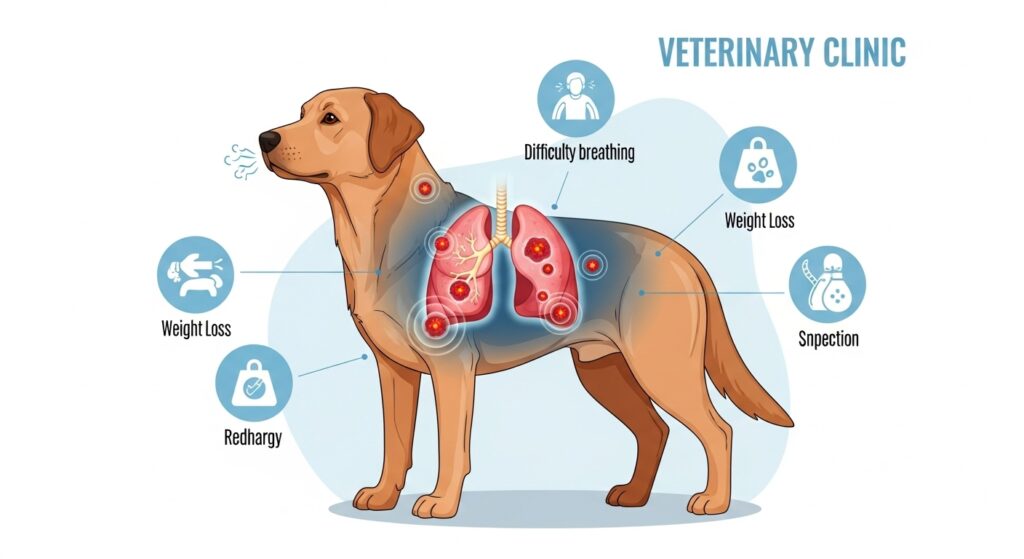
A chronic cough is one of the most noticeable symptoms of cancer in dogs lungs symptoms. It can be dry, harsh, or persistent, and it can be persistent. A cancer-related cough, similar to kennel cough or allergies, does not improve with basic treatment.
Signs to watch:
- Dry, hacking cough
- Coughing after exercise
- Coughing during rest or sleep
- Coughing that worsens over time
Shortness of Breath or Labored Breathing
Difficulty breathing is one of the most dangerous symptoms of cancer in dogs lungs symptoms. Tumors reduce lung capacity, making it harder for your dog to take full breaths.
Common signs:
- Heavy breathing at rest
- Rapid breathing without exercise
- Flared nostrils
- Belly visibly moving with each breath
Unexplained Weight Loss and Muscle Wasting
If your dog is losing weight despite being normal, it could be a sign of an internal illness.. One of the more modern dog weight loss cancer in dogs lungs symptoms, typically caused by the tumour draining energy from the body.
Fatigue, Weakness & Low Activity Levels
Dogs with lung cancer often tire very quickly because their muscles are not getting enough oxygen. If your normally active dog becomes sluggish, this could signal cancer in dogs lungs symptoms.
Loss of Appetite or Avoiding Food
When dogs are in internal pain or having a lot of difficulty breathing, a loss of appetite is common – this can accompany other cancer in dogs lungs symptoms, such as coughing or chest discomfort.
Pain in the Chest Area or Sensitivity When Touched
Most dogs usually show their pain when their chest is pressed up or when they lie down.Pain is a late-stage cancer in dogs lungs symptoms often linked to tumor pressure inside the chest cavity.
Wheezing, Noisy Breathing, or Chest Congestion
When tumours obstruct airways, you may hear:
- Whistling sounds
- Wheezing
- Crackling noises
These are direct cancer in dogs lungs symptoms requiring immediate consultation.
Swollen Lymph Nodes as a Sign of Spread
Lymph node swelling
Especially around the neck, this can indicate that the cancer is spreading. This symptom usually appears frequently with other cancer in dogs lungs symptoms and should be investigated quickly.
Sudden Fainting or Collapse Episodes
Collapse begins when oxygen levels drop too much below normal conditions. Although rare, it is one of the most serious.cancer in dogs lungs symptoms, signaling a medical emergency.
Cyanosis: Blue or Pale Gums
Bluish gums indicate lack of oxygen—a severe cancer in dogs lungs symptoms requiring urgent veterinary care.
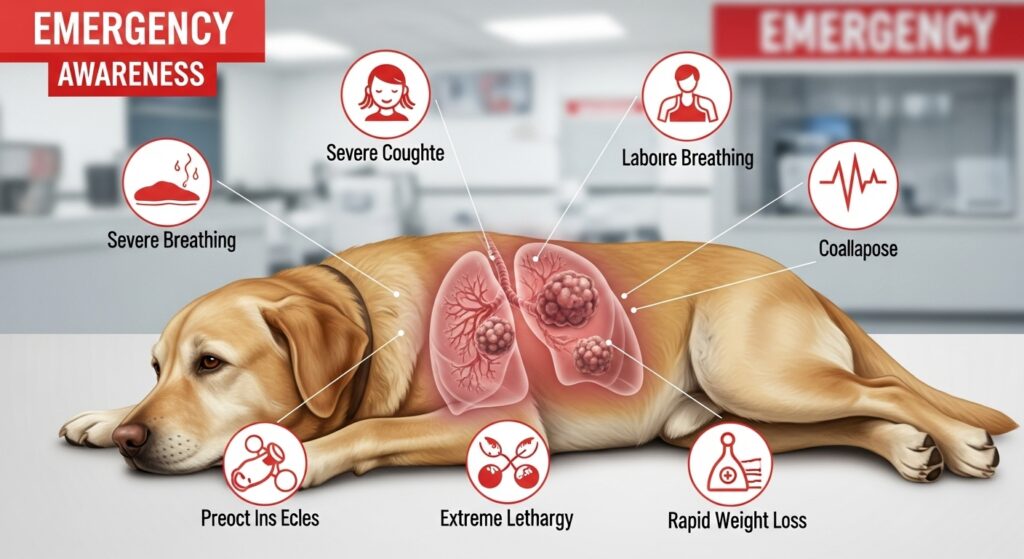
Advanced Cancer in Dogs Lungs Symptoms That Require Emergency Care
Severe Breathing Distress (Panting at Rest)
If you notice these signs that your dog is panting a lot even while lying still, this is a severe form of cancer in dogs lungs symptoms that suggest the lungs are failing.
Coughing Up Blood
Blood in mucus or saliva is a late-stage and dangerous symptom caused by tumour bleeding.
Persistent Fever Linked to Lung Tumors
A fever that does not respond to medication may indicate inflammation caused by lung tumours.
Rapid Spreading to Other Organs
In advanced cases, tumours spread to:
- Liver
- Bones
- Brain
- Lymph nodes
This causes additional complications beyond cancer in dogs lungs symptoms.
When Symptoms Become Life-Threatening
Emergency care is needed if your dog shows:
- Extended collapse
- Severe breathing trouble
- Unresponsive behavior
- Continuous bleeding
How Veterinarians Diagnose Lung Cancer in Dogs
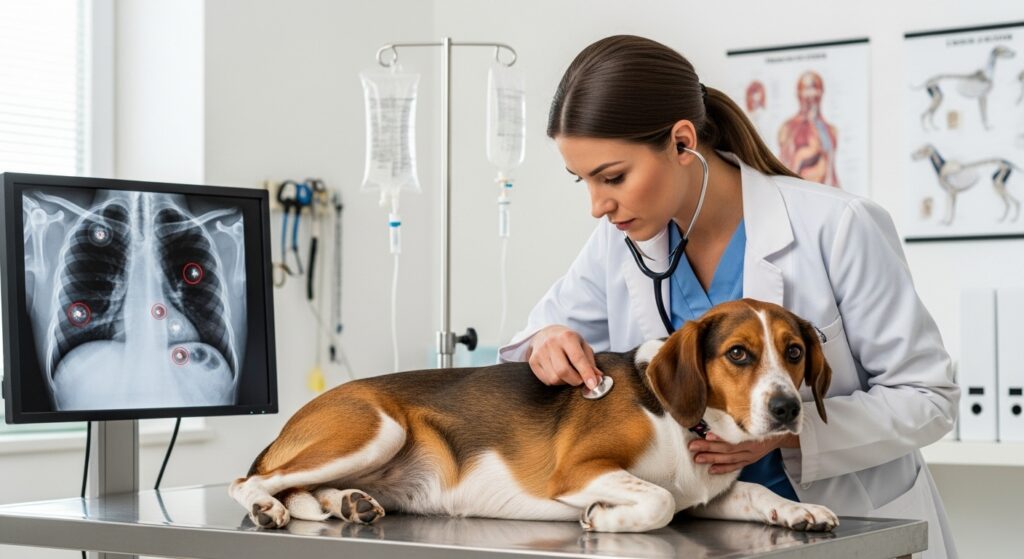
Physical Examination & Symptom Review
Vets start by reviewing noticeable cancer in dogs lungs symptoms, listening to lung sounds, and checking for pain or abnormalities.
Chest X-Rays & Advanced Imaging
X-rays are the most common tool to detect:
- Tumor size
- Tumor location
- Lung fluid buildup
CT Scans and Detecting Tumor Spread
CT scans offer high detail and help detect smaller tumors missed by regular X-rays.
Biopsy & Laboratory Tests
A lung biopsy confirms whether a tumor is cancerous. Blood tests may also show abnormalities linked to cancer in dogs lungs symptoms.
Staging the Cancer for Treatment Planning
Staging helps determine:
- How far the cancer has spread
- Which treatment is best
- Expected life expectancy
Treatment Options for Lung Cancer in Dogs
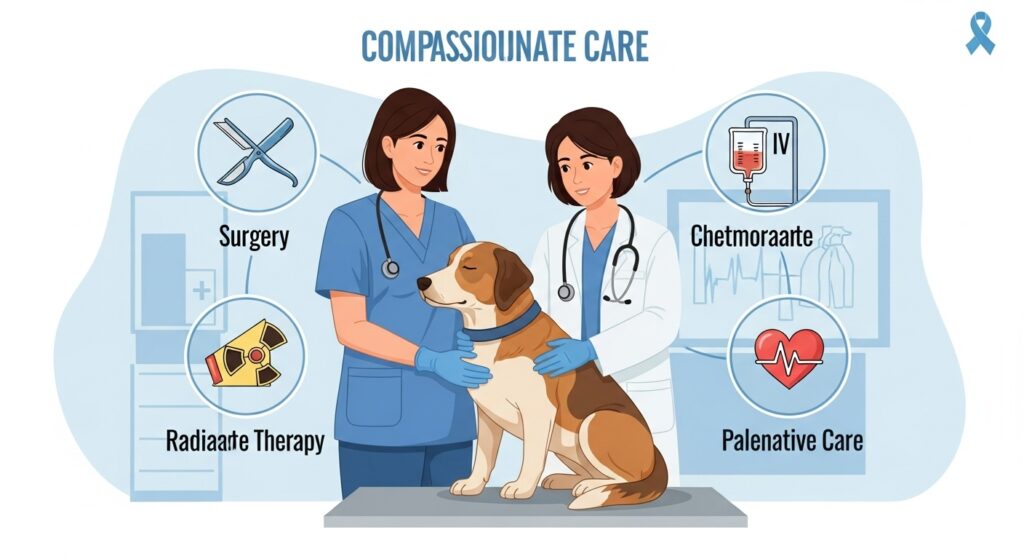
Surgical Removal of Lung Tumors
Surgery is the best option for dogs with primary lung tumours that haven’t spread. Removing the tumour can significantly reduce cancer in dogs lungs symptoms.
Chemotherapy for Primary & Metastatic Tumors
Chemotherapy may shrink tumors and slow the spread. It works well for dogs with multiple tumours or metastatic cancer.
Radiation Therapy & Targeted Treatments
Radiation therapy helps control tumor growth when surgery isn’t possible.
Pain Management & Supportive Care
Pain medication, oxygen therapy, and anti-inflammatory drugs help manage cancer in dogs lungs symptoms and improve quality of life.
Natural and Holistic Support (Veterinarian-Approved)
Options can include:
- Herbal supplements
- Dietary adjustments
- Immune-strengthening support
Always consult a vet before using any holistic treatment.
Life Expectancy & Survival Rates
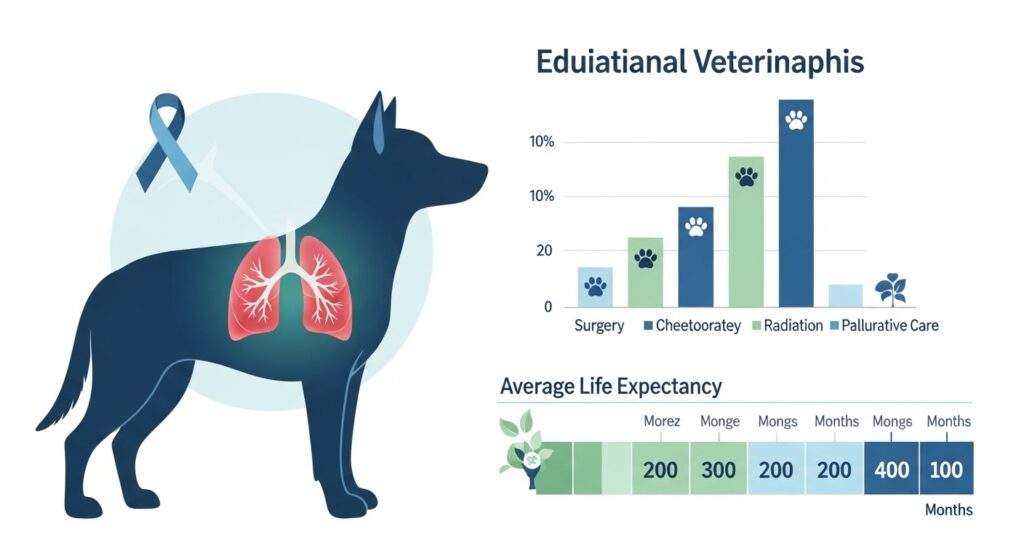
Early Detection and Prognosis
Dogs diagnosed early often live longer and respond better to treatment. Mild cancer in dogs lungs symptoms detected early may lead to positive outcomes.
How Severity of Cancer in Dogs Lungs Symptoms Affects Survival
Severe symptoms, such as breathing distress or collapse, typically indicate advanced disease and lower survival rates.
Quality of Life Considerations
Owners must work with veterinarians to keep their dog comfortable, especially in late stages.
How to Support a Dog Living With Lung Cancer
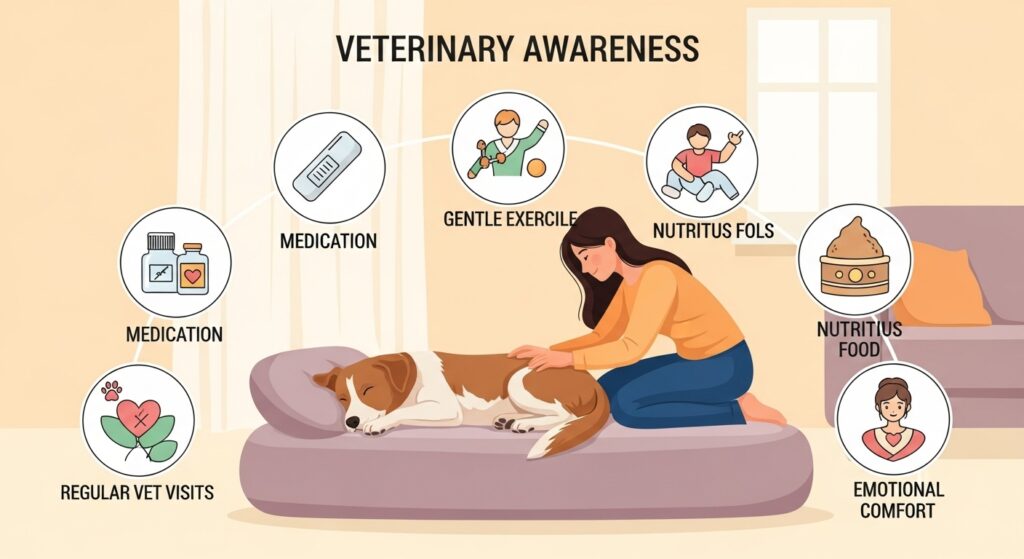
Home Care Tips for Breathing Support
- Provide a calm, dust-free environment
- Keep the room cool
- Avoid smoke exposure
- Use humidifiers if recommended
Comfort Measures & Lifestyle Adjustments
Gentle walks, soft bedding, and reduced stress help minimize cancer in dogs lungs symptoms.
Diet for Dogs with Lung Cancer
Choose:
- High-protein foods
- Easily digestible meals
- Veterinarian-recommended supplements
When to Seek Immediate Veterinary Help
Call your vet if you notice:
- Heavy breathing
- Fainting
- Sudden collapse
- Rapid symptom worsening
Prevention Tips: Reducing Your Dog’s Risk of Lung Cancer
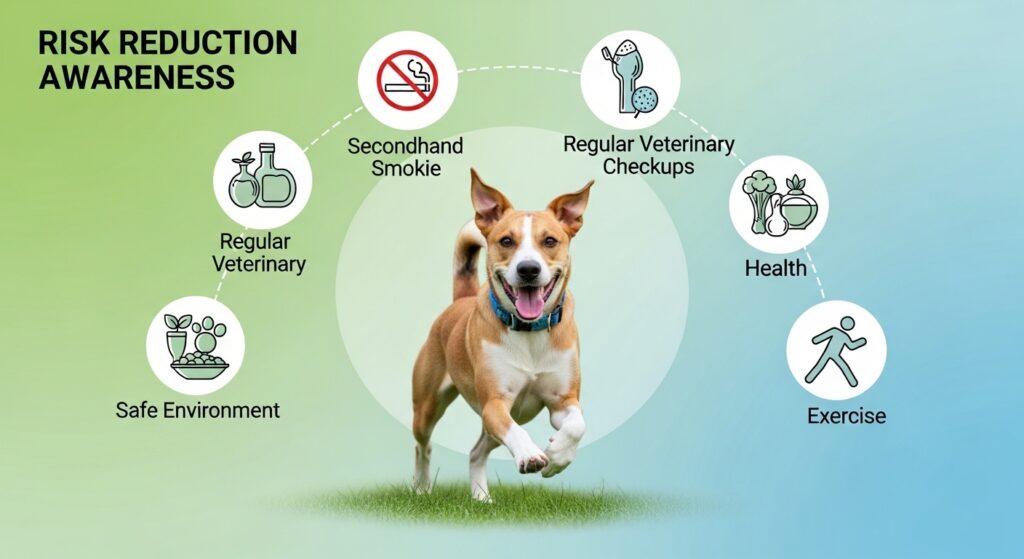
Exposure to Toxins and Smoke
Avoid:
- Secondhand smoke
- Household chemicals
- Pollution-heavy environments
Early Screening for High-Risk Breeds
Breeds like Boxers, Dobermans, and Retrievers may benefit from routine screening for cancer in dogs lungs symptoms.
Strengthening Immune Health
Healthy habits:
- Regular vet visits
- Balanced diet
- Exercise
- Supplements (vet-approved)
(FAQs)
1. What are the earliest and most noticeable “cancer in dogs lungs symptoms”?
Early signs include coughing, mild breathing difficulty, decreased energy, and reduced appetite.
2. Can dogs recover from lung cancer if caught early?
Yes, dogs diagnosed early and treated promptly (especially with surgery) have a better prognosis.
3. How fast do lung tumors grow in dogs?
Some tumors grow slowly for months; others spread rapidly, depending on the cancer type.
4. Are coughing and breathing problems always linked to lung cancer?
No. They may also indicate infections, allergies, or heart disease. A vet must confirm the cause.
5. When should I rush my dog to the vet if I suspect lung cancer?
Seek urgent care if your dog shows severe coughing, rapid breathing, blue gums, or collapse.
Conclusion:
Recognizing cancer in dogs lungs symptoms early gives your dog the best chance of receiving effective treatment. Coughing, fatigue, or loss of appetite are symptoms you can’t ignore. Get your vet checked regularly. Paying attention to symptoms promptly and trying to maintain a healthy environment can help protect your dog from serious complications. Early intervention not only prolongs life but can also improve your dog’s comfort and quality of life.