
This article is for general information only and is not veterinary advice. Always consult a licensed veterinarian for your dog’s health.
I still remember the first morning I found a small puddle of sick next to my puppy’s bed. She had been chewing everything in sight the day before, her gums looked sore, and I stood there in my slippers wondering what had gone wrong overnight. Many owners ask, can teething cause vomiting in puppies? The short answer is that teething can be linked to occasional mild vomiting, but it is not the only cause, and repeated vomiting always needs a vet’s advice.
This guide shares 10 facts about teething and vomiting in puppies, what is normal, and when to talk to your veterinarian. I have kept it practical, because when your puppy is sick, you do not need a lecture — you need to know what to watch, what usually settles on its own, and when to pick up the phone.
1. Understanding Puppy Teething — What It Really Means
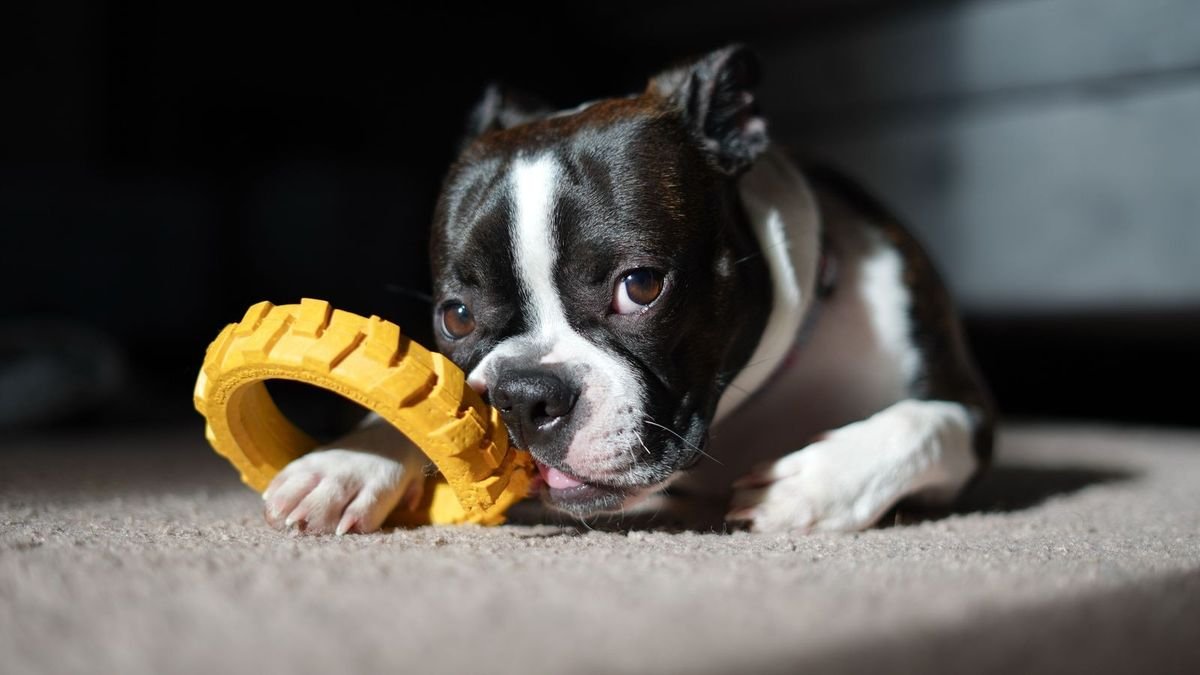
Puppies start teething when they are a few weeks old, and their adult teeth usually come in by the time they are six or seven months old. During this time, a puppy’s gums can become sore, itchy and swollen, much like a baby’s gums during teething. This discomfort is why puppies chew on almost everything they can reach, from chair legs to your favourite shoes.
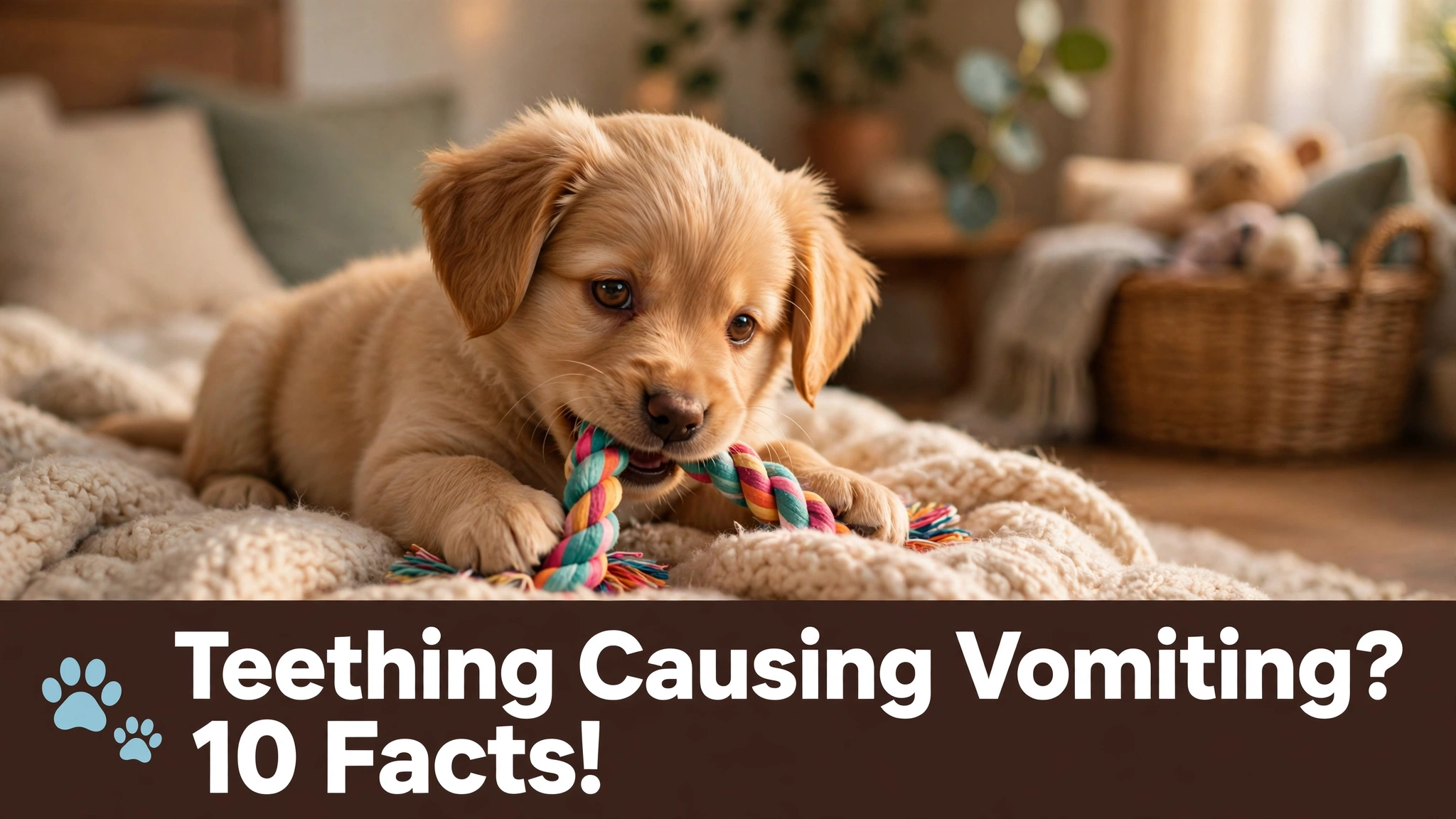
When my puppy was about four months old, she started carrying her rope toy everywhere and gnawing the corner of the rug when she thought I was not looking. At first I thought she was just being naughty. Then I lifted her lip and saw a tiny new tooth pushing through a red, puffy gum, and the chewing suddenly made sense. She was not misbehaving — her mouth hurt, and chewing was the only way she knew to press on the ache.
What to watch for: extra chewing, wet patches on bedding from drool, a little bleeding where a baby tooth has come out, and a puppy that paws at its own mouth. When it matters: if the chewing turns into swallowing bits of things that are not food, or your puppy cries when you touch near its mouth, it is time to look closer and, if you are unsure, ask your veterinarian.
2. Can Teething Cause Vomiting in Puppies? How the Digestive System Reacts
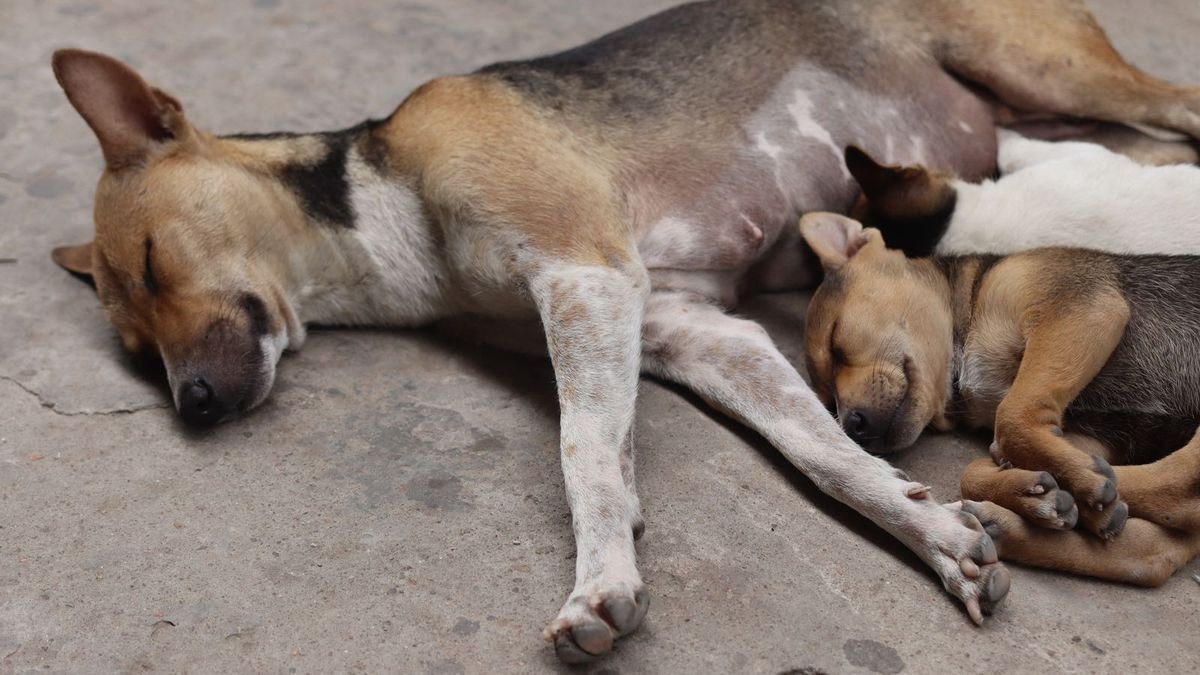
Teething mainly affects the mouth, but the discomfort can affect the stomach too. A puppy that is swallowing a lot of extra saliva, chewing on objects, or eating less because its gums hurt may end up with an upset stomach. That is why owners often ask, can teething cause vomiting in puppies? The mouth and the stomach are closer connected than most of us realise.
Our puppy went through a phase where she would chew her toy for an hour, then bring up a little frothy sick on the kitchen floor and carry on as if nothing had happened. I cleaned it up, watched her for the rest of the evening, and she ate her dinner, wagged her tail and slept soundly. It looked dramatic in the moment, but the pattern told its own story — a sore mouth, a busy stomach, and a puppy that was otherwise fine.
What to watch for: sick that comes once after a long chewing session, and a puppy that bounces back quickly, drinks water and wants its food. When it matters: if the vomiting repeats through the day, or your puppy goes quiet and will not eat or drink, stop guessing and contact your veterinarian.
3. Increased Drooling and Saliva Swallowing During Teething
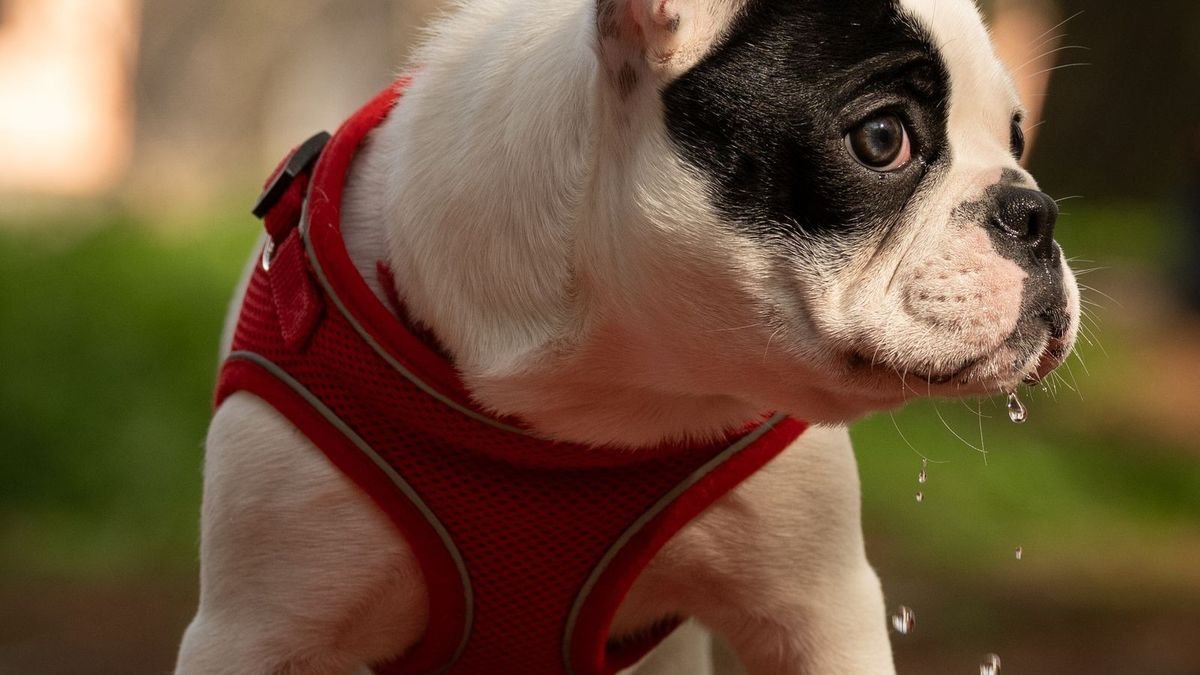
Teething puppies drool more than usual. Swallowing a lot of saliva can upset a puppy’s stomach and lead to occasional mild vomiting, often with a small amount of yellow or foamy liquid. It is one of the quietest links between a sore mouth and a sick stomach, and it is easy to miss because drool does not look like a problem on its own.
I first noticed the drool on my puppy’s blanket, a damp ring where her chin had rested while she slept. During the day she left wet spots on the floor and kept licking her lips. One evening she brought up a little yellow foam, and I finally joined the dots — she had been swallowing drool all day, and her stomach had simply had enough of it.
What to watch for: a wet chin, damp bedding, lip licking, and sick that looks like yellow foam or clear liquid. When it matters: if the drooling is heavy and constant, or your puppy keeps bringing up foam and will not settle, contact your veterinarian for advice.
4. Chewing Everything in Sight — A Hidden Cause of Vomiting
Puppies chew to soothe their sore gums, and they will chew on toys, furniture, shoes and anything else they find. Swallowing bits of non-food objects can upset the stomach and cause vomiting. Keep harmful objects, small items and anything a puppy should not eat out of reach.
The worst morning of our teething months started with a chewed-up slipper. My puppy had pulled the stuffing out of it while I was in the shower, and by lunchtime she had been sick twice. I spent that evening on my hands and knees picking up every small thing within her reach — hair ties, bottle caps, the frayed end of a rug — and the sick stopped as suddenly as it had started. The slipper had not been food, and her stomach had said so.
What to watch for: chewed objects with missing pieces, and sick that contains bits of fabric, paper or other non-food material. When it matters: if your puppy is sick after a chewing session, it is fair to ask, can teething cause vomiting in puppies, or did something get swallowed? If you think your puppy has swallowed something that could block or harm them, or the vomiting keeps coming, contact your veterinarian straight away.

5. Stress and Pain from Teething Can Trigger Stomach Reactions
Teething is uncomfortable, and the pain and stress can affect a puppy’s stomach. A teething puppy may sleep less, eat less and seem unsettled. This stress can show up as an upset stomach or occasional vomiting.
There was a week when my puppy was not herself at all. She paced the hallway at night, whined at the back door for no reason, and turned away from the toy she usually loved. Then she was sick once, early in the morning, and went straight back to sleep. Looking back, the sickness was not the main problem — it was the tired, sore, out-of-sorts puppy underneath it.
I learned to read that restless mood as part of the teething picture, not a separate worry. A calm house, a familiar blanket and a quiet corner to sleep in seemed to help her more than anything else I tried. When she slept well, her stomach settled too — and when she did not, the next morning often brought a small puddle of sick with it.
What to watch for: restless nights, whining, less interest in play, and a puppy that seems tired but cannot settle. When it matters: if your puppy is distressed, cries when touched, or the sickness comes with a real change in behaviour, contact your veterinarian.
6. Loss of Appetite and Occasional Vomiting Go Hand in Hand
Sore gums make chewing painful, so many puppies eat less during teething. When a puppy’s stomach is mostly empty, bile can build up and irritate the stomach lining, which can lead to vomiting yellow bile. This is the same empty-stomach vomiting that affects adult dogs.
My puppy’s appetite changed overnight. One day she finished her food in seconds, and the next she sniffed the bowl, took two mouthfuls and walked away. That evening she brought up yellow bile on an empty stomach, and I realised the missed meals and the sickness were two halves of the same problem. Her gums hurt too much to chew, so she ate too little, and the empty stomach did the rest.
What to watch for: half-finished meals, a puppy that walks away from food it usually loves, and yellow or foamy sick early in the morning or late at night. When it matters: if your puppy stops eating completely, or keeps bringing up bile through the day, contact your veterinarian.

7. Can Teething Cause Vomiting in Puppies Every Day, or Is It Illness?
Occasional mild vomiting during teething is usually a single episode, and the puppy is otherwise bright, playful and eating. It is natural to wonder, can teething cause vomiting in puppies, or is it something more serious? The difference is in the pattern, not in any single episode.
I keep a simple rule in my head now. One sick, then back to normal — that was teething. Two or three times in a day, with a puppy that went flat and would not play — that was the morning I called the vet. The vet visit cost me a morning, but the peace of mind was worth every minute of it, and the puppy was fine. I have never regretted calling too early. I have only ever regretted waiting.
Teething sickness tends to be mild, short-lived and easy to explain — a chewing session, a lot of drool, a missed meal. Illness usually brings friends with it: sickness that keeps coming back, loose stools, a puppy that will not eat or drink, or a tiredness that does not lift after a nap. When several of those show up together, teething stops being the likely story. That is the honest answer to can teething cause vomiting in puppies: sometimes, mildly, and not for long.
What to watch for: how often the vomiting happens, whether your puppy stays bright and hungry between episodes, and whether other signs turn up alongside it. When it matters: vomiting that is frequent, or that comes with diarrhoea, lethargy, refusing food or blood, is not normal teething — contact your veterinarian.
8. How Long Teething-Related Vomiting Usually Lasts
Teething lasts several months, and mild symptoms usually ease as the adult teeth come in. Occasional mild vomiting linked to teething should not keep happening for a long time. That is the short version of the answer to can teething cause vomiting in puppies: a little, now and then, and then it fades. If vomiting keeps happening, or your puppy seems unwell, talk to your veterinarian.
Our teething months felt endless at the time. The chewing peaked, the drool peaked, and then — almost without me noticing — the sick mornings stopped. The adult teeth came through one by one, the gums settled, and the puppy who had been sick on my kitchen floor turned back into the puppy who stole my socks. It took months, not days, and knowing that helped me stay patient.
If you are still asking, can teething cause vomiting in puppies, after several weeks of on-and-off sickness, that pattern itself is worth a vet visit. Teething explains the odd episode here and there. It does not explain sickness that keeps coming back week after week, and your veterinarian is the right person to work out what else could be going on.
What to watch for: whether the sick days are getting further apart as the weeks pass, and whether your puppy is growing, eating and playing normally in between. When it matters: if the vomiting is not easing as the adult teeth come in, or your puppy is not thriving, contact your veterinarian.
9. Comfort Tips for Teething Puppies
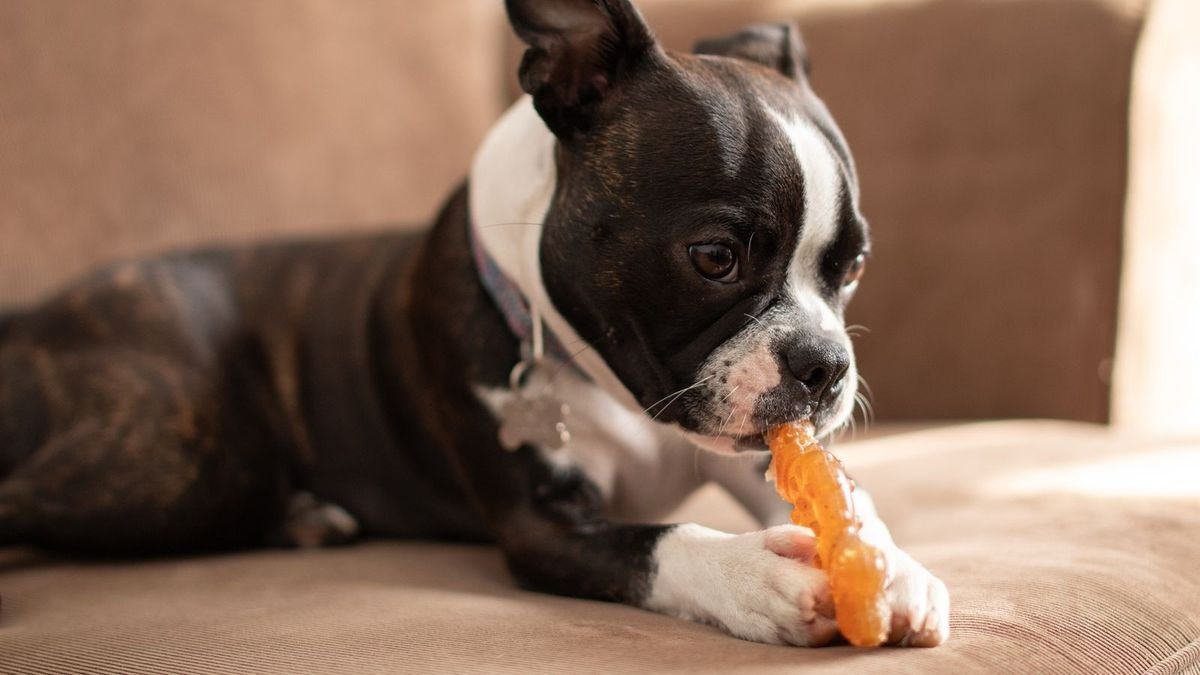
Keep your puppy comfortable while teething, and remember the question at the heart of this guide: can teething cause vomiting in puppies? When the answer is a mild, once-in-a-while yes, comfort is usually what helps most. Keep a calm daily routine, offer safe chew toys made for puppies, keep harmful objects out of reach, and make sure fresh water is always available. If you are worried about your puppy, or the vomiting keeps happening, talk to your veterinarian.
The routine that worked for us was simple. A chew toy by the back door, a quiet spot to rest, meals at the same times each day, and fresh water topped up every morning. On the days I kept that routine, my puppy was calmer, she chewed the right things, and the sick mornings were rare. On the days everything slipped, the chewing and the drool seemed twice as bad.
One of the questions I hear most is, can teething cause vomiting in puppies, and what actually helps a sore mouth? In my experience, the answer is comfort, not fuss: a safe toy to chew, a calm day, fresh water nearby, and a watchful eye. For the general side of vomiting — when sickness is the bigger worry rather than teething — our guide to home remedies for dog vomiting is a useful next read.
What to watch for: whether your puppy is chewing safe toys or hunting for trouble, and whether fresh water is always within reach. When it matters: if comfort steps are not helping, or the vomiting keeps happening, contact your veterinarian.

10. When to Visit the Vet for Puppy Vomiting
See your veterinarian if your puppy vomits multiple times a day, has blood or foreign objects in the vomit, seems tired or weak, stops eating completely, or keeps vomiting for more than a day or two.
The morning I called the vet, my puppy had been sick three times before breakfast and would not even look at her water bowl. I felt silly ringing up about a teething puppy — until the receptionist said, very kindly, that they would always rather hear about a sick puppy early than late. The visit was quick, the advice was simple, and I drove home wondering why I had waited so long to call.
When owners ask me, can teething cause vomiting in puppies, I always come back to the same answer: now and then, it can be linked to a single mild episode. But vomiting that repeats, brings blood with it, or comes with a puppy that will not eat, drink or play is a vet visit, not a teething phase — and the sooner you make that call, the sooner you will know where you stand.
What to watch for: blood in the sick, anything that looks like a swallowed object, a puppy that will not drink, and sickness that keeps coming back. When it matters: all of these are reasons to contact your veterinarian, and sooner is always better than later.
Conclusion
So, can teething cause vomiting in puppies? Yes, it can be linked to occasional mild vomiting, through drooling, chewing, stress and an empty stomach. But repeated vomiting, vomiting with diarrhoea, or a puppy that seems unwell is not normal teething. Knowing the signs helps you act, and your veterinarian is the right person to find out what is wrong.
If you take one thing from this guide, let it be this: trust the pattern, not the panic. The next time you wonder, can teething cause vomiting in puppies, look at the pattern first — one sick morning with a bright, hungry puppy is a very different story from sickness that keeps coming back. Keep the chew toys safe, the water fresh, and your vet’s number close — and enjoy the puppy, sore gums and all.
Frequently Asked Questions
Can teething cause vomiting in puppies more than once a day?
Yes, it can, especially if a puppy swallows a lot of saliva or chews on something that upsets the stomach. In my experience, the odd extra episode after a long chewing session is not unusual. If it happens often, though, or your puppy goes quiet and loses interest in food, talk to your veterinarian.
Can my puppy vomit while teething even if they seem active and playful?
Yes. Mild vomiting can happen even in puppies that are otherwise active and playful. I have seen my own puppy throw up once and then demand a game five minutes later. Watch for other signs, and talk to your vet if the vomiting repeats.
Can teething cause vomiting in puppies along with diarrhea?
Sometimes, if a puppy swallows a lot of saliva or chews something that upsets the stomach. In my house, the two showed up together exactly once, after a chewed slipper incident. Diarrhoea together with vomiting needs a veterinarian’s advice, so do not wait it out.
Can an empty stomach cause vomiting during teething?
Yes. An empty stomach can lead to yellow bile vomiting, and sore gums are often the reason a puppy eats less in the first place. Keep a regular feeding routine, and ask your veterinarian for advice if vomiting keeps happening.
Is vomiting during teething always a sign of sickness?
Not always. Mild, occasional vomiting during teething can be normal, especially after chewing or drooling. But repeated vomiting, lethargy, or refusing food are signs to see a veterinarian, and it is always better to ask early than to worry late.
Related reading: read our guide on dog throwing up yellow bile, our guide on what to give dogs for diarrhea, and our guide to home remedies for dog vomiting.
For more general information about puppy teething, see the American Kennel Club’s guide to puppy teething and nipping.
This article is for general information only and is not veterinary advice. Always consult a licensed veterinarian for your dog’s health.