
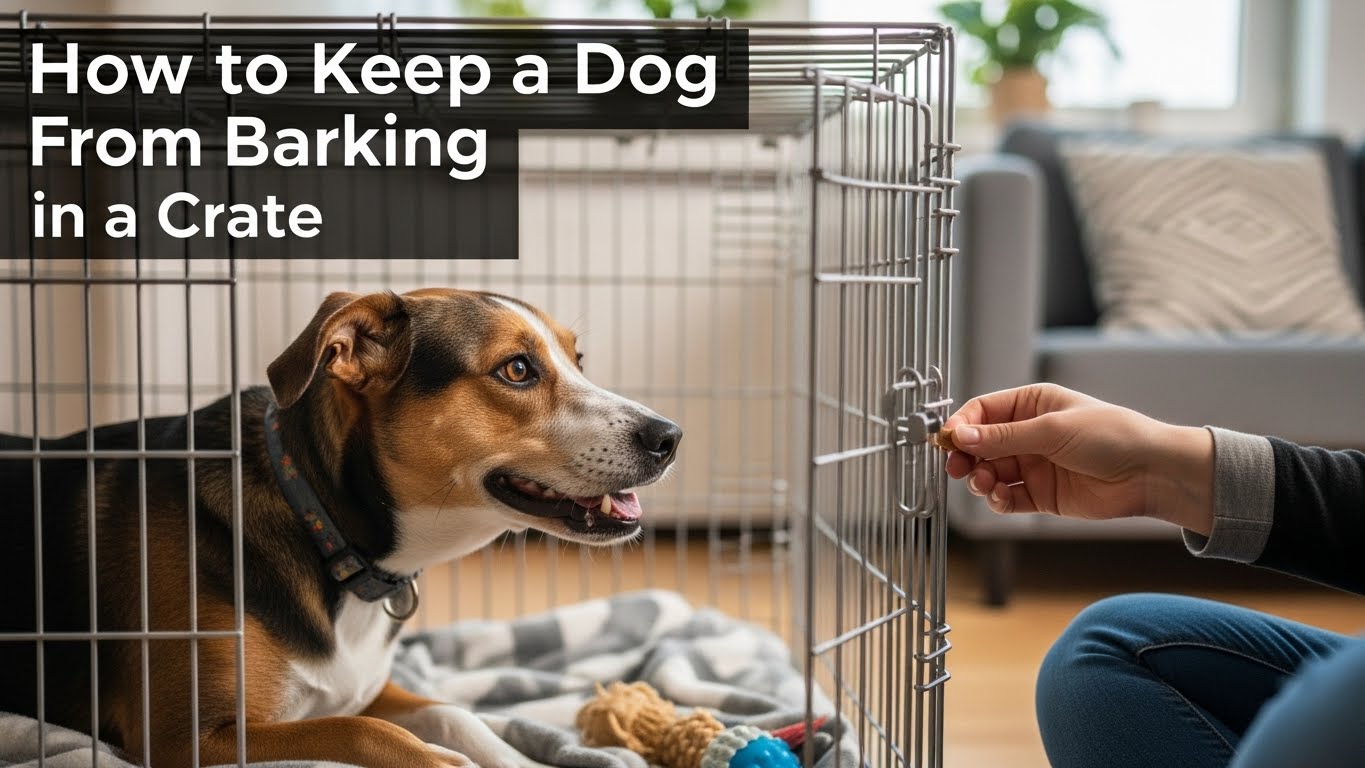
Learning How to Keep a Dog From Barking in a Crate is essential for any dog owner dealing with restless nights. Dogs often vocalize due to nighttime crate barking, separation anxiety in dogs, or simple excess energy in dogs.
Understanding the reasons for crate barking helps create a calm, secure environment for your furry friend. With a thoughtful crate training routine and consistent approach, you can reduce stress and encourage quiet behavior. This guide provides practical tips, from mental stimulation and exercise to comfort-boosting accessories, ensuring your dog feels safe, relaxed, and ready to settle down in their crate every night.
Table of Contents
How to Keep a Dog From Barking in a Crate by Understanding Anxiety Triggers

Many dogs bark due to behavioral triggers like fear, environmental fear, or overstimulation. Observing your dog can reveal stress indicators in dogs, nervous body language, and attention-seeking behavior. Understanding these triggers allows you to address the root cause instead of punishing the barking. Often, nighttime dog anxiety or crate-based stress is the main culprit behind persistent barking issues.
Case studies show that dogs exposed to a calm, sensory comfort (sound/smell/touch) environment bark less. For example, playing soft music or adding a familiar blanket can reduce dog barking due to fear. By recognizing urgent barking cues and responding thoughtfully, owners can create a calming environment that encourages dogs to settle down at night.
How to Keep a Dog From Barking in a Crate Through Proper Crate Introduction
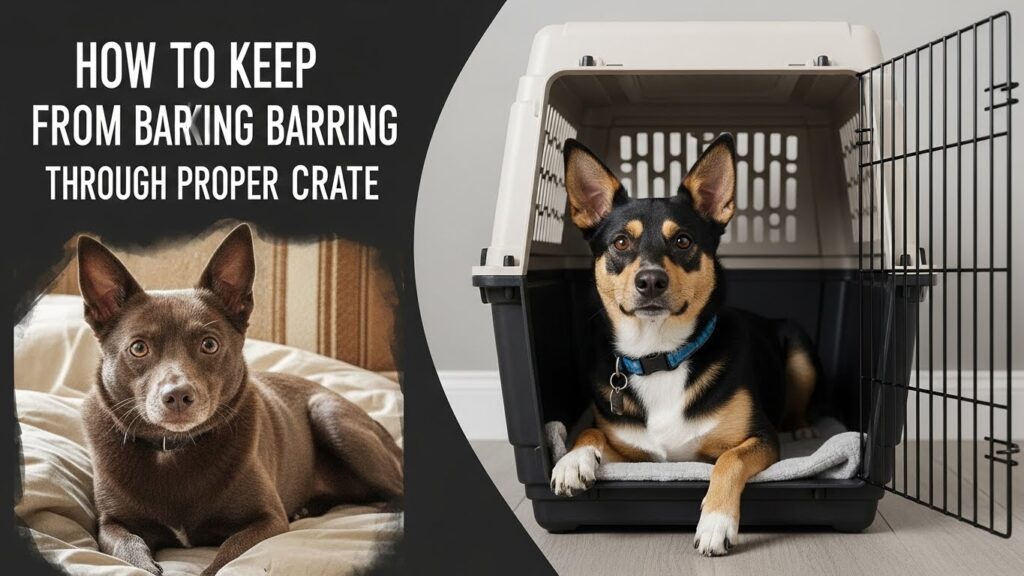
A proper crate training routine is crucial. Start with crate exploration sessions where the door is open, and treats are placed inside. This allows your dog to investigate without pressure. Gradual exposure and desensitization help dogs view the crate as a safe sleeping space rather than confinement.
Introduce cozy crate bedding and familiar scents for dogs to build comfort. Short, positive sessions that reward calm behavior reinforce good habits. Over time, your dog associates the crate with rest and security, reducing both dog whining or whimpering and vocalizing behavior.
How to Keep a Dog From Barking in a Crate Using a Predictable Routine
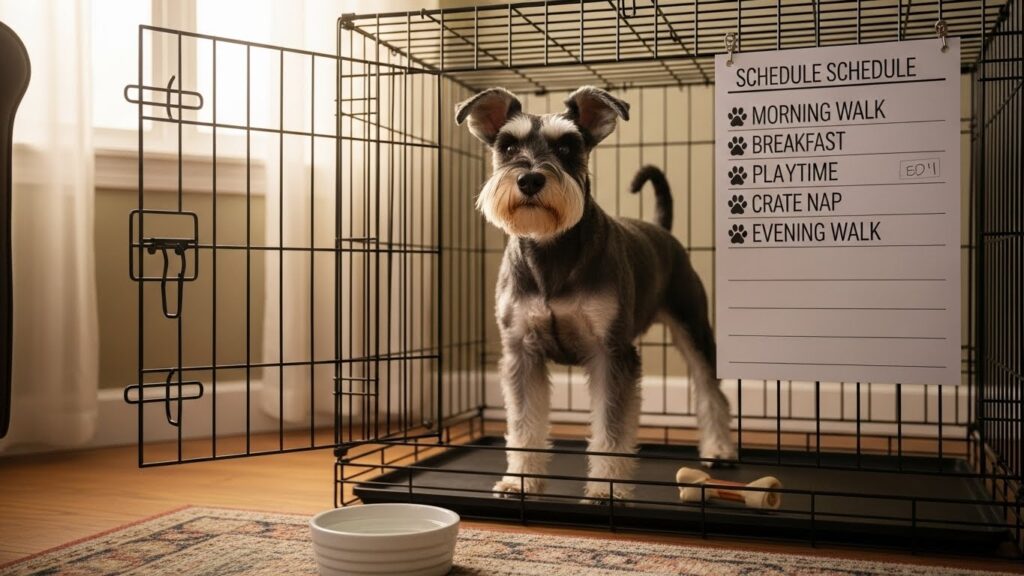
Dogs feel secure with routine consistency. A calming nighttime routine for dogs including feeding, exercise, and bathroom breaks prepares them for crate time. Following a predictable nighttime schedule lowers pent-up energy in dogs and prevents dog barking in crate at night.
Owners should ensure consistent crate training every day. Even small deviations can trigger crate-based stress. For example, if bedtime shifts or meals are delayed, dogs may express nighttime anxiety. A consistent schedule helps them anticipate what comes next, promoting relaxation.
How to Keep a Dog From Barking in a Crate With Comfort-Boosting Accessories
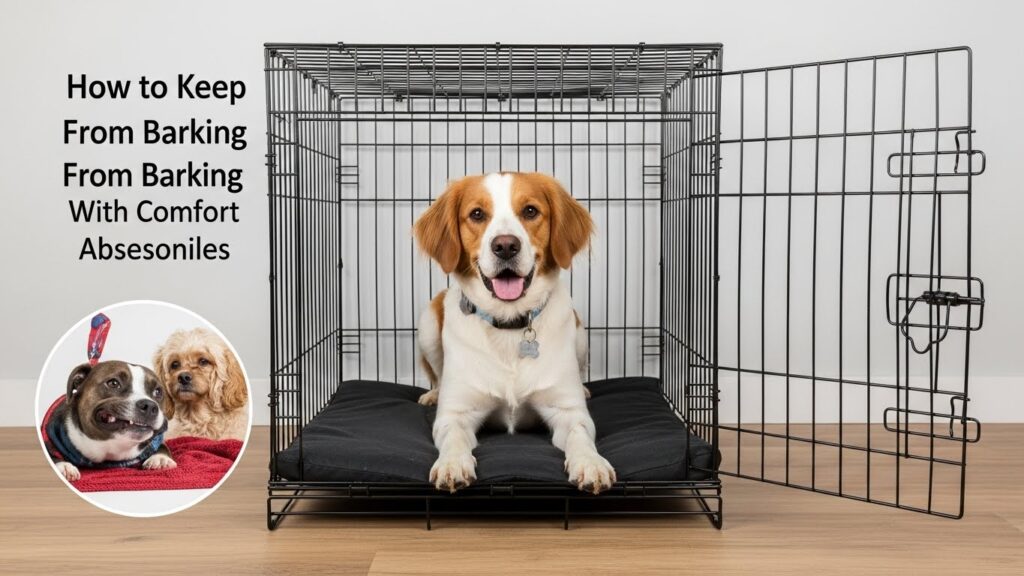
Adding cozy crate bedding, toys, or a heartbeat-mimicking plush can improve comfort and security. Dogs often respond positively to familiar scents for dogs, such as a worn shirt, which can soothe nighttime dog anxiety. These simple changes reduce crate discomfort and create a calming environment.
Owners can also consider white noise for dogs to block household sounds that trigger barking. Small details like the correct crate size for dogs and proper placement in a quiet room enhance sensory comfort (sound/smell/touch). Together, these adjustments make crate time a safe, relaxing retreat.
How to Keep a Dog From Barking in a Crate by Reducing Separation Anxiety
Separation anxiety in dogs is a common cause of barking. Dogs may whine or pace when left alone. Gradually increasing time spent in the crate while remaining calm can help. Using gradual exposure and bonding and reassurance teaches dogs that owners always return.
Adding familiar scents for dogs or a favorite toy can reduce crate-based stress. Case studies show that dogs exposed to comforting scents experience fewer persistent anxiety symptoms. Reducing separation anxiety directly lowers dog barking in crate at night and helps owners sleep better.
How to Keep a Dog From Barking in a Crate Using Positive Reinforcement
Positive reinforcement encourages reward calm behavior. Dogs respond well to treats, praise, and affection when they remain quiet in the crate. Repeating this over time reshapes vocalizing behavior and reduces urgent barking cues.
Behavioral experts recommend pairing treats with short crate training techniques. Every calm minute in the crate should be acknowledged. Using melatonin for dogs or CBD calming treats for dogs can further enhance relaxation, supporting a calming environment.
How to Keep a Dog From Barking in a Crate by Avoiding Common Owner Mistakes
Common errors include letting dogs out while barking, rushing crate training, or using the crate as punishment. These mistakes can worsen crate-based stress and increase dog barking due to fear. Avoiding such training mistakes to avoid is critical.
Consistency is key. A dog learns through routine consistency and positive outcomes. Observing stress indicators in dogs and adjusting behavior improves crate quietness over time.
How to Keep a Dog From Barking in a Crate With Mental Stimulation Before Crating
Mental stimulation for dogs before bedtime reduces excess energy in dogs. Activities like puzzle toys, scent games, or obedience exercises promote calmness. Dogs that are mentally engaged show fewer behavioral triggers leading to barking.
Even fifteen minutes of focused play can decrease nighttime crate barking. Mental engagement complements physical exercise for dogs, ensuring they are ready to settle down at night and enjoy crate time.
How to Keep a Dog From Barking in a Crate by Managing Exercise Needs
Regular physical exercise for dogs lowers pent-up energy in dogs. Walks, fetch, or backyard play help dogs release energy before crate time. Insufficient activity often results in nighttime dog anxiety and persistent barking.
Owners should balance intensity with timing. Exercise too close to bedtime may overstimulate the dog, while earlier activity supports predictable nighttime schedule and settle down at night behavior.
How to Keep a Dog From Barking in a Crate With Desensitization Training
Desensitization gradually exposes dogs to the crate to reduce fear. Short, positive sessions with gradual exposure and crate exploration build confidence. Pairing quiet periods with reward calm behavior teaches dogs to associate the crate with safety.
Over weeks, desensitization reduces vocalizing behavior, urgent barking cues, and crate-based stress. Behavioral experts note that patience and consistency outperform sudden corrections or punishments.
How to Keep a Dog From Barking in a Crate by Creating a Safe, Calm Environment
A calming environment includes proper lighting, white noise for dogs, and low household activity. Correct crate environment setup, cozy crate bedding, and comfortable temperature improve comfort and security.
Avoid placing the crate in high-traffic areas. Dogs respond better to sensory comfort (sound/smell/touch) and quiet surroundings. This approach reduces dog barking in crate at night and promotes restful sleep.
How to Keep a Dog From Barking in a Crate With Gradual Alone-Time Training
Gradual alone-time teaches independence. Start by leaving the room briefly, returning calmly, and repeating. Dogs learn bonding and reassurance without needing to bark. Gradually extending time builds resilience against separation anxiety in dogs.
Case studies show that dogs undergoing gradual exposure over several weeks reduce persistent anxiety symptoms. This method helps dogs feel confident in their crate and significantly lowers nighttime crate barking.
Conclusion
Mastering how to keep a dog from barking in a crate takes patience, empathy, and consistent routines. By addressing behavioral triggers, providing comfort and security, using crate training techniques, and applying positive reinforcement, dogs learn to see crates as a safe and calming retreat. A predictable nighttime schedule, mental and physical stimulation, and thoughtful environment setup make crate time peaceful for both dogs and owners. With commitment, you can reduce persistent barking issues and foster a happier, calmer pet.
Crate Accessories and Benefits
| Accessory | Purpose | Example Products |
|---|---|---|
| Cozy Crate Bedding | Comfort & warmth | Orthopedic beds, soft blankets |
| Familiar Scents | Reduce anxiety | Worn T-shirt, blanket with scent |
| Toys | Mental stimulation & calm | Chew toys, puzzle toys |
| White Noise | Reduce external distractions | White noise machines, soft music |
| Calming Treats | Promote relaxation | CBD calming treats, melatonin chews |
FAQs
How do I stop my dog from barking in the crate?
Learning How to Keep a Dog From Barking in a Crate involves understanding the dog’s stress indicators in dogs and addressing their separation anxiety in dogs. Consistent crate training routine and positive reinforcement reduce vocalizing. Mental stimulation and comfort-boosting accessories also help your dog settle quietly.
What is the 3 bark rule?
The 3 bark rule is a training technique where owners wait for three barks before responding. Using this method helps teach your dog How to Keep a Dog From Barking in a Crate by discouraging attention-seeking behavior. It promotes routine consistency and rewards calm behavior.
Should you ignore a dog crying in a crate?
Ignoring short, non-urgent whining can teach dogs How to Keep a Dog From Barking in a Crate without reinforcing barking communication. Observe urgent barking cues for real needs, like bathroom breaks before bed. Reward calmness rather than responding to every noise.
Does covering a dog crate help with barking?
Yes, covering a crate can improve sensory comfort (sound/smell/touch) and teach How to Keep a Dog From Barking in a Crate. It reduces nighttime anxiety and helps dogs feel safe in a calming environment. Proper ventilation and visibility should still be maintained.
How long will a dog bark in its crate before it stops?
The duration varies by age, temperament, and training. With consistent strategies for How to Keep a Dog From Barking in a Crate, many dogs settle within days to weeks. Gradual exposure, crate training techniques, and comfort measures speed up adjustment.
1 thought on “How to Keep a Dog From Barking in a Crate: 12 Calming Tips for Anxious Dogs”