
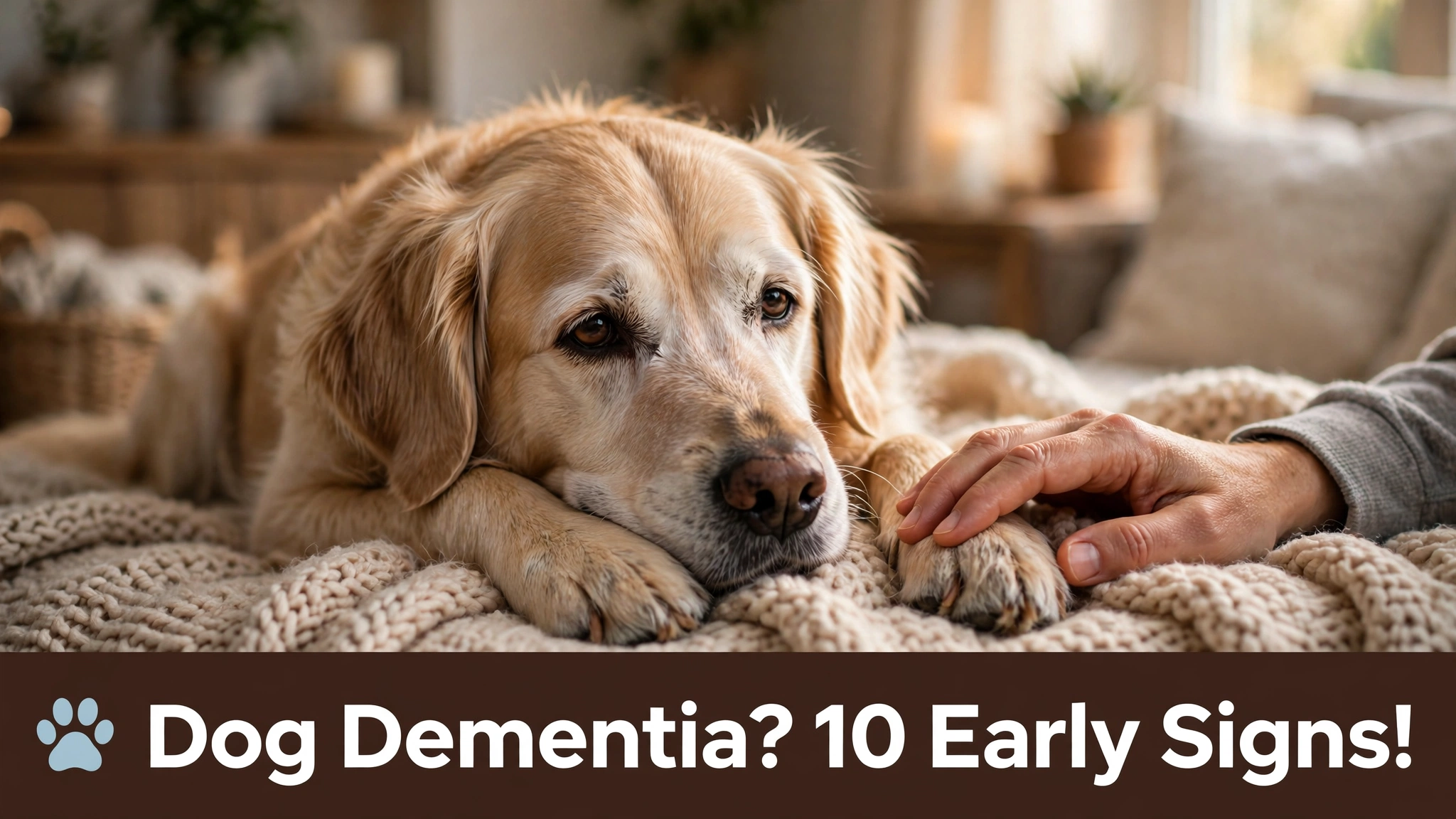
This article is for general information only and is not veterinary advice. Always consult a licensed veterinarian for your dog’s health.
The first time I realized my old dog was changing, it was not a big dramatic moment. It was a small one. He stood in the hallway, facing the wrong way, staring at the wall as if he had forgotten where the kitchen was. My heart sank a little, because I knew this was not the same dog who used to race me to the door. If you are reading this, you may have had a moment like that too, and you may be wondering whether it is just old age or the first sign of dog dementia.
I wrote this guide because I remember how lonely that worry felt. I kept asking myself whether I was overreacting, and whether I was missing something I should have noticed sooner. The truth is that most of us notice the changes slowly, one small moment at a time, and that is normal. This guide will walk you through the ten early warning signs of dog dementia in plain words, with the kind of everyday examples that helped me understand what I was seeing in my own senior dog.
None of these signs on their own means your dog has dementia. Dogs slow down as they age, and some changes are simply part of growing old. But when several small changes start to appear together, or when one change keeps happening again and again, it is worth paying attention. Noticing early gives you time to talk to your veterinarian and to make small changes at home that help your dog feel safe and settled.
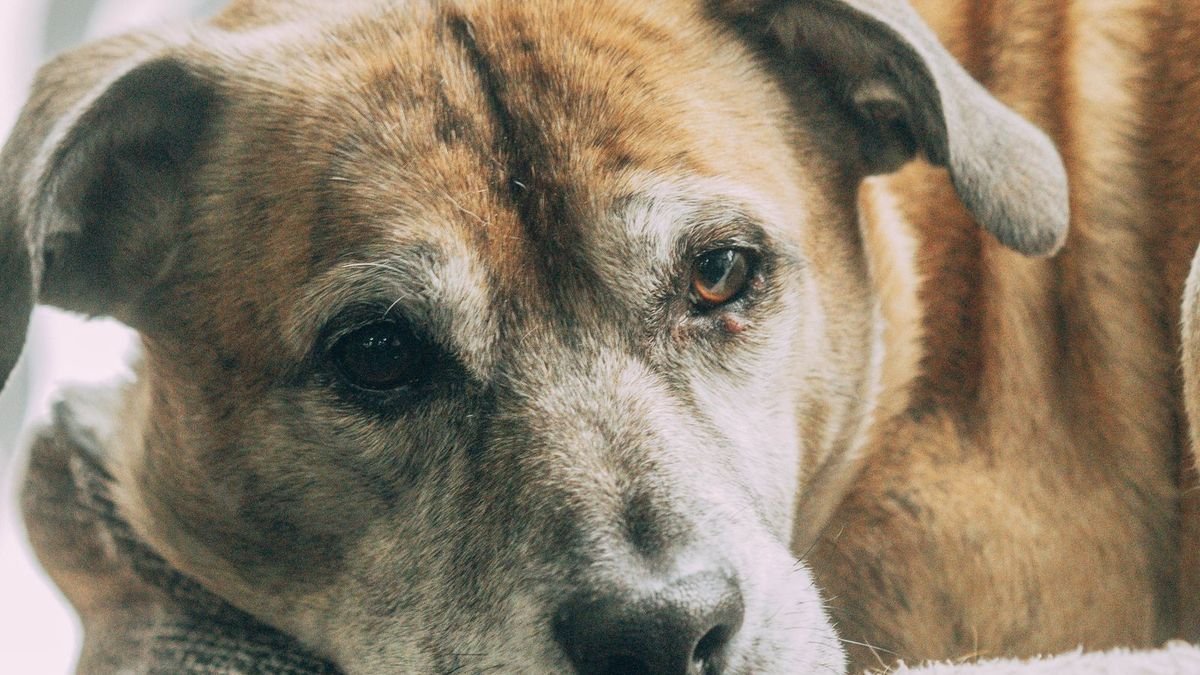
What Is Canine Cognitive Dysfunction?
Canine cognitive dysfunction, often called dog dementia, is the name for the slow changes that can happen in an older dog’s brain. It is a little like the memory and thinking changes some people notice as they get older. A dog with this condition may forget things it once knew well, feel confused in places it has lived in for years, or sleep and wake at odd hours. It usually comes on slowly, which is why the early signs are so easy to miss.
Nobody knows exactly why it happens to some dogs and not others. Age is the biggest factor, and larger dogs often show changes a little earlier than smaller ones, although any senior dog can be affected. What matters for you as an owner is not the science of it, but the pattern. One odd day is usually nothing to worry about. A pattern that repeats over days and weeks is worth a conversation with your vet.
The signs in this guide are grouped in the way I learned to watch for them: what my dog did, when it happened, and how often it came back. Keep a simple note on your phone or on the fridge. A short note such as “stood at the wrong door twice this week” is far more useful at a vet visit than a vague feeling that something has changed. Your notes help your veterinarian see the pattern of dog dementia too.
10 Early Warning Signs of Dog Dementia
Here are the ten signs I wish someone had explained to me when my dog started to slow down. These are the early signs of dog dementia that owners most often notice first. If one or two sound familiar, do not panic. Just keep watching, keep notes, and talk to your veterinarian about what you are seeing.
- Getting lost in familiar places
- Staring at walls or into space
- Waking up at night
- Increased anxiety or restlessness
- Pacing or circling without purpose
- Barking or vocalizing more than usual
- Forgetting house training
- Forgetting commands or routines
- Not recognizing familiar people or pets
- Changes in mood, appetite or interaction
1. Getting Lost in Familiar Places
The first sign I noticed was the getting lost. My dog had lived in the same house for nine years, yet one evening he walked into the spare room and stood there, staring at the corner as if he had no idea how he got in. Another day, he went to the wrong side of the door to be let out, then looked confused when the door did not open. In the garden, he sometimes paused at the gate and seemed unsure which way led back to the house.
What to watch for: your dog hesitates at doorways, goes to the wrong door, or seems unsure in rooms it knows well. It may also get stuck behind furniture or in corners and wait for you to guide it out. If this happens once, it may mean nothing. If it happens several times a week, or in places your dog has known for years, mention it to your veterinarian and note when it happens.
2. Staring at Walls or Into Space
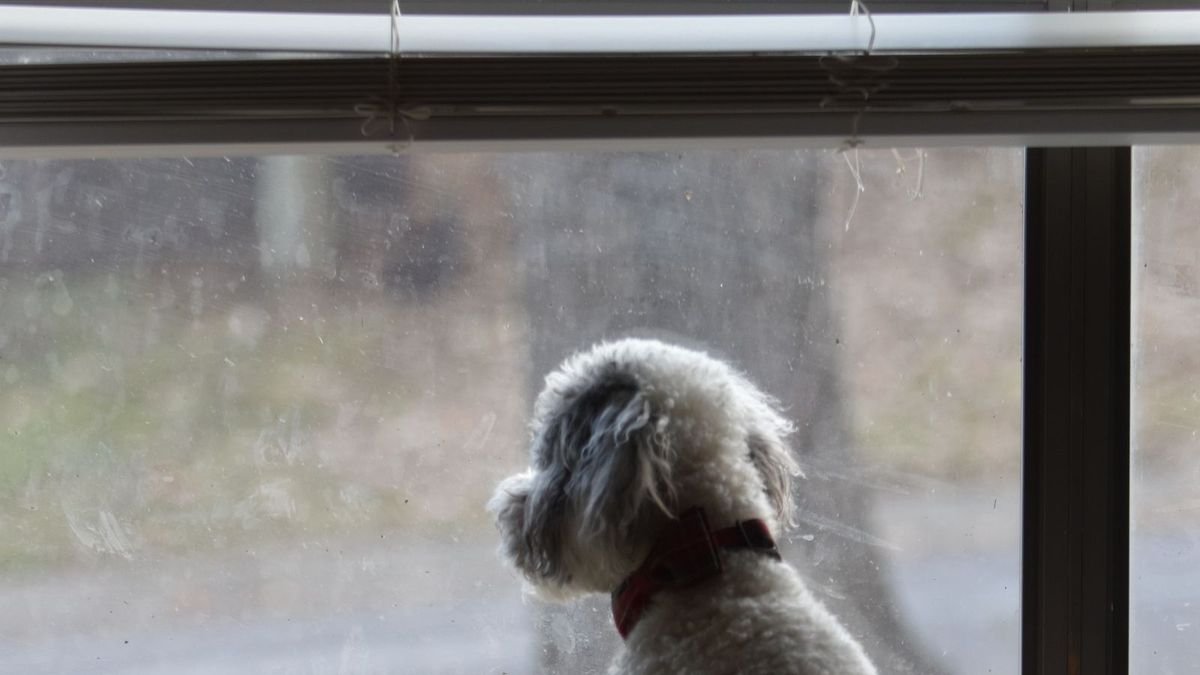
There were afternoons when my dog would stop in the middle of the living room and stare at the wall. Not at a fly, not at a sound, just at the wall, for a minute or two, as if he had forgotten what he was doing. At first I laughed it off and called him back, and he would shake himself and come over for a pat. But over a few weeks, the staring spells came more often, and sometimes he did not answer when I called his name.
What to watch for: long blank stares at walls, corners or into empty space, and times when your dog seems not to hear you or takes a while to respond. A short stare now and then is normal for any dog. But regular staring, especially combined with other changes on this list, is worth mentioning to your veterinarian, who can tell you whether it fits the pattern of dog dementia.
3. Waking Up at Night
For years, my dog slept through the night at the foot of my bed. Then, almost without me noticing, the nights changed. He started waking at two or three in the morning, pacing the bedroom and whining softly. Some nights he needed to go out, and some nights he just stood there, restless, as if he had forgotten it was night-time. I would lie awake listening, worrying about him and wondering whether something was wrong.
What to watch for: waking during the night, pacing or whining after dark, and sleeping much more during the day than before. A dog that suddenly flips its day and night around is telling you something has changed. Keep a note of how often it happens, and talk to your veterinarian if the broken nights keep coming for more than a week or two.
4. Increased Anxiety or Restlessness
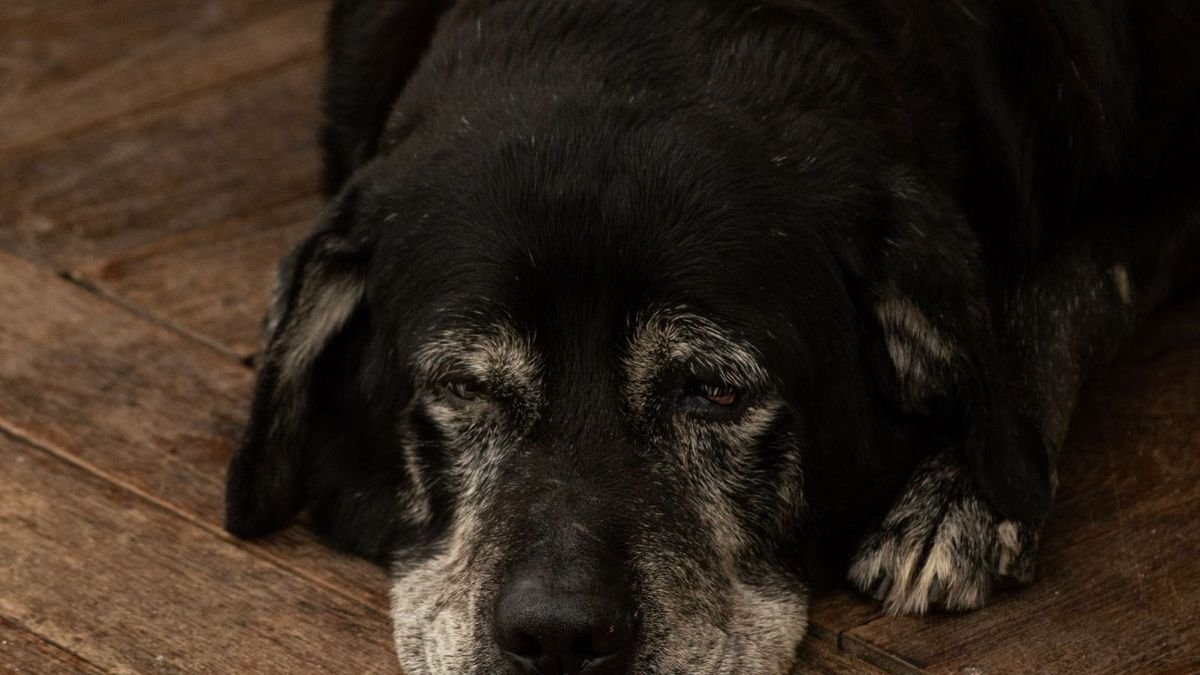
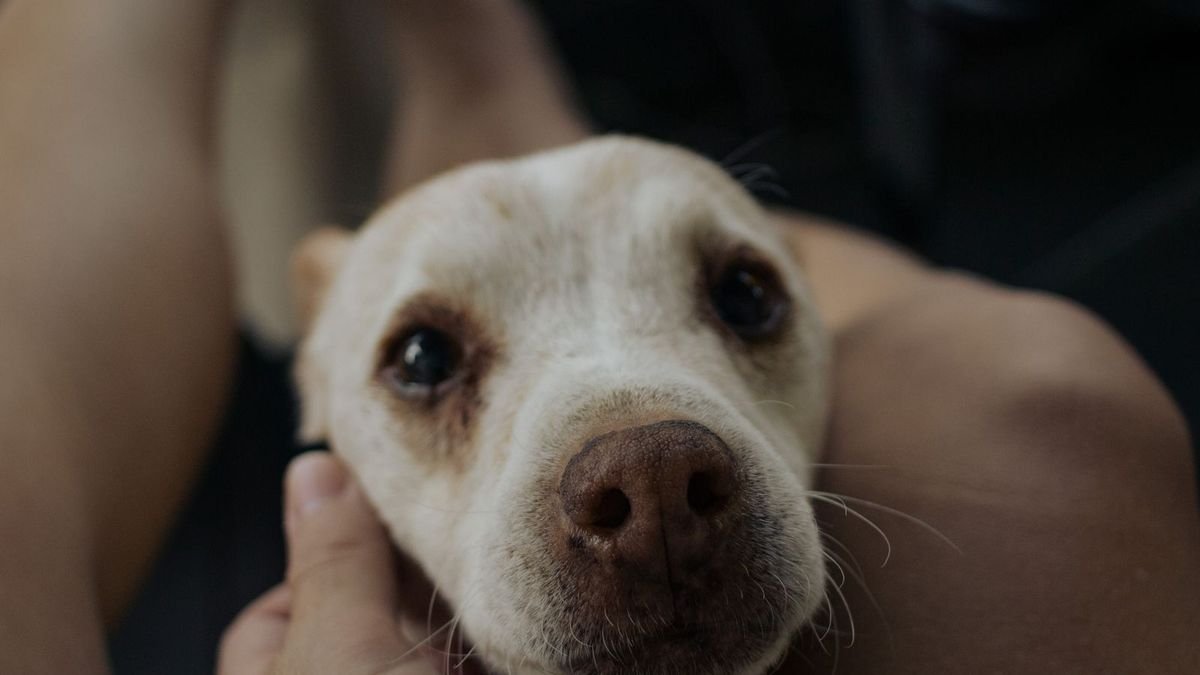
My dog had always been calm when I left the house. Then one autumn, he began following me from room to room, all day, every day. If I went to the kitchen, he came too. If I sat down, he stood beside me, panting a little, as if he was worried I might disappear. When I picked up my keys, he would tremble and press himself against my leg. It broke my heart, because he had never been a clingy dog before.
What to watch for: new clinginess, following you everywhere, trembling, panting or pacing when you leave, and restlessness in the evening. Some dogs become anxious for other reasons, so this sign on its own does not point to one cause. But if your calm dog suddenly becomes a worried shadow, especially alongside other signs here, bring it up with your veterinarian.
5. Pacing or Circling Without Purpose
One of the strangest things I saw was the circling. My dog would walk around the coffee table, round and round, in the same direction, as if he were following a path only he could see. Sometimes he did it in the garden too, tracing the same loop along the fence. He did not seem distressed, exactly. He just seemed stuck in a loop, and when I gently called him, he would stop, look at me, and then start again a few minutes later.
What to watch for: walking in circles, pacing the same route again and again, or wandering without a clear purpose. A dog that paces now and then, perhaps before a meal or a walk, is normal. A dog that circles for long stretches, or that seems unable to settle, is showing you a change worth noting. Mention it to your veterinarian, with a note of how long the pacing lasts.
6. Barking or Vocalizing More Than Usual
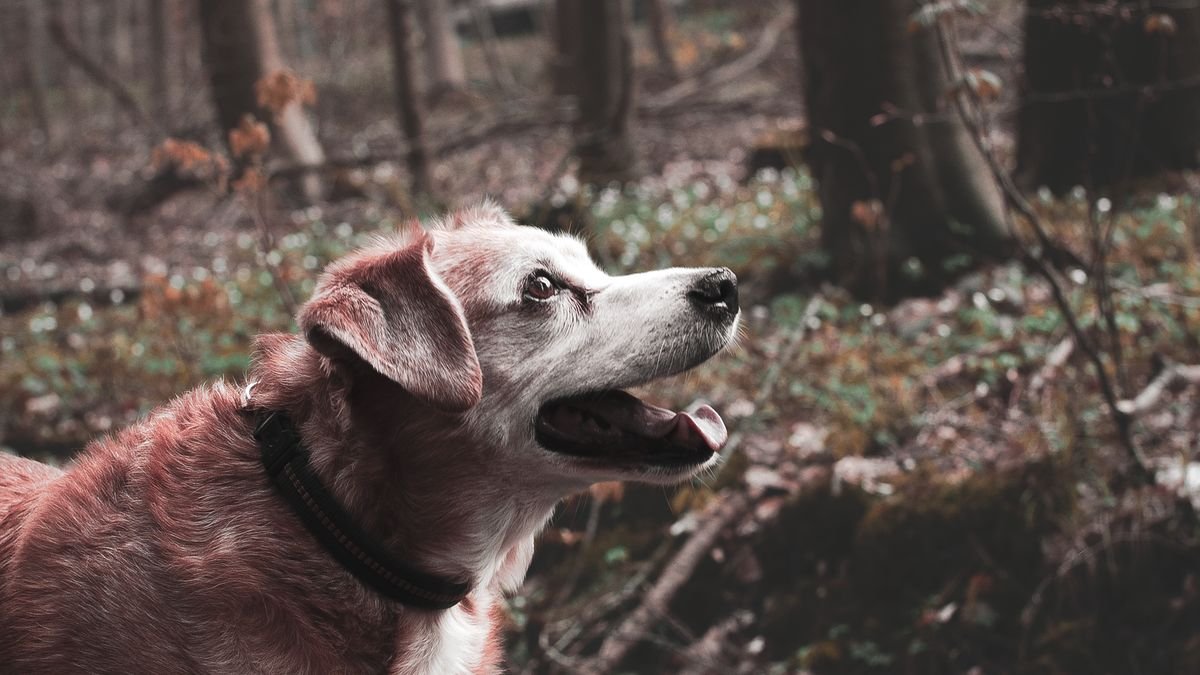
Then came the barking. My dog started barking at the empty hallway, at the garden fence, at nothing I could see at all. It often happened in the evening, when the house was quiet. He would stand in the middle of the room, bark twice, then look around as if he expected an answer. At first, I checked every corner of the house, sure he had heard something. After a while, I realized there was nothing there at all.
What to watch for: barking or whining at empty rooms, walls or corners, especially at night or in the evening. Dogs do bark at sounds we cannot hear, so one evening of barking is not a worry. But if your dog regularly barks at nothing, and it is new behaviour, add it to your notes and mention it to your veterinarian alongside anything else you have noticed.
7. Forgetting House Training
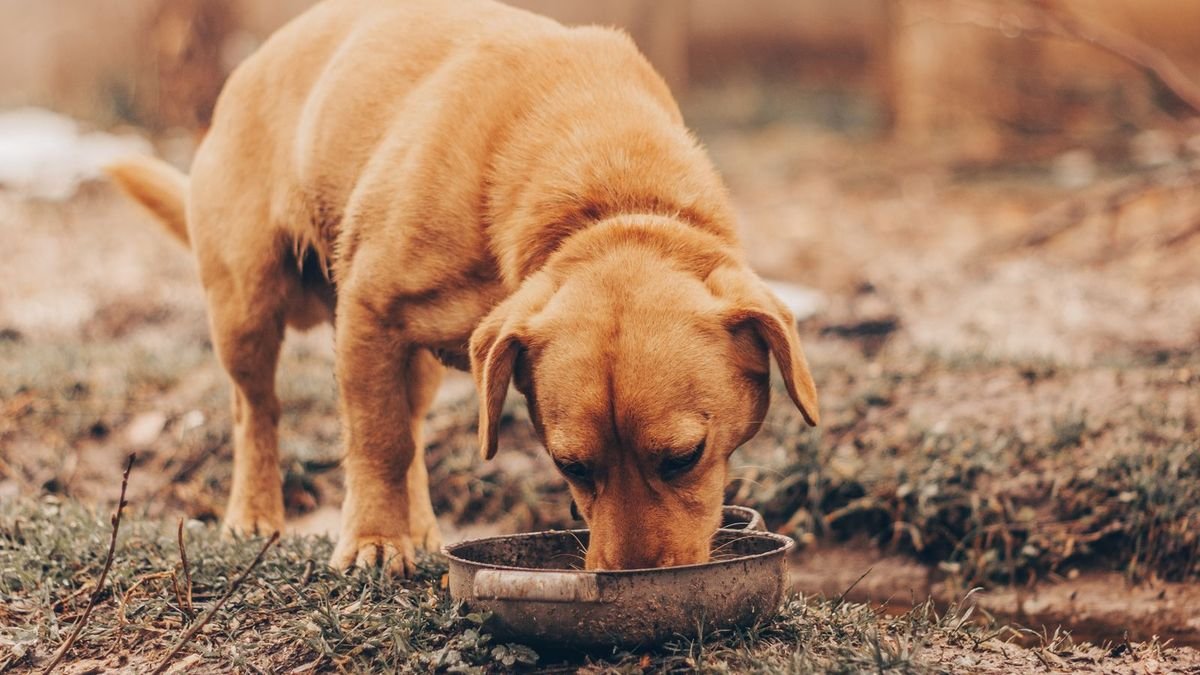
This was the sign that upset me most. My dog had been house trained since he was a puppy, yet he began having accidents in the house, often near the door, as if he had remembered too late. He would look ashamed afterwards, and that made it harder. I knew he was not doing it on purpose. He seemed to have lost the thread between needing to go out and finding the door in time.
What to watch for: accidents indoors from a dog that was reliably house trained, especially near doors or in the same spot, and asking to go out less often than before. Many things can cause accidents in an older dog, so never scold your dog for this. Keep its routine steady, keep the water bowl and door in the same places, and talk to your veterinarian about what you are seeing.
8. Forgetting Commands or Routines
My dog knew the word “sit” before he knew his own name, or so it felt. Then one spring, he started looking at me blankly when I asked him to sit. He would tilt his head, wag his tail, and simply stand there. It was not stubbornness. I could see it in his eyes. The word had stopped meaning anything to him. The same thing happened with “come” and “stay”, the commands he had followed for years without a second thought.
What to watch for: a dog that stops responding to commands it once knew well, seems confused by simple requests, or forgets the steps of games and routines it used to enjoy. Hearing loss can also make a dog seem forgetful, so this is another change to raise with your veterinarian rather than trying to work out the cause yourself.

9. Not Recognizing Familiar People or Pets
The hardest moment of all came on an ordinary Sunday. My brother, who had visited us every week for years, walked in, and my dog barked at him as if he were a stranger. He backed away, hackles up, and it took a full minute of calm talking before he relaxed. I felt my stomach drop. This was a man who had thrown a ball for him a hundred times. When a dog no longer knows a familiar face, the confusion is not rudeness. It is a sign that something has changed in the way it remembers.
What to watch for: your dog barking at, hiding from or seeming unsure of family members and friends it has known for years, or greeting familiar people with confusion instead of joy. This can be frightening for everyone, so stay calm and let your dog come to the person in its own time. If it happens more than once, tell your veterinarian. Keep visits gentle and let your dog set the pace.
10. Changes in Mood, Appetite or Interaction
The last change crept in so quietly that I almost missed it. My dog stopped running to the door when I came home. The tail still wagged, but the happy dance was gone. He turned away from his favourite game of fetch, and some mornings he sniffed at his breakfast and walked off without eating. He was not ill in the way I understood illness. He was simply less himself, a little more distant each week, as if the things that once made his day had quietly lost their shine.
What to watch for: a dog that greets you less warmly, ignores toys and games it once loved, eats less, or spends more time alone in a quiet corner. Appetite and mood can change for many reasons, so do not jump to conclusions from this sign alone. But if your dog’s spark seems to be fading week by week, especially alongside other signs here, mention it to your veterinarian.
How Veterinarians Diagnose Dog Dementia
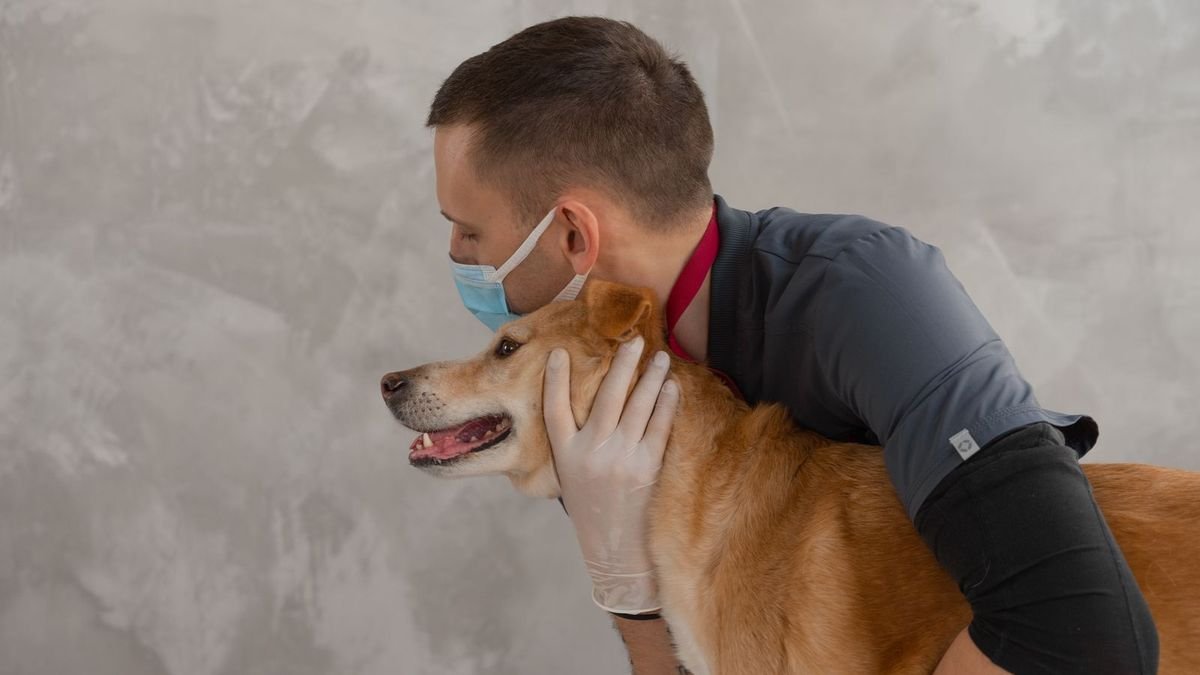
There is no single test that can confirm dog dementia, and that surprises many owners. When you take your dog in, the veterinarian will usually start with a good conversation. Bring your notes, and be ready to describe what you have seen, when it started and how often it happens. The vet may ask about your dog’s sleep, appetite, toileting and behaviour, and may carry out a gentle physical check to look for other reasons behind the changes.
This careful approach matters, because many other things can look like dementia in an older dog. Pain, poor eyesight, hearing loss and other health problems can all change the way a dog acts. That is why a vet visit is so useful. Your veterinarian can look at the whole picture and rule out other causes.
For further reading, Cornell University College of Veterinary Medicine has a clear overview of dog dementia (cognitive dysfunction syndrome). It is a helpful next read once you have talked to your own veterinarian about your dog.
Stages of Dog Dementia
Dog dementia usually moves slowly, and owners often describe it in stages. Knowing roughly where your dog sits can help you understand what to expect and what kind of help your dog needs. These stages are only a rough guide. Every dog is different, and a dog can stay at one stage for a long time.
| Stage | Description |
|---|---|
| Mild | Occasional confusion, slow responses, mild anxiety |
| Moderate | Night waking, forgetting house training, wandering |
| Severe | Strong disorientation, fear, constant pacing, major routine loss |
Do not try to place your dog in a stage by yourself. The table is only a way to make sense of what you are seeing. Your veterinarian is the right person to talk through where your dog may be and what would help most at home. What matters most is how your dog is coping day to day.
Everyday Care for a Senior Dog With Dementia
You cannot turn back the clock for your dog, but you can make its days easier. Small, steady habits help more than big changes. Keep meals, walks and bedtime at the same times each day. Keep the food bowl, water bowl and bed in the same places. A dog living with dog dementia leans on routine, so the more predictable home feels, the safer your dog feels.
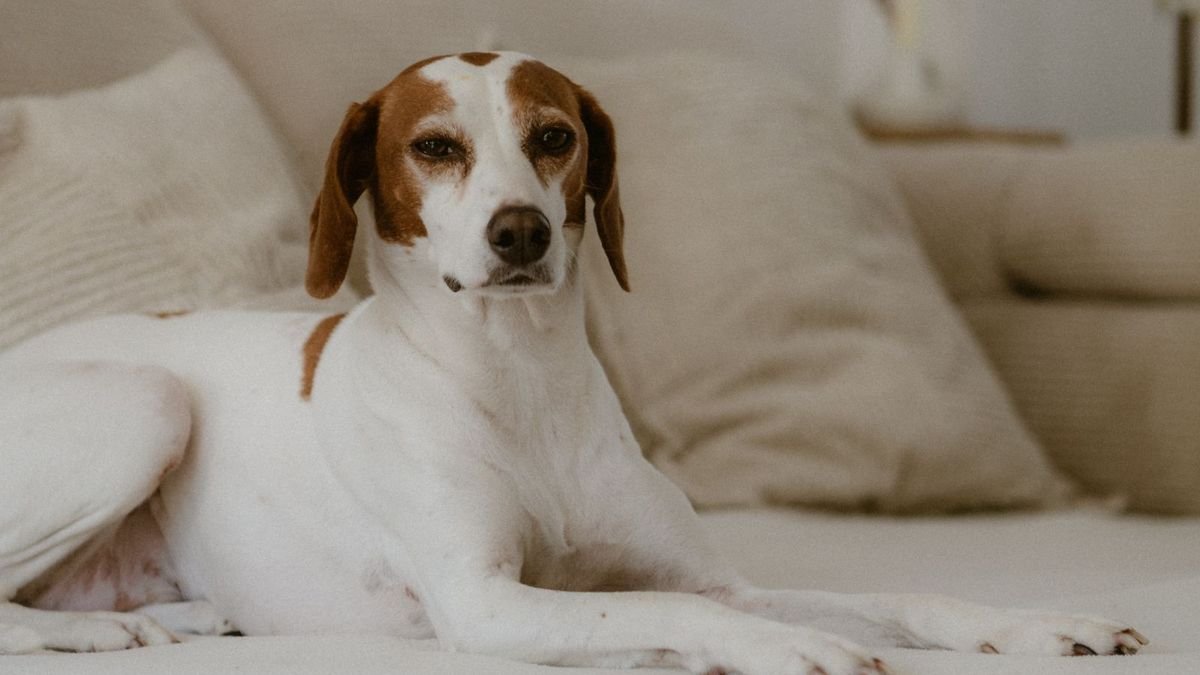
Keep the house easy to move around. Leave a soft light on at night so your dog can find its way to water. Avoid moving furniture around, and keep paths clear of clutter. Short, gentle walks in familiar places are kinder than long trips to new places. Most of all, be patient. Your dog is not being difficult. It is doing its best with a brain that no longer works the way it used to.
Gentle company matters too. Sit with your dog and talk to it in a calm voice. A soft pat, a familiar blanket and a quiet spot near you can settle a restless dog more than anything else. If your dog paces at night, a night light and a bed close to you can help it settle. If you are unsure about anything, ask your veterinarian.
When to Talk to Your Veterinarian
Talk to your veterinarian if you notice one of these signs of dog dementia happening often, or if two or more signs appear together. Do not wait for things to get worse. An early visit is not an overreaction. It is the kindest thing you can do for your dog, and it gives you a clear picture of what is happening. Bring your notes, and be honest about what you have seen, even the small things.
Call sooner, within a day or two, if your dog stops eating or drinking, seems in pain, becomes very confused all of a sudden, or has trouble walking or standing. Sudden changes are different from slow changes, and they deserve a quick call. Your veterinarian would always rather hear from you early than late, so never feel silly for ringing up.
Conclusion
Watching a dog grow old is one of the hardest parts of loving one. The changes come slowly, and they ask a lot of us. But noticing them early is a gift. It gives you time to talk to your veterinarian, to shape your dog’s days around what it needs, and to enjoy the good moments that are still there. My old dog taught me that a slower life can still be a good life.
If you have spotted one or two of the signs in this guide, keep watching and keep notes. If you have spotted several, make that vet appointment to talk about dog dementia and take your notes with you. You know your dog better than anyone, and your careful watching is the best early warning system there is. Trust what you see, and give your senior dog the patient, gentle days it has earned.
For more everyday guidance, have a look at our Health And Nutrition and Dogs Care categories, where you will find more guides for looking after your dog at home.
Frequently Asked Questions
What is the final stage of dog dementia?
In later stages, confusion becomes more severe. Dogs may not recognize family members, may wander or pace more, and may need extra care and patience from their owners. If your dog reaches this stage, talk to your veterinarian about ways to keep them comfortable.
How can I help my dog with dementia?
Living with dog dementia is easier with a stable routine, a calm home and familiar surroundings. Use night lights, keep food and water in the same place and spend quiet time together. For guidance tailored to your dog, speak with your veterinarian.
Do dogs with dementia become aggressive?
Some dogs become more anxious or irritable when confused or afraid. Pain from other conditions can also affect behaviour. If your dog shows sudden aggression, contact your veterinarian promptly.
How long can a dog live with dementia?
It varies. It depends on how advanced the dementia is and on the dog’s overall health. Some dogs live comfortably for a long time with routine care and regular vet visits.
Is dementia painful for dogs?
Dog dementia itself is not usually physically painful, but it can cause stress, anxiety and frustration. If your dog seems uncomfortable or distressed, contact your veterinarian for advice.