

The first time I searched for home remedies for dog skin allergies, it was past midnight, my dog was scratching the same sore patch on his belly for the third night in a row, and I was sitting on the kitchen floor feeling helpless. I had already changed his bedding, checked him for fleas twice, and told myself it would settle on its own. It did not. What followed was a slow, honest process of trial and error, and this article is the story of what I learned, what actually helped, and what I wish I had known sooner.
I am not a vet, and this is not a medical guide. I am an ordinary dog owner who watched a much-loved dog itch, lick, and lose sleep, and who wanted gentle, practical things I could do at home while I worked out what was really going on. Some ideas helped within days. Some did nothing at all. A few made things worse, and I will tell you about those too, because knowing what to avoid mattered just as much as knowing what to try. Those honest trials are why I trust home remedies for dog skin allergies only when they are gentle and watched closely.
How I First Noticed My Dog’s Itchy Skin
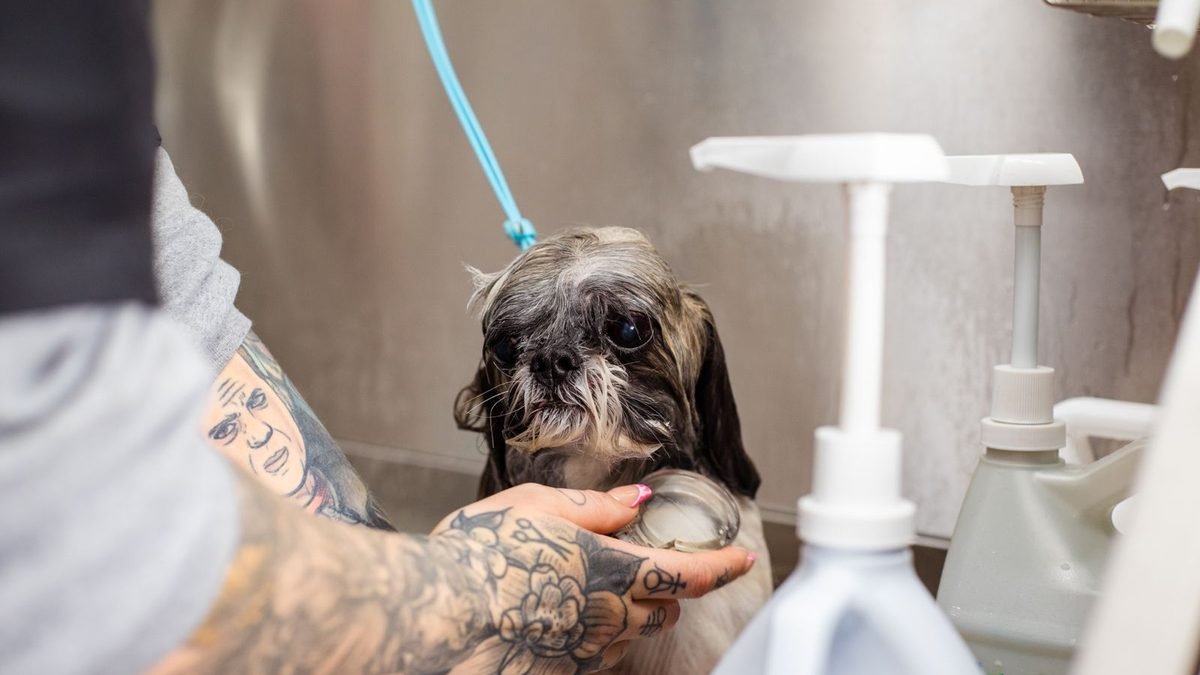
It started with a sound I could hear through the wall at night: the steady thump of a back leg against the floor, then licking, then a long sigh. I found a pink patch low on his belly, then another behind one front leg. His fur looked thinner there, and the skin felt warm when I touched it. That was the moment I stopped telling myself it was just a one-off itch.
At first I blamed the obvious things. We had walked through long grass the week before, and I wondered about pollen and dust. Then I blamed his new treats. I changed one thing at a time, waited a few days, and wrote down what I saw. Most of my early guesses were wrong, but the notes helped me see a pattern: the itching was worst after walks and at night, and it eased a little after a bath.
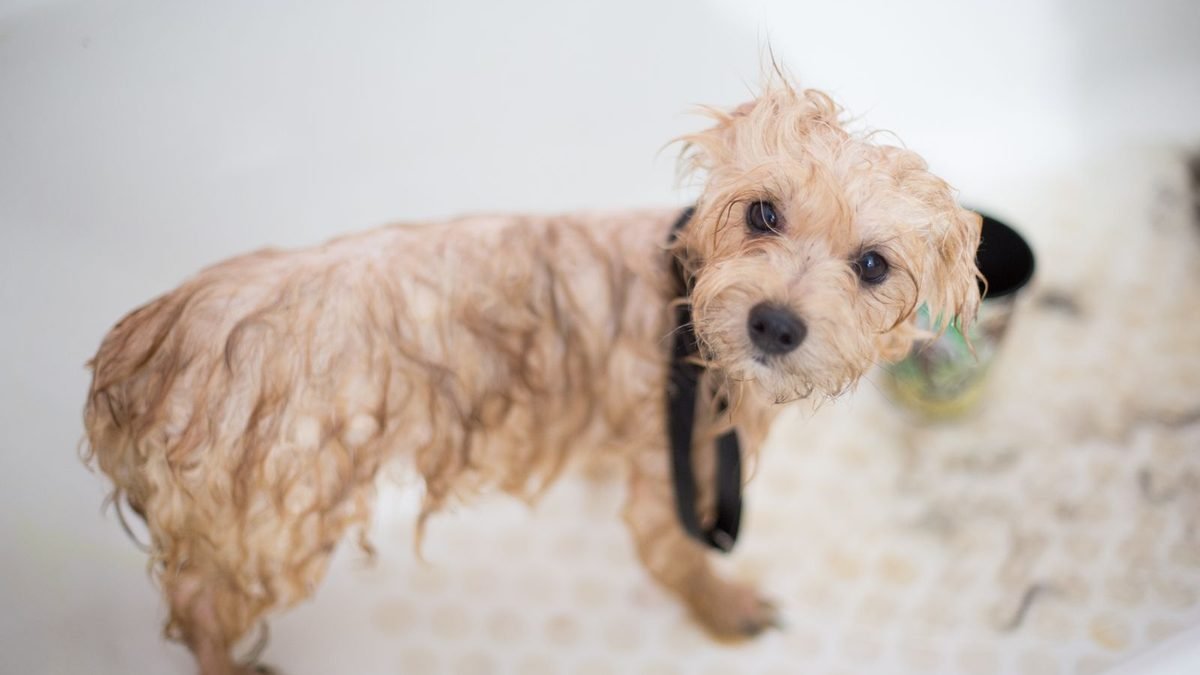
The turning point came on a rainy Sunday. He had scratched so much overnight that the pink patch looked raw, and I knew I could not keep guessing. I booked a vet visit, and while I waited for the appointment I started the gentle home care in this article. The vet later checked him over, ruled out the things I could not see at home, and talked me through the likely triggers. That combination, a vet’s eyes on the problem plus calm, simple care at home, is what finally gave us steady progress.
What Home Remedies for Dog Skin Allergies Can — and Cannot — Do
Before I tried anything, I had to be honest with myself about what a home remedy actually is. A gentle bath, a clean towel, a calm routine, or a change in how I looked after his skin could soothe irritation, wash away pollen and dust, and stop a sore patch from getting worse. That is real help, and for a mild itch it can be enough to break the scratching cycle. What it cannot do is diagnose the cause, cure an infection, or replace a vet when the skin is broken, swollen, or getting worse instead of better.
I learned to judge every idea by one simple question: does this make his skin calmer, cleaner, or safer from licking, without adding anything harsh to it? If the answer was yes, I tried it slowly and watched for three or four days. If the answer was no, or if the idea came with a long list of warnings, I left it alone. That one rule saved me from the worst advice I found online, and it is the rule I would pass on to any owner starting this journey. Gentle home remedies for dog skin allergies work best as comfort care while you and your vet sort out the cause.
Key takeaway: Home care soothes and protects the skin while you find the cause. It is not a diagnosis, and it is not a treatment for infection, deep wounds, or a dog in real pain. If the skin looks worse, or your dog seems unwell, that is a vet visit, not a home experiment.
The Causes I Checked One by One
Fleas and other tiny pests. This was the first thing I checked, and the first thing the vet checked too. I parted his fur around his belly, his tail base, and behind his ears, looking for fleas and the small dark specks they leave behind. I also washed his bedding on a hot wash and vacuumed the places where he slept. Even one flea can make a sensitive dog itch for days, so this was never a step I could skip, and it is always the first thing I check now when the scratching starts again.
Seasonal pollen, dust, and grass. My dog’s itching was worst after walks through long grass and on warm, windy days, which pointed me towards the outside world. I started wiping his paws and belly with a damp cloth after every walk, and I kept him off freshly cut grass for a while. It was a small change, but the evening scratching eased within a week, and that told me that something he was walking through, not something in his bowl, was part of the problem.

Food sensitivities, in general terms. Food was the hardest cause to think about, because it is slow and confusing. I did not guess at special diets on my own, and I did not cut out foods one by one without a plan. Instead I wrote down exactly what he ate, including treats and the odd scrap from the table, and I talked it through with the vet. The lesson was simple: diet matters, but it needs a calm, planned conversation with a vet, not a sudden change made in a panic at midnight.
Stress, boredom, and the licking habit. The last cause was the hardest to see, because it was not on his skin at all. When he was bored or unsettled, he licked the same spot over and over, and the licking kept the skin sore long after the original itch had faded. I gave him more play, longer walks, and a chew to settle with in the evening, and I gently distracted him when the licking started. Sorting out which home remedies for dog skin allergies might help became much easier once I understood that his skin, his routine, and his mood were all connected.
9 Gentle Home Remedies for Dog Skin Allergies That Helped Us
Here are the nine home remedies for dog skin allergies that I actually used, one at a time, with a few days between each new idea so I could tell what was helping. None of them is dramatic, and none of them worked overnight. Together, slowly, they gave my dog calmer skin, better sleep, and a much shorter scratching habit. If you try them, go slowly too, watch the skin after each change, and stop anything that makes the redness or the scratching worse.
1. A Lukewarm Oatmeal Bath
The oatmeal bath was the first remedy that gave us a visible change, and it is still the one I reach for first. I ground plain oatmeal into a fine powder, stirred it into lukewarm bath water until the water looked milky, and let my dog stand in it for about ten minutes while I scooped the water gently over his belly and legs. I kept the water warm, never hot, and I talked to him the whole time so he stayed relaxed. Afterwards I rinsed him lightly and patted him dry with a soft towel instead of rubbing.
2. A Damp Cloth Wipe-Down After Every Walk
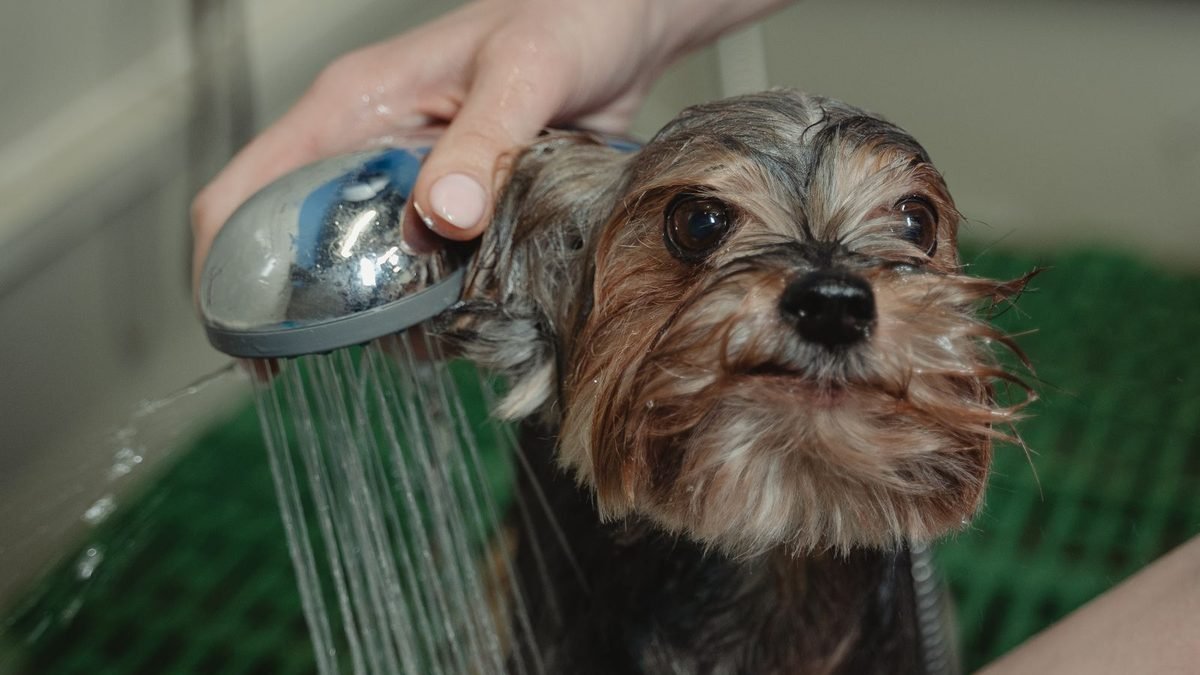
This is the simplest remedy on the list, and for us it was one of the most useful. I kept a clean, damp cloth by the front door, and after every walk I wiped my dog’s paws, his belly, and the insides of his legs, where the grass had brushed against his skin. It took less than a minute, and it washed away the pollen, dust, and dirt he had picked up outside before he could bring it into the house and onto his bed. On dry, windy days I wiped him twice, once at the door and once before bed, and the evening scratching eased noticeably within the first week.
3. Clean, Dry Bedding Washed Often
A dog spends most of the night lying on the same blanket, so I started treating that blanket as part of his skin care. I washed his bedding every week in a plain, fragrance-free wash, and I rinsed it twice so no soap was left in the fabric. I also gave him a second blanket so one was always clean while the other was in the wash. His bed went into a sunny spot to dry fully, because damp bedding made his skin worse, and I checked every few days that the bed itself was dry underneath, not just dry on top. Clean bedding is one of the simplest home remedies for dog skin allergies.

4. Gentle Brushing to Lift Dust and Loose Fur
Brushing was something I had always rushed, a quick once-over before a walk, but when his skin was sore I learned to do it slowly and gently. I used a soft brush, worked in the direction of his fur, and stopped the moment he flinched. A few minutes of brushing lifted dust, loose fur, and the dry flakes that made him itch, and it let me feel his skin as I went, so I noticed new sore spots early. I brushed him outside when I could, so the dust did not settle back onto his bed, and I cleaned the brush after each use. Gentle brushing belongs in any list of home remedies for dog skin allergies.
5. Keeping the Skin Clean and Dry Between Baths
Between baths, damp skin was my quiet enemy. After rain, after a walk on wet grass, and after a wipe-down, I dried his paws and belly with a soft towel and let his coat dry fully before he curled up on his bed. I paid special attention to the folds behind his legs and under his ears, where dampness hides, and I checked his paws for mud or small stones that could irritate the skin between his toes. It sounds fussy, but damp, warm skin is uncomfortable skin, and keeping him dry was a small daily kindness that added up. Keeping his skin dry is one of the quietest home remedies for dog skin allergies.
Tip: Keep one soft towel by the door and one by his bed. A quick, gentle pat dry after every walk takes less than a minute, and it stops damp fur from sitting against sore skin all evening.
6. Stopping the Licking Before It Becomes a Habit
Licking was the hardest habit to break, because my dog did it when I was not looking. A sore patch itches, he licks it, the licking makes it sorer, and the cycle goes on. I watched for the moment his head turned towards the sore spot, and I gently called him to me, offered a toy or a short game, and praised him when he settled. I also kept him busy in the evenings, when the licking was worst, with a walk, a puzzle feeder, or a calm chew, so his mouth had something better to do than worry at his own skin.
On the worst days I used a soft recovery collar for short spells, just long enough for the skin to calm down, and I made sure he could still eat, drink, and sleep comfortably while he wore it. I never left him alone in it for hours, and I took it off as soon as the skin looked calmer. Gentle home remedies for dog skin allergies only work if the skin gets a chance to rest, and for us that meant protecting the sore patch from his own tongue until it had a fair chance to heal.
7. A Calmer Home and a Steadier Routine
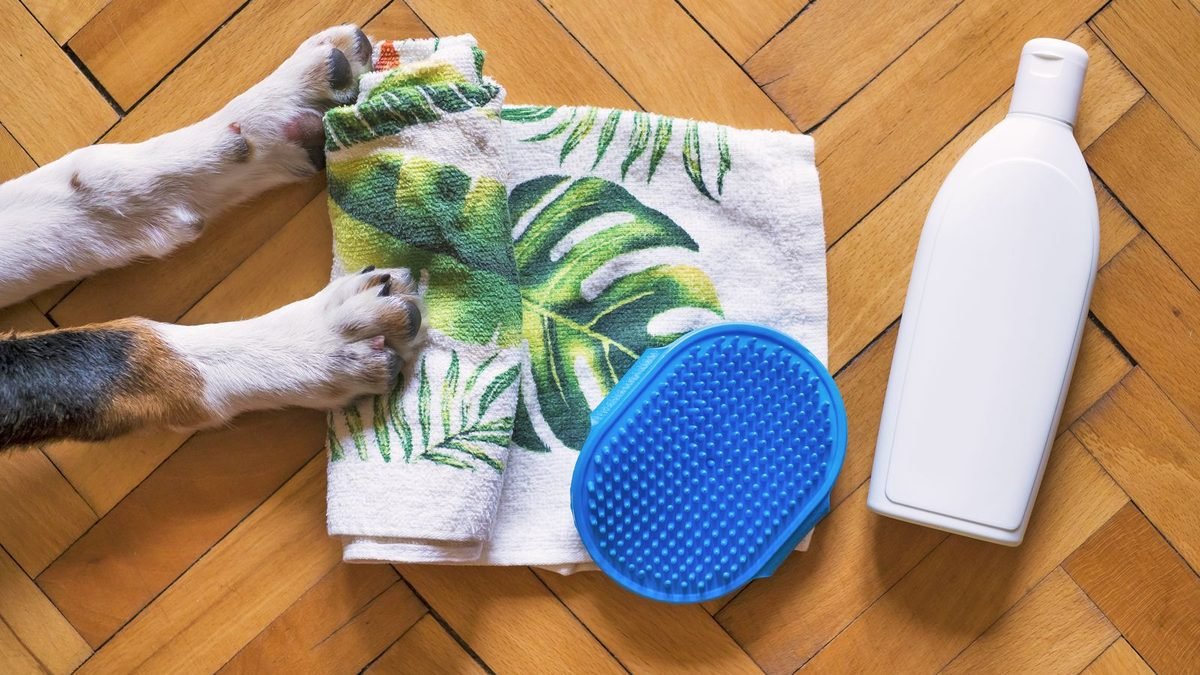
Dogs feel our rush and our worry, and mine certainly felt mine. In the weeks when the itching was worst, I was checking his skin every hour, hovering, and sighing every time he scratched, and he grew more unsettled, not less. I changed my own routine first: same walk time, same meal time, same quiet evening, and a calm voice when he started to scratch. I gave him a safe corner with his bed and a blanket that smelled of home, and I kept visitors and loud noises away from that corner when he was resting. A calm routine supports home remedies for dog skin allergies every day.
8. Checking His Food and Treats in General Terms
Food was the remedy I handled most carefully, because a sudden diet change can upset a dog’s stomach and tell you nothing. I did not switch foods on a guess. I wrote down his main food, his treats, and the table scraps he sometimes got, and I looked for the simplest pattern: were the worst days the days he had eaten something new? I stopped the table scraps, kept his treats plain and simple, and gave him the same main food every day so I could see clearly what was happening. I also made sure he always had fresh water.

9. A Daily Skin Check That Takes Two Minutes
The ninth remedy is not a bath or a cloth, it is a habit, and it may be the most valuable of all. Every evening, while he was relaxed, I ran my hands gently over his belly, his legs, his ears, and the base of his tail, feeling for heat, new pink patches, dry flakes, or places he flinched away from. I looked between his toes, under his collar, and behind his ears, and I wrote down anything new in a small notebook by his bed.
Two minutes a day, no more, and it meant I never again found a sore patch a week after it had started. A daily check makes home remedies for dog skin allergies easier to judge.

What I Tried First That Did Not Help
Not everything I tried earned a place in this list. I once bathed him in water that was too hot, thinking warmth would soothe him, and he came out pinker and more uncomfortable. I tried a strongly scented shampoo because it promised a fresh smell, and his belly flared up within a day. I also tried changing three things at once, his food, his shampoo, and his bedding, and when he improved I had no idea which change had helped. I wrote about the early warning signs in my earlier article on the early signs of constant scratching, and the lesson from that first story still holds: change one thing, watch, and write it down.
What to Avoid When Your Dog’s Skin Is Sore
- Hot water, which dries the skin and makes itching worse.
- Scented shampoos, sprays, and detergents near his bed and skin.
- Bathing him every day, which strips the coat and dries the skin.
- Letting him lick a sore patch for hours without a break.
- Changing his food, shampoo, and bedding all in the same week.
When to See a Vet — and What to Tell Them
Home care has a clear limit, and I learned to respect it. I called the vet when the skin looked broken or raw, when a sore patch was spreading, when he seemed in pain or unwell, and when a week of gentle care made no difference at all. I took my notebook with me, and I told the vet when the itching started, what made it better or worse, and everything I had tried at home. That short conversation saved us both a lot of guessing. If you want a plain, general overview of the topic before your visit, the AKC guide to dog allergies is a useful place to start.
Please remember: This article is for general information only and is not veterinary advice. Always consult a licensed veterinarian for your dog’s health.
A Simple Weekly Routine That Kept the Itching Down
Once the worst of the itching had eased, I kept a small weekly routine so it would not creep back. Every day I wiped his paws after walks, dried him properly, and did the two-minute skin check. Every week I washed his bedding, brushed him gently, and looked back at my notes to see if anything had changed.
A gentle oatmeal bath came out only when the itching flared. That steady rhythm makes home remedies for dog skin allergies work in real life.

Frequently Asked Questions About Home Remedies for Dog Skin Allergies
How quickly do home remedies for dog skin allergies work?
In our case, a gentle bath or a wipe-down brought comfort the same day, but the scratching habit took one to two weeks of steady care to ease. If the skin looks worse, ask a vet. That slow, steady pace is normal with home remedies for dog skin allergies, so keep the routine gentle.
Can I bathe my itchy dog every day?
I would not. Daily bathing dried my dog’s skin and made the itching worse. Lukewarm, gentle baths only when needed worked far better for us. Gentle home remedies for dog skin allergies work best when baths stay short and lukewarm.
What should I check first when my dog starts scratching?
Check for fleas first, then think about what has changed: new food, new shampoo, new bedding, or more time in long grass. Write it down and book a vet visit if the skin is broken or the itching does not ease. That simple check is a useful first step before trying home remedies for dog skin allergies.
What I Would Do Differently Now
If I could start again, I would book the vet visit on the first week, not the third, and I would start the notebook on day one. I would change one thing at a time, keep the baths lukewarm and gentle, and stop worrying about finding one magic answer. My dog’s skin is calmer now, he sleeps through the night, and the scratching that once filled our evenings is a rare, short thing. You can find more of my dog care stories on the blog, and if your dog is scratching tonight, start with the gentlest step: a damp cloth, a clean bed, and a calm evening together.
Start tonight: wipe his paws after the last walk, give him a clean, dry bed, and keep the evening calm. Small, gentle steps are the kindest place to begin.