
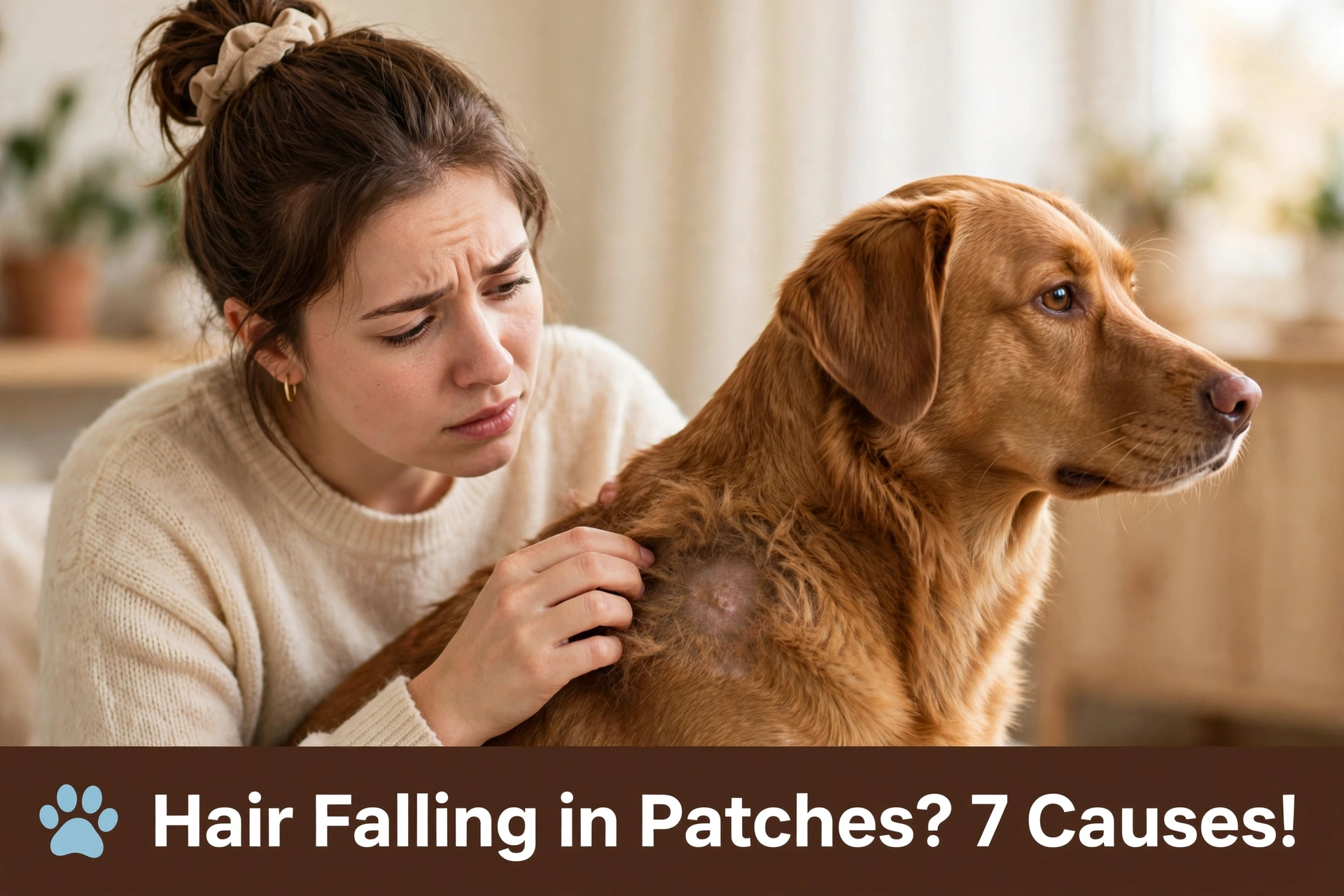
The first bald patch showed up on a Tuesday morning, right on my dog Milo’s left flank, while I was giving him his usual belly rub. One minute his coat looked normal, the next my fingers found a smooth, pink circle of bare skin where thick fur used to be. A dog losing hair in patches is not something you can unsee once you have spotted it, and within a week I found two more spots — one behind his ear and one low on his back leg. This is the story of how I figured out what was going on, what failed, and what helped.
Before I go further, here is the honest truth: I am not a vet, and this is not a diagnosis. I am just a dog owner who spent three worried weeks watching my best friend’s coat thin out in patches, reading everything I could, and asking questions at every appointment. What I learned is that a dog losing hair in patches can have many possible causes, and the fix depends entirely on which one you are dealing with. Some causes are simple and clear up fast. Others need a vet to sort out. In this guide I will walk you through exactly what I checked, in the order I checked it, so you can do the same for your dog.
Why Is My Dog Losing Hair in Patches?
The first thing I had to learn was that a dog losing hair in patches is dealing with something very different from normal shedding. Shedding spreads loose hair all over the house, but the coat itself stays full. Patchy hair loss leaves actual bare skin you can see and feel — round or uneven spots where the fur is simply gone. In Milo’s case the patches were smooth and pink, with no flakes at first, and that detail mattered more than I realized. The shape, the location, and whether the skin looked irritated all turned out to be clues about the cause.
I also had to stop guessing from photos online. Every search result looked like Milo’s patches and none of them did, all at once. What finally helped was slowing down and treating it like a small investigation: I wrote down when each patch appeared, where it was, whether he was scratching it, and whether it was growing or staying the same. That notebook became the most useful thing I brought to the vet. Keeping that notebook is a habit I still recommend to anyone whose dog is losing hair in patches.
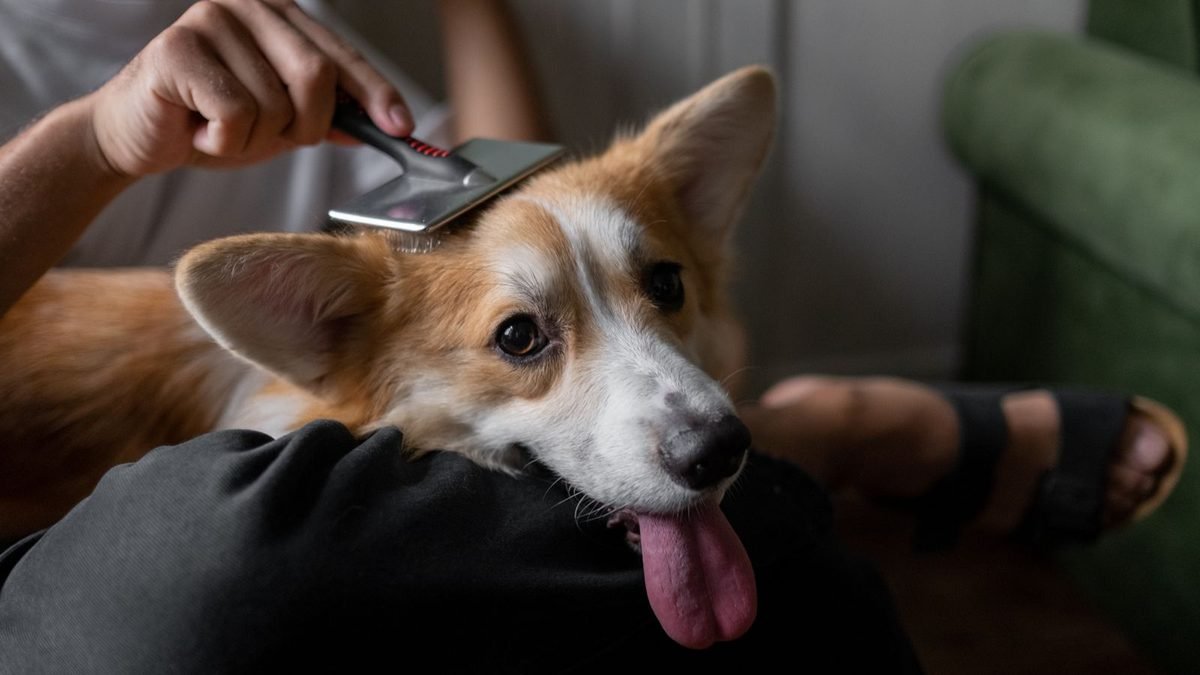
7 Causes of a Dog Losing Hair in Patches
These are the seven causes I kept coming back to while I was working through Milo’s problem, and they cover almost every case of patchy hair loss a vet will mention. I have put them in the order I ruled them out, starting with the most common and easiest to check. Your dog’s cause might be number one on this list, or it might be number seven, but working through them one at a time is far better than trying five fixes at once and never knowing which one helped.
1. Fleas, Mites, and Other Skin Parasites
Fleas were the first thing I checked. A dog losing hair in patches very often has fleas or mites behind it, and they are the easiest cause to rule out. A dog allergic to flea bites can chew a single spot raw until the fur is gone, often on the lower back, the tail base, or the belly. I parted Milo’s fur in several places and looked for tiny black specks of flea dirt, then ran a fine comb through his coat over a white towel. I found nothing, but I also learned that mange mites are invisible to the naked eye and need a vet to confirm.
What to do: check the warm, hidden spots — behind the ears, the armpits, the groin, and the base of the tail. Look for flea dirt, redness, or crusty skin. If you find fleas, ask your vet about the right flea control for your dog’s size and age, and wash bedding in hot water. If the patches are crusty, intensely itchy, and spreading, mange is a real possibility, and that is a vet visit, not a home project.
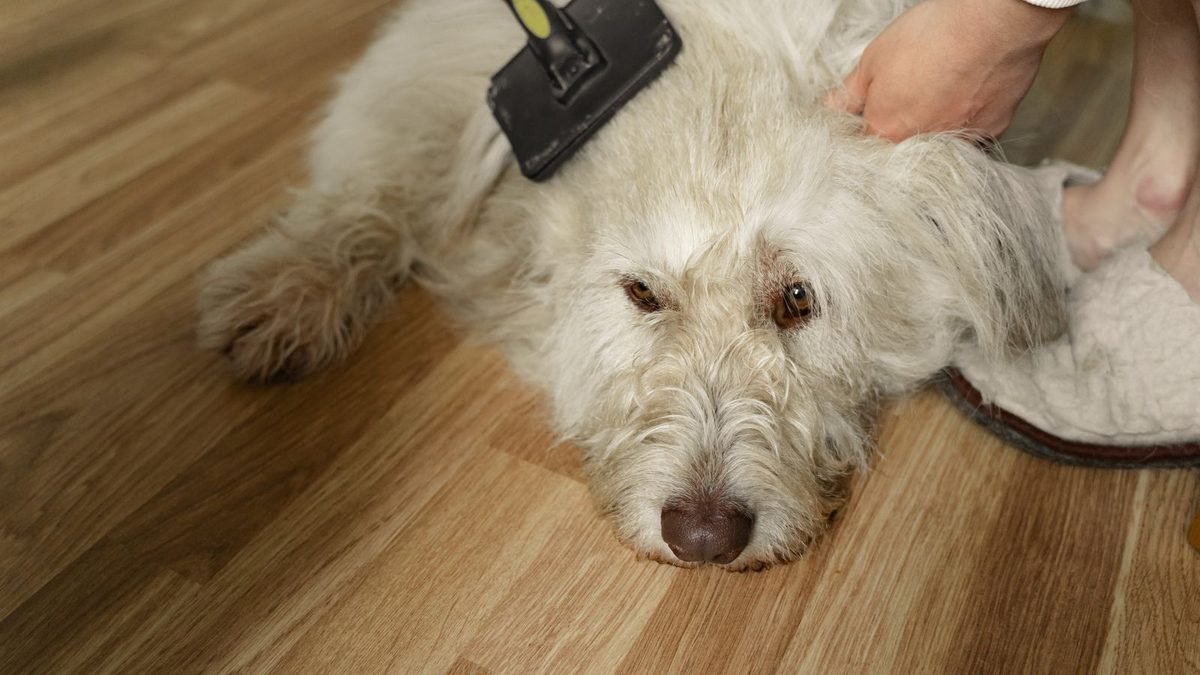
2. Allergies That Make Dogs Itch, Lick, and Chew
The second cause on my list was allergies, and this one is sneaky because the hair loss is not caused by the allergy itself. It is caused by what the dog does about the itch. Milo has always been a licker, and during spring his paws and belly get pink and itchy. Dogs with allergies often lick their paws, chew their flanks, and rub their faces on the carpet, and over weeks that constant friction thins the coat into patches. Food allergies can do the same thing, and they often show up around the ears, the paws, and the rear end.
What to do: watch when the itching is worst. Seasonal itching that starts in spring or autumn points toward pollen or dust, while year-round itching with ear trouble points more toward food. Keep a simple food and symptom diary for two weeks, and do not keep switching foods every few days — that only makes the pattern harder to read. Wipe paws after walks, keep bedding clean, and let your vet guide any diet changes.
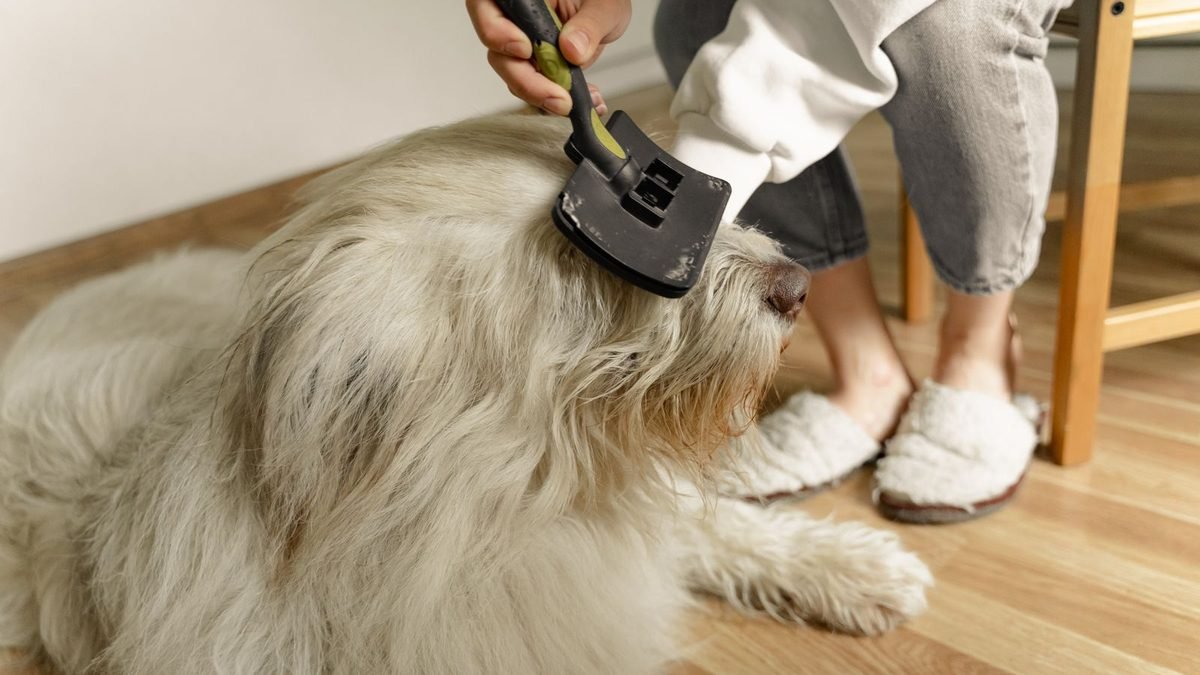
3. Ringworm — a Fungal Infection, Not a Worm
Ringworm scared me the most when I first read about it, mostly because of the name. It is not a worm at all. It is a fungal infection, and it is famous for causing round, crusty bald patches with red edges, often on the head, ears, or paws. The patches usually do not itch much at first, which is one way to tell it apart from allergies. Milo’s first patch was round and smooth, so ringworm stayed on my list for a while. Ringworm can also spread to people, so I washed my hands after every cuddle and kept his bedding separate until we knew more.
What to do: do not try to diagnose ringworm from a photo, and do not apply creams meant for people without asking a vet first. A vet can check the patch with a special light or a small skin sample. Wash bedding, vacuum soft furnishings, and keep other pets away from the affected area until you have an answer. If anyone in the house develops a round, itchy rash, mention the dog’s patches to your own doctor.
4. Bacterial Skin Infection and Hot Spots
A bacterial skin infection often starts with something small — a scratch, an insect bite, or a patch of irritated skin — and then gets worse because the dog keeps licking it. The area becomes red, warm, and sometimes damp or smelly, and the fur falls out around it. Hot spots are the fast-moving version of this: a sore that appears almost overnight and grows quickly because the dog cannot leave it alone. Milo had one damp, pink spot behind his ear that I almost missed, and that taught me to check under ears and skin folds, not just the easy places.
What to do: keep the area clean and dry, and stop the licking first — a soft cone or a snug recovery suit can break the cycle while the skin calms down. Trim the fur around the spot very gently so air can reach it, but do not shave it bare or scrub it raw. If the spot is spreading, oozing, or smelly, or your dog seems unwell, that is a vet visit the same day, because skin infections can deepen quickly.
5. Hormone Problems — Thyroid and Adrenal Glands
Hormone problems were the cause I knew least about, and they work very differently from the others. When the thyroid gland is underactive, or when the adrenal glands produce too much cortisol, the coat often thins out evenly, especially on the sides of the body and the tail, and the skin can become dry or darkened. The patches are usually not itchy, which is a useful clue. Dogs with hormone-related hair loss sometimes also gain weight, drink more water, or seem tired, and those extra signs are why I asked the vet about blood tests.
What to do: look at the whole dog, not just the coat. Note any changes in weight, thirst, appetite, or energy, and bring that list to the vet. Hormone problems cannot be spotted from a photo or a patch alone, and they are diagnosed with blood tests. If your dog is older and the coat is thinning without much itching, this cause deserves a proper check rather than a new shampoo.
6. Stress, Anxiety, and Over-Licking
I did not believe stress could cause bald patches until I watched Milo do it to himself. Dogs that are anxious, bored, or left alone for long stretches sometimes lick or chew one spot over and over, usually a leg or a paw, until the fur wears away. It becomes a habit, like nail-biting in people, and the dog may do it most when the house is quiet. Over-licking patches are often on easy-to-reach places, the skin looks pink and smooth, and the dog goes straight back to the spot the moment you look away.
What to do: notice when the licking happens. If it starts when you leave the house or during loud noises, that is a strong hint. Give your dog more walks, play, and puzzle feeders, and keep the spot covered or distracted while the habit fades. Do not scold the licking — that adds stress and makes it worse. If the habit is strong or the skin is sore, ask your vet whether anxiety or pain is driving it, because the fix starts there.
7. Poor Nutrition and a Coat Running on Empty
The last cause I worked through was nutrition, and it was the hardest one to admit. A coat is built from what a dog eats, so a diet that is short on quality protein or healthy fats can leave the fur dry, dull, and brittle, and it can fall out in patches when the skin is under stress. Milo had been on the same food for years, and I assumed it was fine, but a friend pointed out that his coat had lost its shine before the patches appeared. Cheap food, sudden diet changes, and digestive problems can all show up in the coat first.
What to do: feed a complete, balanced food that suits your dog’s age and size, and be honest about how many treats and table scraps make up the daily diet. If stools are loose, or your dog has lost weight along with the coat, mention that to the vet. Do not add supplements on a guess — the right food usually does the job, and a vet can tell you whether anything is actually missing.
What I Checked First for a Dog Losing Hair in Patches
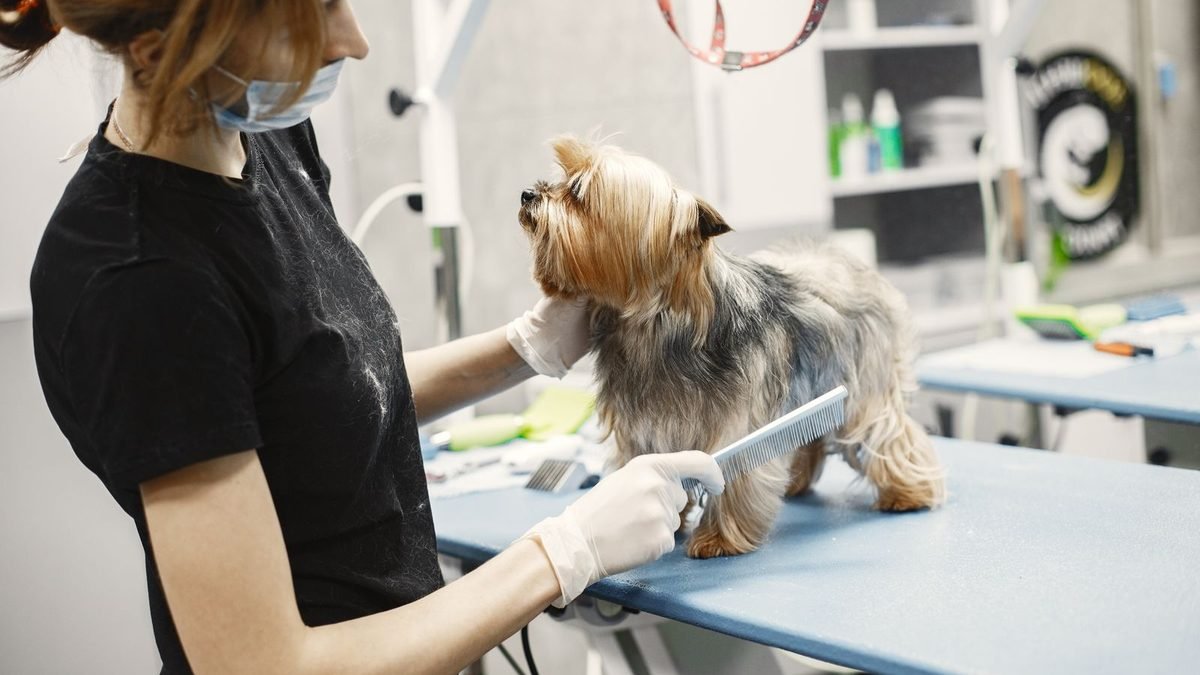
When the second patch appeared, I stopped guessing and made a simple checklist, and I still use it now. First I looked at the patches themselves: where they were, how big they were, whether the skin was red, crusty, or smooth, and whether Milo was scratching them. Then I checked his belly, armpits, ears, and tail base with a torch, because that is where early signs hide. I wrote it all down with dates, and I took a photo of each patch next to a coin for scale, which turned out to be surprisingly useful.
Next I thought about timing. Had anything changed in the last month — a new food, a new shampoo, a new walking route, a house move, or a new pet? Milo’s patches had started two weeks after we changed his shampoo, and I was ready to blame it completely until the vet pointed out that his scratching had started before the shampoo changed. That is why dates matter: a timeline protects you from blaming the wrong thing.
- Photograph each patch next to a coin, and note the date.
- Check the belly, armpits, ears, and tail base with a torch.
- Look for flea dirt, redness, flakes, or crusty skin.
- Note scratching, licking, or chewing — and when it happens.
- Write down any food, shampoo, or routine changes in the last month.
- Weigh your dog and note appetite, thirst, and energy.
Patchy Hair Loss vs. Normal Shedding
One question I kept asking myself was whether a dog losing hair in patches was just shedding heavily, and the answer was no. Normal shedding drops loose hair all over the house, but the coat stays full and the skin stays covered. Patchy hair loss leaves bare skin you can see.
If your dog is shedding heavily all over but has no bare patches, that is a different problem with different fixes, and I cover it separately in my guide to 20 effective anti-shedding tips for dogs. If you can see bare skin, though, the causes above are the ones to work through. That visible bare skin is the clearest sign that a dog losing hair in patches needs a closer look, not just a brush.
What Helped My Dog’s Patchy Coat Recover
I will be honest: the first things I tried did not help much. I bought a new shampoo that promised a thicker coat, and all it did was make Milo smell like lavender while the patches stayed exactly the same. I also tried brushing him harder, thinking I could stimulate the skin, and that only irritated the bare spots. What actually helped was much less dramatic. I went back to a simple routine, kept the skin clean and dry, stopped the licking with a soft cone at night, and let the vet rule out the serious causes first.
Once the cause was clear, the recovery was steady rather than instant. The itching settled first, then the skin looked less pink, and only then did I see the fine, soft fuzz that meant new fur was coming back. It took about six weeks before the patches were hard to spot, and a few months before his coat looked full again. A dog losing hair in patches needs patience more than products, and that was the hardest lesson for me. Hair grows slowly, and the skin heals first. That slow healing is normal for a dog losing hair in patches, so I stopped checking every day.

What to Avoid for a Dog Losing Hair in Patches
The mistakes I made are worth a section of their own, because a few of them made things worse. The biggest was trying several new products at once, which left me with no idea what was helping and what was hurting. The second was bathing Milo too often, thinking a clean coat would fix everything — it dried his skin out and made him itch more. The third was using a human skin cream on a sore spot without asking anyone, which he promptly licked off.
Here is what I would avoid now. Do not shave the patches to ‘let them breathe’ — the skin is already bare and sunburn is a real risk. Do not pick at scabs or squeeze spots, because that pushes infection deeper. Do not switch foods every few days, and do not start supplements on a guess. And do not wait for months hoping it will fix itself if the patches are spreading, sore, or smelly — that is the point where waiting stops being patience and starts being a delay.
When to See a Vet About a Dog Losing Hair in Patches
Some patchy hair loss can be watched at home for a few days, but a dog losing hair in patches with sore, oozing, or smelly skin needs a vet, and I wish someone had given me a clear list at the start. Book an appointment promptly if the patches are spreading fast, if your dog is in pain or seems unwell, or if the hair loss comes with weight loss, extra thirst, or low energy. Also go sooner if the patches are on the face or around the eyes, or if anyone in the house develops a rash.
At the appointment, bring your notebook and photos, and be ready to answer questions about food, flea control, bathing, and when the patches first appeared. The vet may look at the skin under a light, take a small scraping, or run blood tests, depending on what they see. Each test rules something out, and that is how you get to the real cause. Milo’s visit took less than half an hour, and I left with a plan instead of a pile of guesses. That notebook is the clearest way to show a vet how a dog losing hair in patches has changed over time.
If you want a clear, plain-English explanation of hair loss in dogs from a trusted source, the American Kennel Club’s guide to alopecia in dogs is a good place to start.
FAQs About a Dog Losing Hair in Patches
Will the hair grow back? In most cases, yes — once the cause is sorted out, the skin heals first and the fur follows. Milo’s patches took about six weeks to fill in with soft fuzz and a few months to look full again. If the skin was badly damaged or the cause was a long-term hormone problem, regrowth can be slower, and a vet can tell you what to expect for a dog losing hair in patches.
Is patchy hair loss contagious? Some causes are and some are not. Ringworm and some mites can spread to other pets and to people, which is why I kept Milo’s bedding separate until we knew more. Allergies, hormone problems, stress, and nutrition are not contagious at all. Until you know the cause, wash your hands after handling the patches and keep other pets from sharing beds and brushes. That is why I kept Milo apart until we knew more about our dog losing hair in patches.
How long does it take for the patches to fill in? For Milo it was about six weeks before the bare spots were hard to notice, and a few months before the coat looked even. Hair grows slowly, so do not expect visible change in a few days. Take a photo once a week in the same light, because that is the only way to see slow progress. That weekly photo is the simplest way to watch a dog losing hair in patches slowly fill back in.
Final Thoughts
The day I found the first bald patch, I felt helpless. Three weeks later I had a notebook full of dates and photos, a vet who knew what was going on, and a dog whose coat was already filling in. The patches did not need a miracle product or a complicated plan. They needed me to slow down, look closely, rule out the causes one at a time, and ask for help when the clues pointed past what I could handle at home. That plan is what I now suggest to anyone with a dog losing hair in patches.
If you have a dog losing hair in patches, start where I started: take a photo, write down the date, and check the hidden spots. Work through the seven causes in this guide, change one thing at a time, and book a vet visit if anything spreads or looks sore. Your dog cannot tell you what is wrong, but the patches can — if you know how to read them. For more dog health and care guides, visit the Happy Pet Cure blog.
This article is for general information only and is not veterinary advice. Always consult a licensed veterinarian for your dog’s health.