
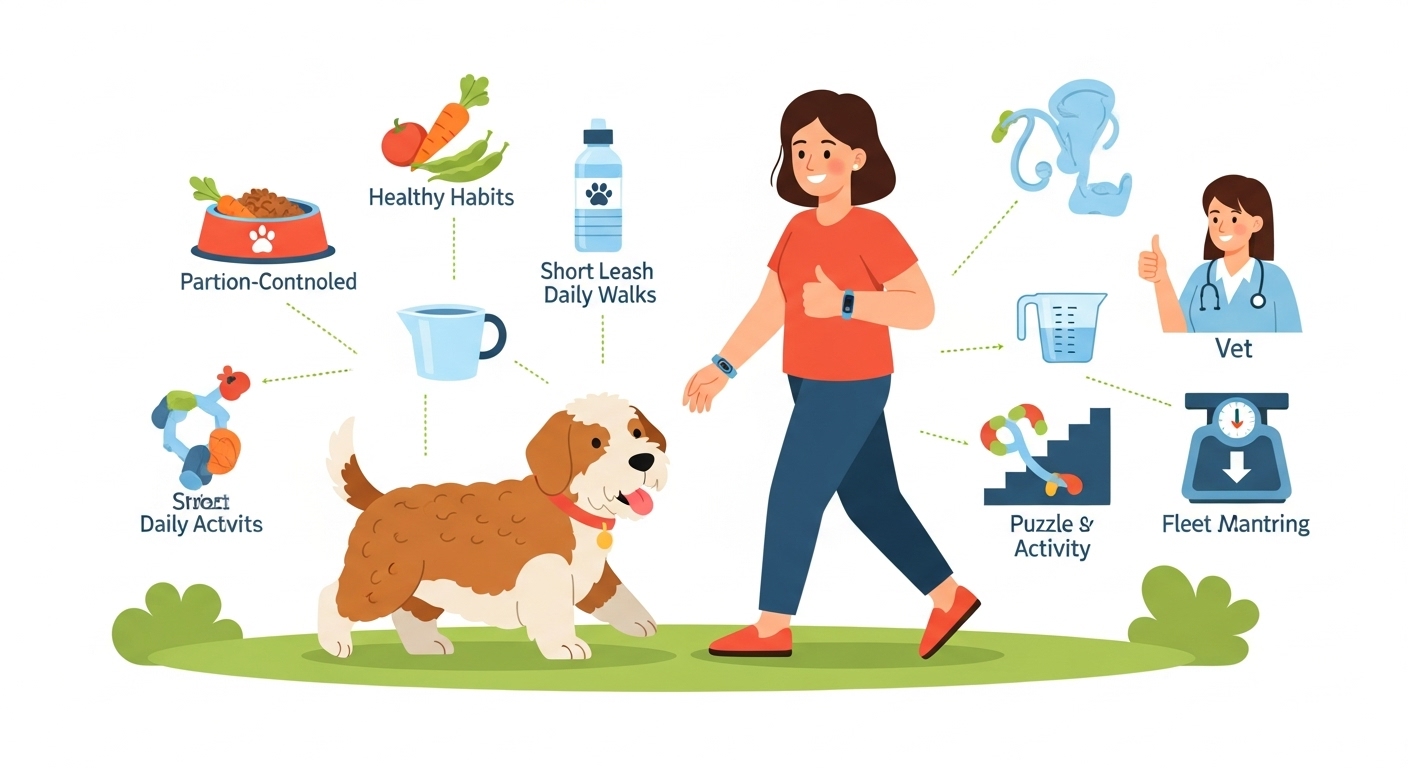
Introduction:-
If you have ever looked at How to Help My Dog Lose Weight, “You are not alone,” or “Hmm, maybe those treats added up a little too quickly.” Millions of pet owners struggle with keeping their dogs at a healthy weight. In fact, according to the Association for Pet Obesity Prevention, more than 55% of dogs in the U.S. are overweight or obese. And while a few extra pounds may look cute, they can lead to serious health issues—like diabetes, joint pain, and even heart disease.
This guide has all the information on your question, ‘How to Help My Dog Lose Weight‘. Drawing from real experience and proven veterinary advice, we’ll explore ten practical, compassionate ways to help your dog shed those extra pounds—without turning mealtime into a misery.
You will have a practical, effective plan at the end of this article, as well as a dog that is happier, healthier, and overall healthier.
Read this Article
15 Best Tips on What to Give Dogs for Diarrhea That Really Work
Table of Contents
Why Learning How to Help My Dog Lose Weight Really Matters
Just like in humans, extra weight in dogs can lead to a shorter, less active life. Carrying those additional pounds puts stress on their joints, heart, and organs. Studies have shown that dogs kept at a healthy weight live up to two years longer than their overweight counterparts. and this is the best answer on your question. How to Help My Dog Lose Weight?
In my experience as a pet care writer and lifelong dog owner, I’ve seen how simple changes in diet and activity can transform not just a dog’s weight but their entire personality. They move easier, breathe better, and even play more.
Helping your dog lose weight isn’t about making them eat less—it’s about helping them live more.
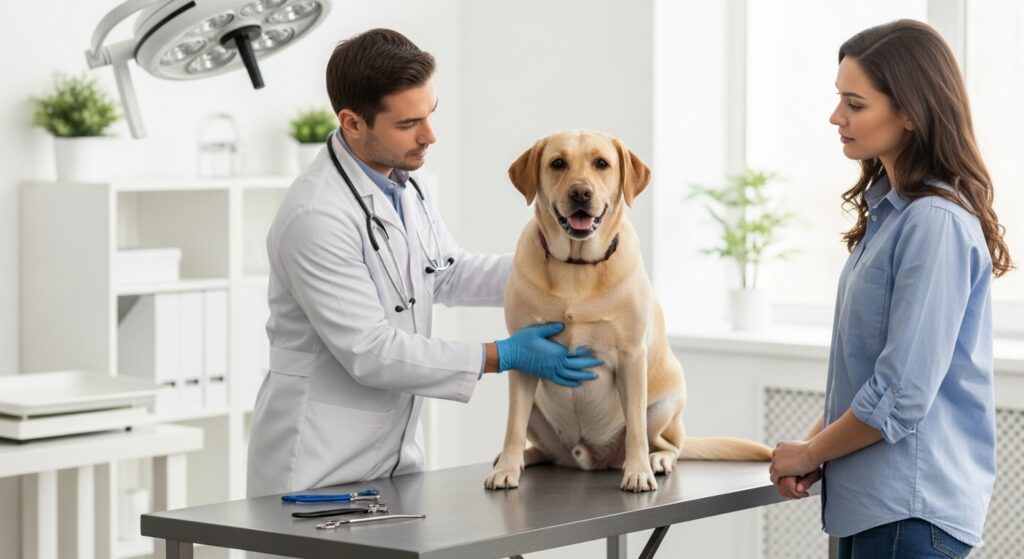
1-How to Help My Dog Lose Weight: Start With a Vet Check-Up
Before starting any weight-loss plan and your question, ‘How to Help My Dog Lose Weight‘, schedule a quick veterinary check-up. Sometimes, weight gain isn’t just about overeating—it can stem from underlying issues like hypothyroidism, Cushing’s disease, or arthritis that reduces movement.
Ask your vet to calculate your dog’s Body Condition Score (BCS)—a simple 1–9 scale that helps determine whether your dog is overweight and by how much. Once you have a baseline, your vet can suggest a target weight and help you create a safe calorie plan.
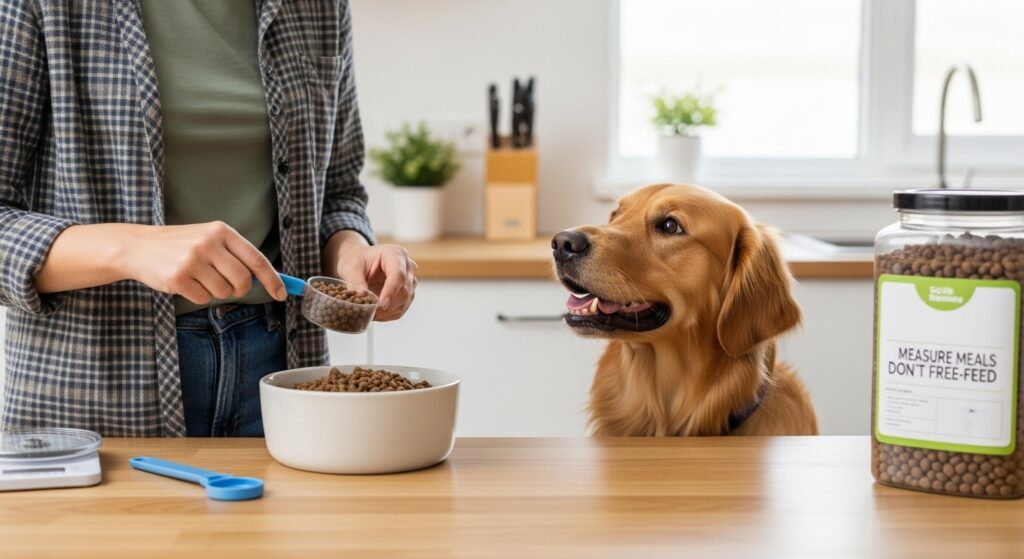
2-How to Help My Dog Lose Weight: Measure Meals—Don’t Free-Feed.
Many dog parents unknowingly overfeed by leaving food out all day. Instead, measure your dog’s meals using a proper measuring cup. Follow your vet’s guidance on calorie intake—most adult dogs need 25–30 calories per pound per day to maintain weight.
If your dog needs to lose weight, cutting back 10–20% of daily calories can make a big difference over time. Just avoid drastic calorie cuts—they can cause nutrient deficiencies and irritability.

3-How to Help My Dog Lose Weight: Choose a High-Quality, Weight-Management Dog Food
if you are searching for ‘How to Help My Dog Lose Weight’, then my answer is not all dog foods are created equal. Look for high-protein, low-fat, and high-fibre foods designed for weight management. Brands that use real meat as the first ingredient and include fibre sources like sweet potato or pumpkin are ideal—they help your dog feel full while consuming fewer calories.
Avoid foods loaded with fillers like corn, soy, or by-products, which can cause spikes in appetite and contribute to fat storage.
In my experience, switching to a weight-control formula alone can help many dogs lose up to 10% of their body weight in just a few months.
4-Limit Treats—But Don’t Eliminate Joy
“We all love spoiling our dogs, but treats add up fast — learning how to help my dog lose weight starts with managing those extra snacks. A single dog biscuit can equal the human equivalent of a cheeseburger! Instead of cutting out treats completely, switch to healthier options like baby carrots, green beans, or small apple slices.
A portion of your dog’s daily kibble allowance can also be used as training rewards. That way, they still feel rewarded—without gaining unnecessary calories.
5-Increase Daily Exercise (Gradually)
“Exercise is one of the most effective parts of learning how to help my dog lose weight and keep them healthy. However, if your pup hasn’t been active for a while, start slow. Begin with short, 10-15 minute walks twice a day, then gradually increase duration and intensity.
Fun activities like fetch, swimming, or agility training can also burn calories while strengthening your bond. Remember, even small changes—like taking the stairs or playing tug-of-war—can add up over time.
6-Use Food Puzzles and Slow Feeders
“Food puzzles or slow feeders are great tools to encourage your dog to eat more slowly and stay mentally engaged, which is an important part of learning how to help my dog lose weight.” These gadgets make mealtime feel like a fun challenge rather than a routine by preventing gulping and improving digestion. Dogs who eat slowly tend to feel full sooner and are less likely to want more snacks later.
7-Track Progress and Adjust Weekly
Just like human fitness plans, your dog’s progress should be tracked weekly. Every seven to ten days, weigh your dog and observe its behavior, appetite, and level of energy. A healthy weight-loss rate for dogs is about 1–2% of body weight per week. Adjusting calories only under veterinary supervision is recommended because losing weight too quickly can be dangerous. Consider taking monthly photos to visually track changes—it’s incredibly motivating to see how far your pup has come!
8-Avoid Table Scraps and Human Food
“Feeding dogs from the table is one of the quickest ways to sabotage a weight-loss plan. Human foods like cheese, bread, and fatty meats are calorie-dense and unbalanced for dogs. Even small scraps can add hundreds of extra calories each day. If you’re learning how to help my dog lose weight, avoid table feeding and instead redirect your dog’s attention with a toy or reward them with a low-calorie treat after dinner.
9-Keep Them Hydrated
“Hydration plays a huge role in weight management. Sometimes, dogs eat because they’re thirsty, not hungry. If you’re exploring how to help my dog lose weight, make sure your pup always has access to fresh, clean water. You can even add a splash of low-sodium broth to encourage drinking. Proper hydration supports metabolism and digestion, helping the body burn fat more efficiently.”
10-Stay Consistent and Patient
Dog weight loss takes time—and that’s perfectly okay. What matters most is consistency. Maintain a regular feeding schedule, engage in daily activities, and avoid changing your diet frequently.
In my experience, most dogs start showing noticeable results within 8 to 12 weeks when their owners stay committed. How to Help My Dog Lose Weight is all about patience, not perfection. Every small step leads to a healthier, happier pup.
Common Mistakes to Avoid When Helping My Dog Lose Weight
• Cutting calories too drastically
• Skipping vet consultations
• Relying on unverified internet advice
• Focusing only on food, not exercise
• Using guilt or punishment (it never works)
Staying informed and compassionate is the best way to ensure long-term success.
Frequently Asked Questions About How to Help My Dog Lose Weight
Q: How long does it take for a dog to lose weight safely?
Most dogs lose weight safely at a rate of about 1–2% per week. That means noticeable results in 2–3 months.
Q: Can older dogs still lose weight?
A: Absolutely. In fact, weight management is even more important for senior dogs to reduce joint strain and boost mobility.
Q: What’s the best low-calorie treat for dogs?
A: Fresh vegetables like green beans, carrots, and cucumbers are great low-calorie alternatives to processed foods.
Q: Should I switch my dog’s food right away?
A: No. Transition gradually over 7–10 days to avoid digestive upset while introducing a new weight-control formula.
Q: How can I tell if my dog is overweight?
A: You should be able to feel—but not see—their ribs easily. They are probably overweight if their waistline is not visible.
Q: Are daily walks enough for weight loss?
A: For most dogs, yes—when paired with a proper diet. Aim for at least 30 minutes of walking per day, adjusted for breed and energy level.
Q: Is swimming good exercise for overweight dogs?
A: Yes! Swimming has little impact on the joints and helps burn calories.
Conclusion
Helping your dog lose weight doesn’t have to be a battle—it can actually be a bonding journey. When you focus on nutrition, activity, and consistency, your dog not only slims down but also gains vitality, confidence, and joy.
Remember, this isn’t about perfection. It’s about progress. With patience, love, and these 10 simple strategies, you’ll know exactly how to help your dog lose weight—without ever making them miserable.
Start today by scheduling that vet visit and measuring your next meal. The happier and healthier future of your best friend begins now.
Good article