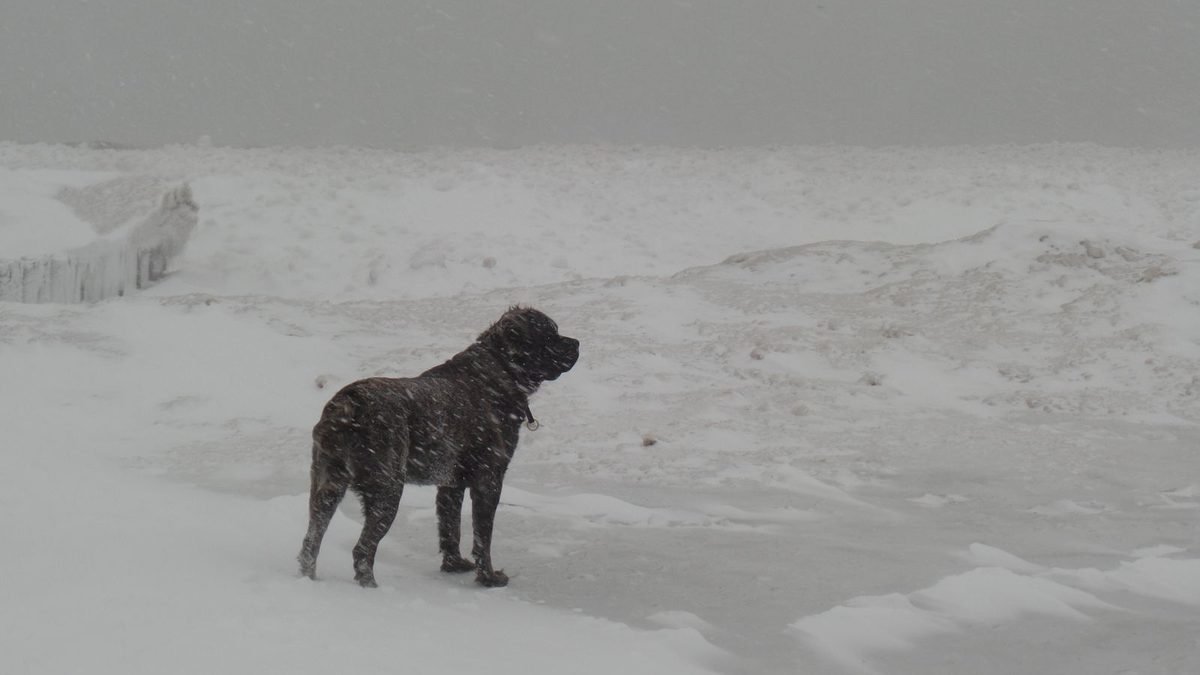
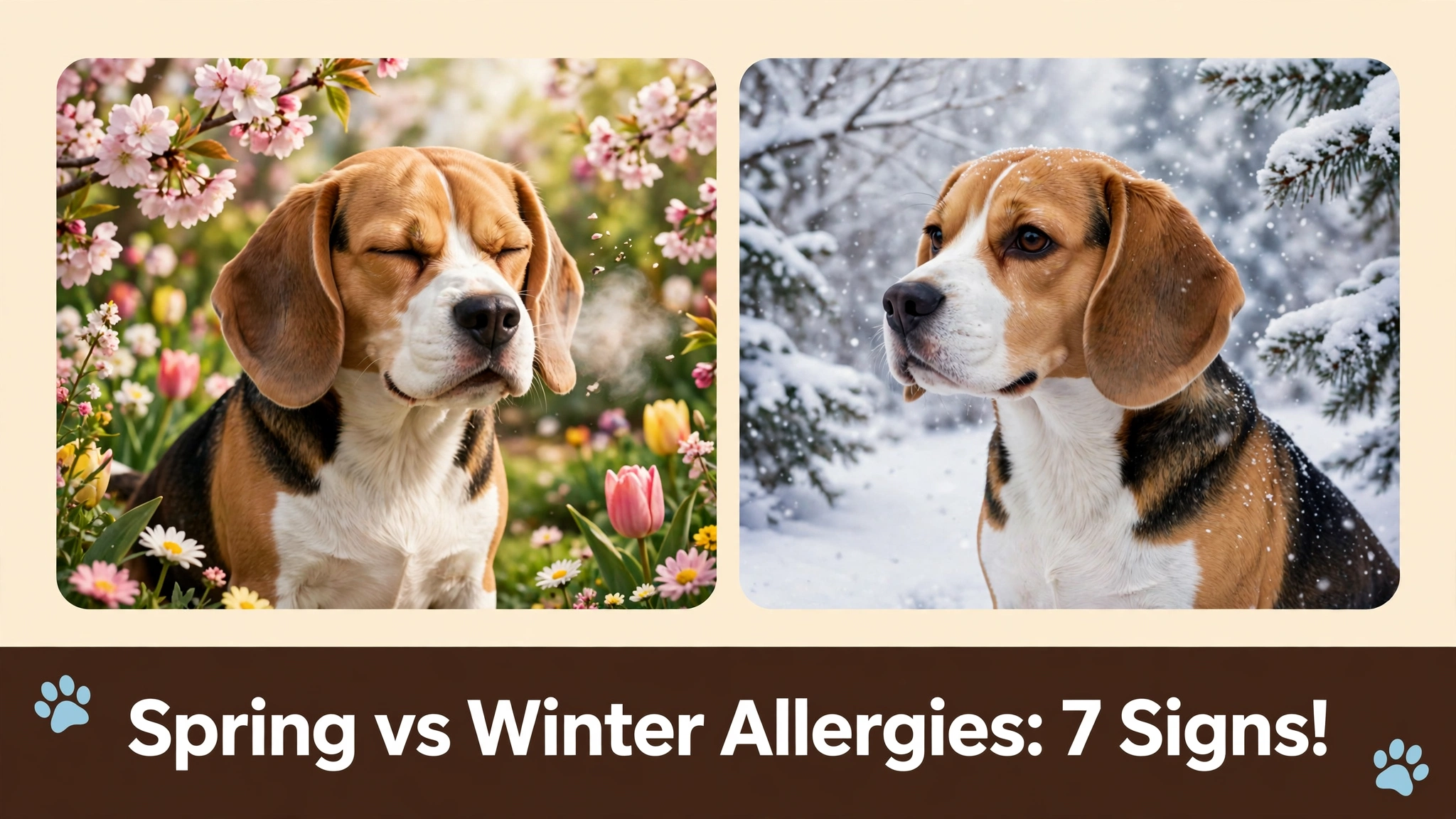
The first spring after I adopted Milo, my golden-brown rescue with floppy ears and a habit of pressing his whole body against my leg, I thought he had caught a cold. He sneezed in bursts of three, rubbed his face along the rug, and scratched his belly against the grass every time we came back inside. By December, the sneezing had stopped, but a different problem had taken its place: dry, flaky skin and paws he would not stop licking. That was the year I learned, the slow and itchy way, what seasonal allergies in dogs spring vs winter really looks like when you live with it day after day.
I am not a vet, and this is not a textbook. This is the story of two very different allergy seasons in one ordinary house, with one ordinary dog, and everything I tried, got wrong, and finally got right. If your dog sneezes through April and then scratches through January, you are not imagining the pattern. Seasonal allergies in dogs spring vs winter can look like two completely different problems in the same dog, and that is exactly why they are so easy to miss.
Table of Contents
My Spring Wake-Up Call: When the Sneezing Started
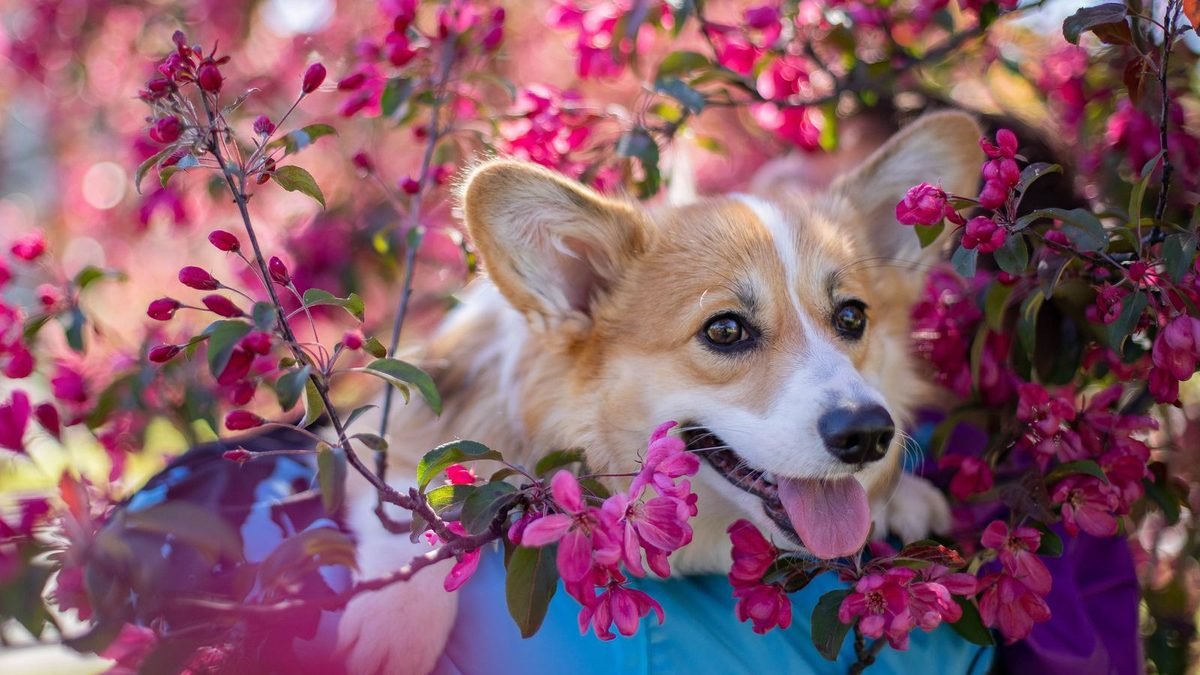
It was a warm Saturday in late March when I first noticed something was wrong. Milo had spent the morning chasing a ball across the park, and by lunch he was sneezing so hard his whole body shook. Then he sneezed again, rubbed his muzzle into the sofa cushions, and started scratching behind his ears with a focus that worried me. He had never done that before.
Over the next two weeks, the pattern became impossible to ignore. Mornings were the worst. He would wake up, trot outside, and come back sneezing, with watery eyes and a damp nose. On windy days, when the trees over our street were shedding pale green pollen, he was miserable by noon. On rainy days, he was almost himself again. I started keeping notes on my phone. The notes told a story I could not see while I was living it.
What confused me most was how healthy he looked between the bad moments. I kept telling myself it was a passing cold, or something he had rolled in at the park. None of it helped, because none of it was the problem. The problem was outside, floating in the air, and it arrived every spring whether I was ready or not.
Key takeaway: Spring allergy signs often follow the weather. If your dog is worse on dry, windy days and better after rain, pollen is a likely suspect, and a simple daily note can reveal the pattern faster than guessing.
What Seasonal Allergies in Dogs Spring vs Winter Actually Means
When people talk about seasonal allergies in dogs spring vs winter, they usually mean one thing: a dog whose immune system overreacts to something in the environment at certain times of year. In spring, the usual suspects are pollen from trees, grasses, and weeds. In winter, the triggers move indoors, into heated rooms full of dust, dry air, and bedding that has been shut away for months. Same dog, same itchy skin, completely different season.
With seasonal allergies in dogs spring vs winter, the fix for spring is not the fix for winter. In April, I needed to think about what Milo rolled in outside and what floated through the open windows. In January, I needed to think about the air inside my own house, the rugs he slept on, and the long hours he spent curled up by the heater. Treating both seasons the same way was my first big mistake, and it cost Milo weeks of scratching before I understood it.
It also helped me to stop thinking of allergies as one single illness. Milo did not have a spring allergy and then, separately, a winter allergy. He had a sensitive system that reacted to different things as the year turned. Once I saw it that way, the work became simpler: watch the season, watch the signs, and change the routine to match what was actually in front of us, instead of fighting last season’s problem.
Spring Triggers: Pollen, Grass, and the Great Outdoors
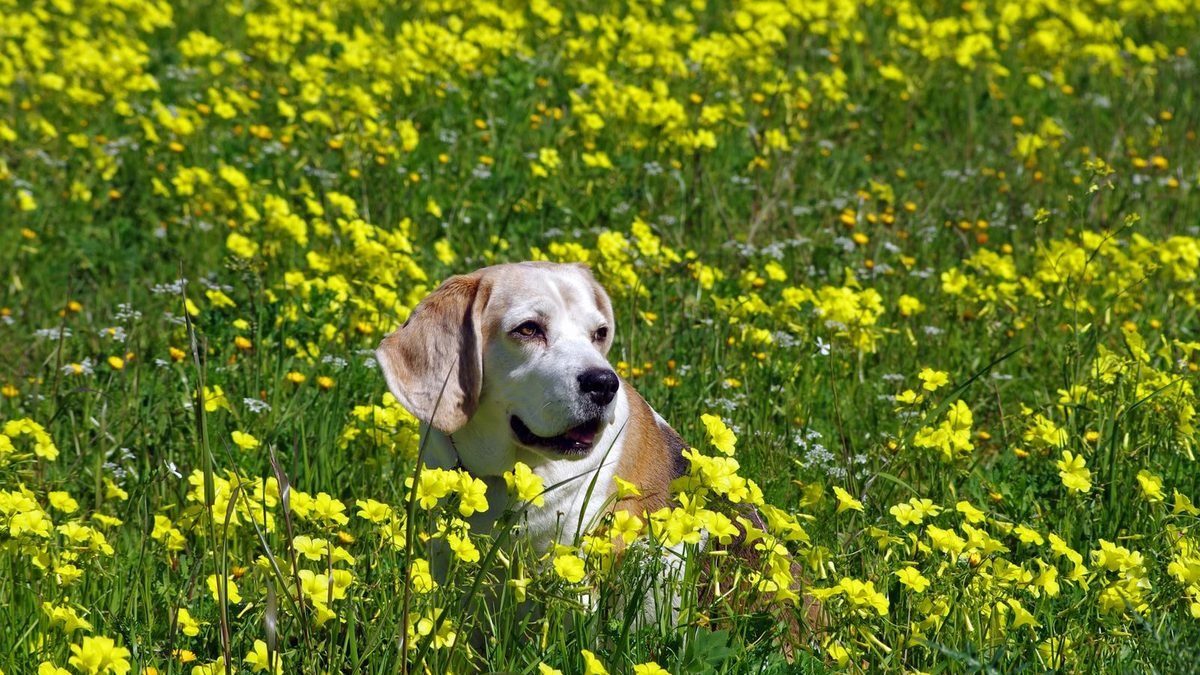
For seasonal allergies in dogs spring vs winter, spring is the season of fresh growth, and that growth comes with a cloud of pollen. Trees release it first, then grasses, then weeds, and a dog that runs through it all collects it on every inch of fur. Milo would come home from the park with pollen dusted across his back and between his toes, and the itching would start within the hour. Wiping him down at the door changed more than any other single habit I tried that spring.
Grass was the second surprise. Milo loved to flop down and roll on the lawn, belly up, legs in the air, completely happy. Then he would stand up and scratch his belly raw against the garden wall. Freshly cut grass was worst of all. The day I mowed the lawn, he sneezed for hours. I learned to keep him inside while I mowed, and to let the cut grass settle before he went back out. It felt unfair to a dog who loved the garden, but the trade was worth it.
Spring also brought new smells, new insects, and the first warm days when windows stayed open all afternoon. Pollen drifted in through the screens and settled on the sofa where Milo napped. I started vacuuming the living room more often, washing his blanket twice a week, and keeping the windows shut on the windiest mornings. None of this cured anything. It simply lowered the amount of irritation his body had to fight, and for Milo, that was enough to turn a miserable week into a manageable one.
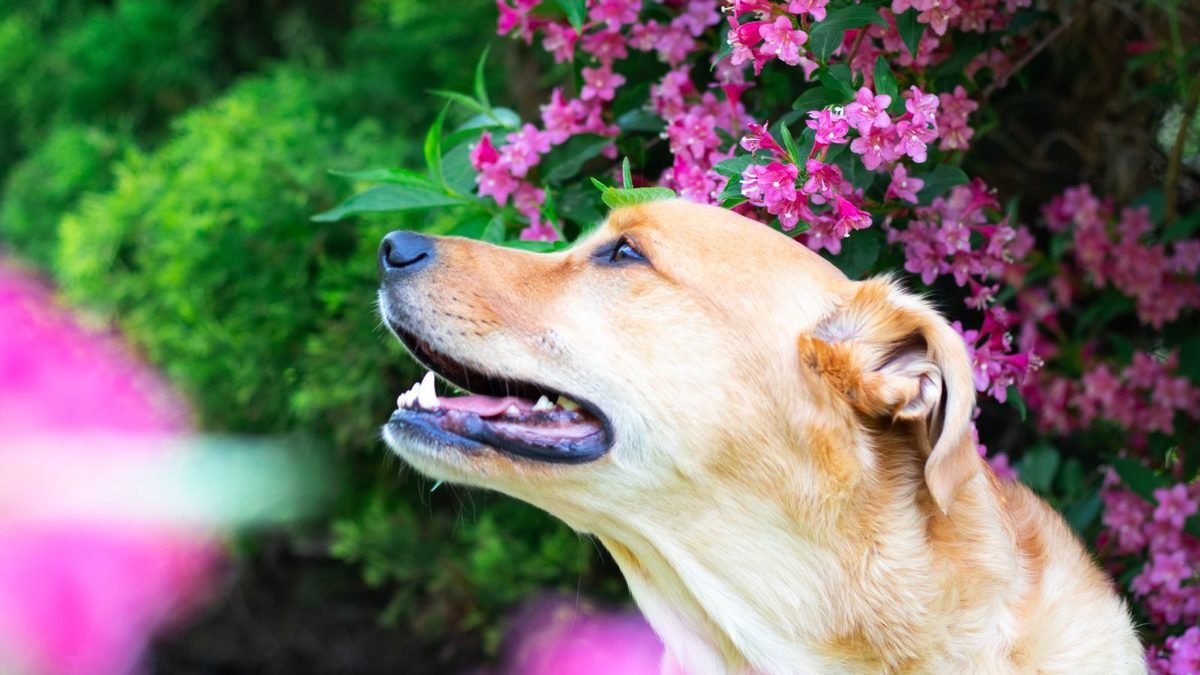
Tip: After a spring walk, wipe your dog’s paws and belly with a damp cloth and brush the coat outside. It takes two minutes, and it removes much of the pollen your dog would otherwise carry into the house and onto the bed.
Winter Triggers: Dry Air, Dust, and Life Indoors
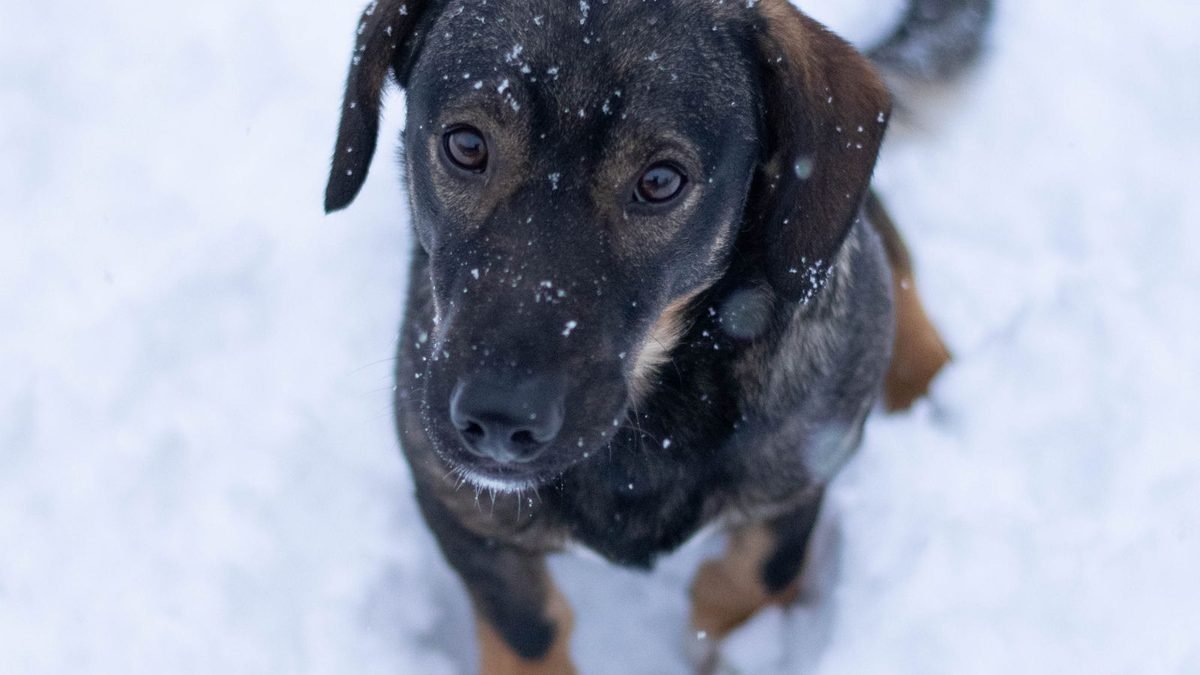
Winter fooled me completely. When the sneezing stopped in November, I thought the season of seasonal allergies in dogs spring vs winter was over. Then the scratching started again, quieter this time, and in a different place. Milo’s skin turned dry and flaky, like dandruff across his back, and he licked his front paws until the fur between his toes looked damp and pink. There was no pollen in the air, no grass to roll in, and no flowers to sniff. The problem had moved inside with us.
Heated air was the first culprit I found. Our house was warm and dry, and Milo spent hours lying close to the heater, which dried his skin even more. I moved his bed a few feet away from the heat, and I started running a small humidifier in the living room in the evenings. The difference was not dramatic on day one, but by the end of the second week his coat looked less dull and the flakes were fewer. Dry skin itches, and itchy skin gets scratched, and scratched skin gets sore, so breaking that circle anywhere helps.
Dust was the second winter trigger, and it was hiding in plain sight. Milo’s winter bedding was thicker and heavier than his summer blanket, and it had been stored in a cupboard since last year. The rugs came out, the curtains stayed shut, and the house was closed up tight against the cold, so everything he breathed and slept on was dustier than it had been in summer. Washing his bedding weekly and vacuuming the rugs, especially around his bed, became part of our winter routine.
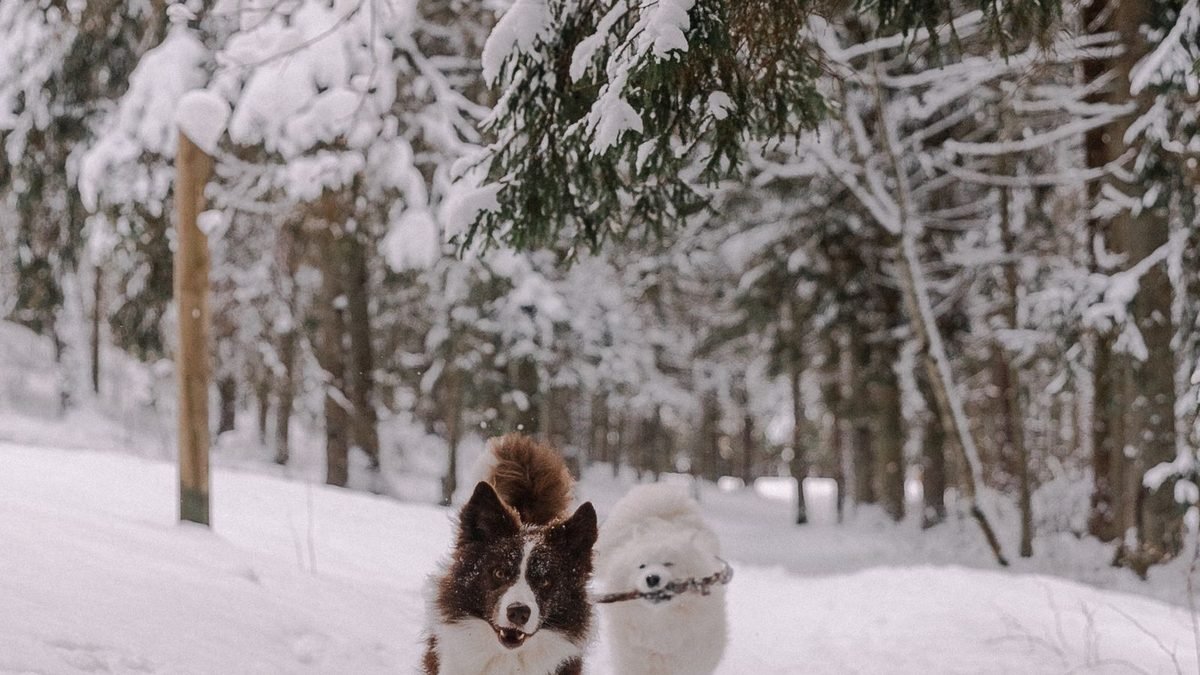
Understanding seasonal allergies in dogs spring vs winter meant accepting that winter was not a break from allergies. It was a different allergy season with different triggers, and it needed a different plan. Spring asked me to keep pollen out. Winter asked me to keep the house clean, the air less dry, and my dog’s skin less parched. Once I stopped waiting for winter to fix itself, Milo’s winters got much easier.
Seasonal Allergies in Dogs Spring vs Winter: Side-by-Side Comparison
Once I had lived through both seasons with Milo, I could finally see the pattern of seasonal allergies in dogs spring vs winter clearly. Spring and winter did not just feel different; they were different in almost every way that mattered. The table below is the comparison I wish someone had handed me that first March, because it would have saved me months of treating the wrong problem at the wrong time of year.
| What changes | Spring | Winter |
|---|---|---|
| Main triggers | Tree, grass, and weed pollen | Dust, dry heated air, and stored bedding |
| Worst time of day | Mornings and dry, windy afternoons | Evenings indoors, near heaters |
| Most common signs | Sneezing, watery eyes, itchy belly | Dry flaky skin and paw licking |
| Where it happens | Mostly outdoors and after walks | Mostly indoors, on beds and rugs |
| What helped Milo most | Wiping paws and belly after walks | Clean bedding and less dry air |
The 7 Signs I Learned to Spot
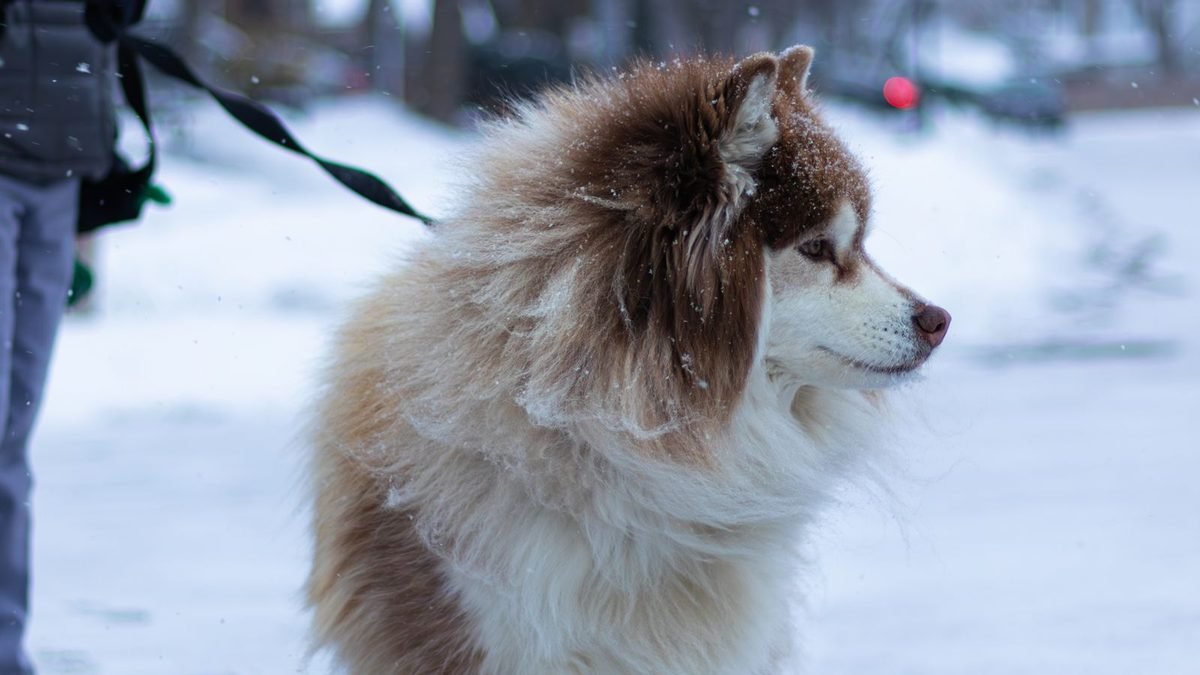
These are the seven signs that, taken together, told me Milo was dealing with seasonal allergies in dogs spring vs winter rather than a one-off irritation. No single sign proved anything on its own. A sneeze is just a sneeze, and a scratch is just a scratch. But when several of these showed up together, and kept coming back at the same time of year, the picture became clear. Learn them in order, and you will spot the pattern much earlier than I did.
Sign 1: Itchy, Red, Irritated Skin
Itching was Milo’s first and most constant sign. His belly turned pink after walks in spring, and the skin inside his back legs looked red and warm. In winter, the itching moved to his back and sides, where the skin was dry and flaky. I learned to check his belly and armpits gently after walks, because those thin-skinned areas showed irritation first. If your dog scratches the same spot every day, and the skin there looks redder than the skin around it, that spot is telling you something.
The mistake I made was waiting for the itching to become dramatic before I took it seriously. A few scratches after a walk seemed normal. It was not normal when it happened every single day, or when Milo stopped playing to scratch. Keep an eye on the frequency, not just the intensity. Daily, repeated scratching in the same place is a sign worth noting, even if the skin still looks mostly fine.
Sign 2: Constant Paw Licking and Chewing
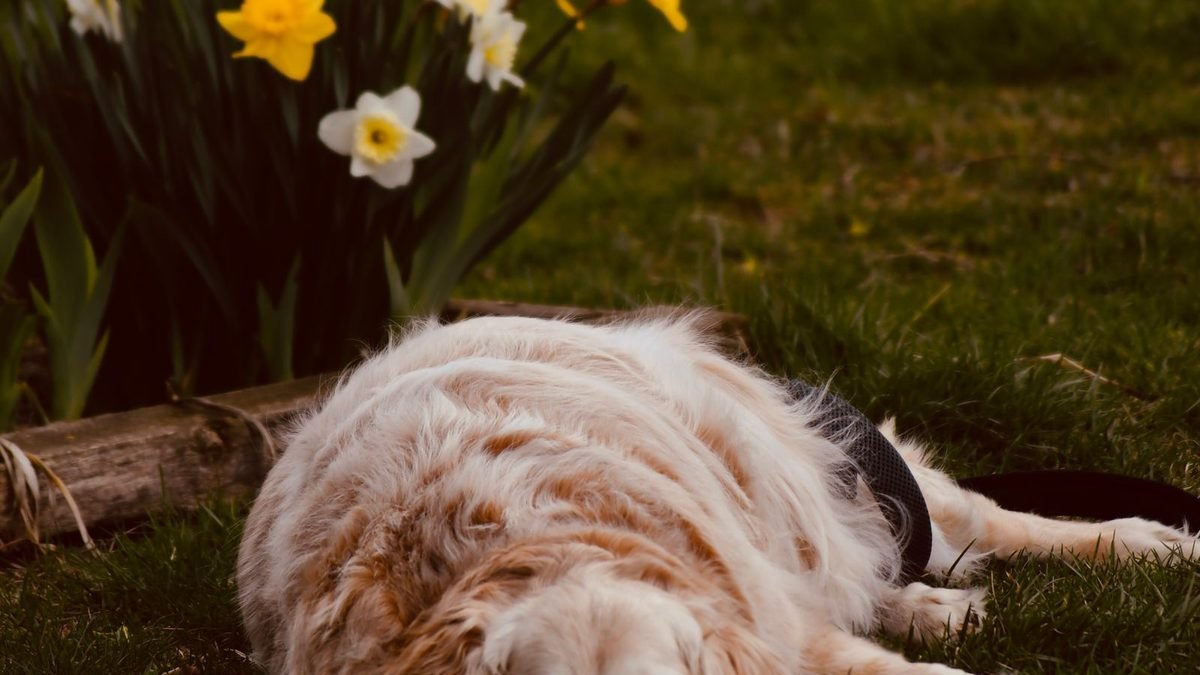
Paw licking was the sign I misunderstood the longest. Milo would lie on his bed in the evening and lick his front paws, over and over, with a steady, rhythmic sound. I thought he was grooming himself, or bored, or just settling down for the night. Then I noticed the fur between his toes was damp and slightly pink, and he flinched when I touched one of his paws. That was not grooming. That was irritation, and he was trying to soothe it the only way he knew how.
Paws pick up everything a dog walks through: pollen in spring, salt and grit in winter, dust from the floor all year round. In spring, Milo’s paw licking was worst right after walks. In winter, it was worst in the evening, after a whole day indoors. A quick wipe of the paws after coming inside helped in both seasons, and checking between the toes once a week showed me whether the skin there was calm or angry. If your dog licks one paw far more than the others, look closely at that paw first.
Sign 3: Sneezing, Snorting, and a Runny Nose
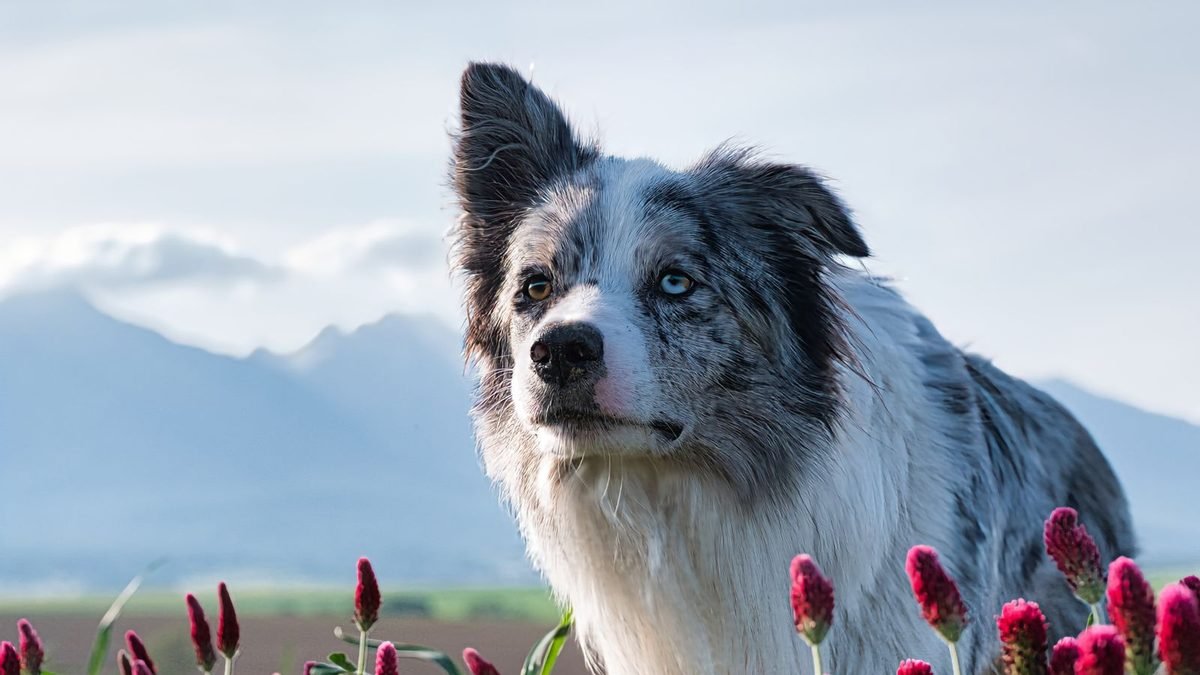
Sneezing was the sign that finally made me pay attention, because it was so obvious. Milo sneezed in threes and fours, usually in the morning, and usually after going outside. Sometimes he snorted, a sharp inward sound, when he had been sniffing around the garden. His nose ran clear, not thick or coloured, and he was otherwise full of energy. That combination, sneezing plus clear discharge plus a bright, hungry dog, pointed away from a cold and toward the air itself.
Sign 4: Watery, Red, or Rubbed Eyes
Milo’s eyes gave him away in spring before anything else did. They watered in the morning, looked pink around the edges, and he rubbed his face along the rug or pawed at his eyes after coming inside. I used to think he was just tired. Then I noticed the pattern: clear, watery eyes on high-pollen mornings, and normal eyes on rainy ones. He never had thick discharge, and he never kept an eye shut, which was reassuring, but the rubbing was constant enough that I had to act.
Wiping his face with a clean, damp cloth after walks helped more than I expected, because it removed the pollen sitting on his fur and around his eyes. I also kept his face fur trimmed short enough that it did not sweep pollen into his eyes on every walk. If your dog’s eyes are watery and itchy but otherwise bright, and the problem comes and goes with the season, note it down alongside the other signs. Eyes are often the earliest warning that the season has turned.
Sign 5: Ear Scratching and Head Shaking
Ears were Milo’s winter sign more than his spring one, and they confused me because his ears looked clean. He would scratch at one ear, then shake his head hard, as if water was trapped inside. The skin inside the ear flap looked pink and warm, and he flinched when I lifted it gently to look. In spring, the ear scratching followed walks in tall grass. In winter, it followed long days indoors, and it was worse on the side he slept on.
I learned to check his ears once a week, in good light, just looking for redness, smell, or dark debris, and to dry them gently after baths and rainy walks. A dog that shakes its head a lot, scratches at its ears, or holds one ear lower than the other is asking for attention, and ears are one area where I never wait and see for long. Red, smelly, or painful ears deserve a vet visit, not a home experiment.
Sign 6: Patchy Fur and Sore Spots from Scratching
This was the sign that made me feel guilty, because it meant the itching had gone on too long. Milo developed a thin patch of fur on one side of his belly where he scratched every night, and a small sore spot on his neck where his collar rubbed against irritated skin. The skin underneath was pink and a little warm, and he would not leave it alone. I had been treating each scratch as a small thing, but the patch showed me the total of all those small things.
Once I saw the patch, I changed how I watched him. I started parting his fur once a week and looking at the skin itself, not just the coat on top. I also kept his nails short and smooth, so that when he did scratch, he did less damage, and I put a soft cloth under his collar for a few days while the sore spot calmed down. If your dog has a thin patch, a red spot, or a place that is always damp from licking, that is the body keeping score, and it is time to change the routine.
Sign 7: Restless Sleep and a Grumpy, Tired Dog
The last sign was the easiest to miss and, in some ways, the saddest. Milo stopped sleeping through the night. He would doze off, wake up scratching, shift to a new spot, and start again. In the morning he was slow to get up, less interested in his ball, and grumpy when I touched his belly. I had been so focused on the skin and the sneezing that I had not noticed the real cost: he was tired, because itching does not stop at bedtime.
Key takeaway: Count the signs, not just the scratches. One sign can be a coincidence, but three or four together, returning at the same time of year, are a pattern worth acting on.
What Helped My Dog (and What Did Not)
For seasonal allergies in dogs spring vs winter, the routine that finally worked for Milo was simple and boring: wipe paws and belly after walks, wash bedding weekly, keep his bed away from the heater, and watch the weather. What did not work was guessing. Changing his food, his shampoo, and his bedding all in the same week told me nothing, because I could not tell which change had helped. One change at a time, kept for two weeks, was slower but far more useful. For gentle skin-soothing ideas to use alongside that routine, I also found our guide to home remedies for dog skin allergies helpful.
Everyday Care Steps for Both Seasons
These are the steps I now follow for seasonal allergies in dogs spring vs winter, all year round, with small changes for each season.
- Wipe paws, belly, and face with a damp cloth after every walk.
- Wash your dog’s bedding weekly and vacuum rugs near the bed.
- Keep the bed away from heaters and add moisture to dry winter air.
- Walk on open paths in spring and avoid long, flowering grass.
- Check skin, ears, and paws once a week and note any changes.
What to Avoid When Your Dog Is Itchy
- Do not bathe your dog too often or with harsh, strongly scented products.
- Do not let sore, red, or broken skin go unchecked for days.
- Do not change food, bedding, and cleaning products all at once.
When to See a Vet
For seasonal allergies in dogs spring vs winter, I book a vet visit when the signs last more than two weeks, when the skin is broken or sore, when the ears are red or smelly, or when Milo stops sleeping or eating normally. A vet can check the skin and ears, rule out other causes, and plan next steps for your dog. The American Kennel Club guide to dog allergies is also a useful starting point for understanding the signs.
This article is for general information only and is not veterinary advice. Always consult a licensed veterinarian for your dog’s health.
Frequently Asked Questions
What is the difference between seasonal allergies in dogs spring vs winter? Spring signs are usually sneezing, watery eyes, and itchy skin from pollen, while winter signs are usually dry, flaky skin and paw licking from heated air and dust indoors.
Final Thoughts
Milo still sneezes some springs and still scratches some winters, but neither season runs our house any more. Once I learned the seven signs, and the difference between seasonal allergies in dogs spring vs winter, I stopped guessing and started watching, and that changed everything. For more stories and care guides like this one, visit our blog.