
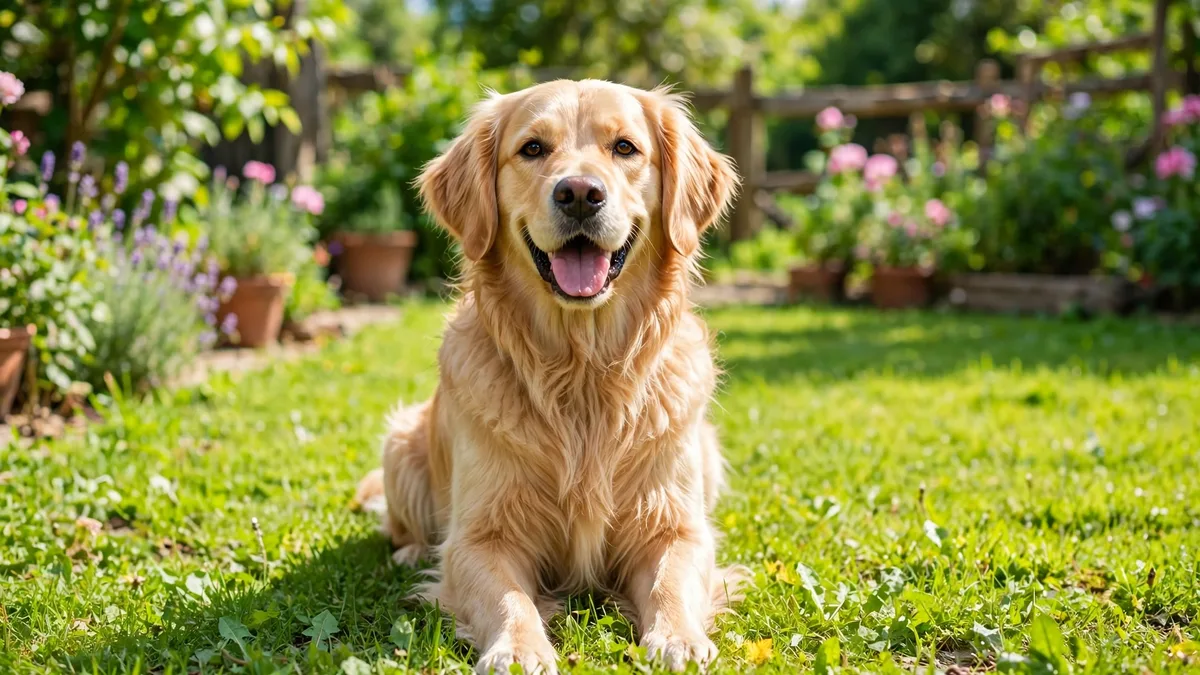
It happened on a Saturday afternoon, right in the middle of a family visit. We were all sitting in the living room when my dog walked into the middle of the rug, sat down on his bottom, and dragged himself across the floor in front of everyone. My aunt laughed. My cousin pulled out his phone. I just sat there, feeling my face go red, wondering why is my dog scooting across my best rug like it was the most normal thing in the world.
I had seen him do it once or twice before, always when no one was watching, and I had brushed it off as a funny habit. This time was different. He did it three times in one afternoon, and each time he looked uncomfortable afterwards, licking at his rear end before he could settle. The laughter in the room faded for me, and worry took its place. Something was bothering him, and I had no idea what it was.
That evening, after everyone had gone home, I sat down with my phone and started searching for why is my dog scooting. Scooting is one of the most common things dogs do, and it is almost never just a funny habit. It is a dog’s way of telling you that something itches, hurts, or feels wrong in a place he cannot reach with his paws. The causes are not all the same, and the right response depends on which one it is.
In this article, I want to share the seven causes I found, the simple clues that helped me tell them apart, what I do now when I see him scoot, and the signs that tell me to call the vet. This is one dog owner’s experience plus general information, not medical advice. If your dog’s scooting worries you, your vet is the right person to ask.
1. Full or Blocked Anal Glands
The first cause I found is also the most common one. Dogs have two small sacs, called anal glands, on either side of their rear end. These sacs hold a strong-smelling fluid that dogs use to mark their scent. In a healthy dog, the sacs empty naturally every time the dog passes a firm stool, because the pressure of the stool squeezes them as it passes. Most owners never need to think about it at all.
Problems start when the sacs do not empty properly. The fluid builds up inside, gets thicker, and the sacs swell. That pressure itches and aches, and the dog drags his bottom along the floor to try to relieve it. The smell was the first thing I noticed in my own dog. A sharp, fishy smell followed him around the house, and that was when I first asked myself why is my dog scooting every time he came back inside.
The warning I want to give you here is one I nearly ignored myself. I watched a video online that made emptying the glands look easy, and I was tempted to try it. I am glad I did not. These little sacs are delicate, and squeezing them the wrong way can injure the tissue and make emptying even harder, or push an infection deeper. This is a job for your vet, not a home experiment.
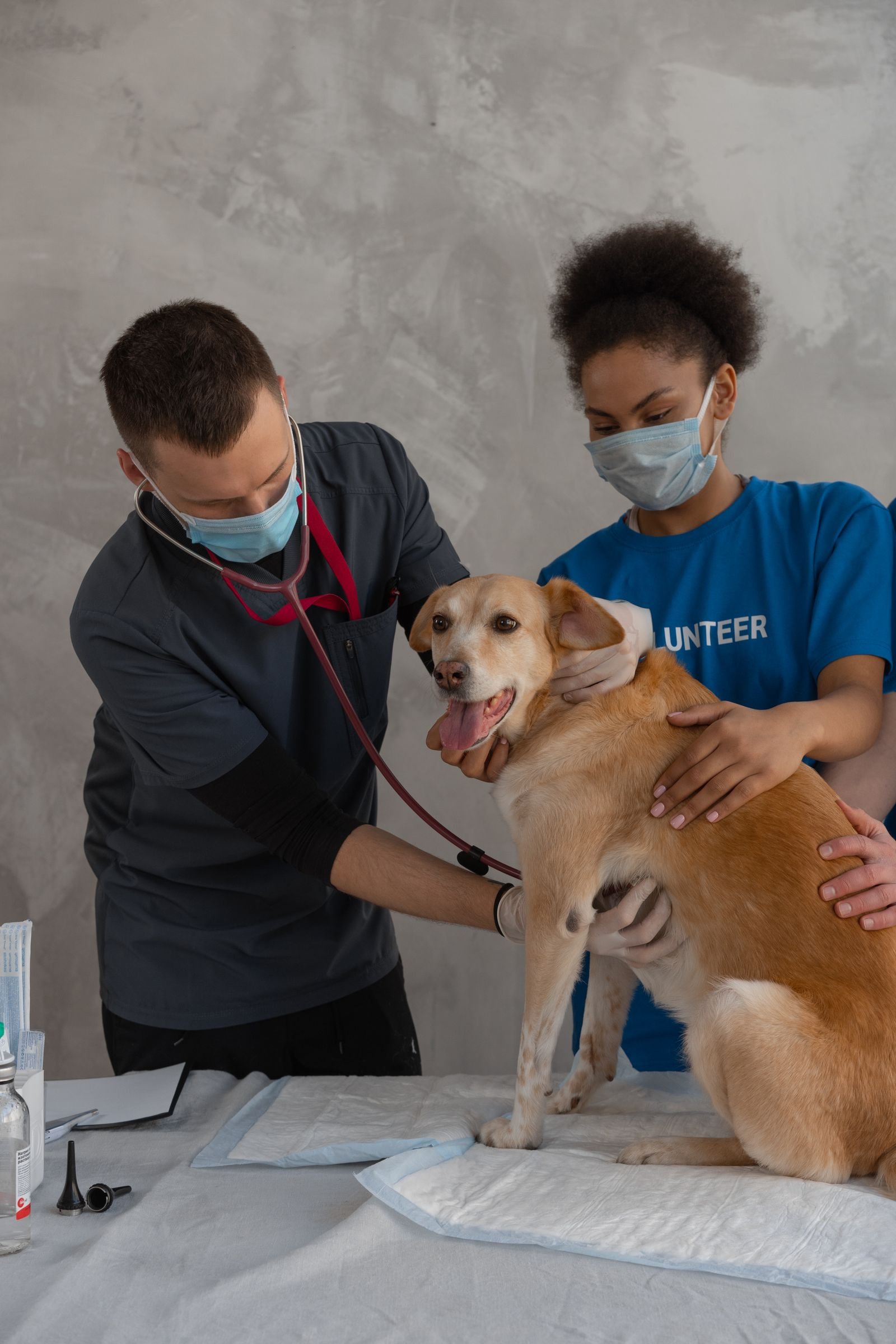
If the fishy smell follows your dog around the house, that is a strong hint when you keep wondering why is my dog scooting. Watch for the other signs too: licking around the rear end, discomfort when sitting, and straining when he tries to poop. A vet can check the area and tell you whether the glands are full. My dog’s visit took ten minutes, and I walked out feeling far better than I had felt watching videos at midnight.
2. Tapeworms and Other Intestinal Parasites
The second cause sounds unpleasant, but it is easy to spot once you know what to look for. Tapeworms are intestinal parasites, and they can make the area around a dog’s rear end itch badly. The clue is in what you see: tiny segments that look like grains of rice, in your dog’s stool or stuck to the fur around his tail. They are small and easy to miss if you are not looking for them.
I never thought I would be the person inspecting my dog’s stool, but once I started asking why is my dog scooting, it became part of my routine. I check after his morning walk, quickly and without making a fuss of it. Puppies and young dogs seem to pick up these parasites more easily than older dogs. It is not a sign of a dirty home or a bad owner. It is just one of those things that happens to dogs.
If you do spot those little rice-like segments, do not try to treat it yourself. Take a note of what you saw, and if you can, take a clear photo to show your vet. A vet can check a stool sample and advise you on what your dog needs. I keep a small notebook by the back door now, and I write down anything unusual I notice, because it helps me describe things clearly when I call the clinic.
Not every scooting dog has worms, which is why I kept asking why is my dog scooting even after I had checked for them and found nothing. Worms are one answer, not the only answer. If your dog scoots and you find no sign of parasites, keep going through the other causes in this article. Ruling things out one by one is how you get closer to the real reason.
3. Allergies and Skin Irritation
The third cause is one I already knew something about, because my dog has always been an itchy dog. Allergies can make a dog’s skin itch all over, and the skin around the rear end is no exception. It can be a reaction to something in his food, or to something in the environment like pollen, dust, or grass. When the itch settles in that one spot, scooting becomes the only way the dog can scratch it.
My dog licks his paws when his allergies flare up, and he scratches his belly on the carpet. When the itching moves to his rear end, I hear myself asking why is my dog scooting again, and the answer is usually the same itchy skin. I have learned to watch for the pattern: it gets worse in certain seasons, or after we have walked through long grass. The scooting is rarely the first sign. It is usually the last one, after the licking and scratching have already started.
The skin itself tells the story if you look closely. Red, sore, or flaky skin around the tail is a sign that something is irritating it. If the area looks raw or the fur is thinning from licking, note it for your vet. I wrote about my dog’s night-time itching here: why is my dog itching at night. What changed, what did he eat, where did we walk, and when did it start?
Changing his food on a guess never felt right to me, so when I wonder why is my dog scooting, I note what he ate and when the itching started instead of swapping his meals around. Food changes take time to show results, and guessing can make things worse. A vet can help you work out whether food or something in the environment is the trigger. My job is to watch, note, and report what I see.

4. Soft Stools and Leftover Mess
The fourth cause is the simplest one, and also the one I felt silliest for missing. Firm stools press against the anal glands as they pass, and that pressure empties them naturally. Soft stools do not press hard enough, so the glands stay full, and the dog starts scooting. It is a chain reaction that starts with the stool and ends with a dog dragging himself across your rug.
After two days of soft stools, I was not surprised to catch myself asking why is my dog scooting across the rug again. I had been so focused on the scooting itself that I had not connected it to what was coming out the other end. Once I did, the pattern was obvious. Every time his stools went soft, the scooting followed. Every time they firmed up again, the scooting stopped on its own.
Loose stool can also leave a mess behind, and that mess irritates the skin on its own. A bit of residue stuck in the fur around the tail is enough to make any dog uncomfortable, and scooting is his way of cleaning himself. I check the fur around his tail after walks now, and I wipe the area gently with a damp cloth and warm water if it needs it. I also wrote about upset stomachs here: 15 best tips on what to give dogs for diarrhea.
One soft stool is a bad day, but a pattern is a question, and why is my dog scooting is often the first sign that the pattern needs attention. If soft stools keep coming back, or if they last more than a day or two, that is a conversation for the vet. I keep a note of how long they last and whether anything changed in his food or routine, because those details help the vet work out what is going on.
5. An Abscess or Infection
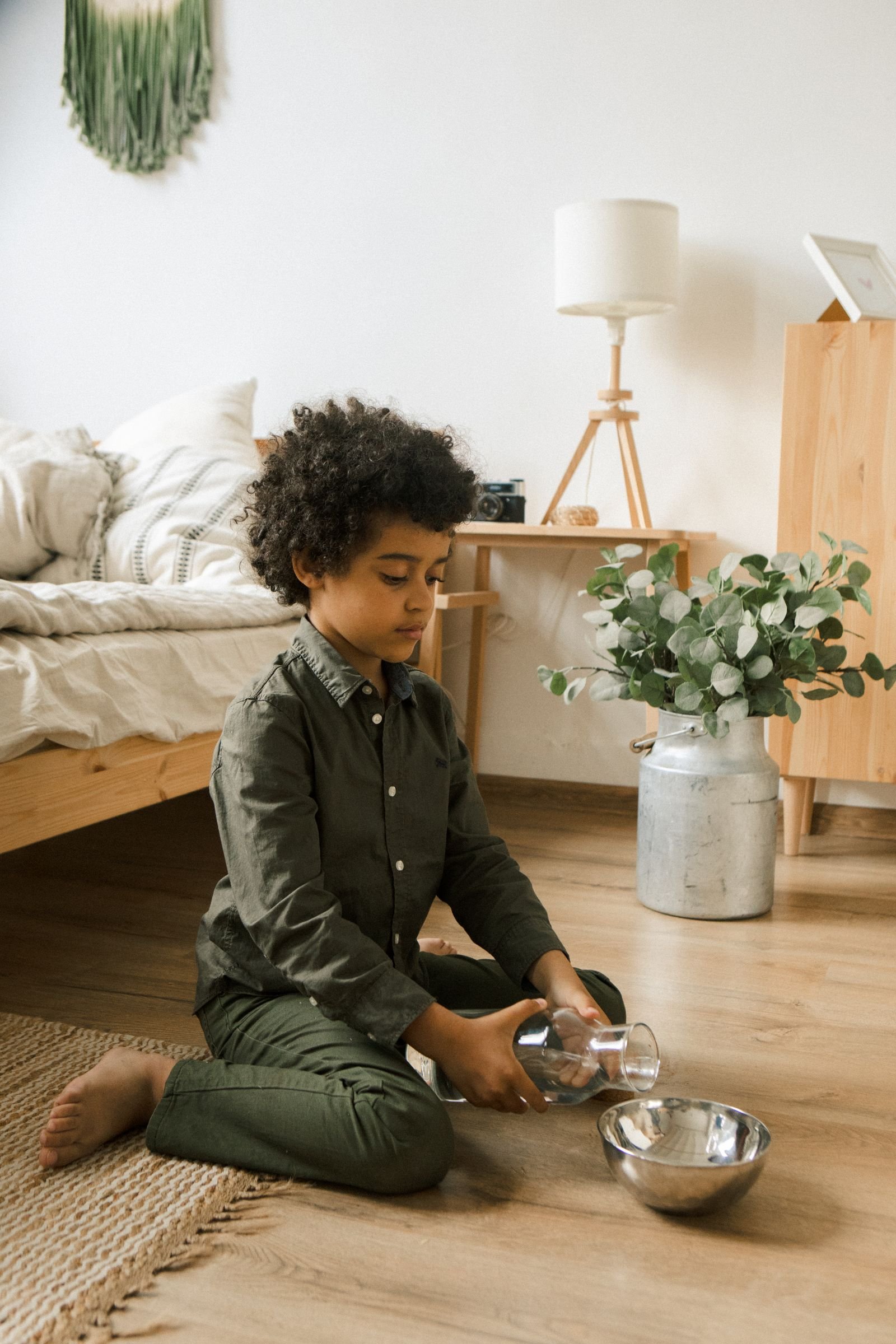
The fifth cause is the serious one, and it is the reason I stopped treating scooting as a joke. When a blocked gland gets infected, it can form an abscess, which is a painful pocket of infection under the skin. The area becomes red, swollen, and hot to the touch, and the dog may cry or flinch if anything brushes against it. This is not a mild itch anymore. This is pain, and it needs a vet.
A dog that yelps when he sits down is not being dramatic, and why is my dog scooting becomes a question I answer with a vet visit, not a guess. I watch for the signs now: swelling on one side of the rear end, skin that looks stretched or shiny, a discharge, or a dog that keeps turning to look at his own tail. My dog once sat down very slowly, like sitting itself hurt, and that careful way of moving told me more than the scooting ever had.
This is vet-now territory, and I mean that plainly. Do not wait to see if it gets better, and do not press or squeeze the area. An abscess can burst on its own if it is left alone, and that is a messy and painful situation nobody wants. The American Kennel Club explains why dogs scoot and when to get help, and PetMD has a clear guide on dog scooting too.
After a scare like that, I stopped treating scooting as a joke, because why is my dog scooting can sometimes be the only warning before real pain sets in. A vet can examine the area, decide what care is needed, and tell you what to watch for while it heals. My dog was back to himself within a few days, but I never forgot how quickly a small problem had become a painful one.
6. Irritation After Grooming
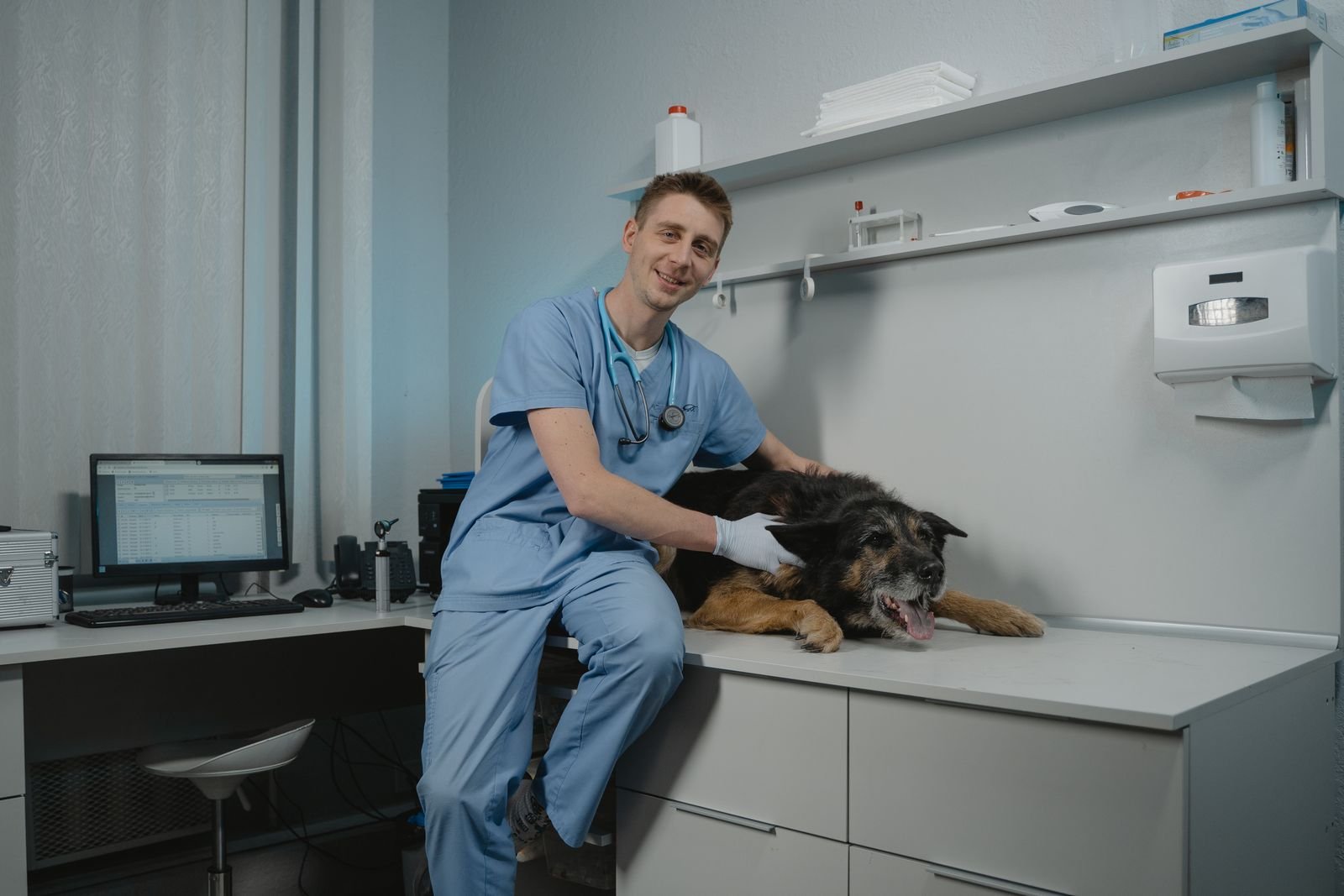
The sixth cause is one that caught me by surprise, because it came from something that was supposed to help. Grooming can irritate the skin around a dog’s rear end, especially if the clippers run close or if a scented shampoo or spray is used on sensitive skin. The scooting usually starts a day or two after the grooming visit, which is the clue that links the two together.
The trim looked neat, but the next morning I was asking why is my dog scooting after a grooming visit that was supposed to make him comfortable. He scooted across the kitchen floor, then the hallway, then the rug, and he kept turning to lick the same spot. There was no smell, no swelling, and his stools were fine. The only thing that had changed was the trim the day before. Once I put the two together, it made sense.
What I do now is tell the groomer about it before the next visit. I ask them to be gentle around that area, and I mention that his skin is sensitive to scented products. A good groomer will listen, and mine did. I also check his skin after a visit for small nicks or red patches, because a little cut in that area can itch badly while it heals.
Grooming irritation should fade quickly, and if I am still asking why is my dog scooting three days later, I know it is time to look deeper. A day of mild irritation is one thing. Three days of it is another. If the redness spreads, or the area starts to look sore, or he will not stop licking it, that is a vet visit, not a grooming problem anymore.
7. The Fibre and Firm Stool Fix
The seventh cause is really a fix, and it is the one that made the biggest difference for my dog over time. Firm stools are the quiet hero of this whole story. Every time your dog passes a firm stool, it presses against the anal glands and empties them naturally. Soft stools cannot do that job. So anything that helps your dog form firm, healthy stools also helps keep those glands working the way they should.
I did not change his food on my own, but I did notice that once his stools became firmer, I stopped asking why is my dog scooting every single week. I asked my vet about fibre in general terms, because fibre helps the body form firm stools, and I wanted to know whether it was worth thinking about for my dog. I am not going to tell you what to feed your dog here, because every dog is different, and a feeding change that helps one dog can upset another.
Two things that did help, without changing a single meal, are fresh water and regular walks. I keep his water bowl full and clean, and I refill it through the day. A dog that drinks enough water is a dog whose digestion works better. I also make sure he gets a proper walk every day, because movement keeps his digestion moving too.
If your dog scoots because his stools are always soft, why is my dog scooting is really a question about his digestion, and that is a vet conversation, not a shopping trip. Fibre is not a quick fix either. It takes time for a dog’s digestion to settle, and I learned to judge it by the pattern over weeks rather than by one good day. If the soft stools do not improve, or if the scooting keeps coming back, the vet is the right person to work out what to try next.
When to Worry About Scooting
Most scooting is a small problem with a simple cause, but I have learned that it is worth watching the pattern, not just the single event. An occasional scoot after a walk, when nothing else seems wrong, is not something I lose sleep over. My dog does it now and then, and then he moves on and forgets about it. It is the pattern that matters: how often it happens, whether it is getting worse, and whether anything else is changing at the same time.
The day my dog scooted and then refused his dinner, I stopped asking why is my dog scooting and started calling the vet instead. A dog that goes off his food is telling you something, and I have written about that here: why is my dog not eating but drinking water. The red flags I watch for now are swelling or redness around the rear end, any discharge or blood, pain when he sits, scooting every day, and any change in his energy or appetite. Any one of those on its own is enough to make the call.
You know your dog’s normal better than anyone else. If something feels off, it probably is, and a phone call to your vet costs nothing. I would rather call and hear that it is nothing than wait and wish I had called sooner. My vet has never made me feel silly for asking.
What I Do Now When My Dog Scoots
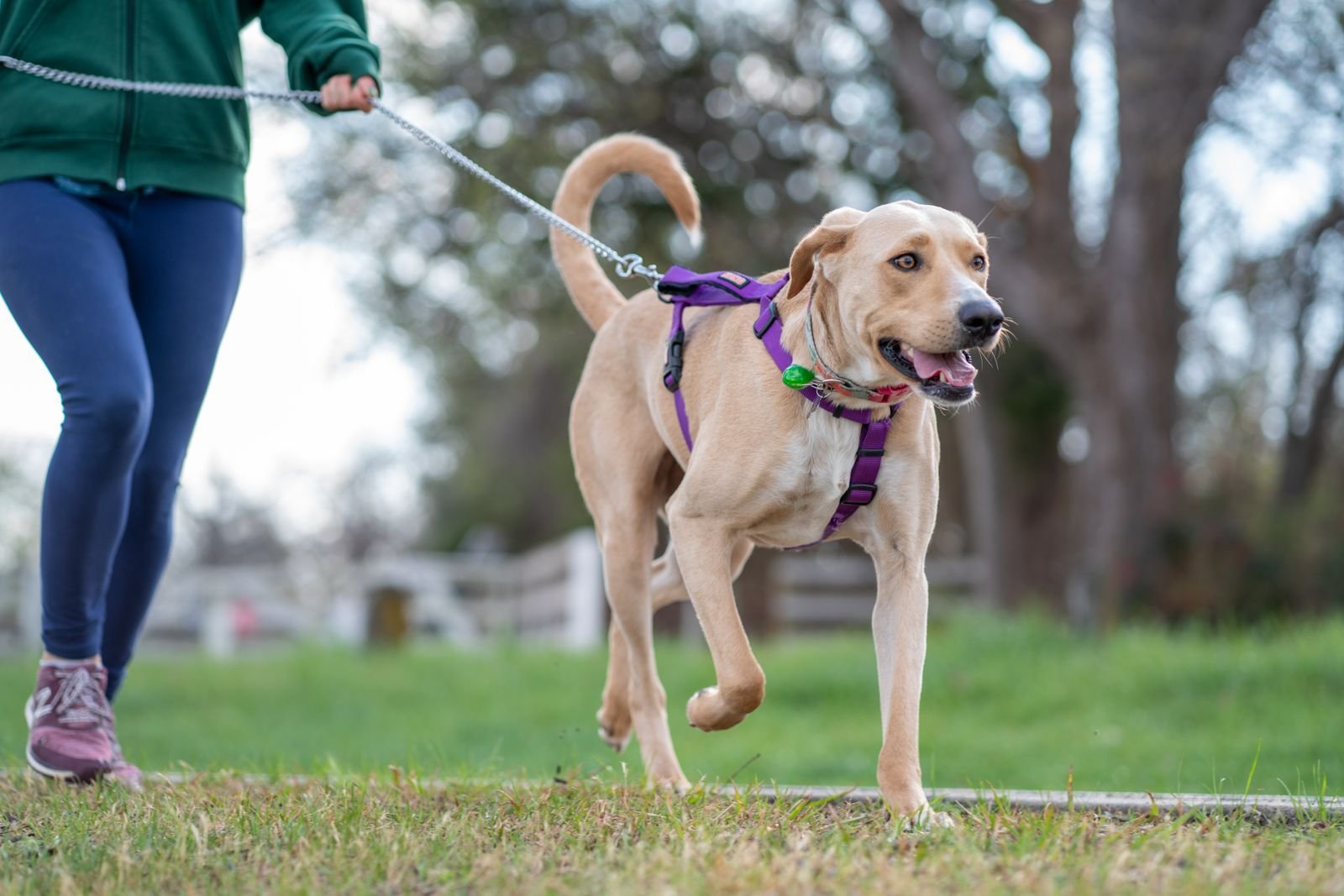
These days, I have a small routine for it, and it has taken the panic out of the whole thing. First, I stay calm. A scooting dog is not an emergency in most cases, and rushing at him only makes him nervous. I watch him for a minute and look for the three clues in this article: the fishy smell, anything unusual in his stool or the fur around his tail, and any redness or swelling. Then I write down the date and what happened just before it.
Most days nothing is wrong, and I barely think about why is my dog scooting at all, which tells me the routine is working. I keep his water bowl full and clean, I give him his daily walk, and I wipe the area gently with a damp cloth and warm water if it needs cleaning after a loose stool. Those small habits have done more for him than any single thing I tried when I first panicked about it.
When the scooting repeats, or when I see pain, swelling, or a change in his appetite, I call the vet. I do not wait for a third or fourth day of it. The call is always worth making, and the visit is always shorter than the worrying was. Scooting stopped being a mystery for me once I learned to read the clues, and I hope this article helps you read them in your own dog too.
Frequently Asked Questions
Is it normal for my dog to scoot once in a while?
Yes, an occasional scoot is normal. A bit of fur, a small itch, or a stool that did not pass cleanly can all make a dog drag his bottom once or twice. If it happens rarely and your dog seems comfortable afterwards, there is usually nothing to worry about. It is the pattern that matters: scooting every day, or scooting with pain, swelling, or a change in appetite, is worth a call to your vet.
Why does my dog scoot after pooping?
Scooting after pooping usually means something was left behind. A bit of stool can stay caught in the fur around the tail, or the glands may not have emptied fully during the bowel movement. Check the area and the stool, and watch whether it keeps happening. If it happens after most bowel movements, or if his stools are often soft, mention it to your vet, because the cause may be one of the ones in this article.
Can I stop my dog from scooting at home?
I get asked this a lot, and my honest answer is that you can watch and help, but why is my dog scooting is a question a vet should answer when it keeps happening. At home, you can keep the area clean with a damp cloth and warm water and give him his daily walks. What you should not do is try to fix the cause yourself, especially by squeezing the glands. If the scooting repeats, the vet is the right next step.
Why does my dog scoot more after grooming?
Grooming can leave the skin around the rear end irritated, especially if the clippers ran close or a scented product was used. The scooting usually starts a day or two after the visit and fades within a day or two more. Tell your groomer about it before the next visit, and ask them to be gentle around that area. If the irritation lasts more than a few days, or the area looks sore, ask your vet to take a look.
Does scooting mean my dog has worms?
Not always. Worms are one possible cause among several, and many scooting dogs have no worms at all. The rice-like segments in the stool or around the tail are the clue to look for, but only a vet can tell you for sure by checking a stool sample. If your dog is scooting and you find no sign of worms, go through the other causes in this article, because the answer may be his glands, his skin, or his digestion instead.
This article is for general information only and is not veterinary advice. Always consult a licensed veterinarian for your dog’s health.