
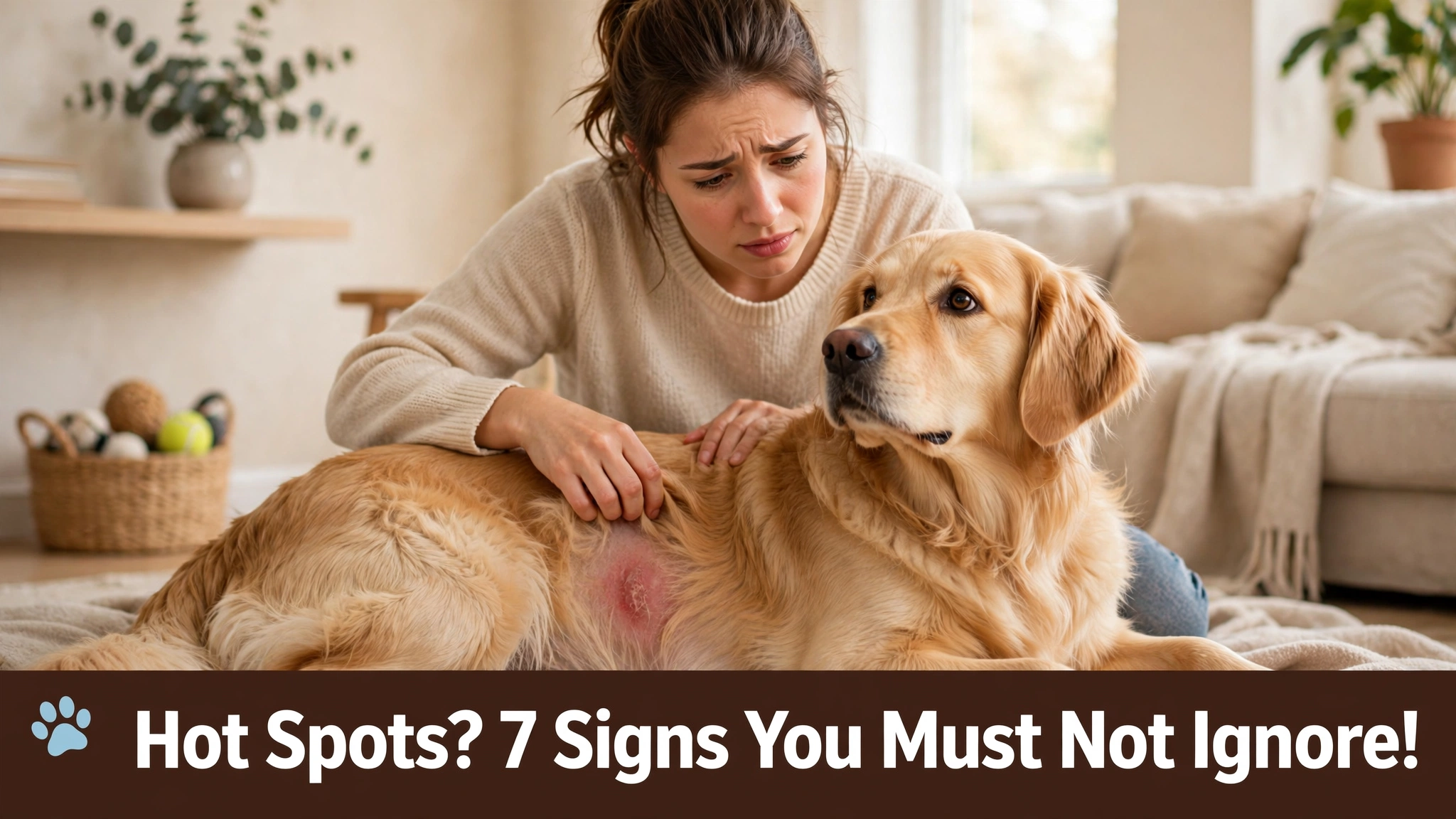
I still remember the evening I found the first sore patch on Milo, my golden retriever, and how small it looked at first — just a damp, pink circle hidden under the fur on his side. I had no idea what it was, and like most dog owners, I hoped it would simply go away on its own. Learning about hot spots on dogs symptoms treatment changed everything for me, because once I understood what I was looking at, I could act calmly instead of panicking. This is the story of what I saw, what I tried, what failed, and what finally helped Milo feel like himself again.
Milo is a cheerful, food-loving golden retriever who has been part of our family for years. He swims whenever he gets the chance, rolls in the grass, and flops down for long afternoon naps in the warmest corner of the house. None of that seemed unusual to me. That is why the first hot spot caught me completely off guard — it appeared quietly, under his thick coat, and by the time I noticed it, Milo had already been worrying at it for a while.
I am not a veterinarian, and this article is not a substitute for professional care. It is simply one dog owner’s honest account, written so that you can spot the warning signs earlier than I did and know which questions to ask your vet. If something in this story sounds familiar, I hope it gives you a calmer, clearer next step, and a little reassurance that you are not the only one who has felt helpless watching a dog you love feel uncomfortable. That quiet start is why I needed to learn about hot spots on dogs symptoms treatment before the next patch appeared.

How I First Spotted Milo’s Hot Spot
It was a warm evening in late summer, and Milo was lying on the living room rug after a long walk, chewing at his side in a way that looked almost absent-minded. At first I barely registered it. Dogs lick and nibble themselves all the time, and Milo had always been a fussy groomer. But something about the rhythm that evening was different. He kept going back to the exact same spot, again and again, and when he finally shifted position, I could see that the fur there looked darker and flatter than the fur around it.
I knelt down beside him and parted the fur with my fingers, the way you might check a child for a bruise. Underneath, the skin was pink and damp, and the area felt slightly warmer than the skin nearby. Milo flinched a little when my fingers got close, but he did not snap or move away. He just looked up at me with that patient, trusting expression dogs have, and I felt a rush of guilt. How long had this been bothering him while I had been busy with work, meals, and ordinary life?
By morning the patch had not shrunk, and Milo went straight back to licking it after breakfast. That was when I understood that this was not a one-off itch. A passing itch comes and goes; this one had a pattern, a place, and a stubbornness that worried me. I took a photo so I could compare it day by day, noted the date, and rang the vet’s clinic. The receptionist listened, asked me a few calm questions about the size, colour, and smell of the area, and booked us in. Just having a plan made me feel steadier.
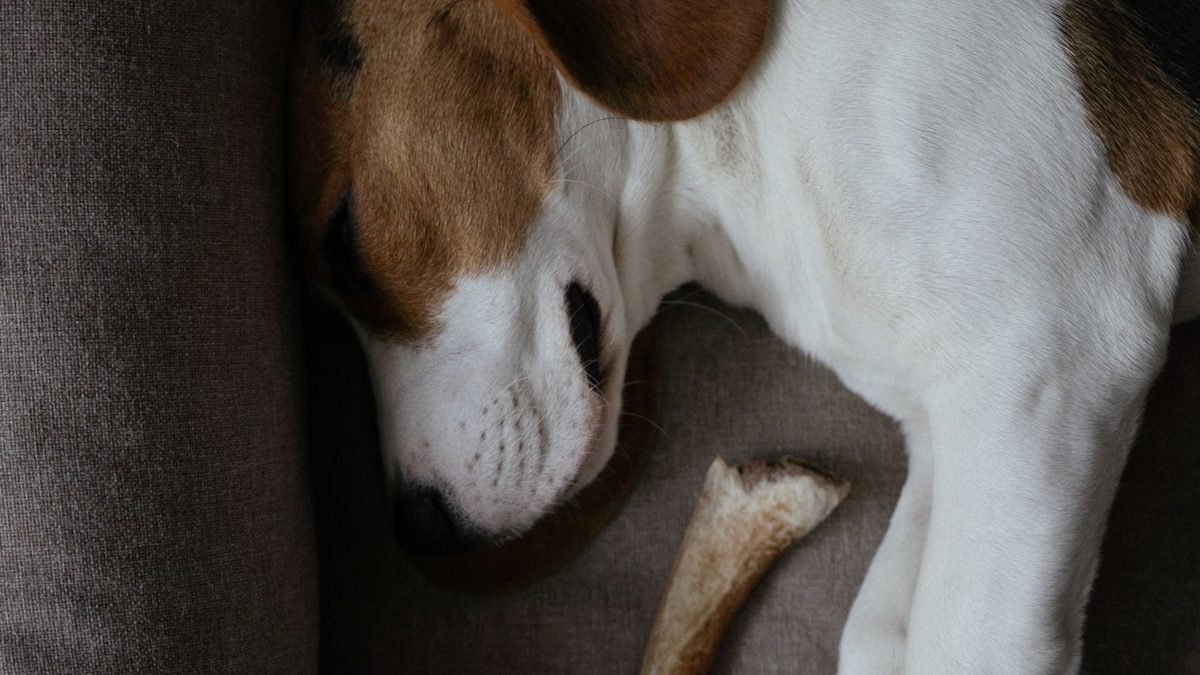
Key takeaway: A hot spot often hides under thick fur, so the first sign is usually behaviour — repeated licking or chewing at one place — rather than something you can see from across the room. If your dog keeps returning to the same spot, part the fur and look.
What Exactly Is a Hot Spot?
Before Milo, I had heard the term hot spot but I had never really understood it. In plain words, a hot spot is a patch of skin that has become red, damp, and irritated, and that the dog keeps licking or scratching. It often starts small — a little itch from a bite, a tangle of matted fur, or damp skin after a swim — and then the dog’s own licking and scratching makes the area worse. The skin gets sore, the fur around it gets wet and matted, and the whole cycle feeds on itself.
What surprised me most was how quickly it could change. On the first evening, Milo’s patch was about the size of a coin. By the next day it looked larger and angrier, not because something new had attacked him, but because he had spent hours licking it through the night. Reading about hot spots on dogs symptoms treatment taught me that this cycle is the key to understanding hot spots. The dog’s own efforts to soothe the itch are often what turn a small irritation into a bigger sore.
Hot spots can appear almost anywhere on a dog’s body, but I learned that they are common on the hips, the base of the tail, the legs, and the sides — the places a dog can easily reach with its tongue or teeth. Milo’s was on his side, right where his head could turn and his tongue could reach without any effort. Thick-coated dogs like Milo seem to hide them especially well, because the fur covers the damp patch until it is already well established. That is why regular hands-on checks for hot spots on dogs symptoms treatment matter so much.

Hot Spots on Dogs Symptoms Treatment: The 7 Symptoms I Learned to Spot
When I look back, learning about hot spots on dogs symptoms treatment really meant learning to read seven signs, one by one, instead of seeing a blur of worry. Each symptom below is something I actually saw on Milo, in the order I noticed it. If you are checking your own dog right now, work through them slowly, with your hands and your eyes, and write down what you find. A short note with the date can be surprisingly useful when you talk to your vet.
1. A Red, Damp Patch That Appears Fast
The first thing I saw on Milo was a patch of skin that looked pink and wet, as if he had just come in from the rain — except he had been indoors for hours. The fur around it was stuck together in damp clumps, and the skin underneath looked raw and shiny. It had not been there the day before, or at least not in any way I could see. That speed is what makes hot spots so unsettling: a small sore can seem to appear overnight and look worse by the next morning, so take a photo in good light and compare it tomorrow.
2. Constant Licking and Chewing at One Spot
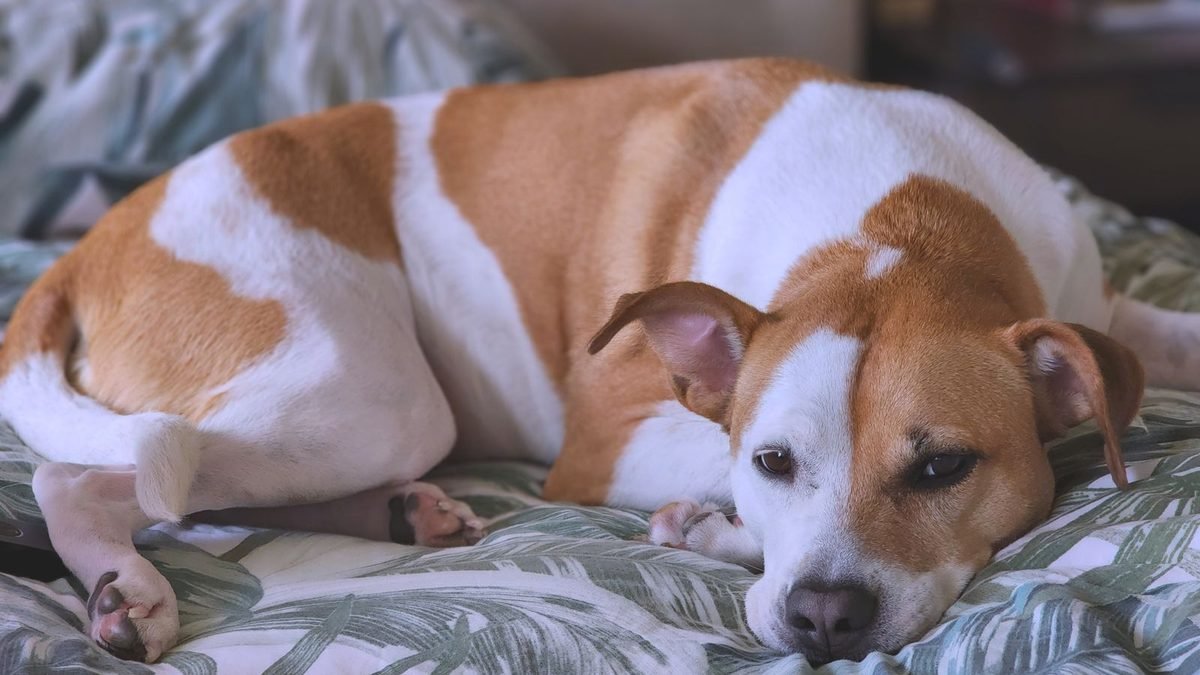
This was the symptom I noticed first, even before I saw the patch. Milo kept turning his head to the same place on his side, licking and nibbling with a focus that was hard to ignore. A normal itch lasts a few seconds and then the dog moves on. This was different: he would lick, pause, look at me, and then go straight back to the same spot. At night I could hear him at it in the dark, and in the morning the fur around the patch was wetter than ever.
3. Hair Loss Around the Sore Area
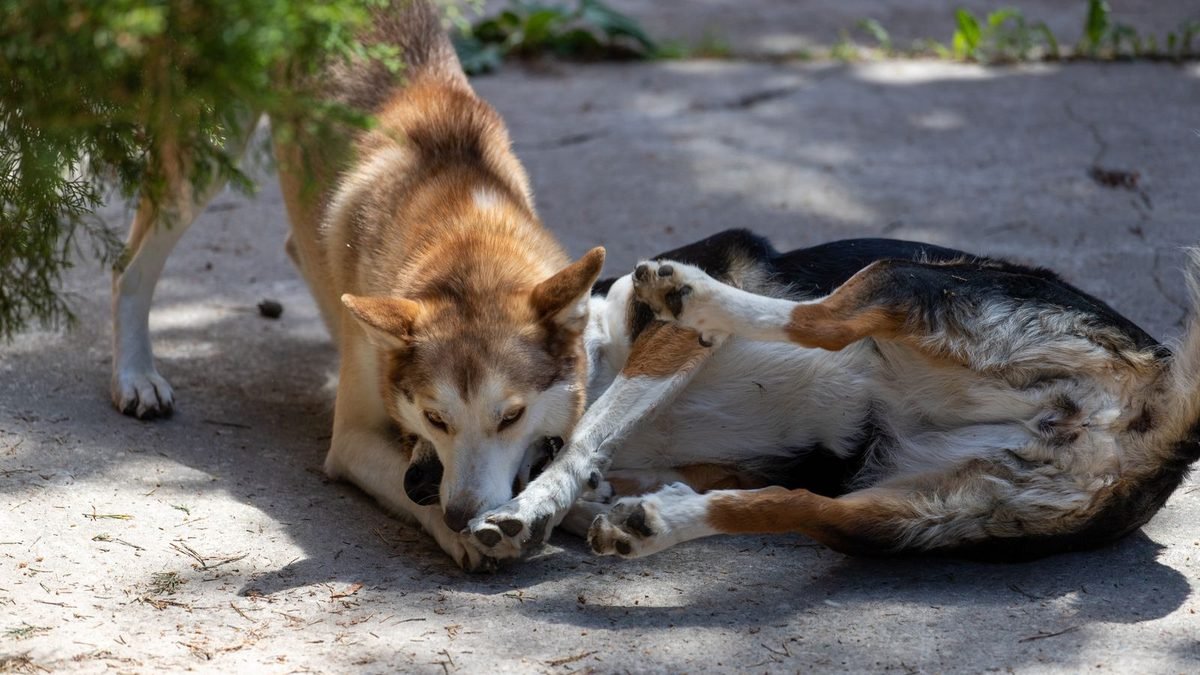
A few days after I first found the patch, I noticed a thin ring of bare skin around it. The fur had thinned where Milo had been licking, and a few loose hairs came away on my hand when I touched the area. It looked patchy and uneven, quite different from his normal thick coat. I remember feeling a fresh wave of worry when I saw it, because hair loss made the problem feel more serious than a simple itch — it was visible proof that the skin underneath was struggling.
4. Skin That Feels Warm to the Touch
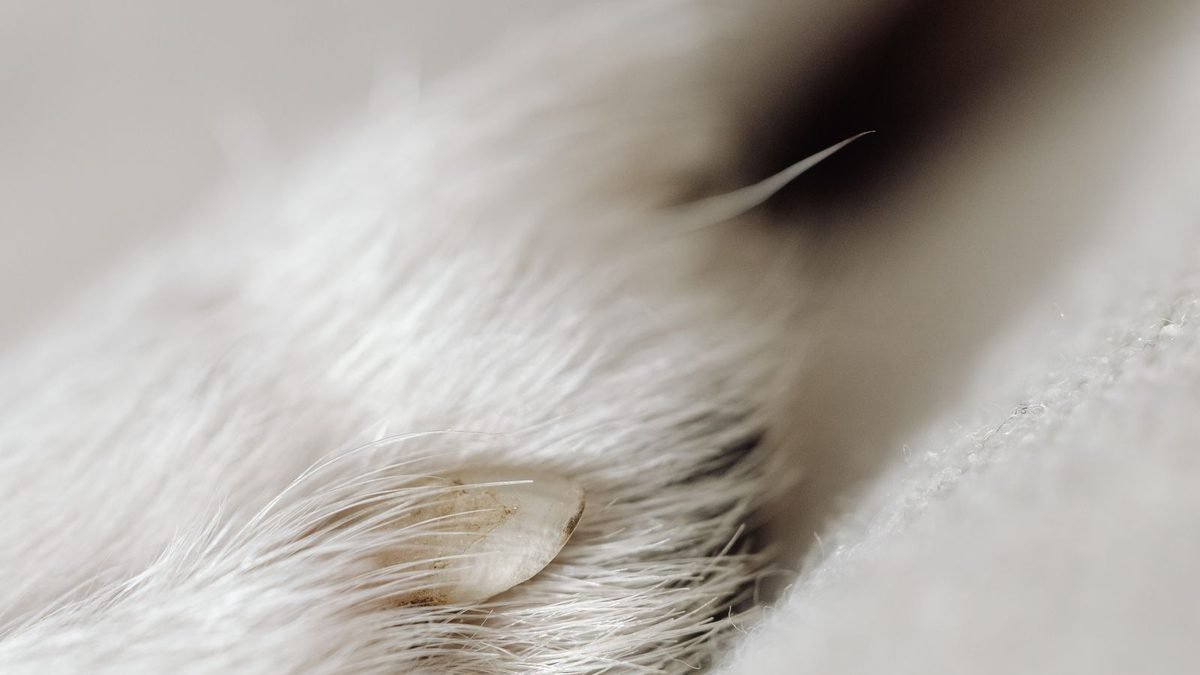
One evening, I rested the back of my hand on Milo’s side, first on the healthy skin near his shoulder and then on the sore patch. The difference was clear: the patch felt noticeably warmer. It was not hot like a fever, just warmer than the skin around it, and a little puffy. I had read that inflamed skin can feel warm, but feeling it with my own hand made it real in a way that reading never had. That simple comparison — sore skin against healthy skin — became my quickest daily check.
Use the back of your hand, which is more sensitive to warmth than your palm, and compare the patch with a nearby area of normal skin. If the patch feels warm, looks swollen, or seems painful when you touch it lightly, take that seriously. Milo flinched the first time I pressed too firmly, and I learned to be gentle. You are only gathering information, not testing how much pressure the spot can take.
5. An Unpleasant Smell Coming From the Spot
This is the symptom nobody warns you about, and the one I felt most awkward mentioning to the vet. A few days in, I noticed a faint, sour smell when Milo lay close to me, and it was strongest near the sore patch. It was not the normal warm smell of a dog’s coat. It was sharper and slightly sweet, and it clung to his bedding. I felt embarrassed even noticing it, but it turned out to be useful information — the vet nodded when I mentioned it, because a damp, irritated patch can develop an odour as the skin stays wet.
6. Scratching That Will Not Stop, Day or Night
Alongside the licking came the scratching. Milo would thump his back leg against the patch in the middle of the night, and the sound woke me more than once. During the day he scratched at it after meals, after walks, and whenever he was settling down to rest. It was not the casual scratch of a dog with a passing itch — it was urgent, repeated, and focused on one place. His nails left faint red lines around the patch, and I worried he was hurting himself more than the original irritation ever had.
7. A Change in Mood: Quiet, Restless, or Off His Food
The last symptom was the hardest to measure and the easiest to feel. Milo, who normally greets every meal like a celebration, began eating slowly and leaving food in his bowl. He slept more during the day but slept badly at night, shifting position every hour. On walks he was slower, less interested in other dogs, and quicker to lie down in the shade. Nothing dramatic happened — he did not collapse or cry — but the joyful, bouncy dog I knew had gone quiet, and that worried me more than the patch itself.
Trust your sense of your own dog. You know their normal appetite, energy, and sleep better than anyone, so a change in any of those is worth noting alongside the skin signs. When I was reading about hot spots on dogs symptoms treatment, I kept coming back to this point: the skin is only part of the picture. If your dog seems unusually tired, restless, or uninterested in food, mention it to your vet, because it helps them see the whole dog, not just the sore spot.
What to Check First When You Find a Hot Spot
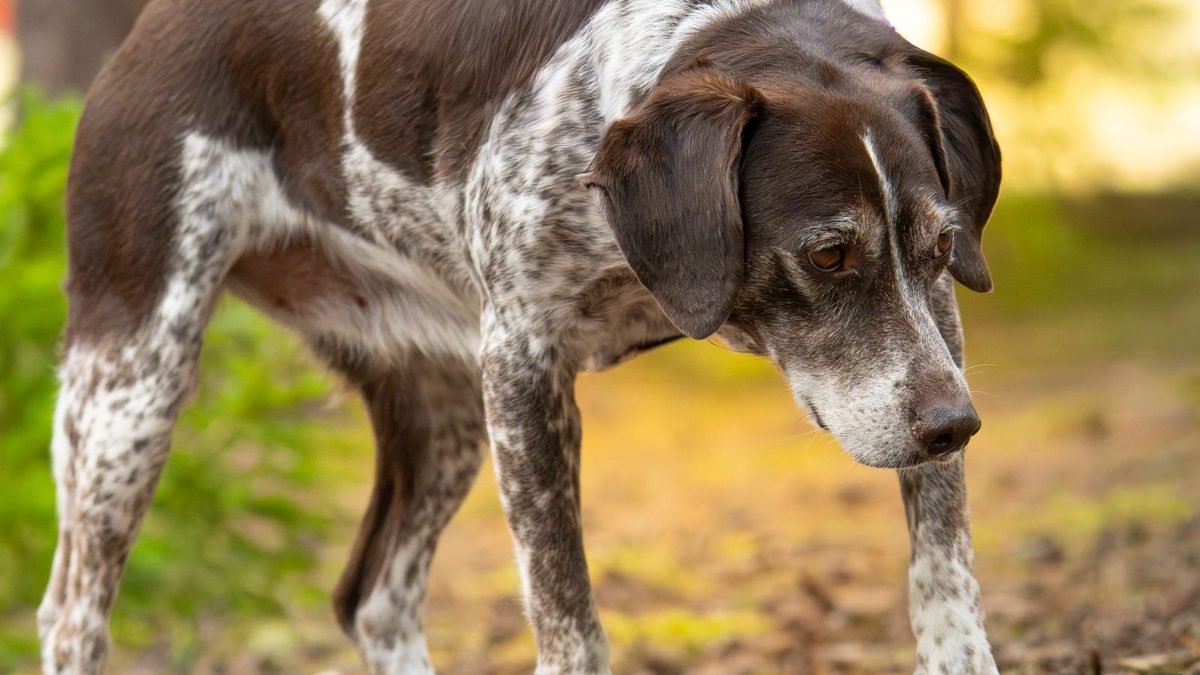
When you find a sore patch, it helps to slow down and work through a short check before you do anything else. I used to rush in and fuss over Milo, which only made him anxious. Now I sit with him calmly, give him a treat, and look at the area properly. A few minutes of careful checking gives you far more useful information than an hour of worrying, and it is exactly what a vet will want to hear when you call. This calm check is where good hot spots on dogs symptoms treatment begins: observe, note, and call your vet.
- How big is the patch, and is it growing? Compare it with a coin and take a dated photo.
- What does it look like — red, damp, swollen, or with any discharge?
- How does it feel — warm, tender, or painful when touched lightly?
- Is there a smell, and has the fur around it thinned or fallen out?
- Is there only one patch, or are there others hiding under the coat?
- Has your dog’s eating, drinking, energy, or sleep changed at all?

Hot Spots on Dogs Symptoms Treatment: General Care Steps That Helped Us
Once the vet had seen Milo and talked me through the plan, our daily routine became simple and calm. I am sharing the general steps that helped us, not as instructions for your dog, but so you can see what a sensible, vet-guided routine looks like. Every dog is different, and anything you do should be checked with your own vet first. For us, the biggest change was not any single step — it was the shift from panicking to following a steady routine, one day at a time. That routine, more than any single step, is what hot spots on dogs symptoms treatment meant for us.
- Keep the area clean and dry, and gently dry Milo’s coat after walks, swims, and baths.
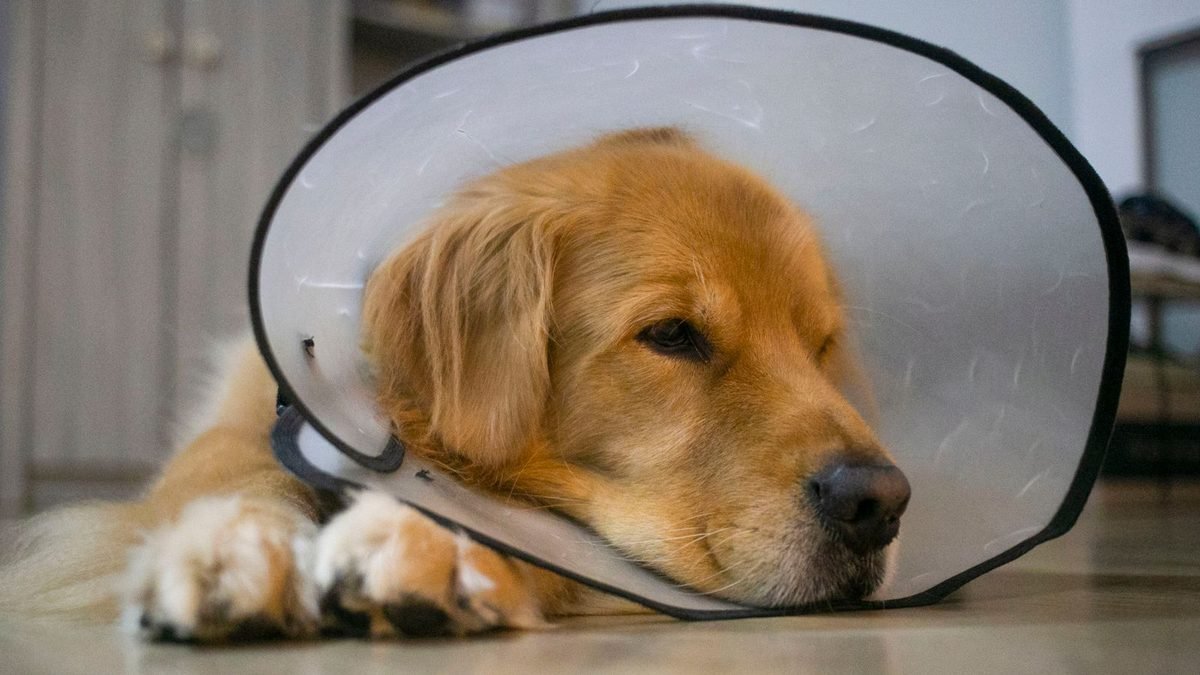
- Stop the licking cycle by using the protective measures your vet suggests, so the skin gets a chance to rest.
- Keep bedding fresh and clean, and brush out tangles so damp fur does not trap moisture against the skin.
- Watch the patch daily with a photo, and note any change in size, colour, smell, or Milo’s mood, and keep your hot spots on dogs symptoms treatment notes up to date.
- Keep walks calm and short while the skin is sore, and offer quiet play and company instead.
I also found it helpful to read more about skin care in general, and our earlier guide on home remedies for dog skin allergies helped me understand how itching, allergies, and sore skin are often connected. That wider picture mattered, because Milo’s hot spot was not an isolated event — it was part of how his skin reacted when something irritated it. Understanding the pattern helped me have a better conversation with the vet about what might be behind it. That wider picture is part of what makes hot spots on dogs symptoms treatment easier to follow at home.
What I Tried That Did Not Help
I want to be honest about my mistakes, because they are the reason this story about hot spots on dogs symptoms treatment might help you. My first instinct was to watch and wait, telling myself the patch would dry up on its own. It did not — Milo’s licking kept it wet, and it grew. My second mistake was fussing over it constantly, parting the fur every hour, which only irritated the skin and stressed Milo out. My third was searching for quick fixes online and nearly trying things I did not understand. Each wrong turn cost us days, and the patch was the one that paid for them.
What to Avoid
There are a few things I wish someone had told me on the first evening. Do not let your dog keep licking or scratching the patch, because that is what keeps the cycle going. Do not cover it with thick creams, powders, or anything scented without asking your vet, since trapping moisture against sore skin can make it worse. Do not bathe the area roughly or scrub it, and do not trim the fur around it with sharp tools at home. When I was learning about hot spots on dogs symptoms treatment, this was the hardest lesson: doing less, calmly and carefully, often helps more than doing a lot in a panic.
When to See a Vet
Call your vet the same day if the patch is growing fast, looks raw or open, has a strong smell, or seems painful. Call urgently if your dog is lethargic, will not eat or drink, or if the patch is on the face, near the eyes, or in a place that makes toileting difficult. I waited one night with Milo, and I regret even that — the vet was kind about it, but the patch had grown overnight. For a clear overview of hot spots on dogs symptoms treatment from a trusted source, the American Kennel Club’s guide to hot spots on dogs is a helpful read before your visit, and it can help you prepare good questions to ask.
How I Help Milo Now: Everyday Prevention Habits
These days, prevention is part of our ordinary routine rather than a special project. I dry Milo’s coat properly after every swim and rainy walk, because damp fur was one of the triggers we identified together with the vet. I brush him regularly so his thick coat does not mat, and I run my hands over his skin once a week, checking the hips, tail base, legs, and sides where hot spots like to hide. If I find a small itchy patch early, I note it as part of my hot spots on dogs symptoms treatment routine, watch it for a day, and call the vet if it does not settle.
- Dry the coat thoroughly after swimming, bathing, and rainy walks.
- Brush regularly to prevent matted fur trapping moisture against the skin.
- Do a weekly hands-on skin check, parting the fur in the places dogs can easily reach.
You can find more of our dog care stories on our blog, where we share what we learn from Milo.
Frequently Asked Questions
How fast can a hot spot appear? In Milo’s case, the patch seemed to appear overnight and looked worse by the next morning. That speed is common, because licking keeps the skin wet and the area can grow quickly. That speed is also why I started reading about hot spots on dogs symptoms treatment the same night. If you notice a new red patch, take a photo and check it again the next day.
Final Thoughts: What I Wish I Had Known
If I could go back to that first evening, I would tell myself three things: look sooner, write it down, and call the vet earlier. The patch was not my fault, and it is not yours either — hot spots happen to careful owners and well-loved dogs. What matters is what you do next. Trust your hands, trust what you know about your dog, and ask for help early. Milo is back to his cheerful, food-loving self now, and every time he flops down for a nap in his favourite sunny corner, I am quietly grateful for everything hot spots on dogs symptoms treatment taught me.
This article is for general information only and is not veterinary advice. Always consult a licensed veterinarian for your dog’s health.