

When I first brought my chihuahua home, she fit in one hand, and the first question I asked was the one every tiny-dog owner asks: how long can a chihuahua live? I wanted years of morning cuddles, evening walks, and that fearless little shadow following me from room to room. The short answer is reassuring: most chihuahuas live 14 to 16 years, and some reach 20. But that number hides real differences between dogs, studies, and everyday choices. In this guide, I explain what the research actually says about how long chihuahua live, why one UK study reports 11.8 years, and what you can do to give your little companion the longest, healthiest life possible.
This article is for general information only and is not veterinary advice. Always consult a licensed veterinarian for your dog’s health.
Key Takeaways
- The short answer to how long can a chihuahua live is 14–16 years on average, with a full range of about 12–20 years, and a few chihuahuas live even longer.
- A 2024 UK study found a median lifespan of 11.8 years. A median from vet records is not the same thing as the 14–16 year average in breed guides, so the two numbers describe different things.
- Chihuahuas usually outlive large dogs by several years, thanks to their small size, slower ageing, and long history as companion dogs.
- Heart disease, dental disease, tracheal collapse, kneecap problems, and low blood sugar in puppies are the health issues most often linked with a shorter life.
- Everyday care matters most: a healthy weight, regular vet checkups, gentle daily exercise, dental care, and a safe home give your chihuahua the best chance of a long life.
How Long Can a Chihuahua Live?
The honest answer is that most chihuahuas live between 14 and 16 years. Dogster, whose lifespan guide was reviewed by a veterinarian and updated in October 2026, gives the same range, and adds that some chihuahuas can live longer. Dog Mental Health agrees on 14–16 years as the typical range, and puts the full range at about 12 to 20 years. So how long can a chihuahua live in real life, not just on paper? For a healthy, well-cared-for dog, planning for the mid-teens is realistic, and reaching 17 or 18 is not unusual.
That long life is one of the reasons I chose this breed. When I did the sums, I realised I was not signing up for a few years of companionship but for a friendship that could last through my children’s school years and beyond. A chihuahua is a small dog with a very long runway, and that changes how you think about training, routines, and the promises you make to a puppy. It also means that how long can a chihuahua live depends on more than luck: genes set the starting point, but weight, teeth, safety, and regular vet care shape the rest.

Why Do Chihuahuas Live So Much Longer Than Big Dogs?
Big dogs age faster than small dogs, and nobody fully understands why. The usual explanation is that large breeds grow very fast as puppies, and that rapid growth seems to wear their bodies out sooner. Their cells divide more often, their hearts work harder to move blood around a bigger body, and age-related problems tend to arrive earlier. A chihuahua, by contrast, grows slowly into a tiny adult body, and that slower pace seems to buy extra years.

The contrast with large breeds is striking. Golden retrievers, for example, live about 10 to 12 years — a wonderful, full life, but roughly four years shorter than a chihuahua’s typical span. You can read the full numbers in our guide to how long golden retrievers live. The difference is not about love or care; it is about size, growth speed, and how quickly the body ages. Small dogs simply tend to run on a slower clock.
How Long Chihuahua Live Compared to Other Small Breeds?
Chihuahuas are not the only small dogs with long lives, but they sit near the top of the group. When I compared how long can a chihuahua live next to other popular small breeds, the pattern was clear: most toy and small breeds live into their early-to-mid teens, and the chihuahua’s 14–16 years is among the best of them. The table below gives the typical lifespan ranges published by breed guides such as the American Kennel Club, along with adult weight for scale.
| Breed | Typical lifespan | Typical adult weight |
|---|---|---|
| Chihuahua | 14–16 years | 2–6 pounds |
| Yorkshire Terrier | 11–15 years | 4–7 pounds |
| Maltese | 12–15 years | 4–7 pounds |
| Pomeranian | 12–16 years | 3–7 pounds |
| Shih Tzu | 10–18 years | 9–16 pounds |
| Miniature Dachshund | 12–16 years | Up to 11 pounds |

Two things stand out in that table. First, the smallest dogs are not automatically the longest-lived: the Shih Tzu can reach 18, while the Yorkshire Terrier usually stops at 15. Second, every one of these breeds is a good fit for smaller homes, which is one reason small dogs are so popular with flat-dwellers. If you live in an apartment, our guide to the best dog breeds for apartments can help you compare them on more than lifespan alone.
If you would like something a little bigger than a chihuahua, the middle of the size range is worth a look too. Medium dog breeds usually live a little less long than toy breeds, but they often bring a sturdier, more easy-going temperament. For my family, though, the chihuahua’s size was part of the charm: a dog I could carry up the stairs in old age, and a companion who fitted neatly into every corner of our home.
What Is the Average Lifespan of a Chihuahua at Each Life Stage?
A chihuahua’s life is not one long, even stretch; it has distinct stages, and each one brings different needs. At each stage, how long can a chihuahua live is shaped by the care it gets in that moment: a puppy protected from falls and chills, an adult kept lean and active, and a senior whose aches are noticed early. Dogster’s guide puts the senior stage at around 7 to 10 years, which is earlier than many owners expect.
| Life stage | Approximate age | What matters most |
|---|---|---|
| Puppy | Birth to 12 months | Gentle handling, regular small meals, early vet checkups, and socialisation |
| Adult | 1 to 7 years | Healthy weight, daily play, dental care, and regular vet checkups |
| Senior | 7 years and older | Softer routines, ramps or steps, comfort, and more frequent vet checkups |

The puppy stage is the most fragile, even though puppies look fearless. Very small chihuahua puppies can develop low blood sugar, especially if they miss meals or get cold or overtired, and they are easily hurt by falls that a bigger puppy would shake off. I learned to keep my puppy close, to feed her little and often, and to treat every tumble seriously. Those early months set the foundation for everything that follows.
The adult years are the easy, golden middle of a chihuahua’s life. This is when your dog is at its brightest and boldest, and when good habits pay off most. A lean adult with clean teeth, regular walks, and a calm routine is building the reserves it will need later. The senior years, from about seven onwards, are when I started to notice small changes: longer naps, greyer fur, and a little less bounce on the stairs. None of it was dramatic, but it was my cue to slow down with her.
Why Does One UK Study Say 11.8 Years?
If you have searched this question before, you may have seen a very different number: 11.8 years. That figure comes from a 2024 UK study of vet records, reported by Dog Mental Health, which found a median lifespan of 11.8 years for chihuahuas in the UK. An earlier UK study, using records from 2020, found an even lower median of 8.2 years. Those numbers look alarming next to 14–16 years, but they are not measuring the same thing, and understanding the difference matters.
The key word is median. A median is the middle value: half the dogs in the records lived longer than 11.8 years, and half lived less long. Vet records also include dogs who died very young, from accidents or illness, and dogs whose owners never brought them back for later visits. Breed guides, on the other hand, usually describe the age a healthy, well-cared-for dog can be expected to reach. Both numbers can be true at once, because they answer different questions.
There is another honest point to make. The UK figures are based on the dogs that vets actually saw, in one country, in particular years. They include dogs from all kinds of homes and breeders, not only the healthiest ones. That does not change how long can a chihuahua live in your home, with good care and regular checkups — but it is a useful reminder that averages are not promises. The 14–16 year range is the fairest summary of what a healthy chihuahua can reach; the 11.8-year median is a reminder of how much the starting point matters.
Do Apple-Head and Deer-Head Chihuahuas Live Different Lengths?
You will often hear chihuahuas described as apple-head or deer-head. The apple-head has the rounded, dome-shaped skull in the breed standard, while the deer-head has a longer muzzle and a flatter skull, more like a tiny deer. It is a natural question to ask whether one type lives longer, but the honest answer is that no reliable study I could find shows a lifespan difference between the two head shapes.
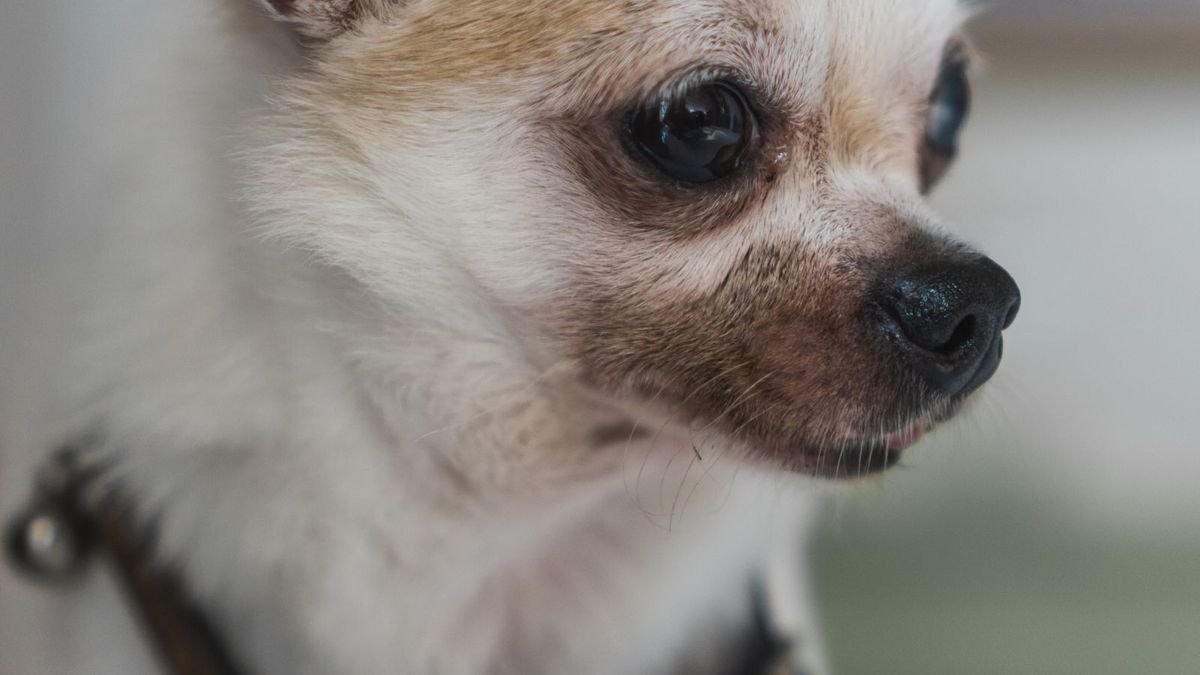
What the sources do say is that extreme head shapes are worth being careful about. Dog Mental Health advises choosing stable health over an extreme head shape, and that advice rings true to me: a very domed skull or a very short muzzle can come with extra health problems, whatever the dog is called. When I look for a chihuahua, I look for clear eyes, easy breathing, and a calm, sturdy build — not for the roundest head or the longest face.
What Affects How Long Can a Chihuahua Live?
Genes set the range, but daily life decides where inside that range a chihuahua lands. When I looked at what the guides agree on, the same factors came up again and again: nutrition, environment, size, sex, genes, breeding history, and healthcare. Dogster lists all of these as influences on lifespan, and my own experience matches the list. The biggest influence on how long can a chihuahua live is not any single trick; it is the steady accumulation of small, good choices.
| Factor | Tends to lengthen life | Tends to shorten life |
|---|---|---|
| Weight | Lean, healthy weight | Obesity |
| Vet care | Regular checkups | Skipped checkups and untreated problems |
| Teeth | Regular dental care | Untreated dental disease |
| Activity | Gentle daily play and walks | Very little activity |
| Safety | Supervised time outdoors | Falls, traffic, and encounters with larger dogs |
| Breeding | Health-checked parents | Poor breeding and extreme features |
| Comfort | Warmth, routine, and rest | Cold, stress, and rough handling |
Breeding history deserves a special mention, because it is the one factor you cannot change after you bring a puppy home. A chihuahua from health-checked parents, raised in a clean, calm home, starts life with a real advantage. A puppy from a breeder who cuts corners may look the same on the day you meet it, but the hidden costs can appear years later. If you are still choosing, take your time, meet the parents if you can, and ask questions about health.
What Health Problems Affect a Chihuahua’s Lifespan?
Chihuahuas are generally hardy little dogs, but they have their weak spots, and knowing them helps you spot trouble early. Heart disease is the most serious of them: Dog Mental Health reports that heart disease was the leading cause of death in older chihuahuas, accounting for nearly one in five deaths, at a median age of 13 years. In my view, heart disease is the single biggest threat to how long can a chihuahua live, which is why I never skip a vet checkup.
Dental disease is the most common problem of all. Dog Mental Health found it was the most frequently recorded disorder in young chihuahuas, affecting about one in six dogs under two years old, and about one in five dogs aged two to four. Small mouths crowd small teeth, and that crowding traps plaque. A dog with sore teeth eats less well and may carry low-grade infection for years, so dental care is not cosmetic — it is part of lifespan care.
The other problems to know about are tracheal collapse, which can cause a honking cough; luxating patella, where the kneecap slips out of place; and low blood sugar in very young puppies, which can come on quickly if a puppy misses a meal or gets chilled. Dogster also lists hydrocephalus, eye problems, and bladder or kidney stones among the conditions seen in the breed. None of these is a reason to panic — most chihuahuas never face most of them — but all of them are reasons to keep up regular vet visits and to ask questions early.
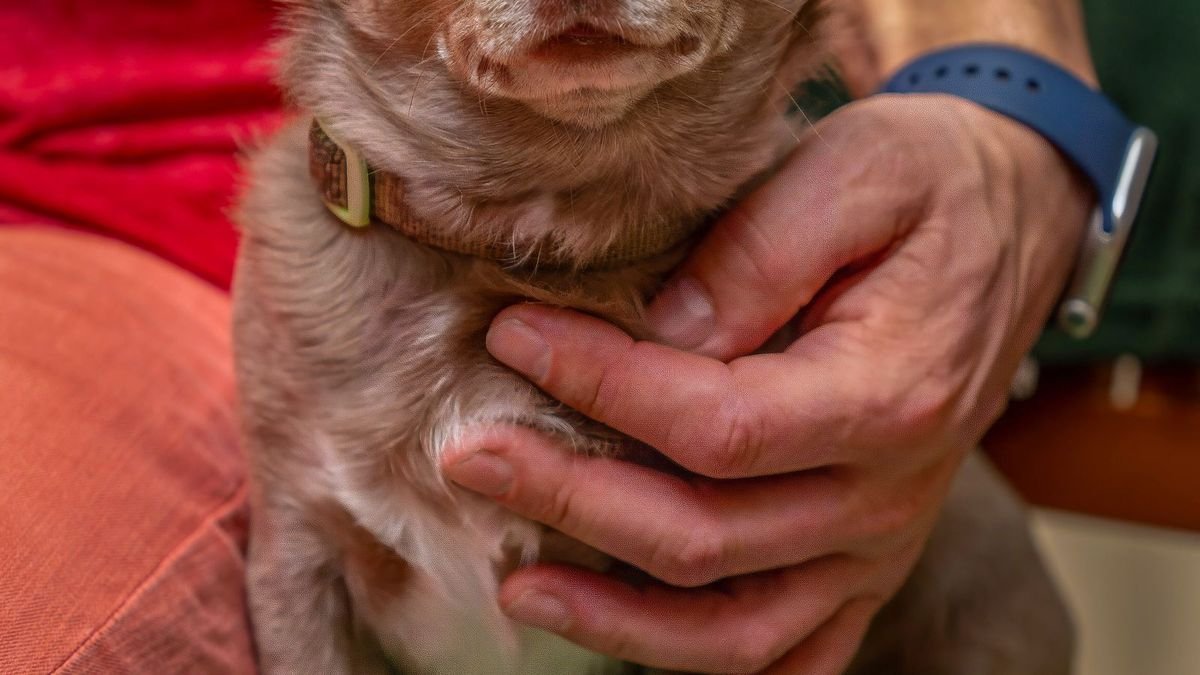
Routine vet checkups are the best place to catch these problems early. The photo below shows a small dog having a routine vet checkup — a reminder of what those visits look like, and why they matter for tiny breeds too.

Accidents deserve a mention of their own. Dog Mental Health reports that trauma was the leading cause of death in chihuahuas under one year old, accounting for about 13.8% of deaths in that age group. Chihuahuas are tiny and fragile, and a fall from a sofa, a step on a small puppy, or an encounter with a much larger dog can be serious. Keeping a young chihuahua close, supervised, and on the ground rather than on high furniture is one of the simplest ways to protect its life.
How Can I Help My Chihuahua Live Longer?
There is no secret to a long chihuahua life, and I am glad about that. The daily habits that decide how long can a chihuahua live are ordinary ones, repeated for years: a healthy weight, regular vet checkups, gentle exercise, clean teeth, and a safe, warm home. None of them needs special equipment or expert skill, and all of them are within reach of any owner.
Weight comes first, because it is the easiest thing to get wrong with a dog this small. A few extra treats are a much bigger share of a chihuahua’s daily food than they would be for a large dog, so I measure her meals and count treats as part of them. A lean chihuahua moves more easily, breathes more easily, and puts less strain on its knees and heart. If you are unsure whether your dog is at a healthy weight, your vet can tell you in seconds.
Exercise should be gentle and regular: short walks, indoor play, and sniffing time in the garden. Chihuahuas do not need long hikes, and they chill easily, so I keep walks short in cold weather and always have a warm spot waiting at home. For families, chihuahuas can be wonderful companions for children who are old enough to handle a tiny dog gently — our guide to the best family dog breeds has more on matching a breed to family life.

Dental care is the habit most owners skip, and the one I most wish I had started earlier. Brushing, dental chews, and professional cleaning when your vet advises it all help. I also keep her world safe: baby gates at the top of stairs when she was a puppy, a harness instead of a collar that pulls on her throat, and a warm blanket on cold nights. Small comforts add up over fourteen or more years.
What Does Senior Chihuahua Care Look Like?
Around the age of seven, my chihuahua began to slow down in small, tender ways. She still raced to the door when I came home, but she napped longer, and she preferred the sunny rug to the long walk. Knowing how long can a chihuahua live helps me plan for these years rather than fear them: the senior stage is not the end of the story, it is a long chapter of its own, and it can last for years.

Senior care is mostly about comfort and attention. I added a ramp to her favourite chair, kept her bed warm and draught-free, and switched to shorter, more frequent walks. Her vet visits became more regular, and I learned to watch for the small changes — drinking more, eating less, or hesitating at stairs — and to mention them at checkups instead of waiting. A senior chihuahua still wants the same things as ever: your lap, your voice, and a predictable routine.
Normal Ageing or a Red Flag? What Should I Watch For?
It can be hard to tell the difference between normal ageing and a problem that needs a vet. Slower walks, greyer fur, and longer naps are all normal in an older chihuahua. But some changes are worth a prompt vet visit: a cough that does not settle, breathing that seems laboured, a sudden loss of appetite, drinking much more than usual, or a leg that is suddenly painful. You know your dog’s normal better than anyone, and that knowledge is a real health tool. Trust it, and use it early — the earlier a problem is spotted, the more options your vet has.

The Bottom Line: How Long Can a Chihuahua Live?
When I look at my own little dog now, how long can a chihuahua live feels less like a statistic and more like a promise I make every day. Most chihuahuas live 14 to 16 years, some reach 20, and the UK median of 11.8 years reminds me that the starting point is not the same for every dog. What I can control is the daily care: a lean body, clean teeth, regular checkups, gentle exercise, and a safe, warm home.
If you are thinking of bringing a chihuahua into your life, go in with your eyes open. You are choosing a companion for the long haul — a dog who may share your home for a decade and a half or more. That is a big commitment, and it is also a wonderful one. Give your chihuahua the steady, loving care described in this guide, and you give it the best possible chance of a long, happy life by your side. That long companionship is exactly what owners mean when they ask how long can a chihuahua live, and it is worth planning for.
Frequently Asked Questions About Chihuahua Lifespan
How long do chihuahuas live on average?
Most chihuahuas live 14 to 16 years on average, with a full range of about 12 to 20 years. A healthy, well-cared-for chihuahua reaching 17 or 18 is not unusual, and a few live even longer. That 14 to 16 year average is the number to remember when you ask how long can a chihuahua live.
How long can a chihuahua live in human years?
There is no exact conversion between dog years and human years, so how long can a chihuahua live in human years is really a question about ageing, not a number. Age charts that convert dog age to human age put a 15-year-old small dog at roughly 83 human years — a useful picture of just how long a chihuahua’s life really is, but only a rough guide.
Do female chihuahuas live longer than males?
In many dog studies, females tend to live slightly longer than males, and the same pattern is often reported for chihuahuas. The difference is small, and it is not a reason to choose one sex over the other — temperament and health matter far more. Sex makes only a small difference to how long can a chihuahua live, and it should never decide which puppy you choose.
What is the oldest chihuahua ever?
Reports of chihuahuas living past 20 appear from time to time, and some owners claim ages of 21 or more, but these extreme ages are hard to verify and are not typical. The realistic expectation for a healthy chihuahua is 14 to 16 years, with 17 to 20 as an exceptional, but possible, upper range.
Do chihuahuas live longer than other small dogs?
Chihuahuas are among the longest-lived small breeds, at 14 to 16 years, but they are not alone at the top. Pomeranians and Miniature Dachshunds have similar ranges of 12 to 16 years, and some Shih Tzus reach 18. The chihuahua’s advantage is real, but small — good care matters more than the breed on the label.
Sources
- Dogster — “How Long Do Chihuahuas Live? Average Lifespan, Data & Care Guide” by Nicole Cosgrove, reviewed by Dr. Paola Cuevas, updated October 12, 2026. dogster.com
- Dog Mental Health — “Chihuahua Lifespan: How Long Do Chihuahuas Live?” dogmentalhealth.com
- American Kennel Club — “Chihuahua Dog Breed Information” akc.org
This article is for general information only and is not veterinary advice. Always consult a licensed veterinarian for your dog’s health.