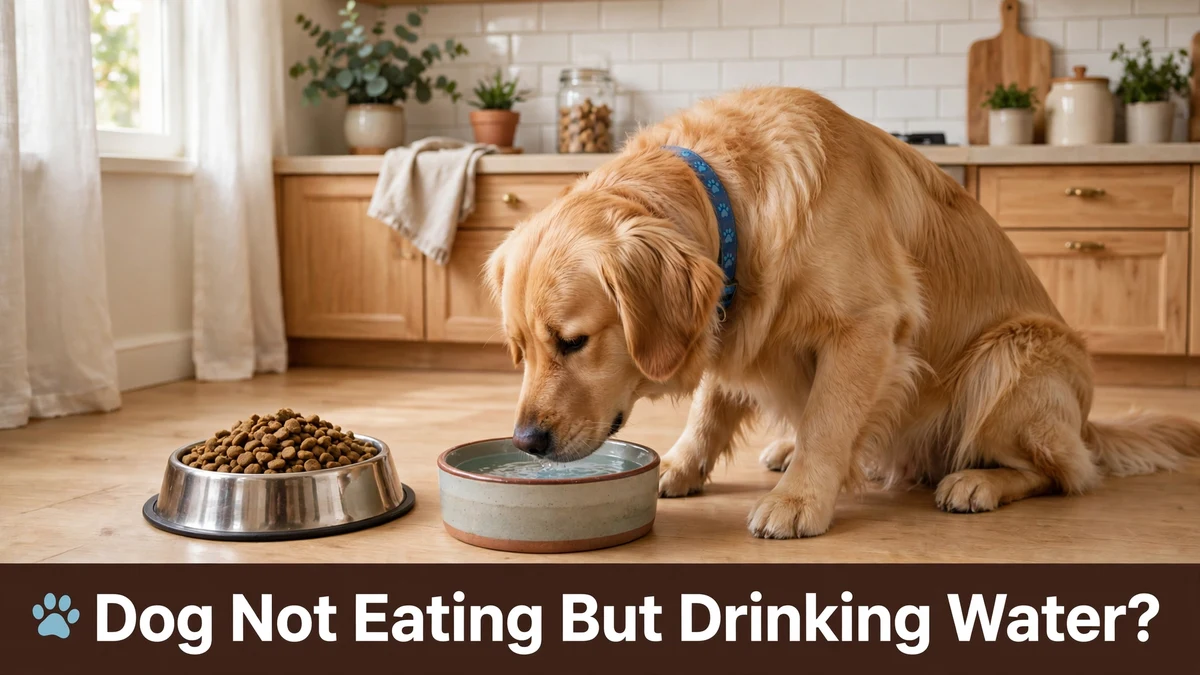
It was a Tuesday evening, and I was standing in my kitchen with my dog Bruno’s bowl in my hand, wondering what had changed. He had walked past his food without even sniffing it, then gone straight to his water bowl and drunk as if he had been out in the sun all day. That was the first time I typed why is my dog not eating but drinking water into my phone, and I remember how shaky my hands felt. I loved him, I was worried, and I had no idea whether I was overreacting or missing something important.
Bruno is a big, gentle dog who usually hears his bowl from the other room. He is not the kind of dog who leaves food behind, so when he did, I noticed it straight away. I sat on the kitchen floor with him for a while, just watching. He was not hiding, he was not crying, and he still wagged his tail when I said his name. He simply did not want his food. That calm, ordinary behaviour made the whole thing harder to read, because nothing about him looked dramatic, yet something was clearly different from his normal self.
I wrote this article because I wished someone had talked me through that evening in plain, honest words. I am not a vet, and this is my own story, not a guide to anyone else’s dog. What I can share is what I noticed, what I tried at home, the questions I asked myself, and the moment I decided to call for professional help. If your dog is doing the same thing right now, I hope my evening with Bruno helps you feel a little less alone, and a little clearer about what to watch next.
If you are asking why is my dog not eating but drinking water right now, you are not alone, and a calm step-by-step look at the evening usually shows what changed.
This article is for general information only and is not veterinary advice. Always consult a licensed veterinarian for your dog’s health.
What I Noticed First, and Why I Did Not Panic Straight Away
The first thing I did was slow down and look at Bruno properly, instead of jumping to the worst thought in my head. I checked his water bowl, and it was fresh and clean. I looked at his eyes, his nose, and the way he was lying down. He was relaxed, his breathing looked normal to me, and he lifted his head when I walked past. Nothing about him shouted an emergency, and that small bit of calm gave me room to think instead of rushing around the kitchen in a hurry.
Then I went back over our day, the way you replay a film in your head when you cannot sleep. We had been out in the garden, he had played with his ball, and he had greeted the postman with his usual excitement. His food was the same as always, from the same bag, and his bowl was in its usual place. I could not find one clear reason, and that was what worried me most. When a dog changes a habit without an obvious cause, your mind fills in the gaps, and most of those gaps are not kind.
What helped me most in that first hour was writing a few short notes on my phone. I wrote down what time he last ate properly, how much water he seemed to be drinking, and how he was behaving. I did not try to score anything or make a chart. I just wanted a simple record I could look back on, and something clear to share if I needed to talk to a vet later. That little habit turned a worrying evening into something I could actually follow, hour by hour, instead of guessing.
My quiet tip: Before you change anything, just watch for a while. Note how your dog moves, rests, drinks, and reacts to you. A calm, clear picture of a normal evening, or a strange one, is worth far more than a dozen worried guesses made in a hurry.
Why Is My Dog Not Eating But Drinking Water? 7 Reasons I Learned to Look For
Once I had calmed down a little, I started to work through the possible reasons in my head, one by one. I did not want a long list of scary ideas. I wanted simple, everyday reasons that could explain a dog who still drinks water but turns away from food. The seven reasons below are the ones that made sense to me that night, and the ones I kept coming back to as I watched Bruno. They are not a diagnosis, and they are not meant to fit every dog. They are simply the places I learned to look first.
1. A Sore Mouth Made Chewing Uncomfortable
This was the first reason that crossed my mind, because drinking is easy and chewing is not. Bruno lapped at his water without any trouble, but the thought of crunching his food seemed to put him off. I lifted his lip very gently and looked at his teeth and gums, just to see if anything looked sore or different. I am no expert, and I did not poke or press anything. I only wanted to know whether his mouth looked comfortable, and it was a small check that gave me something useful to mention later.
What stayed with me was how normal he looked from the outside. He was not drooling, he was not pawing at his face, and he still took a treat from my hand and held it for a moment before dropping it. That told me the problem, if it was his mouth at all, was not something loud and obvious. A dog can still be thirsty and still want to be near you, even when eating feels uncomfortable. I kept that in mind, and I stopped offering him his usual food for the rest of the evening so I would not keep testing the same sore spot.
2. His Stomach Seemed Unsettled
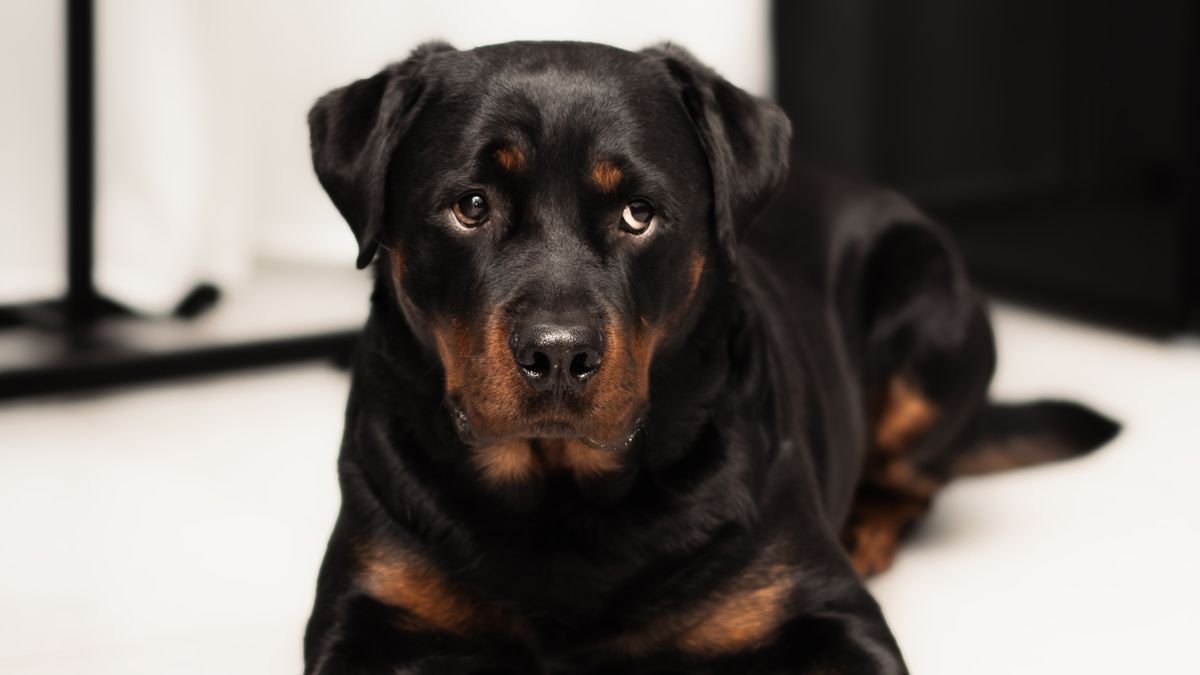
The second reason was an unsettled stomach. Bruno had been fine in the morning, but by evening he seemed quieter in his belly, if that makes sense. He lay down more than usual, he curled up in his bed, and he did not follow me into the kitchen the way he normally does. He was still drinking, though, and that was the part that confused me. I had always thought a dog with an upset stomach would refuse everything, but Bruno showed me that drinking and eating are two different things for a dog.
I thought back to anything different he might have picked up during the day. He had been in the garden, he had sniffed around the bins, and he had found a fallen piece of fruit under the tree. I could not prove that any of it mattered, and I did not want to guess. What I did notice was that he was not restless, and he was not asking to go out more than usual. He just seemed to want rest, water, and a quiet corner, so that is what I gave him, and I watched to see whether his mood lifted on its own.
3. Stress After a Change at Home
The third reason took me longer to see, because it had nothing to do with food at all. Our day had not been a normal day. A friend had visited with her children, the house had been louder than usual, and the vacuum cleaner had been out twice. Bruno loves people, but he is a sensitive dog, and a busy house can wear him out in a way I do not always notice. By the time the house went quiet, he was tired in a deep, worn-out way, and his food was the last thing on his mind.
I have learned since then that dogs feel changes in a home far more than we think. A new piece of furniture, a guest staying over, a loud storm, or a change in who walks them can all leave a mark. Bruno did not need to be frightened to be affected. He only needed a day that felt different from his usual rhythm. That evening, he drank his water, found his favourite spot on the rug, and settled there as if the whole house had finally stopped moving. I sat with him, kept things calm, and let the evening stay quiet.
4. He Was Hot and Tired After a Warm Day
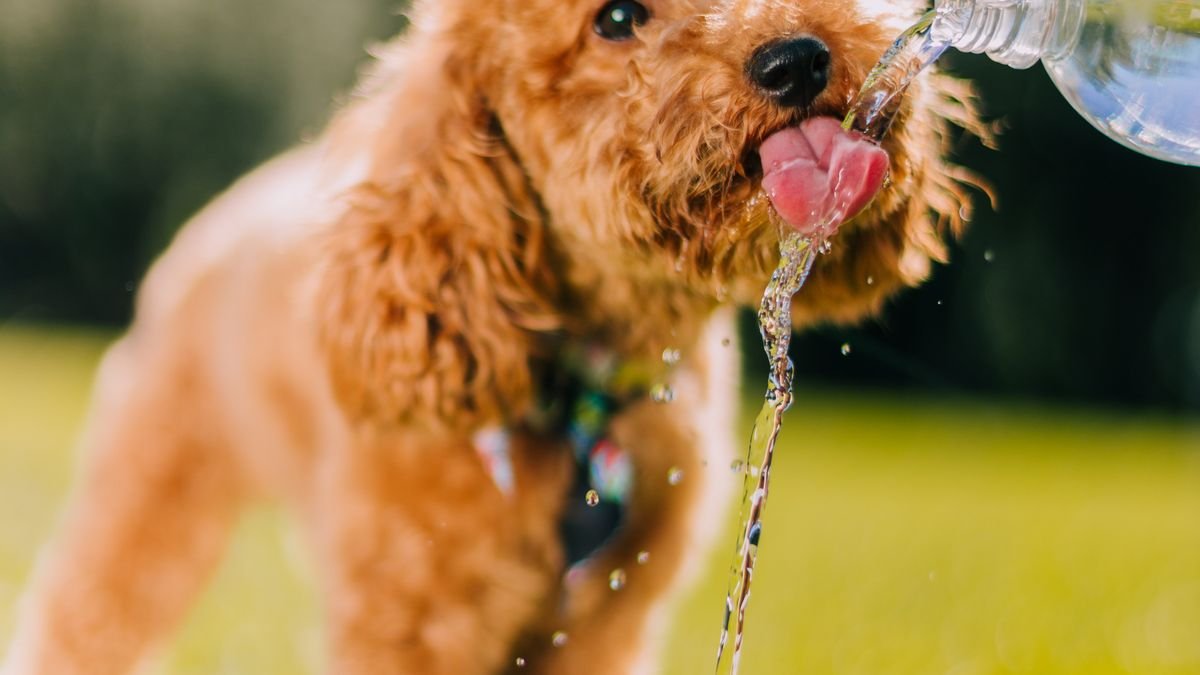
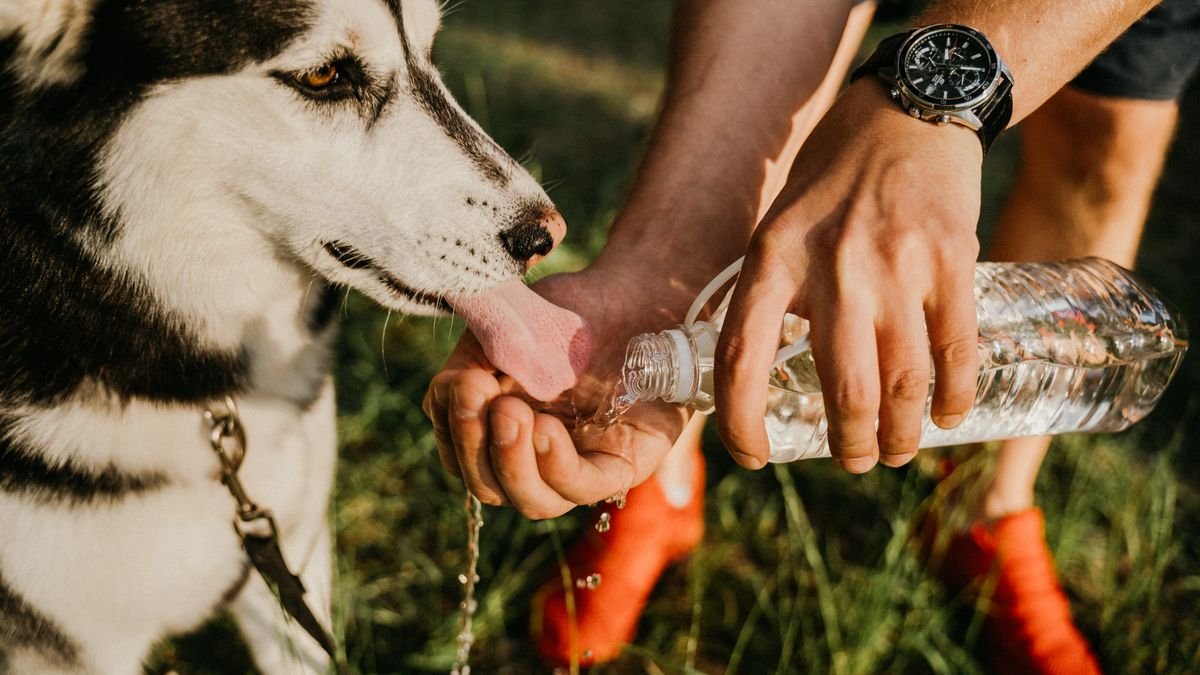
The fourth reason was the weather, and it was staring me in the face. That day had been warm, the sun had been on our garden all afternoon, and Bruno had spent a long time outside chasing his ball. When he came in, he went straight for his water bowl and drank for a long time. His food could wait, as far as he was concerned. Heat can take the edge off a dog’s appetite in the same way a hot day can take the edge off ours, while thirst stays strong.
I moved his bed into the cooler part of the house, left his water where he could reach it easily, and let him rest in the shade of the hallway. I did not fuss over him or keep offering food every few minutes. That evening I kept wondering why is my dog not eating but drinking water when he was clearly so thirsty, and the warm day gave me a simple answer that fitted what I could see. Later, when the house had cooled down, he wandered back to his bowl on his own, which told me more than any guess of mine could.
5. He Simply Did Not Like the Food That Day
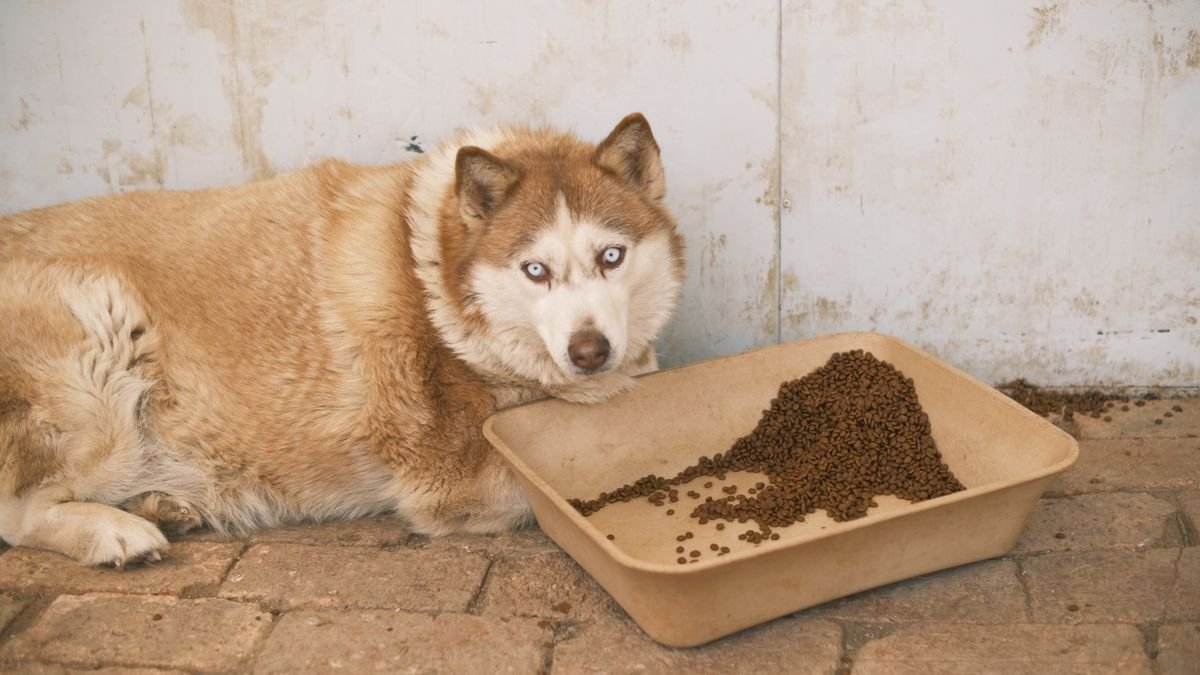
The fifth reason was the simplest one, and the one I felt silliest about. Bruno did not like his food that day. I had opened a new bag, and although it was the same kind he always had, it smelled different to me, and his bowl had been washed with a new soap. He sniffed the bowl, looked at me, and walked away. I asked myself why is my dog not eating but drinking water if the food was the same as yesterday, and then I realised that to Bruno, it was not the same. It reminded me of the American Kennel Club’s piece on a dog that won’t eat kibble.
Dogs notice small changes in smell and taste that we miss completely. A bowl that still smells of soap, a bag that has been open for a while, or a new batch can all be enough to put a dog off. I did not throw his food away, and I did not rush out to buy something new. I rinsed his bowl with plain water, put his usual food back in it, and left it where he could find it. When he was ready, he went back and ate a little, in his own time, which was all I needed to see.
6. He Had Already Filled Up Earlier in the Day
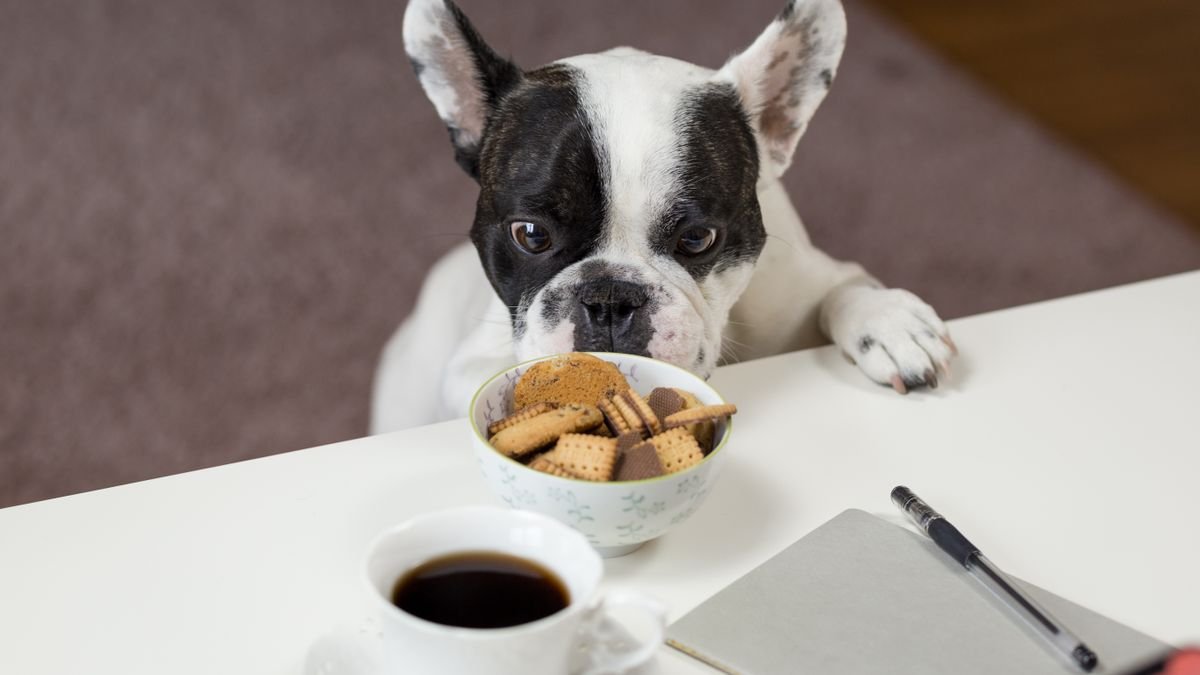
The sixth reason came out over dinner, when my brother admitted he had given Bruno a few treats while I was out. My mother had done the same, and a neighbour had slipped him a biscuit over the fence. None of us had meant any harm, and Bruno had happily accepted every single one. By the time his proper food was put down, he was simply not hungry. He was still thirsty, though, because treats and a busy day had left him wanting water, not another bowl of food.
That night taught me how easy it is for a dog to fill up without anyone noticing. In a busy family, everyone thinks they are the only one giving a treat, and the dog never complains. I started asking everyone at home to tell me if they had given Bruno anything, and I wrote it in the same little note on my phone. It was not about blame, and it was not about rules. It was about knowing what had already gone into his day before I worried about what had not.
7. Age and a Slower Pace of Life
The seventh reason came from thinking about my parents’ old dog, Max, who lived to a grand old age and slowed down in ways I still remember. In his last years, Max slept more, walked more slowly, and took far less interest in his food than he once had. He still drank his water, still came to greet us, and still loved a gentle scratch behind his ears. His days had simply become quieter, and his appetite had quietened with them.
Bruno is not old yet, but thinking about Max helped me see how age changes the way a dog eats and rests. I have since read about the early warning signs of dog dementia, which helped me understand the changes I had seen in Max. An older dog may sleep more, move less, and not rush to the bowl the way a young dog does. If you care for a senior dog and find yourself asking why is my dog not eating but drinking water, remember that a slower pace can be part of growing older. What matters most is noticing a change from your own dog’s normal pattern, and taking that change seriously.
Why Is My Dog Not Eating But Drinking Water and When I Called My Vet
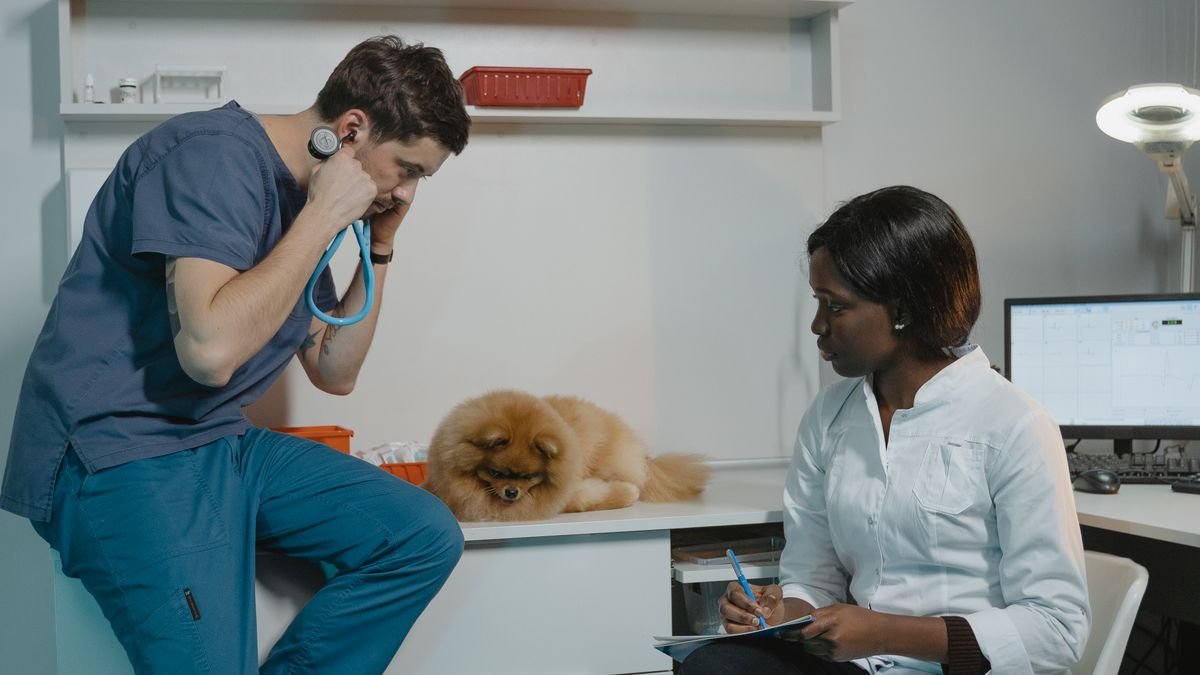
By the next morning, Bruno had eaten a little, but he was still quieter than usual, and I did not want to keep guessing. I called my vet and talked through my notes, the same simple notes I had made the night before. I told them he was drinking, that he had eaten a little, and that he seemed tired. I asked myself again why is my dog not eating but drinking water, and I knew I needed a professional to help me understand what I was seeing, rather than working it out alone. I had also read the American Kennel Club’s guide to common causes of loss of appetite in dogs before I called.
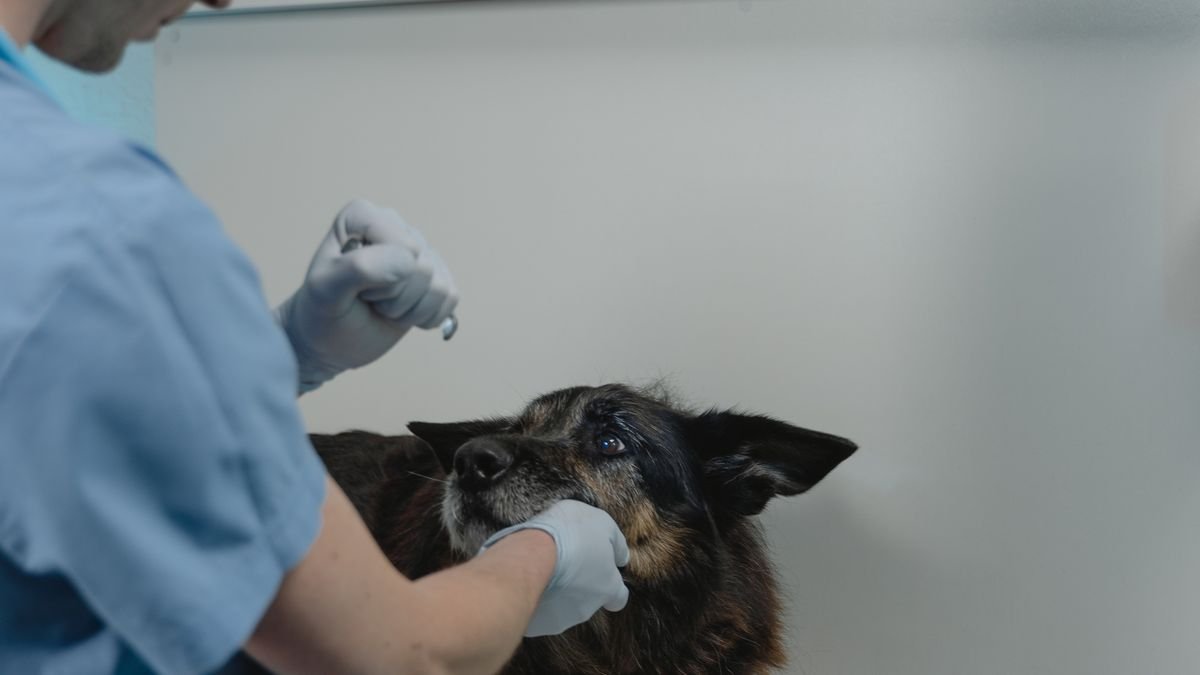
The visit itself was calmer than I had feared. The vet listened, looked Bruno over, and asked me gentle questions about his day, his habits, and what had changed at home. I was glad I had my notes, because they helped me answer clearly instead of trying to remember everything on the spot. If your dog keeps turning away from food, or you feel worried in your gut, that is a good reason to call a vet, especially if he is also throwing up yellow bile or has diarrhea. You know your dog best, and asking for help is never a waste of time.
What Helped at Home While I Waited
While I waited to hear back, I kept things simple at home. I kept Bruno’s water fresh and easy to reach, I kept his bed in a quiet corner, and I kept our routine as normal as I could. I did not crowd him, and I did not keep putting his bowl in front of him. I sat near him instead, read a book, and let him come to me when he wanted company. That quiet time together helped us both, and it helped me see why is my dog not eating but drinking water was a question best answered slowly, by watching, not by rushing.
I also kept my notes going, in the same plain way as before. I wrote down when he drank, when he rested, and when he showed interest in food again. I did not try to read too much into every small change. I only wanted a clear story to look back on. If you are in the same place tonight, try the same gentle approach: a calm house, fresh water, a comfortable resting place, and a little patience, while you stay in touch with your vet.
A gentle reminder: Trust what you know about your own dog. If something feels different from his normal self, write it down and talk to your vet. You do not need to have all the answers before you call.
Frequently Asked Questions
Why is my dog not eating but drinking water?
It can have simple reasons, like heat or stress, and reasons that need a vet. Watch him closely, and call your vet if you feel worried. The question of why is my dog not eating but drinking water is one I asked myself that whole evening, and the answer was never a single thing.
Why is my dog not eating but drinking water after a warm day?
Heat can make a dog thirsty and less interested in food. Keep him cool and rested, with fresh water nearby. Warm weather can do that, and it is one of the first things I rule out whenever I wonder why is my dog not eating but drinking water.
Should I worry if my dog drinks water but skips food?
Offer his usual food again later, in his usual place, and keep things calm. If he still will not eat, talk to your vet. That is the gentlest first step whenever you are asking why is my dog not eating but drinking water, because a dog that is simply being picky will usually come back to the bowl.
Why is my dog not eating but drinking water when he seems stressed?
A busy day can leave a dog tired and less interested in food. Give him a quiet place to rest and time to settle. Rest usually settles it, and if it does not, that is when I start asking why is my dog not eating but drinking water in earnest.
When should I call my vet about my dog not eating?
Call your vet if he keeps refusing food, seems weaker than usual, or you feel worried. Trust what is normal for him. That is my rule whenever I am wondering why is my dog not eating but drinking water, because it is always better to call a day early than a day late.
My Honest Takeaway
Bruno ate again the next evening, and I have never been so glad to hear a bowl rattle. I still ask why is my dog not eating but drinking water before I jump to any answer. Watch, write it down, keep things calm, and call your vet when you are unsure. That is what I did, and what I would do again.