
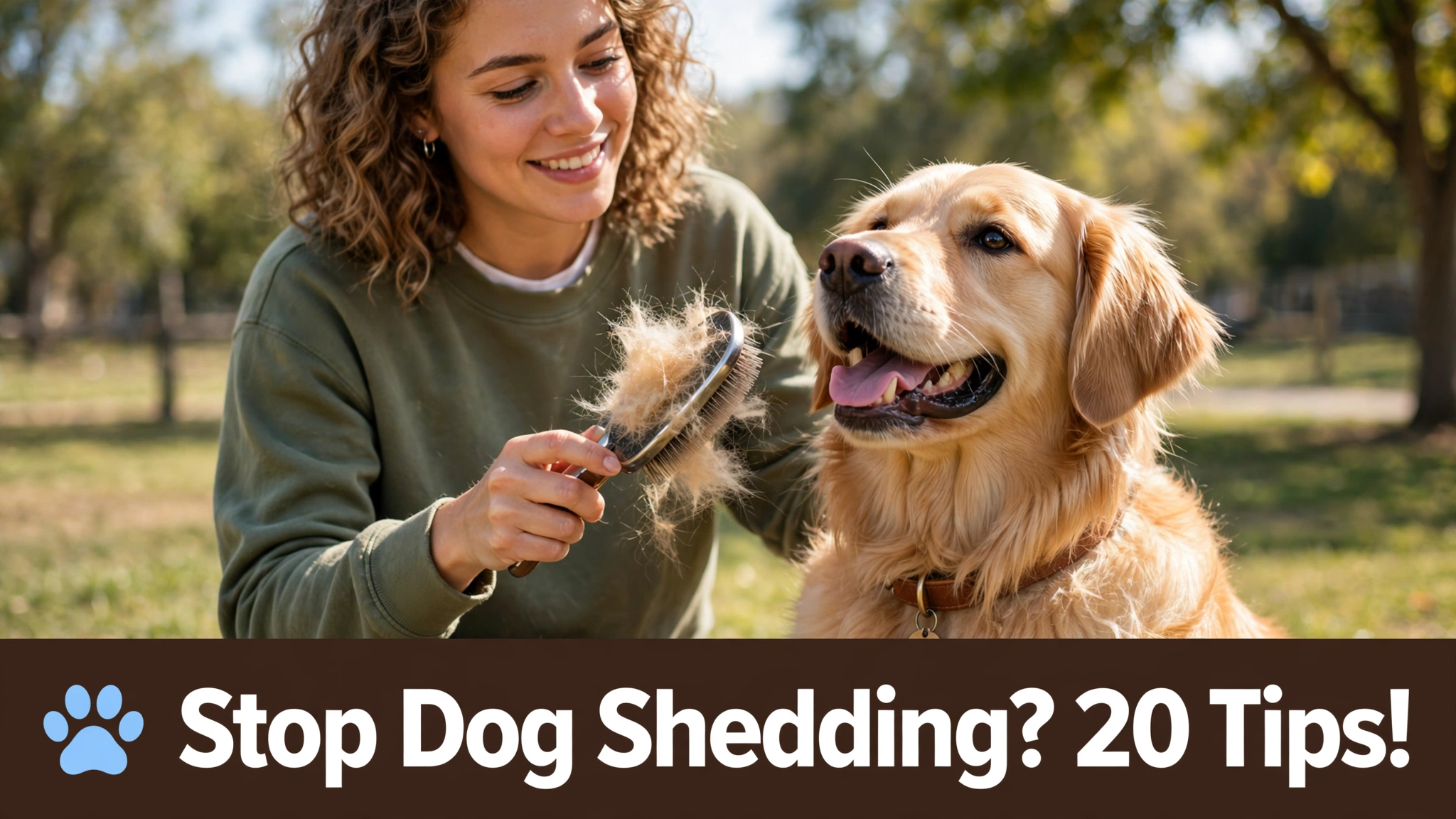
I first realised how much my dog shed on the morning I found fur on my black trousers, my sofa, and even my breakfast table. I had brushed him the day before, yet the house still looked like it had snowed indoors. That was the day I stopped guessing and started learning how anti shedding for dogs care really works, one small habit at a time.
In this guide I share the twenty tips that made the biggest difference for us, from brushing and bathing to the small home habits that keep fur under control.
This article is for general information only and is not veterinary advice. Always consult a licensed veterinarian for your dog’s health.
Key Takeaways
- Shedding is normal, and regular brushing outdoors catches loose fur before it lands on your furniture.
- The right tool for your dog’s coat type matters more than the most expensive tool on the shelf.
- Gentle bathing, thorough drying, and a balanced diet all support a healthier coat in any anti shedding for dogs routine.
- Small home habits, like vacuuming soft furnishings and using a lint roller, keep fur under control between grooms.
- If shedding changes suddenly, talk to a licensed veterinarian instead of guessing at the cause.
Why Does My Dog Shed So Much?
I used to think my dog shed because I was doing something wrong. Then I learned that most dogs shed because old hair makes way for new hair, and the amount depends on breed, coat type, season, and general health. Some dogs drop a little fur all year, while others lose a thick undercoat in spring and autumn.
Once I understood that, I stopped looking for one magic fix. A steady anti shedding for dogs routine works better than any single trick, because it tackles the loose fur, the coat, and the home at the same time.
| What I noticed | What often helps |
|---|---|
| More fur in spring and autumn | Extra brushing sessions during coat-change seasons |
| Loose fur on sofas and clothes | Brushing outdoors and regular vacuuming of soft furnishings |
| Tangles and matted patches | Gentle detangling and a tool matched to the coat type |
| Dull-looking coat | A balanced diet and a chat with your vet about coat health |
| Scratching and flaky skin | Gentle grooming products and a vet visit to check the skin |
Tip 1: How Can Daily Brushing Help With Anti Shedding for Dogs?
Brushing was the first habit I changed, and it made the biggest difference. A few calm minutes with a brush lifts out the loose hairs that would otherwise drift onto my floors and clothes. I brush my dog outside when I can, so the fur blows away instead of settling back into the house.
I keep the strokes slow and gentle, working in the direction the coat grows, and I pay extra attention to the chest, belly, and behind the ears, where loose fur loves to hide. Short, regular sessions beat one long, rushed session, and my dog has learned to enjoy the routine.
Tip 2: Which Grooming Tool Suits My Dog’s Coat?
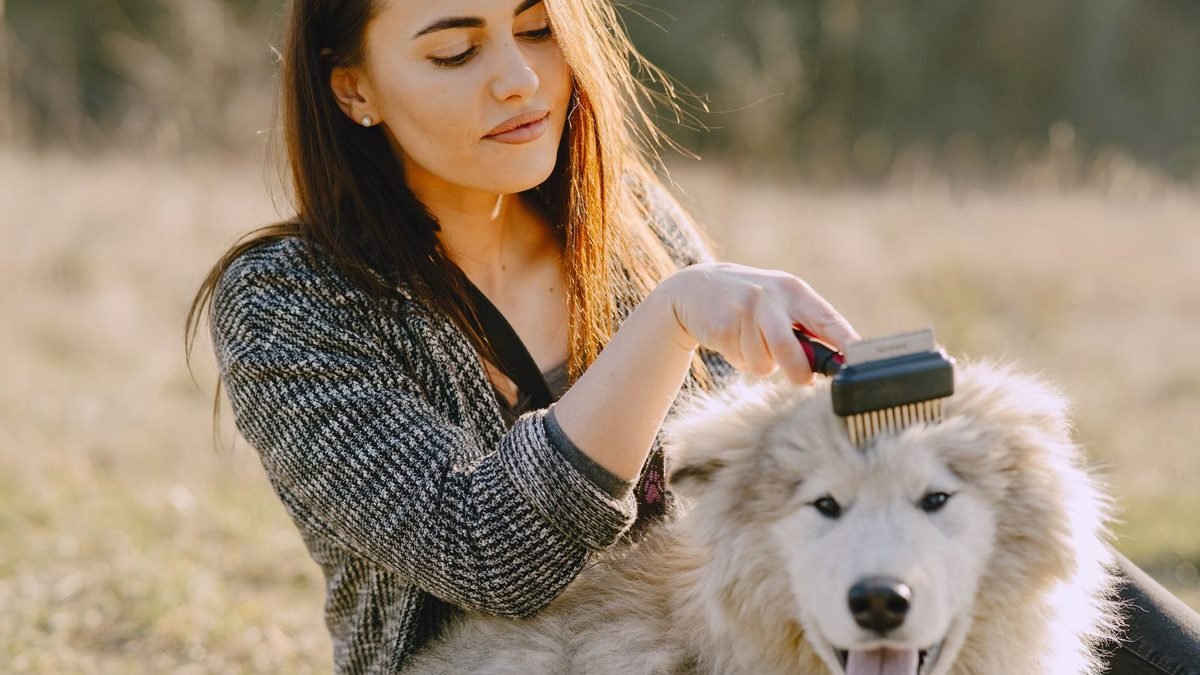
I once bought a brush because it looked impressive, and it was completely wrong for my dog’s coat. A slicker brush suits many medium and long coats, a rubber grooming mitt works well on short coats, and a wide-toothed comb helps me find tangles without pulling. The tool matters less than the match.
If you are unsure, ask a groomer to show you how each tool feels on your dog’s coat before you buy. A good anti shedding for dogs routine starts with tools that glide through the fur instead of dragging through it.

Tip 3: How Often Should I Bathe My Dog?
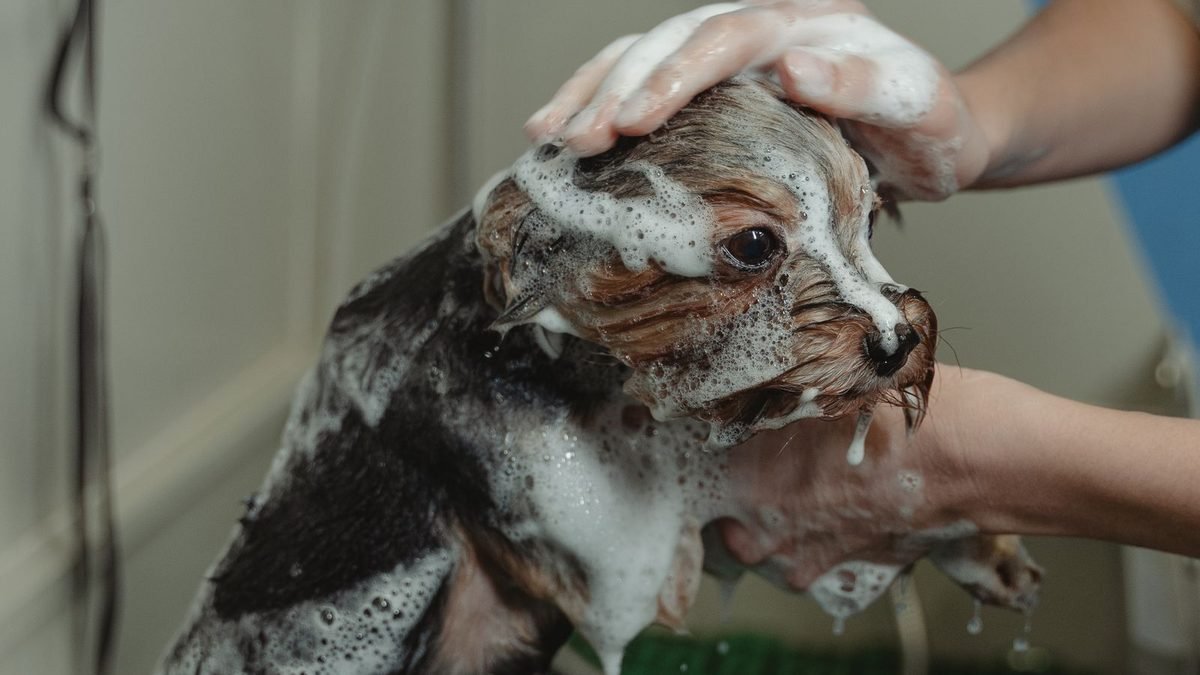
I bathe my dog when his coat feels dirty or starts to smell, rather than on a fixed calendar. Too many baths can dry out his skin, while too few leave dirt and loose fur trapped in the coat. A gentle, dog-friendly shampoo and lukewarm water are all I use, and I rinse until the water runs clear. Gentle bathing is a basic part of anti shedding for dogs care, and it works best when I keep it calm and unhurried.
During the bath I work the shampoo through the coat with my fingertips and check the skin as I go. If I notice anything unusual, I make a note of it and mention it at our next vet visit instead of trying to treat it myself.
Tip 4: How Should I Dry My Dog After a Bath?
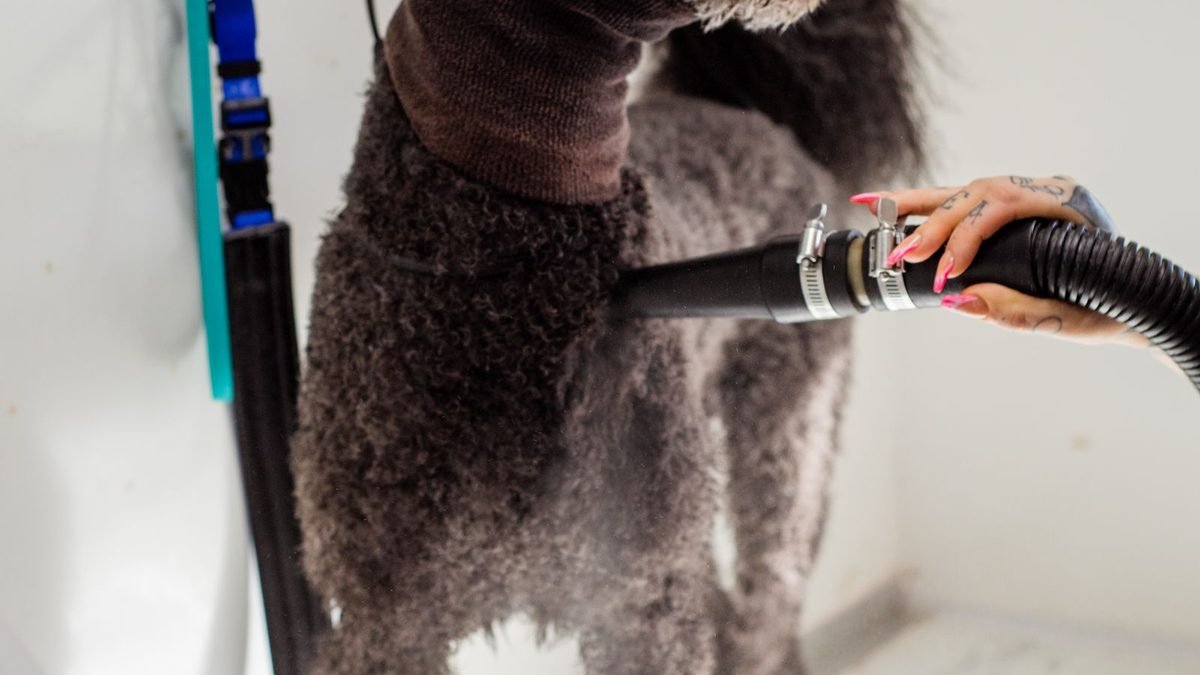
A wet coat holds loose fur, so drying matters more than I expected. I start with a towel, pressing gently instead of rubbing hard, and then let my dog shake off in the garden. On cooler days a gentle pet dryer helps, and at a grooming salon I have seen a professional hose dryer used the same careful way, kept moving so it never sits on one spot.
Once he is mostly dry, I give him a quick brush. The loose hairs come away easily while the coat is clean and soft, and the house stays far less furry afterwards.
Tip 5: What Should I Feed My Dog for a Healthier Coat?
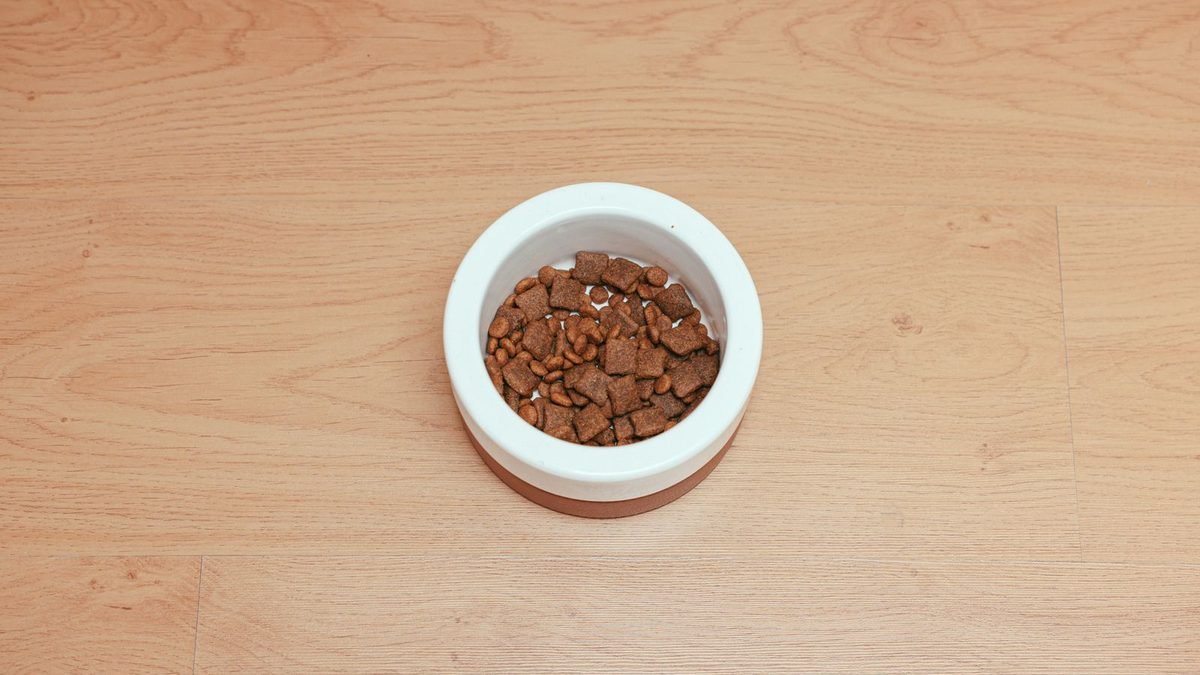
When my dog’s coat looked dull, I looked at his food bowl before I looked at new shampoos. A complete and balanced diet supports healthy skin and hair from the inside, so the food I choose matters more than any extra I might add. I never change his food suddenly, and I never add extras on a whim.
If you are thinking about changing what your dog eats as part of an anti shedding for dogs plan, talk to your vet first. They can tell you whether the food you already feed covers what your dog needs, which is far safer than following advice from a stranger on the internet, including me. If a food change ever upsets your dog’s stomach, read our tips on what to give dogs for diarrhea, and still talk to your vet.
Tip 6: Can Everyday Foods Support My Dog’s Coat?
I used to wonder whether I should add something special to my dog’s meals for his coat. What I learned is that the everyday food he already eats matters far more than any single addition. If his diet is complete and balanced, his coat usually shows it, with a soft feel and a healthy shine.
Before I tried anything new, I asked my vet what was already covered by his food and what was simply marketing. That one conversation saved me money and stopped me from changing a diet that was already working well for him.
Tip 7: Does My Dog’s Breed Change How Much They Shed?
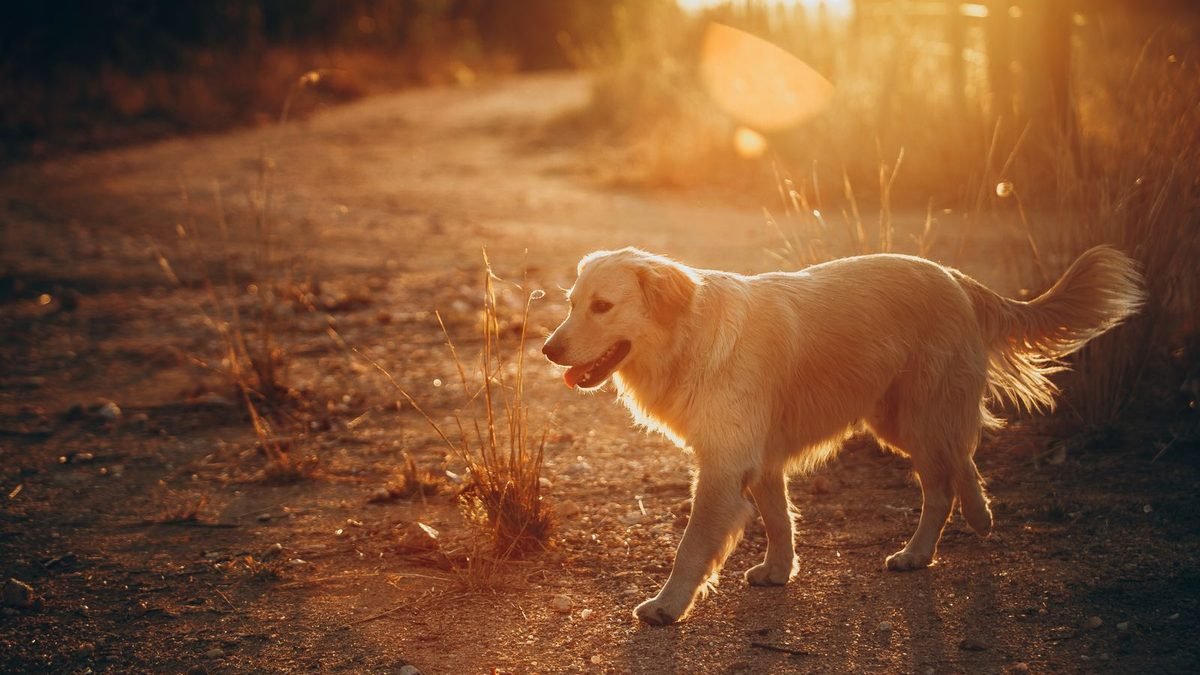
Yes, and knowing this saved my sanity. Some breeds carry a thick double coat and drop fur in heavy seasonal waves, while others shed a little all year. My friend’s golden retriever can fill a brush in minutes on a sunny walk, while a neighbour’s short-coated dog leaves barely a trace.
Once I learned what was normal for my dog’s breed and coat type, I stopped comparing him to other dogs. If you are choosing a breed and shedding matters to you, look at the breed’s general coat pattern first, and read our guide to small hypoallergenic dogs that don’t shed much for ideas.
Tip 8: How Do I Handle Shedding in Different Seasons?
Spring and autumn are our heavy-shedding seasons, when my dog’s coat changes with the weather. I brush a little more often during those weeks and keep a lint roller by the door. In summer, the fur on my car seats tells me the season changed before the calendar does.
I also watch how my dog copes with the heat and cold, and I keep his routine steady instead of changing everything at once. A simple note on the fridge reminds me when the heavy weeks usually start, so the extra brushing never catches me by surprise. Seasonal changes are part of every anti shedding for dogs routine, and a little planning makes them easy.
Tip 9: Are There Gentle Home Remedies for Shedding?
I am careful with home remedies, because my dog’s skin is not a place to experiment. The gentlest remedies in my house are not products at all: a clean brush, fresh bedding, and a calm brushing routine. Those three things alone cut the fur in my home by a surprising amount.
If a friend suggests a new oil, rinse, or homemade mix, I ask my vet first and never put anything new on my dog’s skin without that advice. A remedy that suits one dog can irritate another, and a quick question costs far less than a sore, itchy dog.
Tip 10: When Should I Book a Professional Groomer?
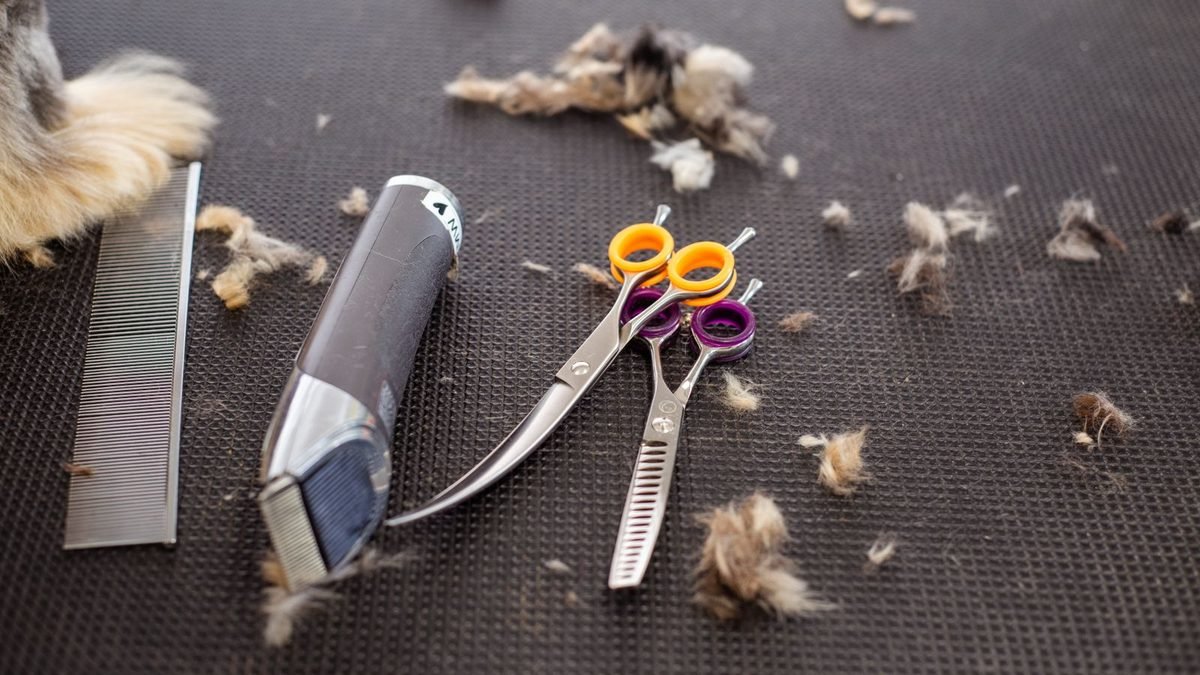
I book a groomer when my dog’s coat needs more than my brush can give, such as a thorough wash, a careful trim, or help with a tangled patch I cannot work through gently. A good groomer knows coats the way a good barber knows hair, and the visit doubles as a fresh pair of eyes on my dog’s skin.
Between visits I keep up the home routine, so each appointment starts from a clean, tangle-free coat. Regular grooming visits are part of my anti shedding for dogs plan, not a replacement for the daily habits at home.
Tip 11: Does Fresh Water Really Help With Shedding?
My dog drinks more than I ever expected, and I noticed his coat looked better once I stopped letting his bowl sit half-empty all day. I refresh his water every morning and again in the evening, and I wash the bowl so it stays clean and inviting.
Fresh water is a small habit with a quiet payoff. A dog that drinks well stays comfortable, and a comfortable dog is easier to groom, brush, and keep happy through the heavy-shedding weeks.
Tip 12: How Does My Home Affect My Dog’s Shedding?
My home affects my dog’s coat more than I thought. Dry indoor air in winter and dust in the corners both seemed to make his skin itchier, so I open windows when the weather allows, keep his bedding clean, and vacuum the rooms where he sleeps most. A tidy home makes the fur easier to see, and easier to remove.
I also gave him one favourite resting spot with a washable cover, so the fur gathers in one place instead of on every chair. It took a week for him to claim it as his own, and now it is the first place I clean. Small changes at home are the quiet half of any anti shedding for dogs routine.

Tip 13: How Do I Care for a Long-Haired Dog’s Coat?
Long hair is beautiful and high-maintenance, and I learned that the hard way when a small tangle behind my dog’s ear became a mat. Now I work through his coat in sections, starting at the ends of the hair and moving gently towards the skin, and I never yank through a knot.
I check the feathering on his legs and tail most often, because those spots tangle first. If a tangle will not come out gently, I leave it for the groomer instead of pulling at it, and my dog thanks me by actually enjoying his brushing sessions.
Tip 14: How Do I Care for a Short-Haired Dog’s Coat?
Short-haired dogs still shed, even if the hairs are harder to see. My neighbour’s short-coated dog leaves fine, needle-like hairs on every dark cushion, and they are the hardest to pick up by hand. A rubber grooming mitt works well here, lifting loose hairs without scratching the skin.
I use short, light strokes and check the skin as I go, because short coats show dry patches quickly. A quick brush after a walk, when loose hairs are already working free, keeps most of them off the furniture.
Tip 15: What Mistakes Make Shedding Worse?
My biggest mistake was bathing my dog too often when the shedding got bad, thinking cleaner meant less fur. It did the opposite, drying his skin and making the loose fur worse. The second mistake was using the wrong brush, which pulled instead of lifting the loose hairs out.
Skipping brushing during the busy weeks was the third mistake, because a week’s loose fur arrived all at once on my sofa. A simple anti shedding for dogs routine only works if I keep it up, especially when life gets busy.
Tip 16: When Should I Talk to My Vet About Shedding?
I talk to my vet when the shedding changes suddenly, or when I see bald patches, sore skin, or a change in my dog’s mood and appetite. I cannot tell from the outside what is happening on the inside, and guessing only delays the help my dog might need.
Regular check-ups help too, because the vet sees my dog over time and notices changes I might miss. I take a short note of when the shedding changed and what I noticed, so the visit is useful for both of us. A vet visit is part of a sensible anti shedding for dogs routine.
Tip 17: What Helps Dogs With Sensitive Skin?
Some dogs have skin that reacts to almost everything, and my friend’s dog is one of them. She uses only gentle, fragrance-free grooming products made for sensitive skin, rinses thoroughly, and keeps baths calm and short. If your dog scratches a lot, our guide on dogs that scratch and bite themselves may help you spot patterns to mention to your vet.
I also keep her bedding washed and her brush clean, because a dirty brush can carry old shampoo and dust back onto the skin. Small, gentle habits suit sensitive skin better than any strong product.
Tip 18: How Can I Reduce Shedding on a Budget?
Reducing shedding does not need an expensive kit. My most useful tools are a basic brush that suits my dog’s coat, a towel, and a lint roller, and the most useful habit costs nothing at all: brushing outside for a few minutes most days. A steady anti shedding for dogs routine can be simple and still work well.
I buy one good tool at a time instead of a whole set at once, and I look after it by cleaning it after each use. A clean brush lasts longer and works better than a drawer full of gadgets I never reach for.
Tip 19: How Do I Keep Dog Hair Off My Furniture and Clothes?
Grooming handles the dog, but the house needs its own routine. I vacuum the sofa and rugs where my dog sleeps, wash his covers often, and keep a lint roller by the front door for a last check before I leave. It takes five minutes, and my black trousers finally stand a chance.
I also brush my dog outside before guests arrive, which sounds obvious now but took me a year to learn. The fur that never lands in the house is the fur I never have to clean up.

Tip 20: How Do I Build a Routine That Actually Sticks?
The routine that works is the one I can keep. I brush my dog after our morning walk, when he is calm and I have a few minutes, and I keep the brush where I can see it. Tying the habit to something I already do every day made it stick in a way that a calendar reminder never did.
I also keep it simple: brush, check the coat, and clean the brush. When the routine is short, I do it. When I tried a long, complicated routine, I skipped it, and the fur came back within days. Small and steady wins this one, and that is the heart of an anti shedding for dogs routine that lasts.
How Do I Start My Anti Shedding for Dogs Routine Today?
I started with one brush, one outdoor brushing session, and a lint roller by the door. Within two weeks my sofa looked better, my clothes stayed cleaner, and my dog looked forward to our little grooming ritual. You do not need to do all twenty tips at once, so pick the one that fits your dog and your day, and start there.
If anything about your dog’s shedding worries you, or it changes suddenly, talk to a licensed veterinarian. The best routine is a steady one, built around your dog, and a vet can help you shape it.
Frequently Asked Questions
What is the best thing to give a dog to stop shedding?
There is no single food or product that stops shedding, and I would be wary of anyone who promises one. A complete and balanced diet, regular grooming, and a chat with your vet about your dog’s coat are the best starting points.
What is the best dog for not shedding?
Breeds like Poodles, Bichon Frises, and Maltese are known for shedding very little, but no breed is completely shed-free. Our guide to small hypoallergenic dogs that don’t shed much lists more low-shedding breeds to consider.
Are there any truly 100% non-shedding dogs?
No, every dog sheds at least a little, because old hair is always being replaced. Some breeds shed so lightly that you barely notice it, especially with regular grooming and a steady anti shedding for dogs routine.
Which dog has the worst shedding?
Heavy shedders include breeds with thick double coats, such as Huskies, Akitas, and German Shepherds. They can drop large amounts of fur during seasonal coat changes, so regular brushing and home cleaning matter even more for them.
What’s the most low-maintenance dog?
For shedding, short-coated breeds like French Bulldogs, Greyhounds, and Chihuahuas are often seen as low-maintenance. They still need regular brushing and a balanced diet, but their grooming routine is usually shorter and simpler.
Sources
- American Kennel Club — akc.org
- RSPCA — rspca.org.uk
This article is for general information only and is not veterinary advice. Always consult a licensed veterinarian for your dog’s health.