
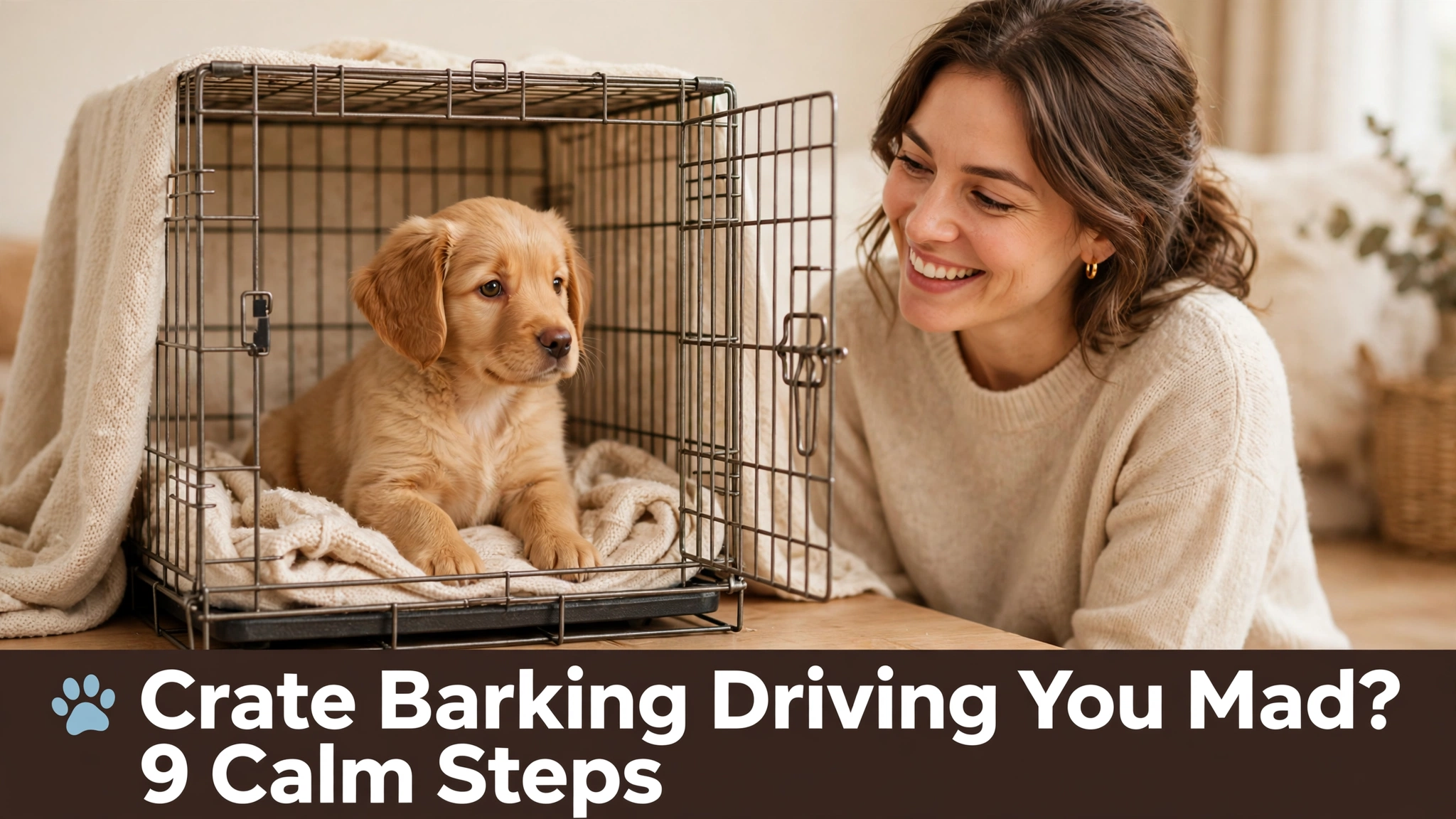
The first night my dog slept in a crate, I sat on the floor outside it at 2 a.m., wide awake, listening to him bark at the dark. I had done everything the box told me to do. I had put in a blanket, a chew, and a worn T-shirt that smelled like me. None of it helped. That night I knew I needed a real plan to stop dog from barking in crate time, not another quick trick that would fail by morning.
I am not a trainer, and I will not pretend this was easy. My dog barked because he was confused, tired, and lonely, and I was making it worse by guessing. So I slowed down, changed one thing at a time, and kept notes on what actually worked. This is that plan, written the way I wish someone had told me. That slow approach is what finally helped me stop dog from barking in crate.

Why My Dog Would Not Stop Barking in the Crate
Before I could fix the barking, I had to understand it. My dog was not barking to annoy me. He was barking because the crate felt strange, and he had no other way to tell me. Once I saw it that way, I stopped taking it personally, and I started solving the right problem. Understanding that was the first step to stop dog from barking in crate.
Most crate barking comes from a short list of causes. My dog might have needed a toilet break, or he might have been bored, thirsty, too hot, or simply unsure where I had gone. A puppy may also bark because the house has gone quiet and the crate feels like being left alone in a new world.
I learned to check the simple things first. Had he been out to the toilet? Had he eaten and drunk? Was the room too warm? Had he played enough that day? If the answer to any of those was no, the barking was my dog asking for something real, and no amount of ignoring it would help. That checklist became my first tool to stop dog from barking in crate.
There was a second kind of barking too. When my dog was settled, fed, and tired, and still barked, he was really saying that the crate itself scared him. That was a training problem, not a naughty-dog problem. It needed patience, short sessions, and a crate that felt like a safe den, not a cage.
If your dog only barks at other dogs, the cause is different again, and I wrote about that separately in Why Is My Dog Barking at Other Dogs? 7 Reasons and What to Do. Crate barking is mostly about comfort, routine, and trust, and that is what the nine steps below are built to fix.
The 5 Crate Setup Mistakes I Made First
I blamed my dog for a week before I looked at my own setup. The crate was in the wrong place, it was the wrong size for how I was using it, and I had turned it into a place where good things never happened. Fixing the setup did not solve everything, but it made every later step work twice as well. Fixing the setup was the real start to stop dog from barking in crate.
- A crate that was too big. My dog could sleep at one end and use the other end as a toilet, so the crate never felt like a cosy den. I made the space smaller with a divider until he could stand, turn, and lie down, and no more.
- The crate in a lonely corner. I had tucked it in a spare room so the barking would bother me less. That only made my dog feel shut away. Moving it beside my bed at night and near the family in the day changed his whole mood.
- A bare, hard floor. I thought a thin blanket was enough. It was not. A proper crate mat, a soft blanket he could push around, and a safe chew gave him a reason to lie down and stay down.
- Only using the crate when I left. The door only closed when I was going out, so my dog learned that crate meant goodbye. I started leaving the door open all day, with treats inside, so the crate became part of normal life.
- Too much time inside. I was asking for hours before he could manage minutes. A young dog, and even an older dog new to a crate, needs short, happy sessions first, with lots of breaks outside the crate in between.
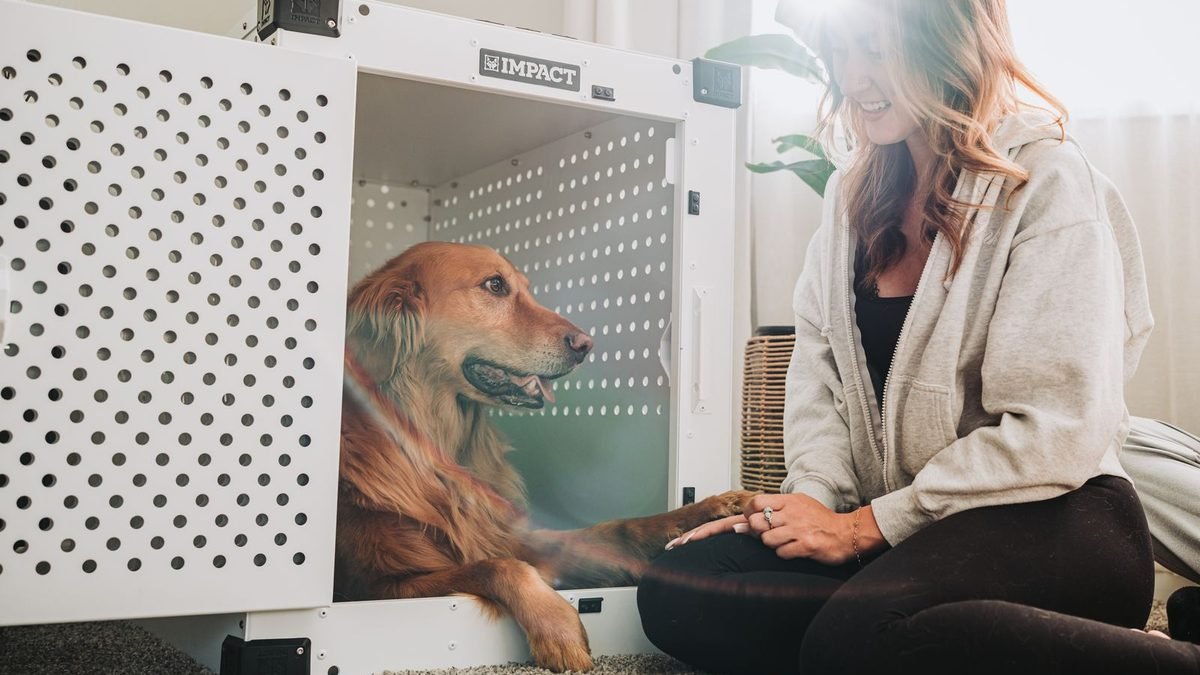
My tip: Before you start the nine steps, spend one day just fixing the setup. Put the crate where your dog can see you, make it soft and calm, and leave the door open with a treat inside. If the crate feels good, the barking has somewhere to go down.
The 9 Steps That Helped Me Stop Dog From Barking in Crate
Here is the plan I actually followed, in the order I followed it. I did not rush it. Each step took a day or two, and I only moved on when the step before it felt easy for my dog. If a step went badly, I went back one step, not forward. That one rule saved us both a lot of bad nights. I followed this plan to stop dog from barking in crate, one step at a time.
Keep treats small and easy to eat. I used tiny pieces of my dog’s normal food and a few soft treats, so he could eat quickly and try again. The point of a treat here is to mark a calm choice, not to fill him up. Short, happy wins beat long, boring sessions every time.
Step 1: Make the Crate the Best Place in the Room
I started with the door wide open. I dropped treats just inside the crate, then a little further back, and let my dog walk in and out as he liked. I did not close the door, and I did not push him in. He needed to learn that good things happened in there, and that he could always walk out again. That open door was how I began to stop dog from barking in crate.
We did this in short bursts, three or four times a day, for about five minutes each. By the second day, my dog was walking into the crate on his own to check for treats. That was the first win, and it mattered more than I expected. A dog that chooses the crate is a dog that will settle in it.
Step 2: Feed Every Meal in the Crate
For a week, every meal went in the crate. I put the bowl at the back, left the door open, and walked away. My dog ate, looked around, and then came out again when he was done. Eating in the crate turned it from a strange box into his dining room, and that changed how he felt about it. Feeding meals this way helped me stop dog from barking in crate at mealtimes.
I also gave him his favourite chew in there in the daytime, with the door open. He started carrying things into the crate himself. When I saw that, I knew the crate was becoming his place, not mine. I never took a chew away inside the crate, because I wanted him to feel safe with his own things.
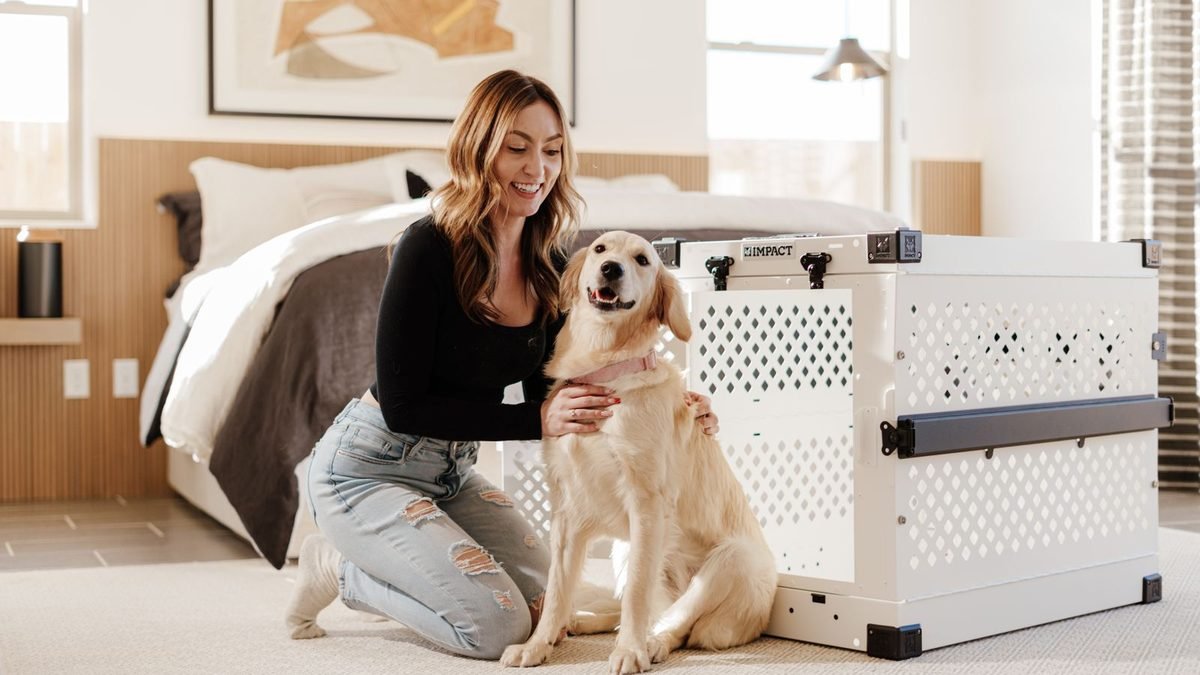
Step 3: Close the Door for Seconds, Not Minutes
Once my dog walked in happily, I closed the door for five seconds while he ate a treat, then opened it again before he could bark. Then ten seconds. Then twenty. I stayed right beside the crate, talking in a low, boring voice, so he knew I was still there. Those five seconds were my first win to stop dog from barking in crate.
The trick was to open the door while he was still calm. If I waited until he barked, I would have been teaching him that barking opens doors. So I kept the times so short that he could not fail. We built up slowly over three days, and by the end of it, a closed door for two minutes felt normal to him.
Step 4: Add a Calm Word and a Short Goodbye
I picked one calm word, “crate time,” and I said it in the same soft voice every time he went in, followed by a treat. I did not make a big fuss when I left the room. No long goodbyes, no sad face, no promises. I just said the word, gave the treat, and stepped out for a moment. That calm word became my signal to stop dog from barking in crate.
At first I stepped out for thirty seconds and came straight back, calm as anything. Then a minute, then two. I always came back before the barking started, and I kept my return boring too. No big hello, no excited voice. Just a quiet open door and a normal day carrying on. My dog learned that me leaving was not an event.

What I wish I had known: I kept a little notebook by the crate. Each evening I wrote down how long my dog stayed quiet, and what happened just before any barking. The pattern jumped out in two days. He barked most when he had not played enough, and least on the days we had a long walk.
Step 5: Tire Him Out Before Crate Time
A tired dog settles. A bored dog barks. That was the plainest lesson of the whole month. Before any long crate session, I gave my dog a proper walk, a game of fetch, or a sniffy wander around the garden. I was not trying to wear him out completely, just to take the edge off his energy. A tired dog was easier to settle, and that helped me stop dog from barking in crate.
I also added a little thinking game before the crate, like hiding treats around the room for him to find. Ten minutes of sniffing and searching left him calmer than a whole hour of sitting around doing nothing. When he went into the crate after that, he usually circled once, sighed, and lay down.
Step 6: Give Him Something to Do in There
An empty crate is a boring crate, and a bored dog barks. I started leaving a safe chew or a food puzzle in the crate when I closed the door. It gave my dog a job for the first ten minutes, which were always the hardest minutes. By the time he finished, the urge to bark had usually passed. A busy crate helped me stop dog from barking in crate out of boredom.
I kept the crate job simple and safe. I used things he already knew how to use, nothing new or fiddly, and I always checked the chew afterwards. I never left anything in the crate that could break into small pieces, and I took the chew out when I opened the door, so the crate stayed the place where good things happened.
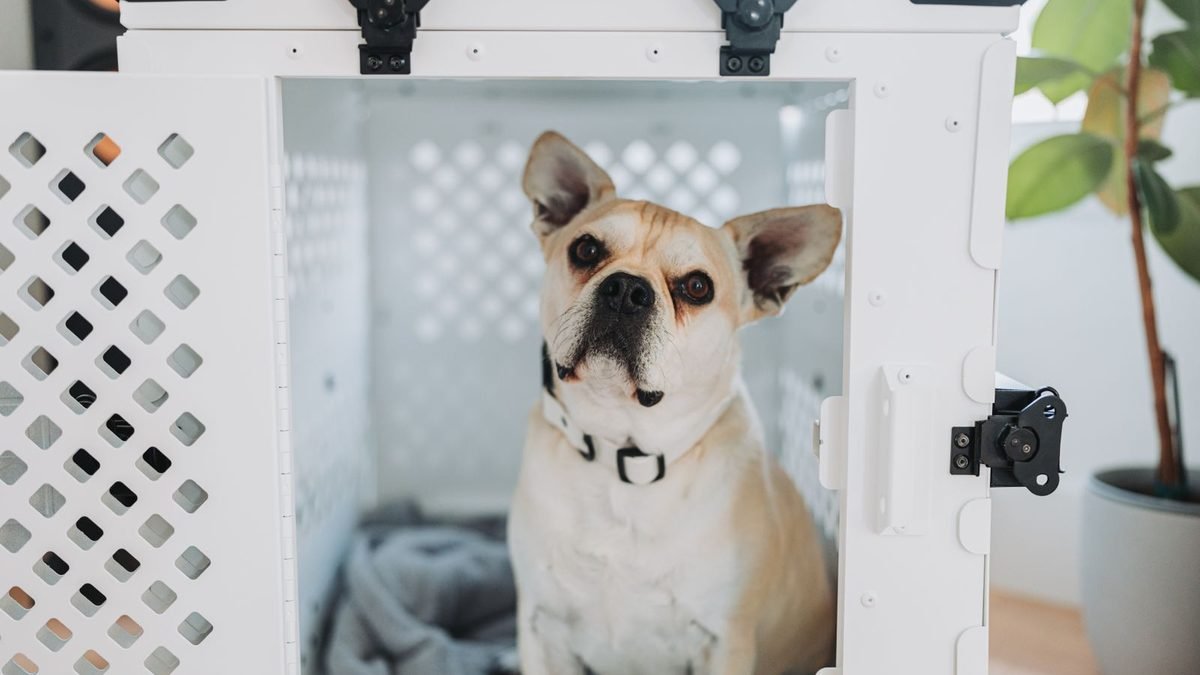
Step 7: Stay Calm When the Barking Starts
This step was the hardest for me, not for my dog. When he barked, everything in me wanted to run over, open the door, and make it stop. But I had already taught him that barking opened doors, and I did not want to teach it again. So I waited for a pause, even a tiny one, and only then did I move. Staying calm was the hardest part of learning to stop dog from barking in crate.
I did not shout, and I did not bang on the crate. Shouting just added my voice to his noise, and it scared him more. Instead I stayed quiet, kept my body relaxed, and waited. The first time he went quiet for five seconds, I opened the door calmly and let him out for a toilet break. He learned that quiet, not noise, got him what he wanted.
If the barking went on and on, I checked the basics again. Toilet, water, heat, and time in the crate. If he truly needed something, I helped him, calmly, and then started the session again shorter. I never let him bark himself into a panic. Short and kind beats long and loud, every single time.
Step 8: Stretch the Time a Little Each Day
Once my dog could stay quiet for ten minutes, I added five more. Then ten more. I did not jump from ten minutes to two hours, because that is how progress falls apart. I kept a simple rule: if he stayed quiet three times in a row at one length, I made the next session a little longer. Stretching the time slowly helped me stop dog from barking in crate for longer.
I mixed short and long sessions in the same day, so he never knew which one was coming. A five-minute crate stay after lunch, a twenty-minute stay while I cooked, a longer one after a walk. That variety kept him from watching the clock, and it kept me from asking too much on a bad day.
Step 9: Practise Leaving, Then Really Leave
The last step was leaving the house for real. I started with a trip to the garden gate, then a walk around the block, then a quick shop. Each time I kept the goodbye and the hello boring, the crate soft, and the chew ready. I also left a radio on low in the room, which seemed to help him feel less alone. Practising leaving was the final test to stop dog from barking in crate.
The day I came home to a quiet house and a sleeping dog in his crate, I nearly cried. He had not barked at all. That was about three weeks after our worst night, and it was worth every slow step. If you want more ideas for the worried, restless side of crate life, read our twin guide, How to Keep a Dog From Barking in a Crate: 12 Calming Tips for Anxious Dogs, which looks at the same problem from a calming angle.
My rule for bad days: If my dog barked three sessions in a row, I did not push harder. I went back to Step 3 for a day, made everything shorter, and tried again tomorrow. Going back a step is not failing. It is how the plan keeps working.
Night vs Day: How I Learned to Stop Dog From Barking in Crate at Night
Daytime and night-time barking felt like two different problems, so I treated them that way. In the day, my dog could see me, hear the house, and know I was near. At night, the house went dark and quiet, and his crate suddenly felt very far away. That was when the barking got loudest, and when I felt most alone with it. Treating day and night separately helped me stop dog from barking in crate at night.
At night, I moved the crate right beside my bed, where he could hear me breathe and I could hear him stir. I kept a low light on for the first few nights, and I left a worn T-shirt of mine near the crate, not inside it. When he woke, I could reach down, speak softly, and let him know I was there, without turning it into a game.
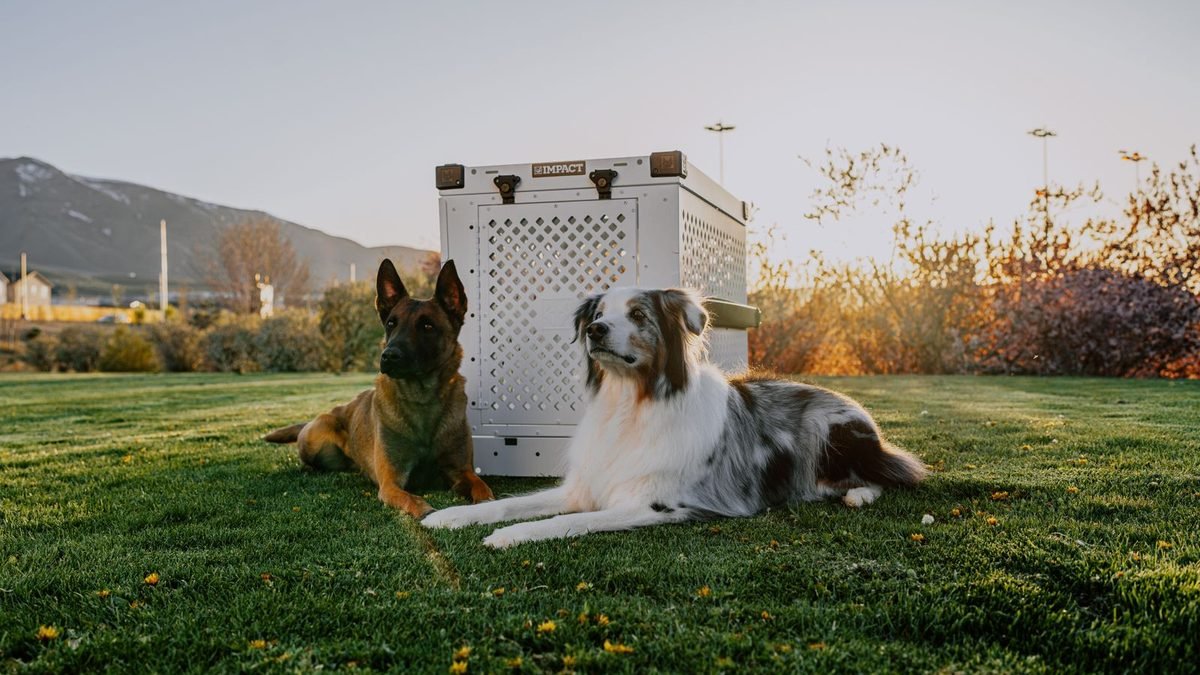
In the day, I did the opposite. I practised short crate stays while I was in another room, with the radio on low. I wanted him to learn that quiet in the day was normal too. The two routines fed each other. A dog that rests well in the day sleeps better at night, and a dog that sleeps well at night is calmer in the day.
Night toilet breaks were a separate job. If my dog woke and barked in the small hours, I took him out on a lead, kept the lights low, said nothing exciting, and put him straight back in the crate. No play, no cuddles, no midnight snack. He soon learned that a night bark meant a boring toilet trip, not a party.
Puppy First Nights in the Crate: What Actually Worked for Us
A puppy’s first nights are the hardest, because everything is new. My puppy had left his mum, his brothers and sisters, and the only home he had known, all in one day. Of course he cried. I did not expect him to be brave on night one, and I did not ask him to be.
For the first three nights, I slept on a mattress beside the crate. I know that sounds over the top, but it worked. My puppy could smell me, hear me, and settle when he woke. Each night I moved a little further away, first to the edge of the room, then to the doorway, then back to my own bed.
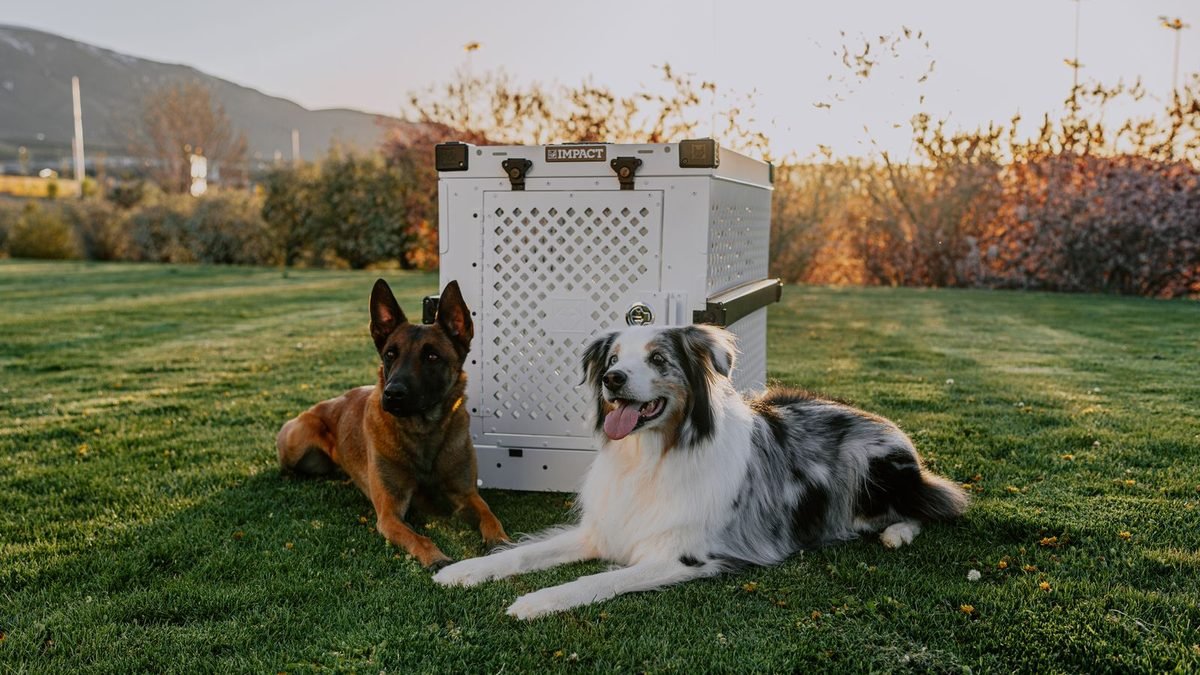
I kept the bedtime routine the same every night. Last toilet trip, a small chew in the crate, the same calm word, the same low light. Puppies love routine more than anything, and the same steps every night told him what was coming. By night five, he was walking into the crate himself when he heard the word.
I also kept his daytime crate sessions very short in that first week. A puppy can only hold on for a short while, and he can only stay calm for a short while too. I took him out often, praised the quiet moments, and never scolded the noise. The first nights are about trust, and trust takes a little time.
What to Do When the Barking Comes Back
Just when I thought we had won, the barking came back. A thunderstorm, a house guest, a change in my work hours, and suddenly my dog was barking in his crate again. I felt gutted. Then I remembered my own rule, went back to Step 3, and started again with short, easy sessions.
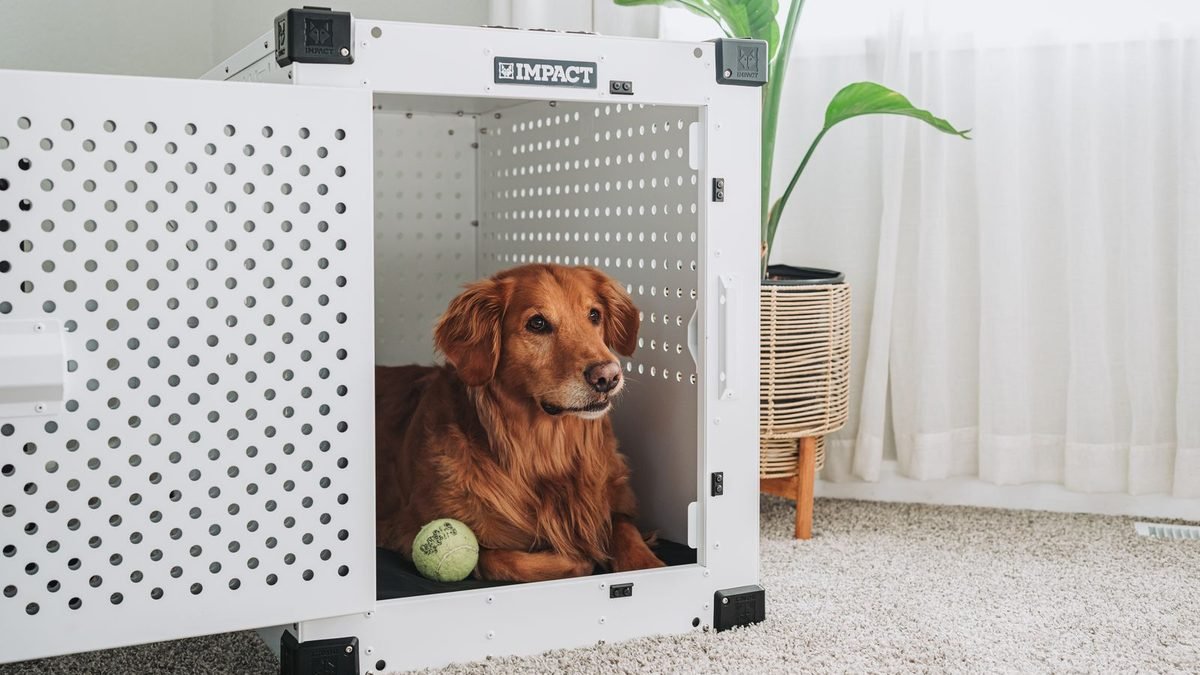
Setbacks are normal, and they do not erase the progress you have made. My dog relearned the calm routine in two days the second time, because the good habits were still there underneath. If the barking comes back for you, do not start from zero. Go back one step, keep it short, and let your dog win again.
How Long It Took My Dog to Settle
For us, the loudest nights were over in about a week, and the daytime barking faded over three weeks. I would not promise you the same dates, because every dog is different. What I can promise is that slow, steady steps beat fast, loud ones, and that the quiet nights do come.
I knew we had turned the corner when my dog started going to his crate on his own in the evening, without me asking. He would circle, sigh, and fall asleep with the door open. That is the goal, really. Not a silent dog, but a dog who feels safe enough to rest.
Questions I Get Asked About Crate Barking
How long should I leave my dog in the crate? Start with minutes, not hours. Build up slowly, and give your dog a toilet break, water, and a stretch before any longer stay. A young puppy needs very short sessions and lots of breaks outside the crate.
Should I ignore the barking? I did not ignore barking that meant a real need, like a toilet break. I waited for a quiet pause before I opened the door, so I was rewarding the quiet, not the noise. If the barking went on and on, I checked the basics and started shorter next time.
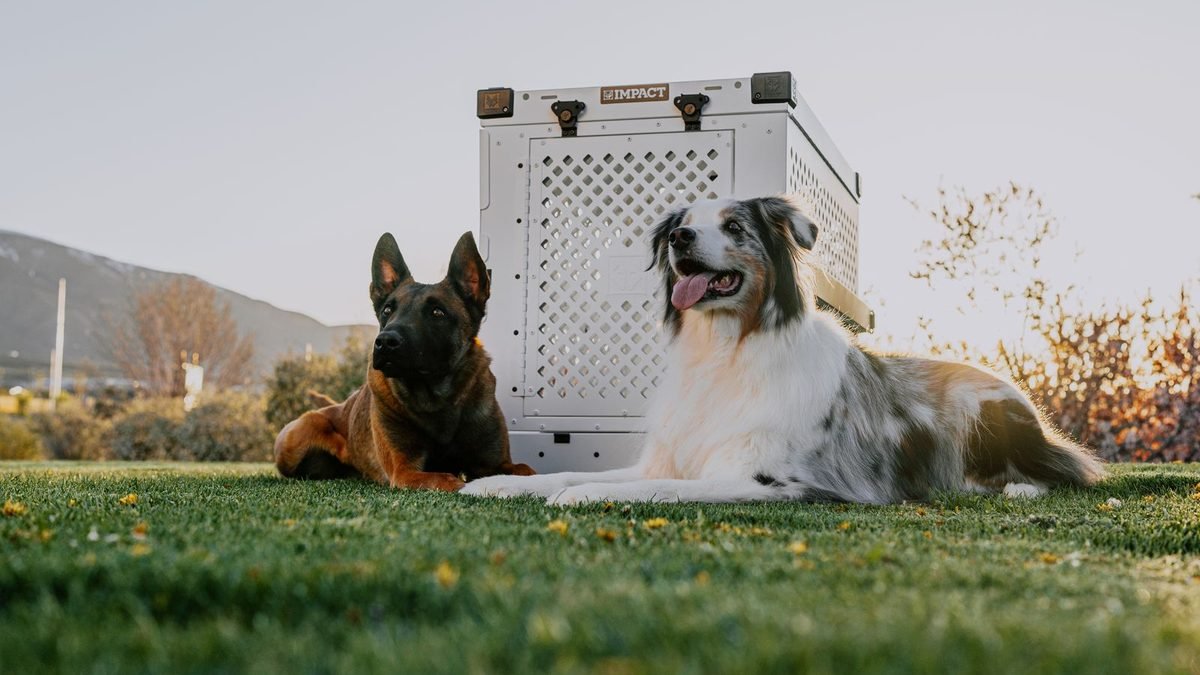
Is it cruel to crate a dog? A crate should never be a punishment, and it should never be used for long hours with nothing to do. Used the way I describe here, as a soft, open den with food, rest, and choice, my dog came to love his. The crate is a bedroom, not a prison.
What if my dog barks only at night? Try the night plan above: crate beside your bed, a calm bedtime routine, a low light, and a boring toilet trip if he wakes. Night barking often fades fastest once your dog knows you are close by.
My Last Word on Crate Barking
I still remember that first night on the floor at 2 a.m., and I still remember the first quiet morning after it. The change did not come from one clever trick. It came from a better crate, a slower plan, and a dog who finally trusted that the crate was his safe place and that I would always come back.

If you are sitting on the floor tonight listening to the barking, start with Step 1 tomorrow morning, and give yourself a week. Keep the sessions short, keep your voice calm, and keep notes on what works for your dog. You can find more of our dog stories on the happy pet cure blog, and if you want the calming side of this same problem, our twin guide is How to Keep a Dog From Barking in a Crate: 12 Calming Tips for Anxious Dogs.
For another expert take on how to stop dog from barking in crate, see the AKC crate training guide